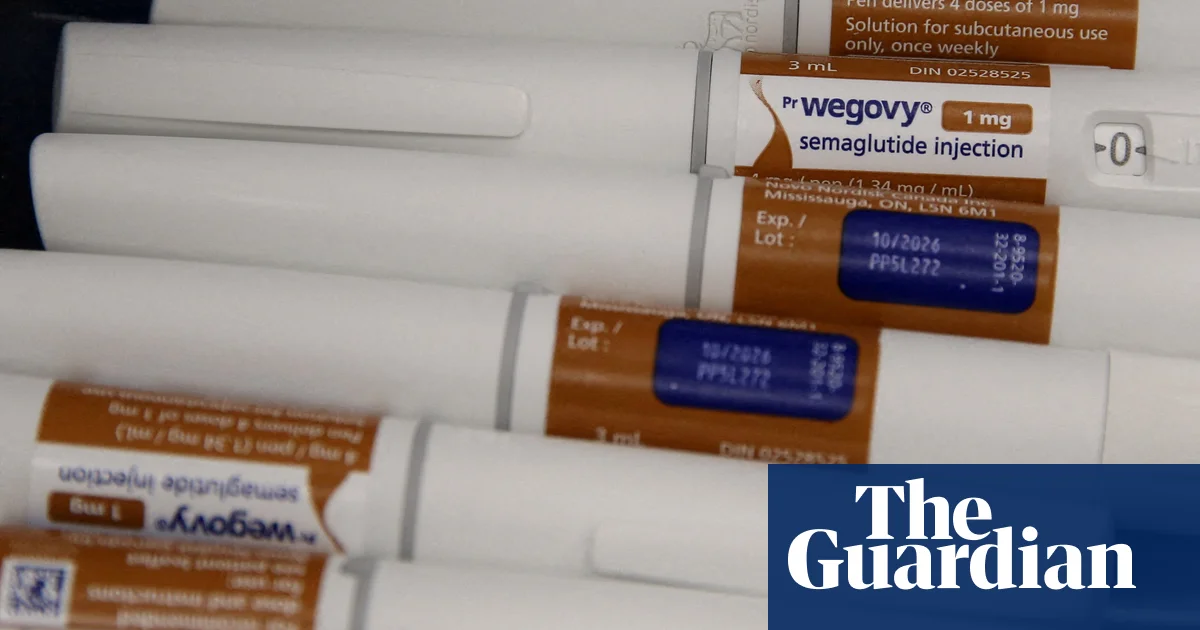
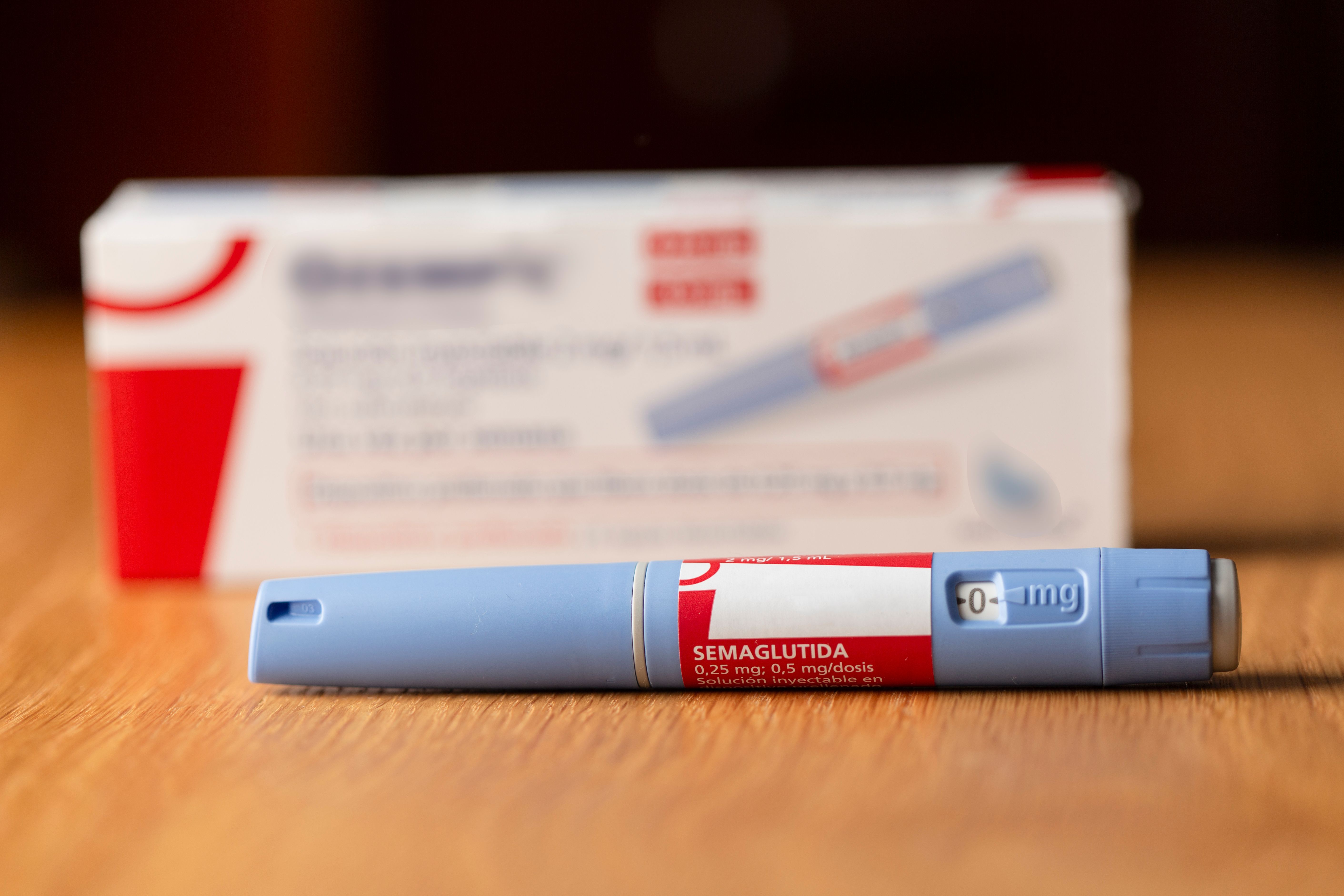
A study suggests that weight loss medications like Wegovy and Mounjaro may be less effective in real-world settings compared to clinical trials, with bariatric surgery resulting in significantly greater weight loss. Factors such as cost, access, and adherence may influence the effectiveness of these drugs outside of controlled environments.
A large Canadian study found that weight loss drugs called GLP-1 receptor agonists, used by diabetic patients, may double the risk of developing age-related macular degeneration, especially in older patients or those with a history of stroke, raising concerns about eye health risks associated with these medications.
The American Diabetes Association's 2025 Standards of Care introduce new guidelines for diabetes management, including broader use of continuous glucose monitoring (CGM) for type 2 diabetes patients not on insulin, expanded use of GLP-1 receptor agonists for heart and kidney health, and management of metabolic dysfunction-associated liver disease. The guidelines also emphasize the importance of drinking water over sweetened beverages and continuing weight management therapies beyond initial weight loss. Additionally, they recommend screening for psychosocial issues and antibody-based screening for presymptomatic type 1 diabetes in at-risk individuals.
Rebel Wilson shared that she briefly used the weight loss drug Ozempic as part of her journey to maintain her size, citing her desire to increase her chances of success at in-vitro fertilization as a motivation. The Australian actress also discussed her struggles with emotional eating and stress, and her decision to take a holistic approach to her health. Ozempic is a medication approved for treating Type 2 diabetes and weight loss, and Wilson's openness about her weight fluctuations has resonated with her followers on social media.
The FDA has conducted a preliminary evaluation of reports of suicidal thoughts or actions in patients taking glucagon-like peptide-1 receptor agonists (GLP-1 RAs) for type 2 diabetes and obesity, finding no evidence of a causal link. While additional evaluations are ongoing, including a meta-analysis of clinical trials and an analysis of postmarketing data, patients are advised not to stop taking GLP-1 RAs without consulting a healthcare professional. Healthcare professionals should monitor and advise patients to report any new or worsening depression, suicidal thoughts, or unusual changes in mood or behavior. The FDA encourages reporting of side effects involving GLP-1 RAs or other medicines to the FDA MedWatch program.
Glucagon-like peptide 1 receptor agonists (GLP-1 RAs) are associated with a reduced risk of colorectal cancer (CRC) in patients with type 2 diabetes, including those with overweight or obesity. A study analyzed over 1.2 million patients and found that GLP-1 RAs were more effective at reducing CRC risk compared to other antidiabetic treatments such as insulin and metformin. The protective effect may be partially mediated by weight loss and other mechanisms related to weight loss. Further research is needed to explore the effects in patients with prior antidiabetic treatments and to investigate the potential of GLP-1 RAs in reducing the risks of other obesity-associated cancers.
A study found that half of the patients using GLP-1 RAs, a class of injected drugs including Ozempic and Mounjaro, quit within a year due to gastrointestinal issues such as nausea, vomiting, and diarrhea. The discontinuation of these medications puts patients at a greater risk for hospitalizations related to diabetes. The study highlights the need for ongoing communication between patients and prescribers to address medication benefits, side effects, and costs.
A study by researchers at Case Western Reserve University suggests that a class of medications used to treat type 2 diabetes, called GLP-1 RAs, may also reduce the risk of colorectal cancer (CRC). The study found that GLP-1 RAs were more effective than other anti-diabetic drugs in preventing the development of CRC. These findings support the need for clinical trials to further investigate the potential of these medications in preventing various types of cancer associated with obesity and diabetes.
New weight loss drugs, such as glycogen-like peptide-1 receptor antagonists (GLP-1 RAs) and sodium glucose contransporter-2 (SGLT2) inhibitors, may have cardiorenal benefits for patients with chronic kidney disease (CKD), according to a nephrology specialist. These drugs have shown potential cardioprotective effects and metabolic improvements in patients with CKD, who often have obesity and metabolic syndrome. However, there is limited safety data for these drugs in CKD patients, and further research is needed to determine their efficacy and potential risks for advanced and end-stage CKD.
The demand for weight loss drugs like semaglutide (Ozempic or Wegovy) is high, with studies showing significant weight loss results. However, real-world data suggests that a significant number of people stop taking these drugs after relatively short periods. Reasons for discontinuation include side effects, high costs, and disappointment with results. The short-term benefits of weight loss drugs are still being studied, but there is evidence that dietary interventions can have lasting benefits. As these drugs improve and become more convenient, adherence rates may increase. Future research will determine if weight loss drugs lead to long-term health improvements.
Users of popular injectable weight loss drugs like Ozempic, Mounjaro, and Wegovy have reported experiencing minor side effects such as nausea and gastrointestinal issues. The drugs work by slowing down food movement through the stomach and curbing appetite, causing weight loss. Doctors prescribe Ozempic and Mounjaro off-label for weight loss, while Wegovy is specifically approved for weight loss. The primary side effect of the medications is nausea, and they cannot be given to patients with certain medical conditions. The main impact of the medications is the quieting of the "food noise" in users' heads.
People have reported experiencing nausea and gastrointestinal issues while using GLP-1 RAs, a class of drugs that help people produce insulin and lower the amount of sugar in the blood, for weight loss. However, some have found that consuming lots of water and protein can ease these symptoms. Ozempic, Wegovy, and Mounjaro are approved by the FDA to treat Type 2 diabetes, but some doctors prescribe them "off-label" for weight loss. Semaglutide is the compound used in these drugs, and some people have accessed an off-brand version of the drug through pharmacies that create their own semaglutide compound, using the raw ingredients. While the primary side effect of these medications is nausea, they have been well-tolerated overall, and there are no reported irreversible side effects associated with their use.
Users of popular injectable weight loss drugs like Ozempic, Mounjaro, and Wegovy are speaking out about the reality of the medications' reported side effects. The drugs work by slowing down movement of food through the stomach and curbing appetite, thereby causing weight loss. The primary side effect of the medications is nausea, and they cannot be given to patients with certain medical conditions. While some users have experienced minor side effects, others have lost significant weight and no longer require medication for high blood pressure.