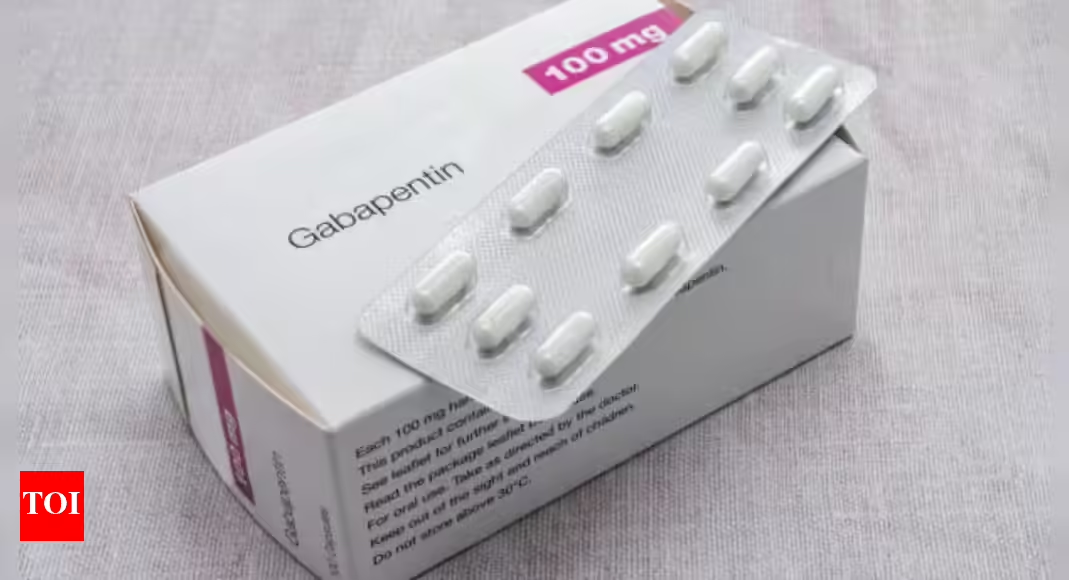
Gabapentin, a widely prescribed medication originally for seizures and nerve pain, has seen a significant rise in use, often prescribed off-label, raising concerns about its safety profile, including side effects, serious allergic reactions, breathing issues, and potential for misuse and mental health impacts. Patients and doctors should be aware of these hidden dangers and monitor for adverse symptoms.
Parents are increasingly turning to controversial ketamine therapy for their teens with severe mental health issues, despite limited research and potential risks, as a last resort after traditional treatments fail.
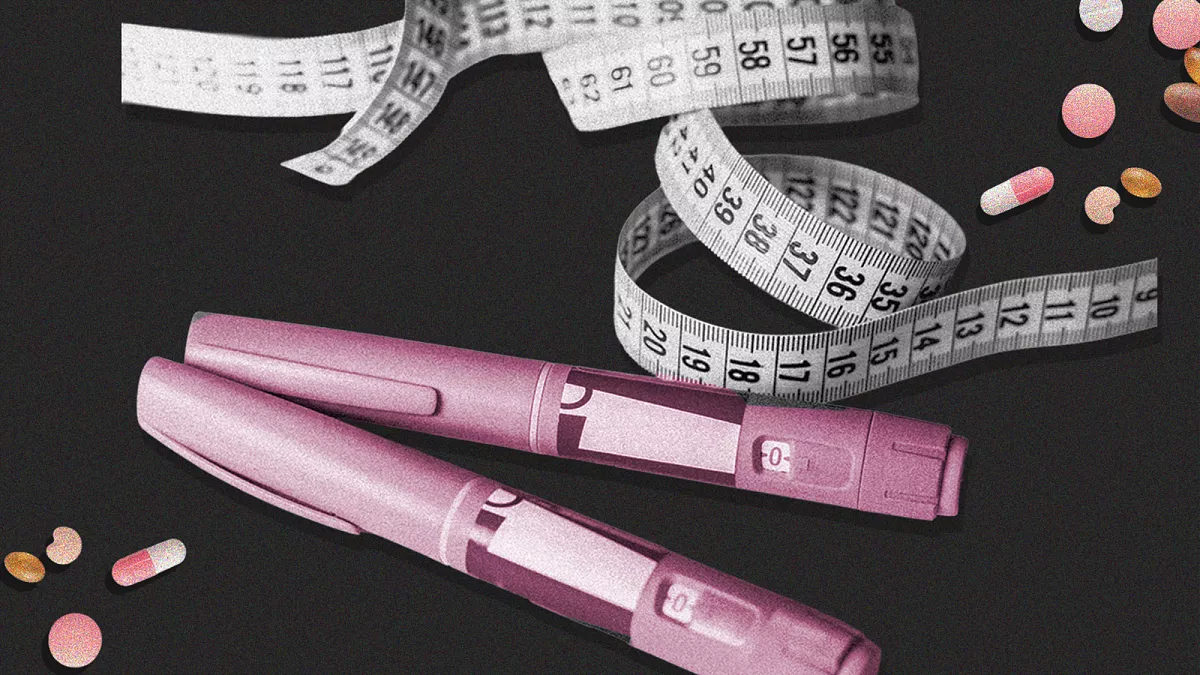
GLP-1 drugs, initially approved for obesity and diabetes, show potential for treating a wide range of health conditions, but their high costs, limited FDA approval for uses beyond current indications, and significant side effects raise concerns. Ongoing research and development aim to expand their applications, possibly in pill form, but more safety data and regulatory approval are needed before they can be widely used for other health issues.
Some doctors suggest that nicotine patches, traditionally used for smoking cessation, may be a safe and effective off-label treatment to improve focus and cognitive function, especially for conditions like brain fog, ADHD, and age-related memory issues, though protocols are not yet FDA-approved.
In New Jersey, ketamine, a drug traditionally used as an anesthetic and party drug, is legally prescribed for treatment-resistant depression and other psychiatric conditions, with clinics offering innovative, spa-like treatment sessions that many patients find life-changing, despite concerns over safety and addiction risks.
The off-label use of GLP-1 drugs like Ozempic and Mounjaro for weight loss is rapidly expanding across Europe, driven by social media hype, private demand, and regulatory gaps, leading to a booming black market and raising public health concerns, with countries experiencing significant increases in spending and usage despite limited reimbursement and strict regulations.
An Australian woman, Trish Webster, died after taking Ozempic, an anti-diabetic drug known for inducing weight loss, in an attempt to slim down for her daughter's wedding. Despite not having diabetes, Trish obtained a prescription for the drug after learning about its weight loss side effects. She experienced severe nausea, vomiting, and diarrhea while taking the drug and eventually died from acute gastrointestinal illness. Ozempic, approved for type 2 diabetes treatment, is increasingly being prescribed off-label for weight loss. The manufacturer, Novo Nordisk, emphasizes that the drug is not indicated for chronic weight management and patient safety is a top priority. Celebrities like Sharon Osbourne and Amy Schumer have openly discussed their use of Ozempic for weight loss, while others like Sophie Turner and Chelsea Handler have criticized the drug's advertisements.
Ketamine, a decades-old surgical drug, is experiencing a surge in prescriptions as a treatment for pain, depression, anxiety, and other conditions. The increase in its use is driven by for-profit clinics and telehealth services, despite limited research on its effectiveness and significant safety and abuse risks. Some experts fear that the U.S. may be repeating the mistakes that led to the opioid crisis by overprescribing a drug with questionable benefits. Ketamine's psychedelic effects and potential for side effects, such as hallucinations and visual disturbances, raise concerns. The booming industry lacks regulation, and compounded versions of ketamine are being used without FDA approval. While there is evidence for ketamine's use in depression, its effectiveness for pain treatment is uncertain.
Ketamine, a decades-old surgical drug now used as a psychedelic therapy, is increasingly being prescribed for hard-to-treat pain, depression, anxiety, and other conditions. However, there is limited research on its effectiveness against pain, and experts are concerned about the potential for overprescribing a drug with significant safety and abuse risks. Patients receiving ketamine have reported side effects such as hallucinations and visual disturbances, and it has not been shown to reduce opioid prescribing. The booming ketamine industry, fueled by venture capital investors, for-profit clinics, and telehealth services, operates in a regulatory "wild west" with little oversight.
Ketamine, a decades-old surgical drug known for its psychedelic effects, is increasingly being prescribed as a treatment for hard-to-treat pain, depression, anxiety, and other conditions. However, there is limited research on its effectiveness against pain, and some experts are concerned about the potential for overprescribing a drug with significant safety and abuse risks. Patients receiving ketamine have reported side effects such as hallucinations and visual disturbances, and it has not been shown to reduce opioid prescribing rates. The booming ketamine industry, driven by for-profit clinics and telehealth services, has led to shortages of manufactured ketamine and a rise in compounded versions. While there is more evidence for ketamine's use in depression, its use for pain is not well-supported by scientific literature. The current regulatory landscape is described as a "wild west," with little oversight over prescribing practices and compounded versions of ketamine.
Ketamine, a decades-old surgical drug known for its psychedelic effects, is increasingly being prescribed as a treatment for hard-to-treat pain, depression, anxiety, and other conditions. However, there is limited research on its effectiveness against pain, and experts are concerned about the potential for overprescribing a drug with significant safety and abuse risks. Patients receiving ketamine have reported side effects such as hallucinations and visual disturbances, and it has not been shown to reduce opioid prescribing rates. The booming ketamine industry, driven by for-profit clinics and telehealth services, operates in a regulatory gray area, with compounded versions of the drug being sold without FDA approval. Despite warnings from the FDA, the agency has limited leverage over physicians promoting ketamine, and it is unlikely that regulators will take further action in the near future.
A new group of weight loss drugs, such as Ozempic and Wegovy, have gained popularity for their effectiveness in promoting weight loss. While initially approved for type 2 diabetes, these drugs have shown significant weight loss results, up to 15%, in clinical trials. However, there are concerns about their safety and potential side effects, including gastrointestinal issues and rare cases of stomach paralysis. Off-label use for weight loss has led to supply issues, and regulators are investigating potential links to suicidal thoughts. Despite these concerns, the drugs have shown promise in treating obesity and may have broader applications, including addiction treatment.
Novo Nordisk, the pharmaceutical company behind weight loss injections Ozempic and Wegovy, is raising concerns about the off-label use of these drugs for cosmetic or aesthetic weight loss. The medications, FDA-approved for improving blood sugar levels and reducing cardiovascular risk, have gained popularity due to social and mainstream media trends. Novo Nordisk warns against unauthorized versions of the drug being sold on the market and telehealth providers unlawfully promoting the products for purely cosmetic purposes. Prescribing these medications without medical necessity can lead to health complications and insurance does not cover them for aesthetic purposes. Experts emphasize the importance of informed consent, education, and responsible medication use for safe and healthy weight management.
The diabetes drug Ozempic is being used off-label for weight loss, but a diabetes researcher warns that anyone who takes it for weight loss would need to continue it for life or risk regaining the weight. While there are side effects, the drug has been found to have almost no consequences for people with Type 2 diabetes over a five- to seven-year period. Health Canada emphasizes that Ozempic’s use for weight loss is “not an approved indication.”
Users of popular injectable weight loss drugs like Ozempic, Mounjaro, and Wegovy have reported experiencing minor side effects such as nausea and gastrointestinal issues. The drugs work by slowing down food movement through the stomach and curbing appetite, causing weight loss. Doctors prescribe Ozempic and Mounjaro off-label for weight loss, while Wegovy is specifically approved for weight loss. The primary side effect of the medications is nausea, and they cannot be given to patients with certain medical conditions. The main impact of the medications is the quieting of the "food noise" in users' heads.