Tag

Adherence

All articles tagged with #adherence

health1 year ago

Jamaica's Human Rights Approach to Ending AIDS

Jamaica AIDS Support for Life (JASL) is advocating for the introduction of injectable HIV treatments to improve medication adherence among vulnerable communities. Currently, the Ministry of Health provides free daily antiretroviral pills, but adherence is challenging due to various barriers. Injectable treatments, already used in the U.S., could offer an alternative, though they are more costly. Jamaica's National Strategic Policy aims for significant HIV treatment goals by 2025, but the country is not yet on track. JASL emphasizes the importance of addressing adherence barriers and offers support programs.

health2 years ago

Wegovy outperforms older weight-loss drugs in adherence rates

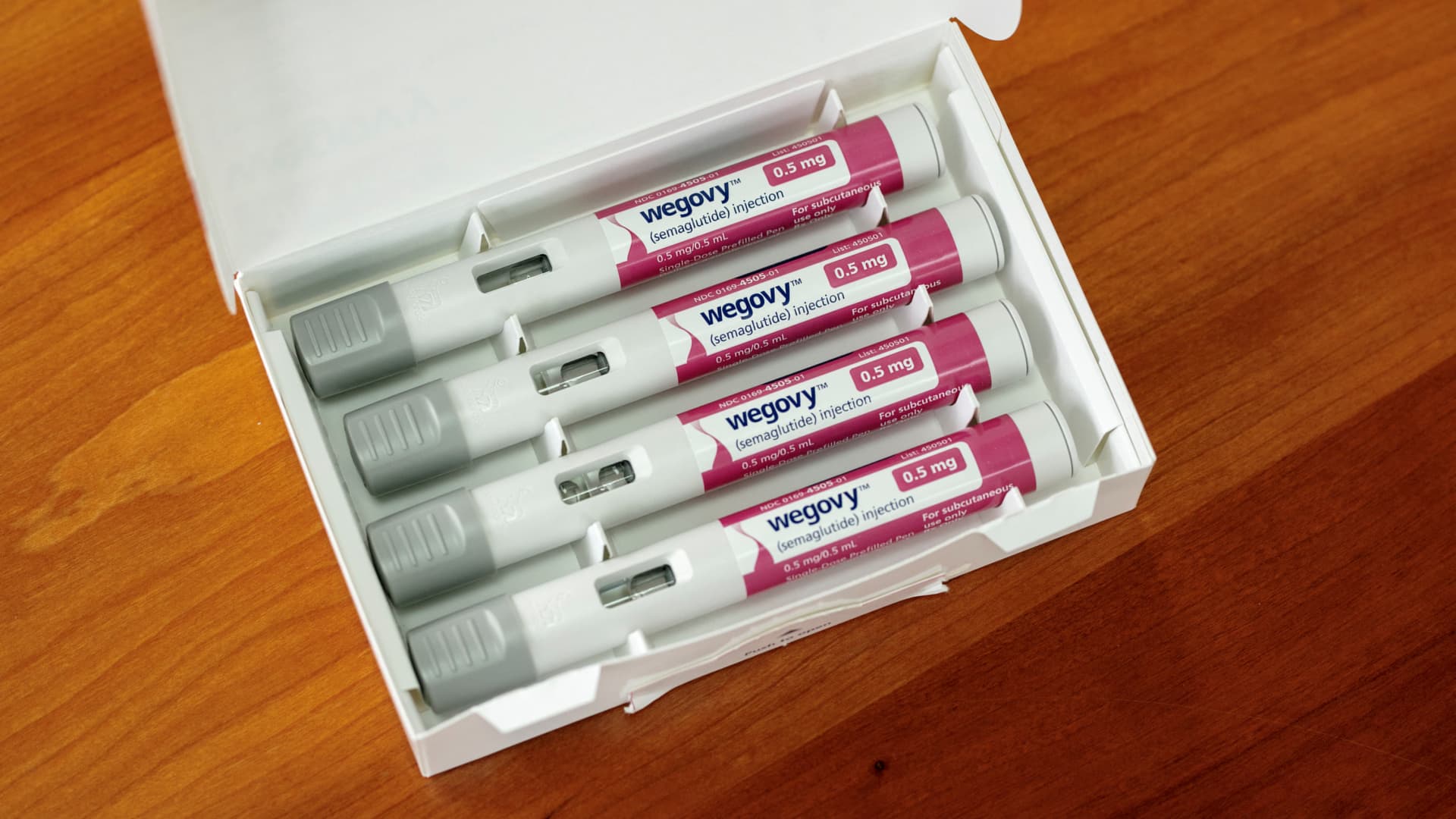
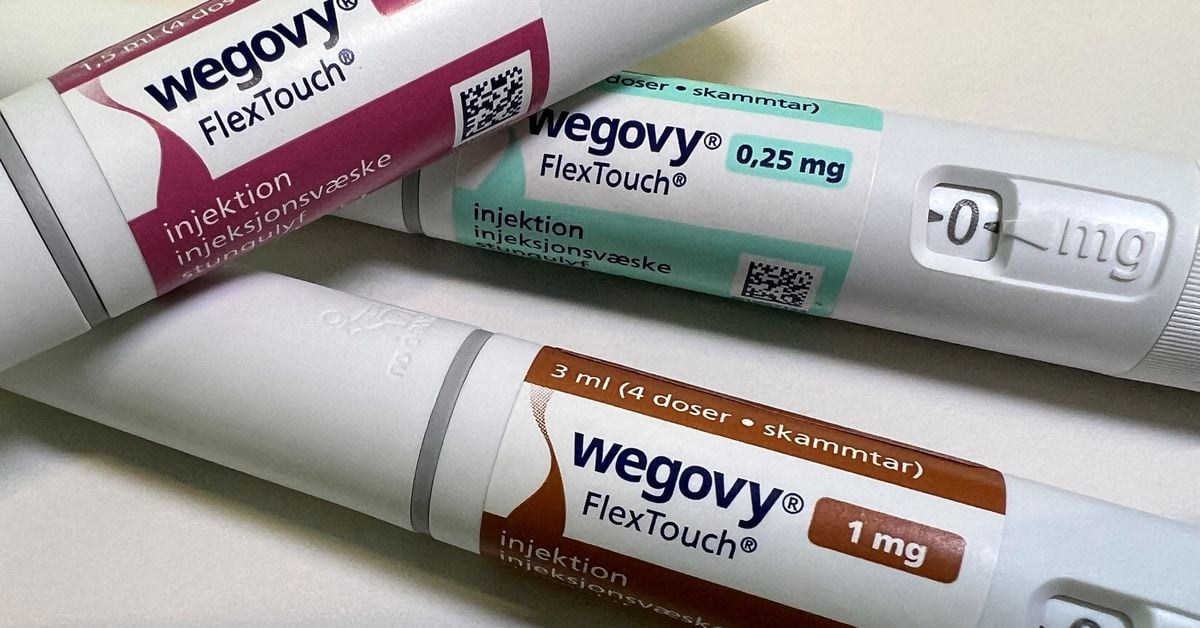
A study analyzing medical records and insurance claims data found that 40% of patients who were prescribed Novo Nordisk's weight-loss drug Wegovy for obesity were still taking it a year later, compared to only 13% and 10% adherence rates for older drugs Contrave and Qsymia, respectively. Wegovy belongs to a new class of anti-obesity medications known as GLP-1 agonists, which also treat type 2 diabetes. The study highlighted that greater weight loss at six months was associated with higher persistence at one year. Adherence rates varied among different insurance carriers, suggesting that coverage limitations and pre-certification criteria may contribute to non-persistence. The high cost of novel anti-obesity medications and non-persistence are becoming concerns that could impact coverage decisions by third-party payers.

health2 years ago

Reducing Cancer Risk: Lifestyle Choices and Adherence

A study using data from the UK Biobank found that greater adherence to the World Cancer Research Fund (WCRF)/American Institute for Cancer Research (AICR) Cancer Prevention Recommendations was associated with a reduced risk of all cancers combined and specific cancers, including breast, colorectal, kidney, oesophageal, ovarian, liver, and gallbladder cancers. The study used a standardized scoring system to assess adherence to lifestyle-based recommendations and found that each 1-point increment in adherence score was associated with a 7% lower risk of all cancers combined. These findings support the importance of following cancer prevention recommendations for reducing cancer risk.

health2 years ago

Low Long-Term Adherence to Wegovy Leads to Soaring Health Costs

Only around one-third of patients prescribed weight loss drugs like Wegovy continue taking them after a year, according to an analysis by Prime Therapeutics. However, the total healthcare costs for the entire group increased by nearly 60% on average after starting treatment. Patients who didn't take weight loss drugs saw their healthcare costs decrease by 4% on average during the same period. The analysis highlights the high cost of weight loss medicines, which can exceed $1,200 per month, potentially burdening insured patients. Adherence to treatment with weight loss drugs is poor beyond the one-year mark, and reasons for discontinuation vary, including shortages and side effects. Pharmaceutical companies have increasingly focused on the weight loss industry, but experts caution against perpetuating a dangerous diet culture.

health2 years ago

Majority of Patients Quit Weight-Loss Drugs Within a Year, Reveals Exclusive Data

An analysis of U.S. pharmacy claims reveals that only about one-third of patients prescribed weight-loss drugs like Novo Nordisk's Wegovy were still taking them a year later, while total healthcare costs for the group increased significantly. The study found that the annual cost of care for patients prior to taking the medication was $12,371 on average, which rose by 59% to $19,657 after starting the drug. The analysis highlights the need for better targeting of obesity treatments and improved insurance coverage to ensure access and affordability.

health2 years ago

"Data Reveals High Discontinuation Rate of Weight-Loss Drugs Within a Year"

Only about one-third of patients prescribed weight-loss drugs like Novo Nordisk's Wegovy were still taking them a year later, according to an analysis of U.S. pharmacy claims. The study found that total healthcare costs for the group rose sharply, with the annual cost of care increasing by 59% on average after starting the medication. The analysis highlights the need for better targeting of these drugs to patients who are likely to benefit from them, as the high costs may not lead to long-term health improvements.

health2 years ago

The Potential of Ozempic: From Weight Loss to Addiction Treatment

The demand for weight loss drugs like semaglutide (Ozempic or Wegovy) is high, with studies showing significant weight loss results. However, real-world data suggests that a significant number of people stop taking these drugs after relatively short periods. Reasons for discontinuation include side effects, high costs, and disappointment with results. The short-term benefits of weight loss drugs are still being studied, but there is evidence that dietary interventions can have lasting benefits. As these drugs improve and become more convenient, adherence rates may increase. Future research will determine if weight loss drugs lead to long-term health improvements.

health2 years ago

Weekly Insulin Beats Daily Injections for Type 2 Diabetes

A Phase 3 trial comparing the efficacy of once-weekly insulin treatment (icodec) with once-daily injections (degludec) for type 2 diabetes found that the once-weekly treatment was more effective in lowering blood sugar levels. The study, published in JAMA, showed that icodec resulted in greater reductions in hemoglobin A1c (HBA1c) levels after 26 weeks compared to degludec. Adherence to insulin therapy is crucial for managing diabetes, and weekly injections may improve adherence rates. However, further studies are needed to confirm the results and assess the risk of hypoglycemia associated with once-weekly insulin.

health2 years ago

"Study reveals diets that lower risk of chronic diseases and diabetes"

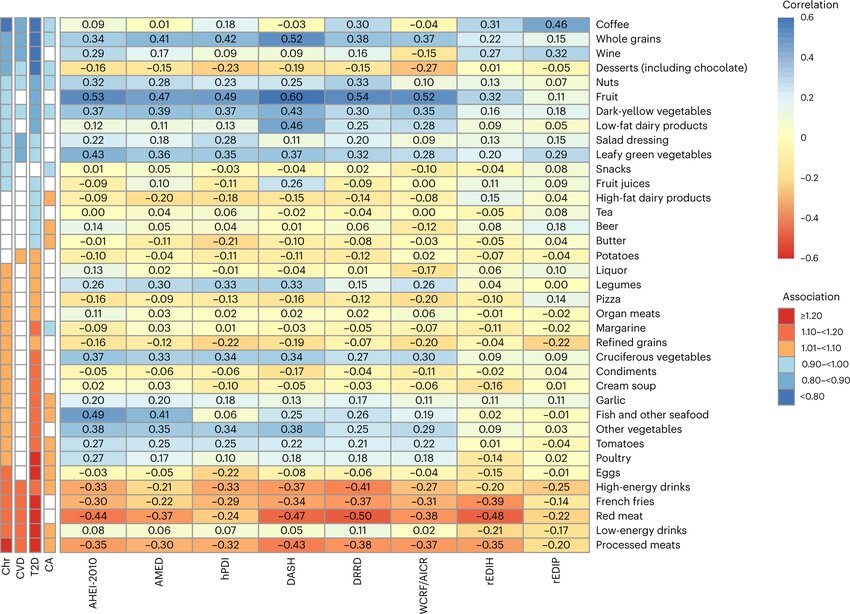
A 32-year study by Harvard T.H. Chan School of Public Health found that adhering to recommended diets, such as the Alternative Healthy Eating Index-2010, Alternate Mediterranean Diet, and Dietary Approaches to Stop Hypertension, is linked to lower risk of developing chronic diseases. The study analyzed data from over 200,000 participants and found that individuals who adhered to guidelines designed to lower the risk of inflammation, high blood insulin levels, or diabetes were less likely to develop type 2 diabetes, heart disease, and cancer. Certain food groups, such as processed meats, energy drinks, red meat, french fries, and eggs, were linked to worse health outcomes, while larger amounts of coffee, whole grains, wine, and desserts had lower risk of associated chronic diseases.