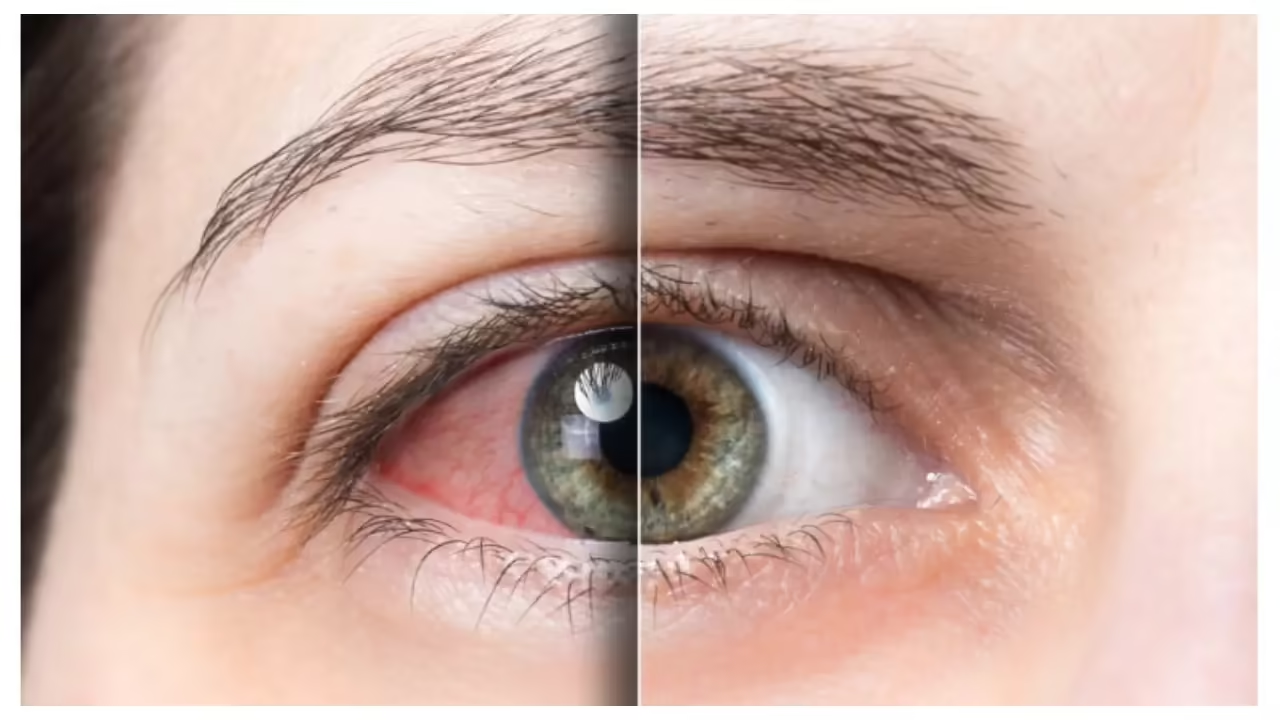
Diabetes can cause serious eye problems including diabetic retinopathy, macular edema, cataracts, glaucoma, and retinal detachment, which can lead to permanent vision loss if untreated. Managing blood sugar levels and regular eye exams are crucial for prevention and early detection.
Research shows that air pollution can harm eyes, leading to vision disorders such as cataracts and glaucoma. Even lower doses of air pollution can have negative effects on eye health, with fine particles from pollution significantly increasing the risk of these diseases. Studies have found that exposure to PM2.5 pollution may lead to accelerated thinning of nerves related to glaucoma, and high levels of pollution have been linked to a higher risk of needing cataract surgery. Pollution-sapping greenery in neighborhoods has been associated with a lower risk of myopia among children, and experts suggest wearing sunglasses, using eyedrops, and eating an antioxidant-rich diet to counteract the damaging effects of air pollution on the eyes. The best way to protect vision from dirty air is to stop burning fossil fuels.
Cataracts and glaucoma are common eye problems that become more prevalent with age, but they differ in their causes and symptoms. Cataracts, a natural part of aging, cause cloudy vision and trouble seeing at night, while glaucoma, a less common eye disease, can lead to a loss of peripheral vision and potential blindness. Risk factors for cataracts include age, sun exposure, smoking, and high blood sugar, while glaucoma risk factors include high eye pressure, uncontrolled high blood sugar, and high blood pressure. Annual eye exams, wearing sunglasses, eating a diet rich in fruits and vegetables, staying physically active, and managing stress are recommended to maintain good eye health and catch any issues early. If experiencing vision changes or eye pain, it's important to seek medical attention from an eye doctor.
Doctors recommend several simple strategies to reduce the risk of cataracts and slow their progression. Wearing sunglasses and a hat when outdoors can protect the eyes from damaging UV rays. Consuming foods rich in vitamin C, such as bell peppers, can help fight oxidative damage in the eyes and reduce the risk of cataracts by up to 50%. Eating a daily salad and engaging in regular exercise, like walking, can also lower the risk. Taking a daily multivitamin and mineral supplement may reduce the risk of cataracts by up to 66%. Chewing gum can help lower stress levels and prevent oxidative stress that can damage the eye lenses. If experiencing vision problems, it is important to consult a doctor for proper diagnosis and treatment.
Cataract surgery, which involves replacing the opaque lens with an intraocular lens (IOL), is currently the most performed surgery worldwide. Different types of IOLs, such as mono-focal, multifocal, and toric lenses, are available to meet specific visual needs. Complications like posterior capsule opacification may occur, requiring additional treatment. While there are currently no permanent nonsurgical options for cataracts, promising research is being conducted on eye drops containing lanosterol and gene therapy as potential alternatives to surgery. These advancements offer hope for improving cataract treatment and preserving visual function for millions of people globally.
As we age, our bodies change both internally and externally, which is a major factor behind the sleep changes that come later in life. The brain becomes less responsive as we age, and the nerves that are supposed to give the brain time cues have undergone the same amount of degeneration as the brain. The vision changes that come with age reduce the intensity of the degree of light stimulation that our brain receives, which plays an important role in ‘setting’ our circadian clock and keeping it on track. People with cataracts tend to get tired before their children or grandchildren and wake up fully rested and earlier than the rest of the world. To help yourself stay up a little later (and sleep a little later as a result), you should try exposing yourself to bright light in the late evening.
Older people tend to wake up earlier due to changes in their circadian rhythm caused by aging. The brain becomes less responsive to time cues, including light, meals, and physical activity, which help mark where we are in a day. Vision changes that come with age reduce the intensity of light stimulation that our brain receives, which plays an important role in setting our circadian clock and keeping it on track. Exposure to bright light in the late evening can help hold melatonin production and push back sleep time. Cataract removal surgery can also help improve sleep quality and duration.
Older people tend to wake up earlier due to changes in their circadian rhythm caused by aging. The brain becomes less responsive to time cues, including light, meals, and physical activity. Vision changes, such as cataracts, can also impact the body's release of melatonin, causing earlier tiredness and wake times. To improve sleep, experts recommend exposing oneself to bright light in the late evening, avoiding alcohol before bed, and exercising regularly.
Older people tend to wake up earlier due to changes in their circadian rhythm caused by the aging brain and decreased light stimulation due to vision changes like cataracts. To improve sleep quality, experts suggest exposing oneself to bright light in the late evening, avoiding alcohol before bed, and exercising regularly.
Optometrist Dr. James Dello Russo outlines the three most common types of cataracts, their causes, and prevention strategies. Nuclear sclerotic cataracts are the most common and affect those over 60, while cortical cataracts are associated with aging and poorly managed diabetes. Posterior subcapsular cataracts require immediate surgical intervention. Prevention strategies include wearing protective eyewear, quitting smoking, reducing alcohol consumption, maintaining a healthy diet, and seeing an eye doctor yearly.
Cataracts are a common condition affecting the lens of the eye, causing cloudiness, blurriness, and other visual disturbances. They are primarily caused by aging, but certain health conditions and lifestyle factors can increase your risk. Treatment options range from non-surgical approaches like glasses or contact lenses to surgery. Regular check-ups and timely care are critical in managing cataracts, which can lead to blindness if left untreated.
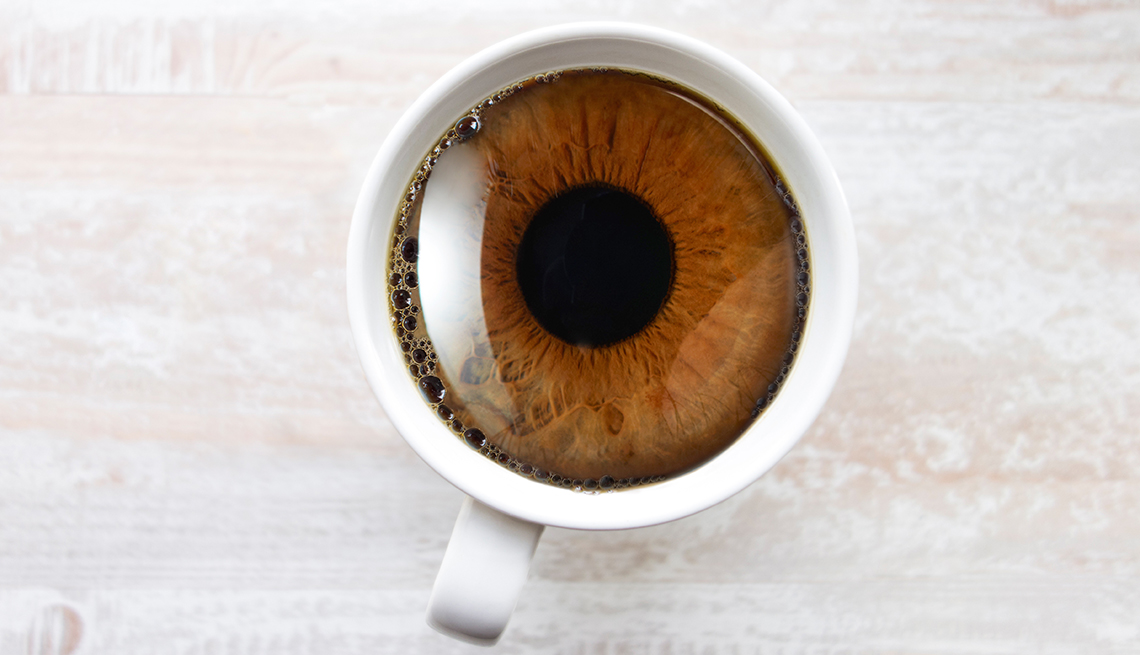
Moderate amounts of caffeine do not appear to increase the risk of eye disease for most people, but your actual risk depends on a variety of factors including how much caffeine you drink, if you already suffer from an eye problem or if you are predisposed to one. Caffeine may help with dry eye and cataracts, but may increase the risk of glaucoma for those who have a family history of the disease. Too much caffeine can worsen eyelid twitching, but reducing caffeine consumption and stress can help. Everything in moderation is key for eye health.