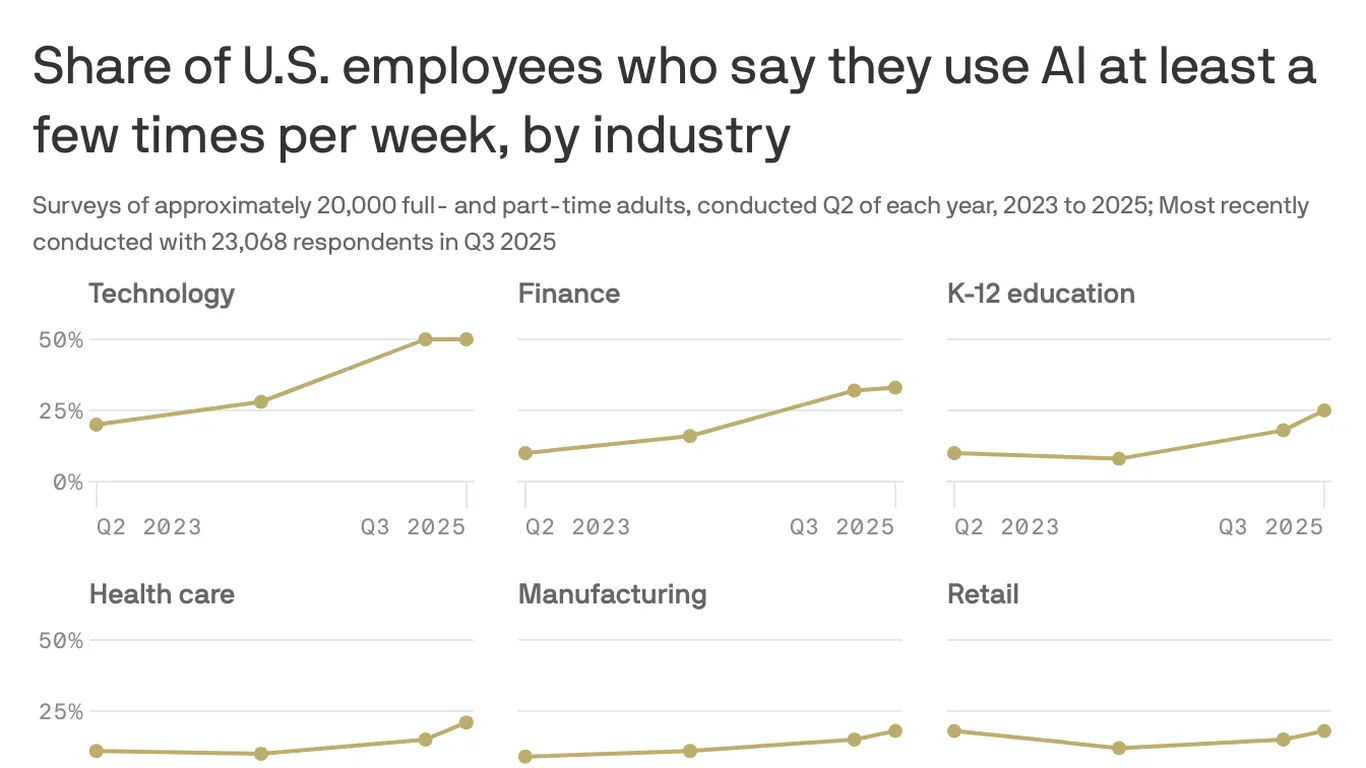
AI usage in the workplace is rapidly increasing, especially among knowledge workers in tech, finance, and professional services, with 45% using AI at least a few times a year and 23% weekly, though daily use remains low at 10%. Chatbots like ChatGPT are the most common AI tools, and higher company positions tend to use AI more, signaling a significant shift in how professionals work, similar to the internet's early days.
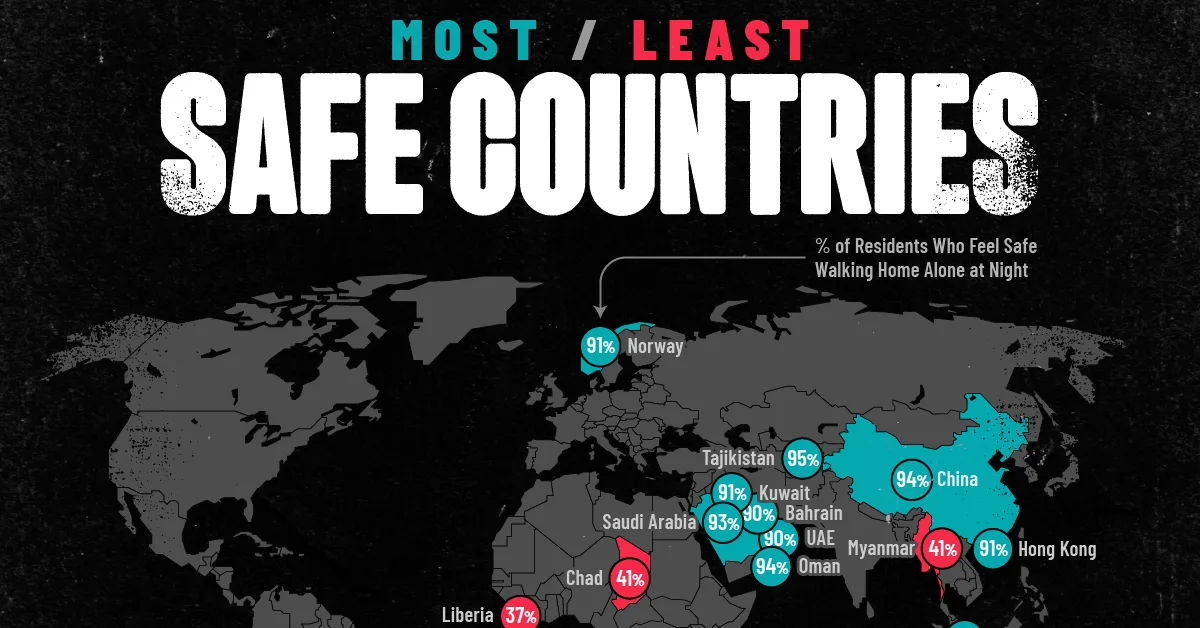
Singapore is ranked as the safest country in the world with 98% of its population feeling safe walking alone at night, while South Africa is the least safe. Despite global conflicts, 73% of people worldwide feel safe, the highest in nearly two decades, based on Gallup's 2025 report. Asian and Middle Eastern countries generally rank high in safety perceptions, whereas Latin American countries like Chile and Ecuador rank lower.
Americans are drinking less alcohol than ever before, with only 54% now reporting they drink, the lowest since 1939, driven by health concerns and changing social attitudes, leading to record lows in drinking frequency.
A Gallup survey found that 33% of women are experiencing burnout, compared to 25% of men, leading them to seek "lazy girl jobs" that prioritize work-life balance and stability. The trend, popularized on TikTok, encourages women to prioritize personal wellbeing and autonomy in their work. The survey also revealed that women prioritize work-life balance, stability, and utilizing their strengths in their next job, while men prioritize income and benefits. The trend reflects the need for women to set boundaries and find jobs that align with their goals and provide much-needed work-life balance.
A recent Gallup survey reveals that while overall workplace engagement has increased, remote workers' connection to their organization's mission and purpose has continued to decline. Only 28% of remote workers feel connected to their company's mission, a record low since 2020. Similar trends were observed for hybrid workers. However, the percentage of engaged employees has risen to 34% in mid-year 2023, and the number of disengaged employees has decreased. The survey suggests that regular meaningful conversations and emphasizing team collaboration and customer value can help address the erosion of workplace connection for remote workers.
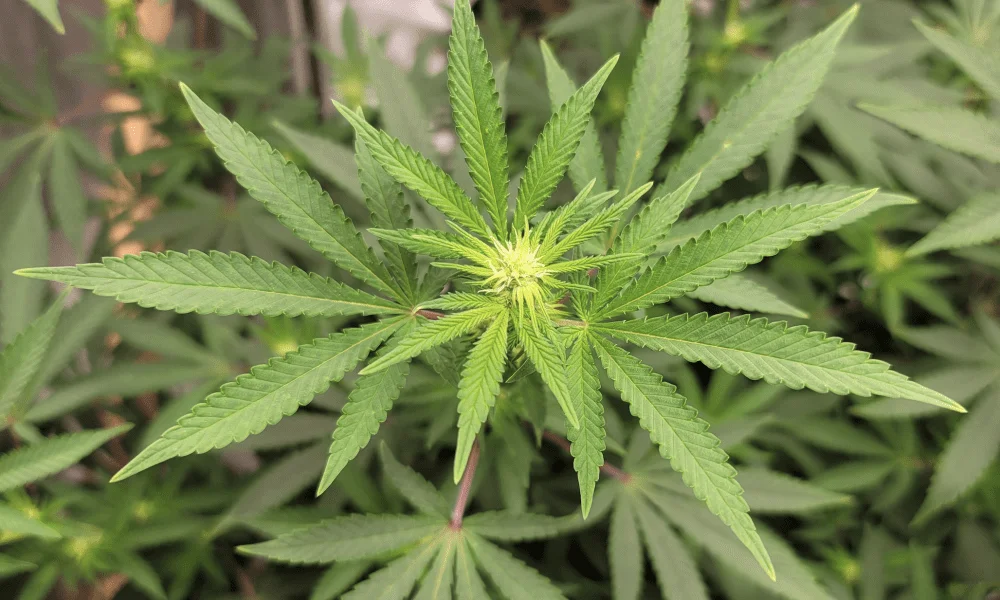
Republican support for marijuana legalization has reached a record high, with 55% of Republicans backing the reform, according to a Gallup survey. However, a partisan gap persists as Democrats have been quicker to embrace the issue, with 83% supporting legalization. The 28 percentage point difference in Republican and Democratic opinion on marijuana reform represents a larger divide than two decades ago. While there is still a partisan gap, marijuana legalization sees a smaller divide compared to other hot-button issues. Activists are working to put legalization on the ballot in swing states as the 2024 election approaches.
Americans' confidence in their ability to retire comfortably has hit an 11-year low, with just 43% of non-retired adults believing they will have enough money to live comfortably in retirement, according to a Gallup survey. The figure is down by five percentage points over the past year and ten percentage points since 2021. The survey also found that a record-low 19% of lower-income adults expect to live comfortably in retirement, while 88% express worry about having enough money to retire. The high cost of living and concerns about the safety of money in bank accounts and the risk of a recession are cited as reasons for the pessimism.
A new Gallup survey has found that depression is more widespread than ever in the United States, with over 18% of adults reporting depression or receiving treatment for it. Nearly 3 in 10 adults have been clinically diagnosed with depression at some point in their lifetime, which is also a record high. The Covid-19 pandemic has taken an undeniable toll on mental health, with rates of clinical depression rising notably in recent years. However, awareness around mental health has grown, which could lead to higher rates of diagnoses and seeking help for treatment.
A Gallup survey has found that nearly half of the 1,013 adults polled said they were "very worried" (19%) or "moderately worried" (29%) about the safety of the money they had tucked away in a bank or other financial institution. The level of concern expressed in the poll is similar to the findings that Gallup found shortly after the collapse of Lehman Brothers in September, 2008. The Federal Deposit Insurance Corp. backs deposits up to $250,000 per depositor. Those who identify as Republican or independent as well as those with middle- and lower-incomes were more likely to be concerned about their money.