
work-life-balance3.225 min read
"Survey: Many Americans Willing to Take Pay Cut for Improved Work-Life Balance"
2 years ago•Source: Fox Business

The latest work life balance stories, summarized by AI

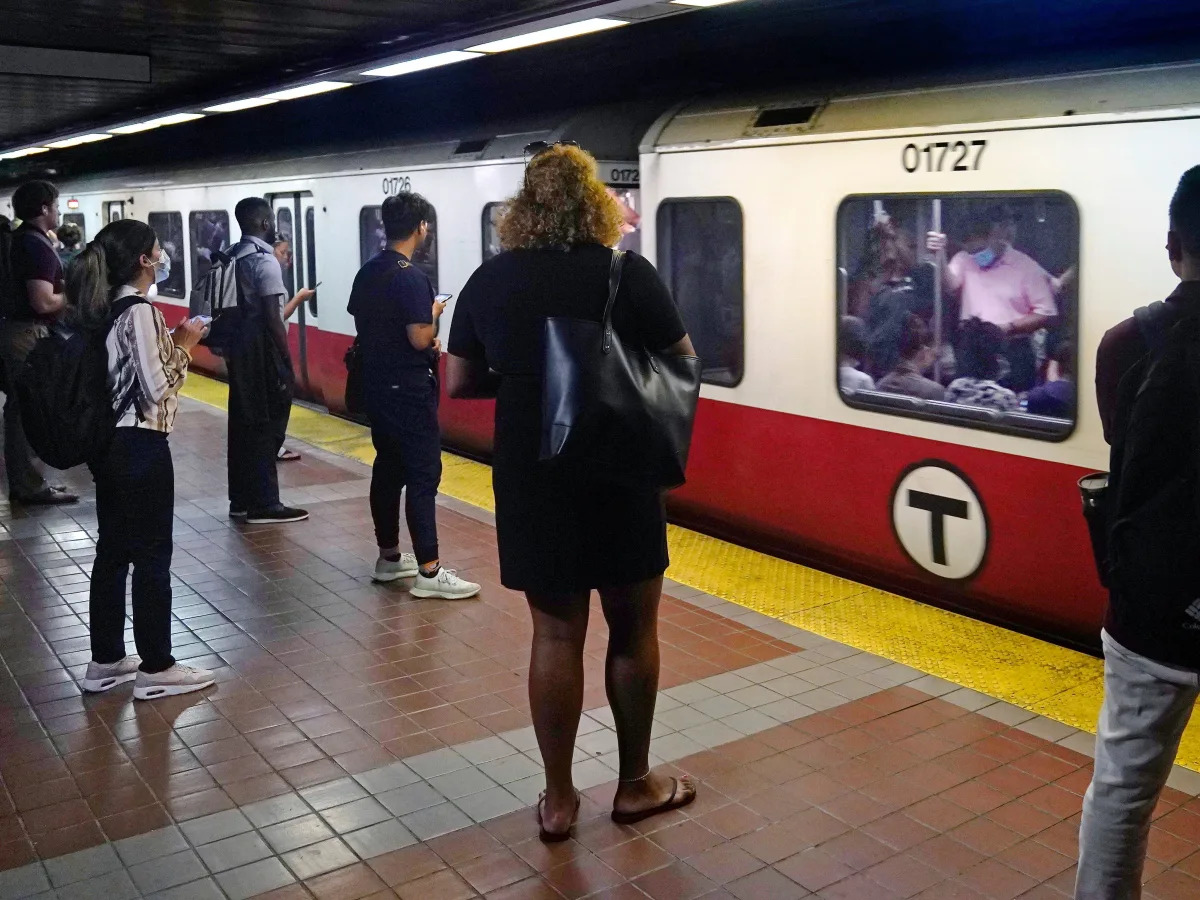
A 25-year-old Londoner working in advertising enjoys a healthy work-life balance with her employer, which offers 28 paid vacation days per year, mental health days, birthdays off, and a break around the winter holidays. The company completely shuts down from December 22 to January 3, and the employee is taking an additional week off. She prioritizes her mental health and believes that work should not be sacrificed for personal well-being. Her company promotes a healthy relationship with work and encourages employees to fully unplug during their time off. The employee prepares for her time off by creating handover materials and dividing tasks among colleagues. She acknowledges her fortunate situation and recognizes that not all companies have the same culture.
Yahoo News•2 years ago

Zillennials, including Gen Z and millennials, are redefining work-life balance by openly demanding flexibility in their work lives. They prioritize their personal lives and hobbies, resisting the "grindset" mentality of prioritizing work at all costs. Older generations, such as boomers and Gen Xers, also value work-life balance but define it in terms of blocks of hours. Despite generational differences, a poll shows that employees across all age groups share similar work values. Economic pressures still play a role, with many workers prioritizing salary and financial security. Companies are expected to adapt to the changing ideals of the workforce, focusing on flexibility and security rather than perks like ping pong tables.
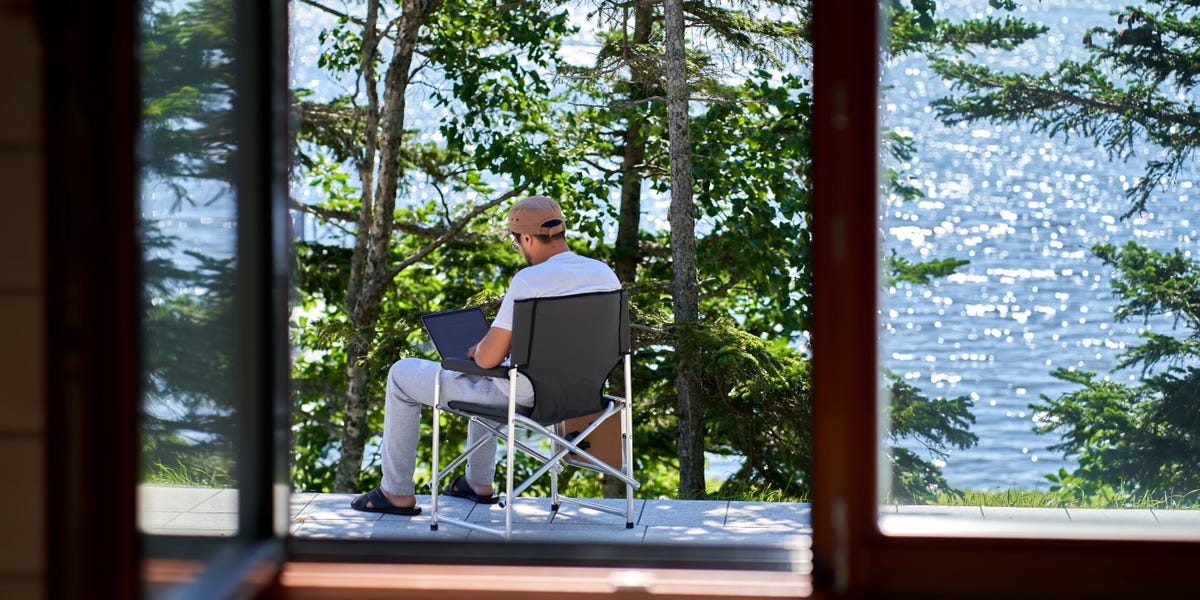
An elder millennial, known as Jay, took a $35,000 pay cut to live where he wanted after his remote job required him to live within two hours of the office. Despite being productive while working remotely, Jay had to choose between quitting or transferring to a lower-paying job within the same agency. He eventually left the agency altogether for a new job, but still works remotely and commutes two hours once a week. Jay believes employers should recognize that talent is not limited to a specific office radius and that remote work can be successfully done from anywhere.

A Morning Consult survey reveals that 66% of American workers believe companies should adopt extended vacation policies, such as a month off in August, similar to those in Europe. While the average American receives only 11 vacation days per year, workers in the European Union are guaranteed at least 20 working days of paid vacation. However, 21% of Americans oppose longer vacation policies. Additionally, many Americans also desire extended lunch breaks, shorter workweeks, and slower employee response times outside of work hours, similar to European labor laws.

A 25-year-old social media worker in London enjoys a generous vacation policy, with 28 paid vacation days per year, mental health days, birthdays off, a day off for every year worked, and a two-week break during the winter holidays. She emphasizes the importance of work-life balance and mental health, stating that there is nothing so urgent that cannot be handled by someone else when she is off. Her company encourages employees to take time off and coordinate holidays to avoid overwhelming workloads. While some young workers in the US struggle with vacation guilt and affordability, she finds ways to make travel more affordable, such as working remotely in cheaper destinations. She believes that shorter breaks and exposure to different cultures are vital for personal growth and broadening the mind.

Gen Z workers feel guilty when they don't work on vacation, with 35% experiencing this guilt compared to the 29% U.S. average across age ranges. This guilt may stem from their desire to impress their boss and colleagues and ensure they are pulling their weight. Financial concerns and the need to multitask also contribute to their reluctance to completely unplug. However, taking breaks from work has significant physical and mental health benefits and can lead to fresh ideas and improved performance. Planning ahead and having open communication with managers can help alleviate vacation guilt, as well as recognizing that work will continue even when they are not present.
Employees who have become accustomed to flexible work schedules during the pandemic are resisting attempts by management to return to a pre-pandemic 9 to 5 grind. These "dead zone" workers are breaking up their workday to accommodate personal responsibilities and achieve a better work-life balance. While this approach offers benefits such as increased flexibility and time for personal tasks, it also carries the risk of overworking and burnout. Dead zone workers emphasize the importance of transparency, prioritization, and setting realistic expectations to manage their time effectively. They argue that productivity should be measured by the quality of work delivered, rather than the number of hours worked.

Employees who have become accustomed to flexible work schedules during the pandemic are resisting attempts by management to return to a traditional 9-to-5 grind. These "dead zone" workers, who prioritize personal responsibilities such as childcare or global coordination, are breaking up their workday to better accommodate their schedules. While this approach offers benefits like better work-life balance, it also carries the risk of overworking and burnout. Dead zone workers emphasize the importance of transparency, prioritization, and realistic expectations in managing their time effectively. They argue that productivity should be measured by the quality of work delivered, not the number of hours worked.
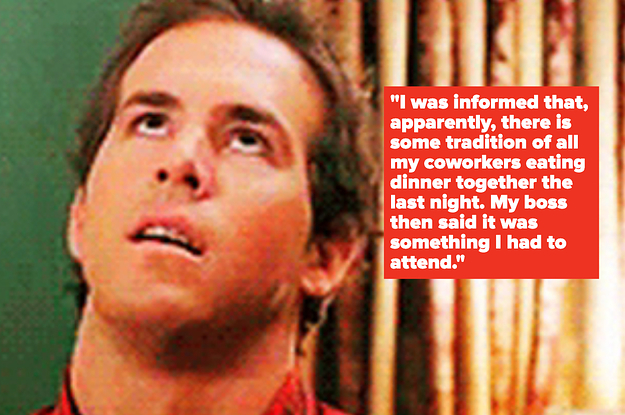
A Reddit user, u/Misanthropic_Lemon, faced backlash from coworkers after declining to attend a work conference dinner on the final night in order to spend time with his wife. Despite already spending long hours with coworkers during the conference, his boss and coworkers insisted on the tradition of dining together. Some users defended his decision, citing discomfort in socializing with coworkers, while others emphasized the potential career consequences of not attending such events. Ultimately, u/Misanthropic_Lemon reluctantly attended the dinner, apologizing to his wife.

The era of hybrid and remote work has ushered in a new "workday dead zone" between 4 and 6 p.m., where productivity tends to dip. Some individuals use this time to complete personal tasks and make up for it later. Microsoft researchers have observed a "triple peak day" in workers' productivity, with peaks before lunch, after lunch, and to a lesser extent, in the evening. This shift in productivity times may pose challenges for employers who want employees back in the office, but it offers flexibility and work-life balance for workers.

Checking work emails on vacation is almost always a bad move, leading to unintentionally spending hours and hours of time. However, 84% of white-collar workers do it, and more than 70% are triaging messages from three or more platforms. Work-life balance consultant Joe Robinson launched an "Email Intervention Campaign" to deal with issues like "vacation email panic." Robinson advises companies to create defined email policies, ideally ones which give workers permission not to check email on vacation. Mercedes-Benz Group lets employees auto-delete incoming email messages while they're on vacation.