Canada's government has passed Bill C-12, a controversial immigration law that tightens border security and limits refugee claims, drawing criticism for potentially increasing xenophobia and undermining refugee protections, with concerns about its alignment with international obligations and its impact on vulnerable populations.
A federal judge in Washington, D.C. struck down President Trump's order that suspended asylum access at the southern border, ruling that neither the constitution nor federal law permit the president to deny entry to asylum seekers, and the decision will take effect in two weeks with an expected appeal.
A federal judge in D.C. blocked the Trump administration from expelling asylum seekers, invalidating a proclamation that used emergency powers to deport migrants without allowing asylum applications, citing violations of federal law.
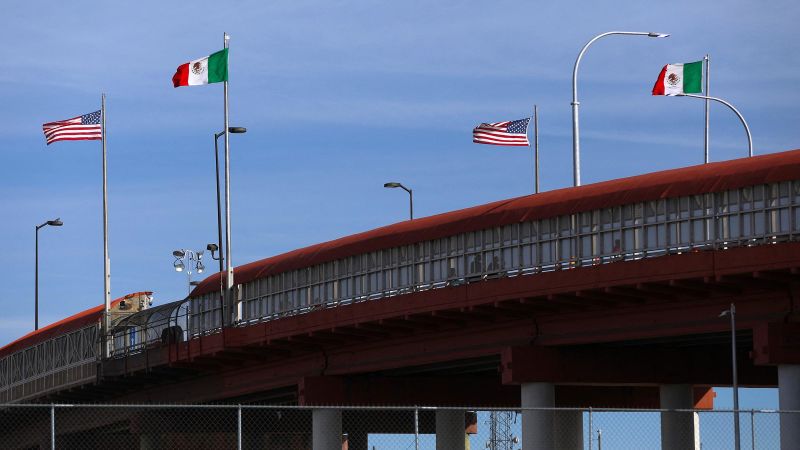
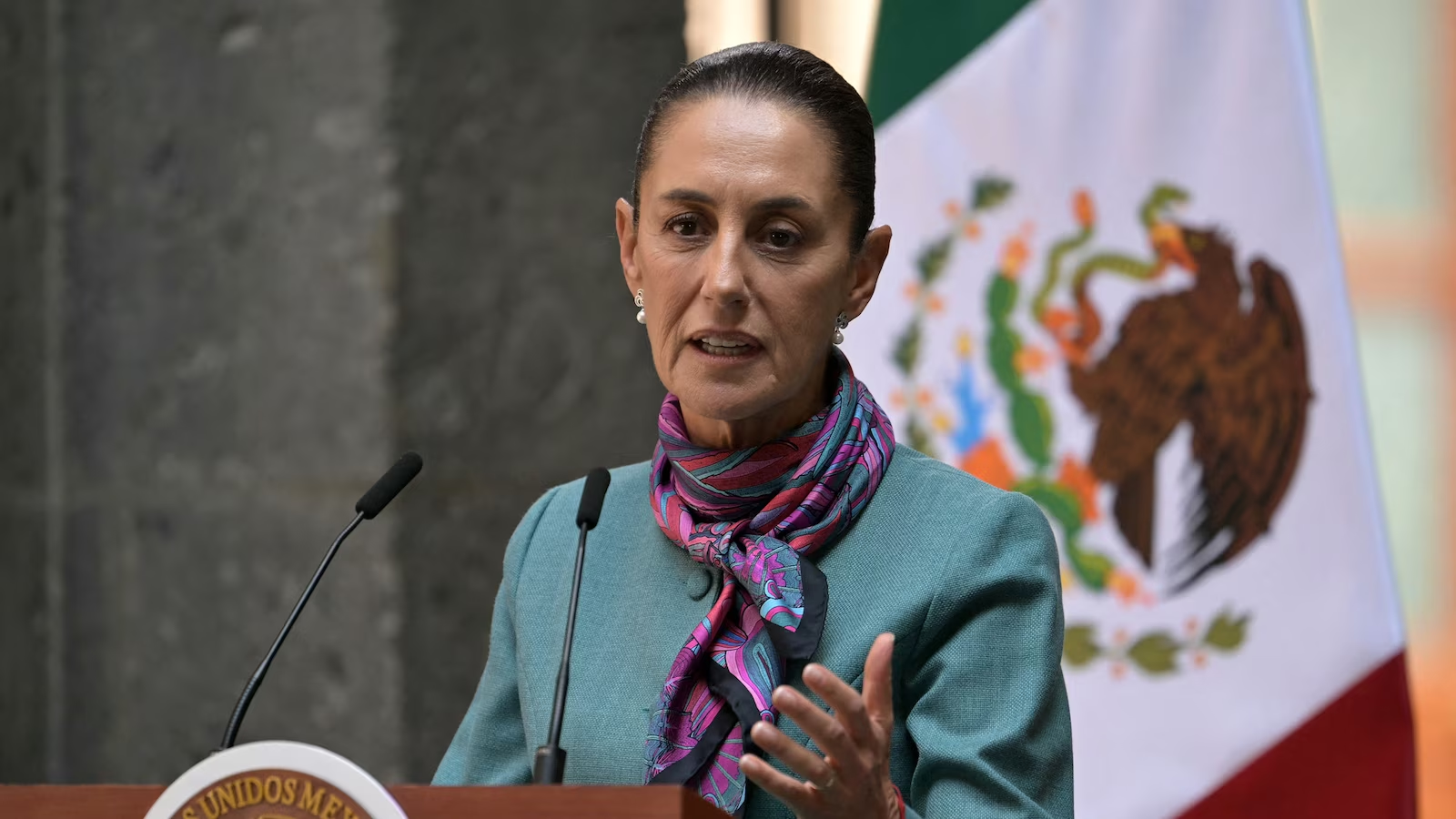
Mexico is seeking an agreement with President-elect Donald Trump to limit the number of non-Mexican deportees it receives from the US, similar to a deal with the Biden administration. Mexican President Claudia Sheinbaum emphasized Mexico's primary role in receiving its own citizens and is coordinating with border state governors to prepare for potential mass deportations. Sheinbaum denied agreeing to close the border, contrary to Trump's claims. The discussions follow a significant fentanyl bust in Mexico and highlight ongoing border and migration challenges.
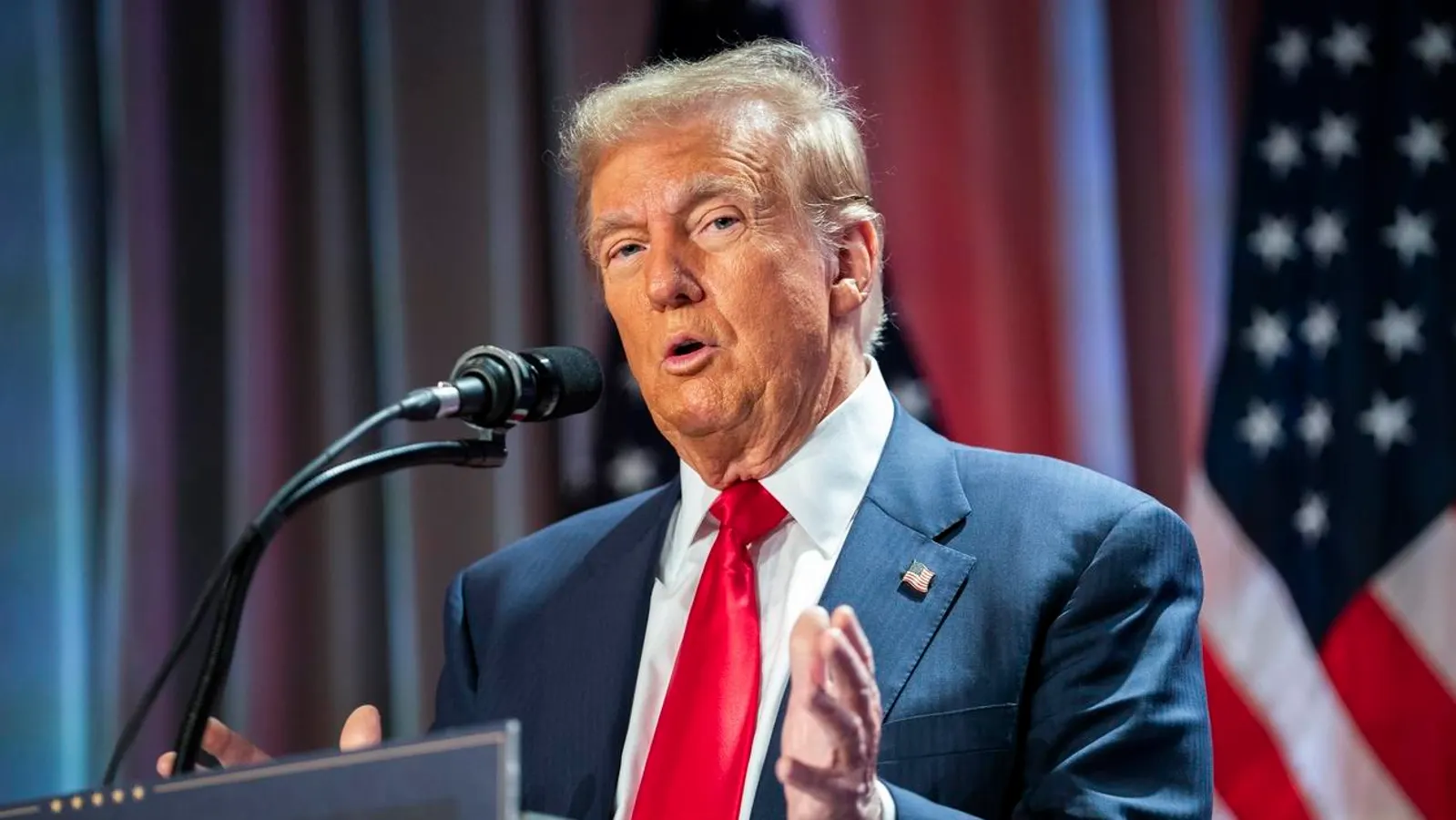
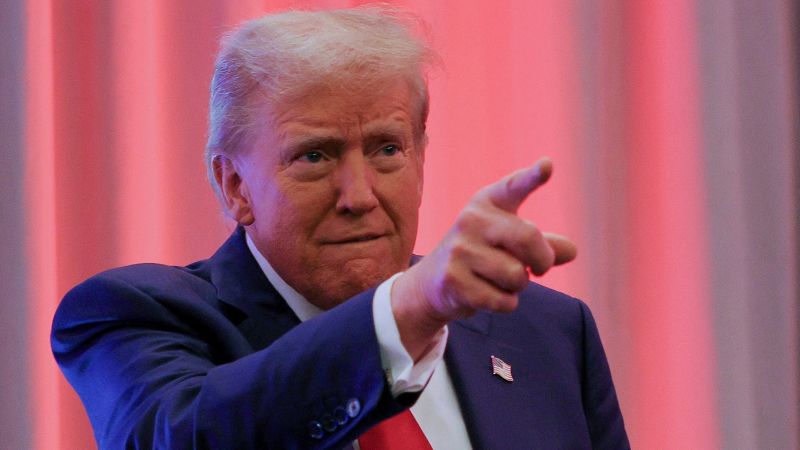
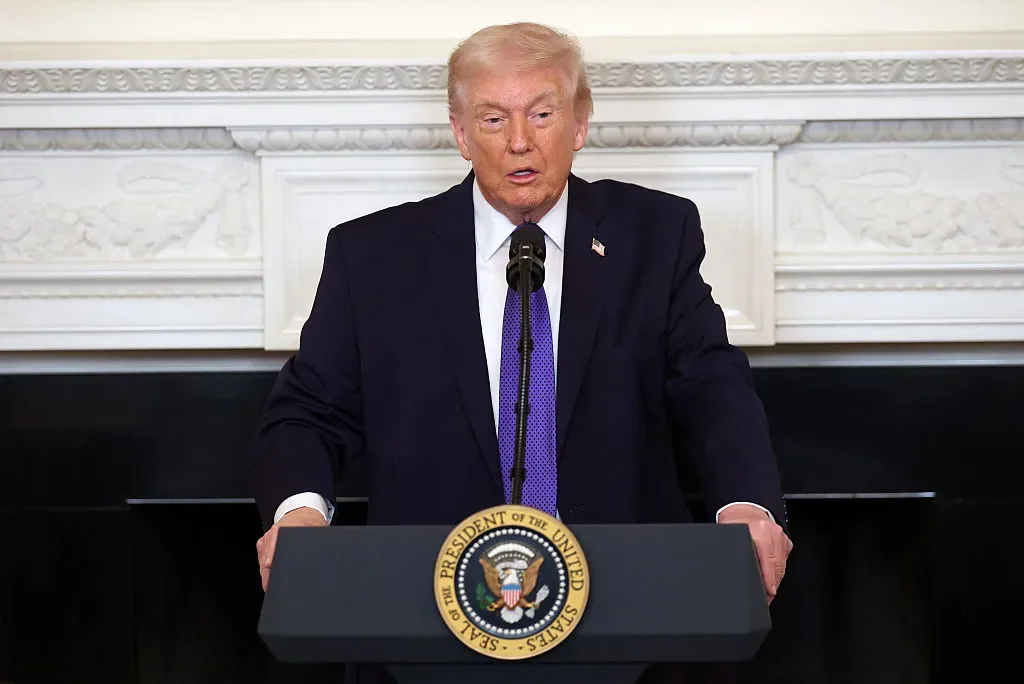
President-elect Donald Trump claimed that Mexican President Claudia Sheinbaum agreed to stop migration through Mexico to the U.S. southern border, effectively closing it, after a phone call between the two leaders. However, Sheinbaum clarified that Mexico's strategy involves addressing migration while respecting human rights and not closing borders, emphasizing building bridges between governments and peoples. Trump's statements align with his campaign promises to crack down on immigration and impose tariffs on Mexico.
Mexican President Claudia Sheinbaum and U.S. President-elect Donald Trump discussed border control and drug trafficking, with Trump claiming Mexico agreed to stop migration to the U.S., a statement Sheinbaum contradicted by emphasizing Mexico's strategy of managing migration without closing borders. Sheinbaum criticized Trump's proposed tariffs on Mexican imports, warning against a trade war and highlighting the need for cooperation on issues like drug trafficking, while Trump announced plans for an anti-fentanyl campaign.
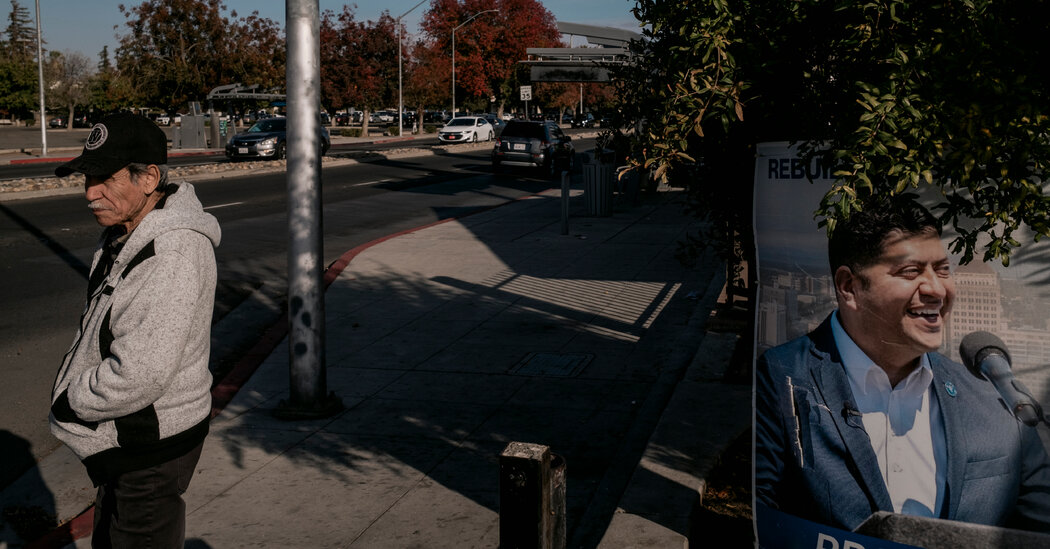
In California's agricultural heartland, some Latino immigrants are expressing support for former President Donald Trump's strict border policies, despite the general perception that his stance on immigration is unpopular among Latino communities. This support is driven by concerns over illegal immigration and its impact on local economies and job markets.
The incoming Trump administration is planning to implement strict immigration measures, focusing on mass detention and deportation of undocumented immigrants in the U.S. This includes reviving the "remain in Mexico" policy, revising asylum restrictions, and expanding detention facilities. Trump's team is considering executive actions to enforce these policies, potentially declaring a national emergency to access additional resources. The plans mark a return to hardline immigration policies from Trump's first term, with key figures like Tom Homan and Stephen Miller involved in shaping the strategy.
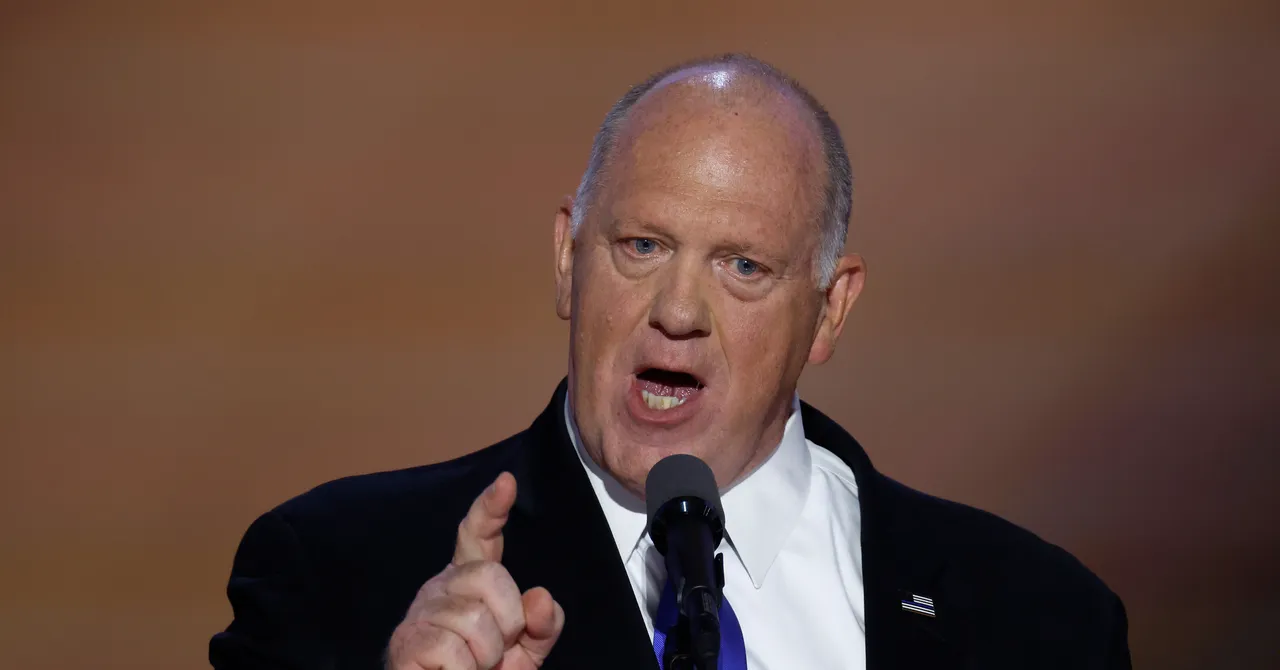
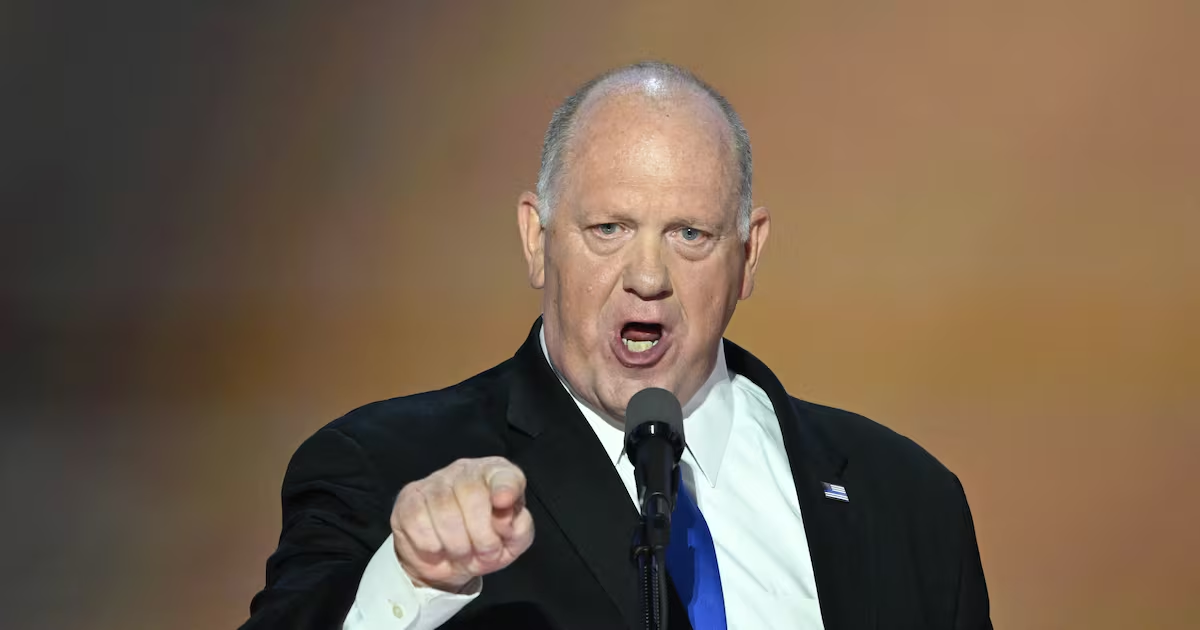
Tom Homan, appointed by Donald Trump as the new 'border czar,' defended the controversial child separation policy at a far-right festival organized by a gun-worshipping sect. Homan, a key figure in Trump's previous immigration policies, promised a massive deportation operation if Trump returns to power. He also propagated conspiracy theories about immigration being used to influence elections in favor of Democrats. Homan's past includes roles in immigration enforcement and associations with far-right groups and conspiracy theorists.
Tom Homan, Donald Trump's incoming border czar, stated on Fox News that he supports undocumented immigrants self-deporting and is against offering a grace period for criminals and gang members. Homan emphasized that non-criminals could leave voluntarily to organize their affairs, but did not clarify if this would allow them to reapply for legal entry into the U.S. in the future. He has been a key figure in Trump's immigration policies, advocating for mass deportations without separating families, which could affect millions of U.S. citizens living with undocumented parents.
Donald Trump plans to reinstate strict border policies like 'Remain in Mexico' upon returning to office, but he will inherit even stronger enforcement tools from the Biden administration, which has already intensified border crackdowns.
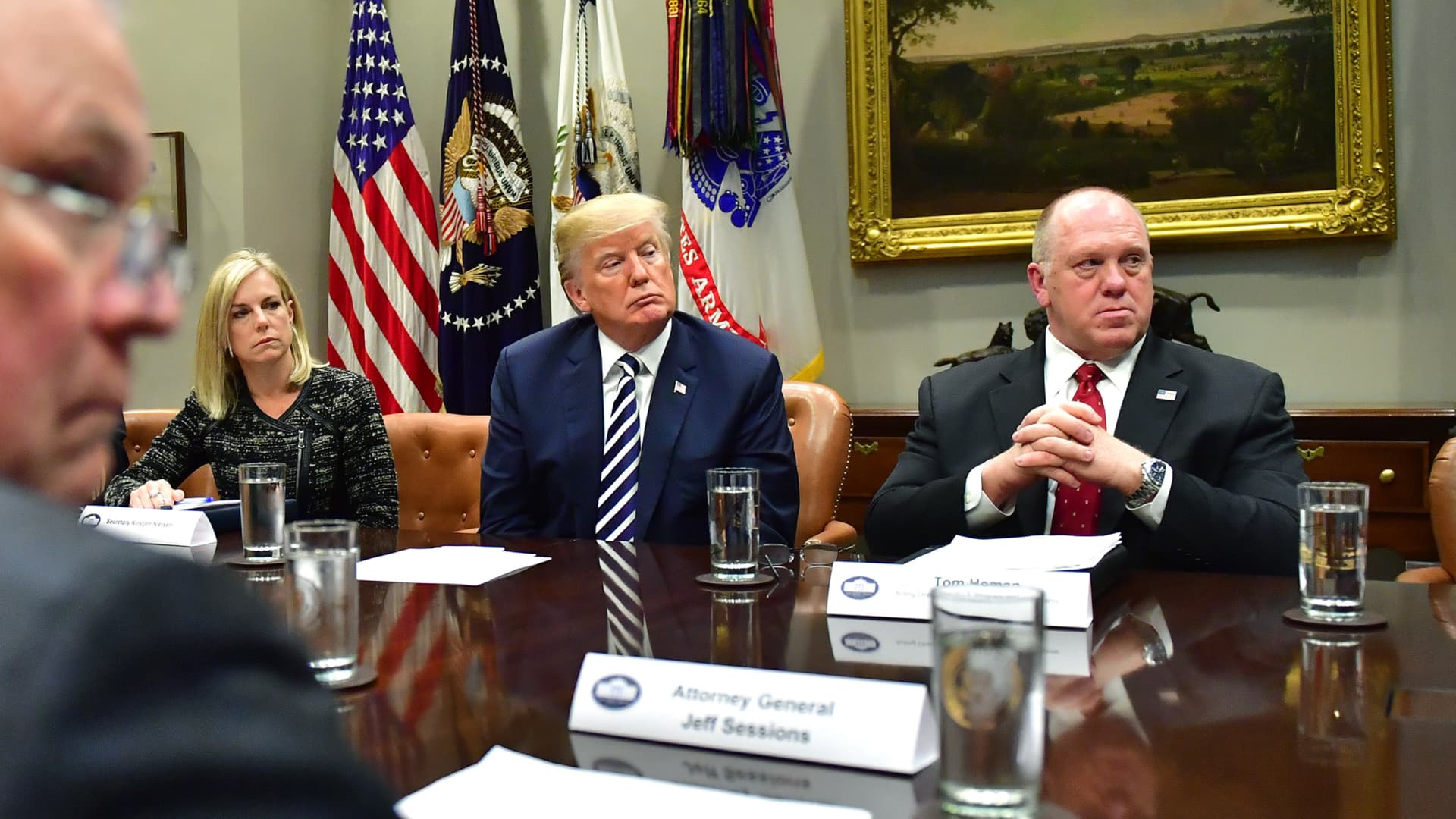
Tom Homan, a veteran immigration official and former acting director of ICE, has been appointed as the "border tsar" under Trump's administration, tasked with reducing illegal immigration. Homan plans to reverse Biden's immigration policies by targeting non-criminal undocumented immigrants and reviving workplace immigration arrests. He emphasizes targeted deportations without separating families, distancing himself from the previous "zero tolerance" policy. Homan's approach includes increased border security measures and aligns with conservative immigration policies.
President-elect Donald Trump has appointed former ICE acting director Tom Homan as "Border Czar," granting him significant influence over immigration and deportation policies without the need for Senate confirmation. This role could allow Homan to implement Trump's mass deportation plans with less congressional oversight, raising concerns about accountability and the potential for anti-immigrant policies. Homan, known for his support of strict immigration measures, will oversee border and deportation efforts, potentially impacting millions of undocumented immigrants.
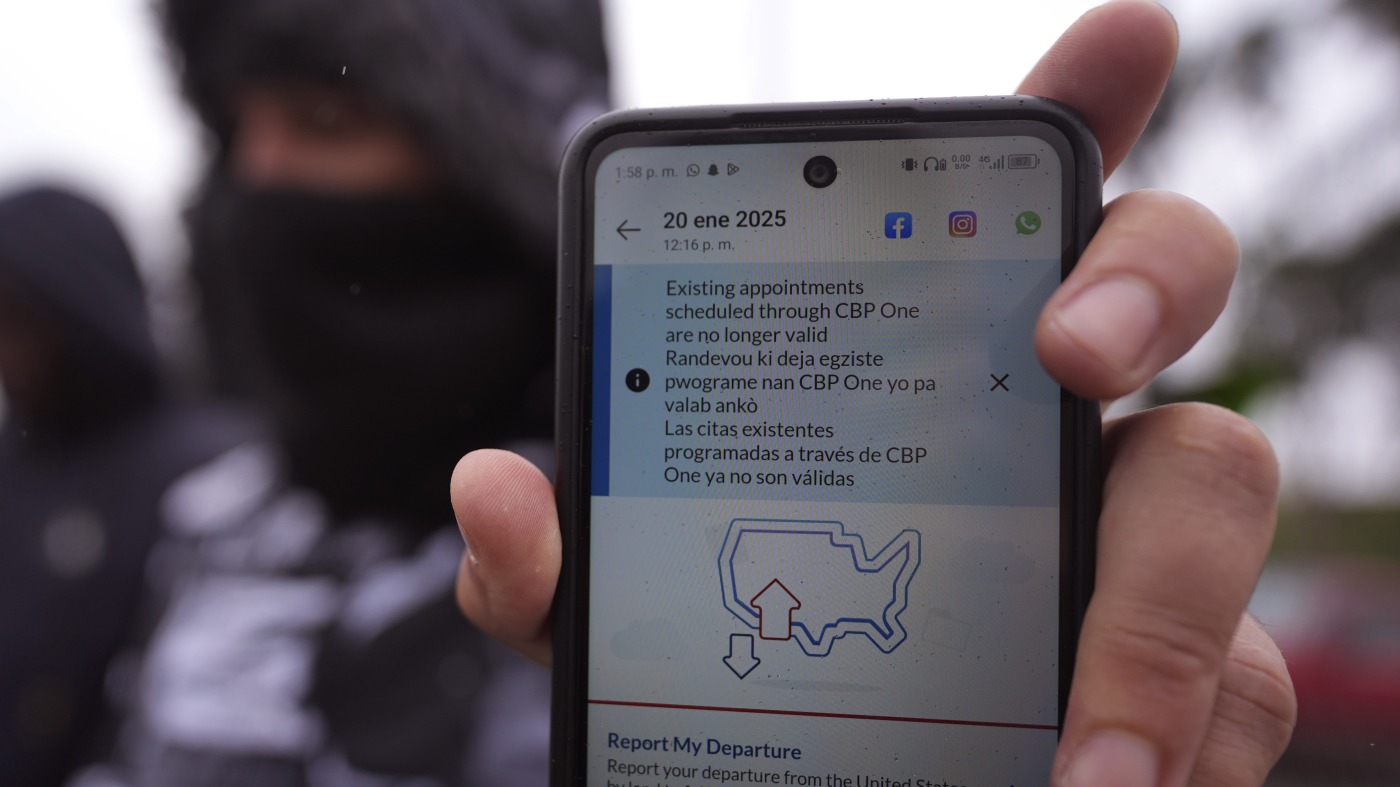
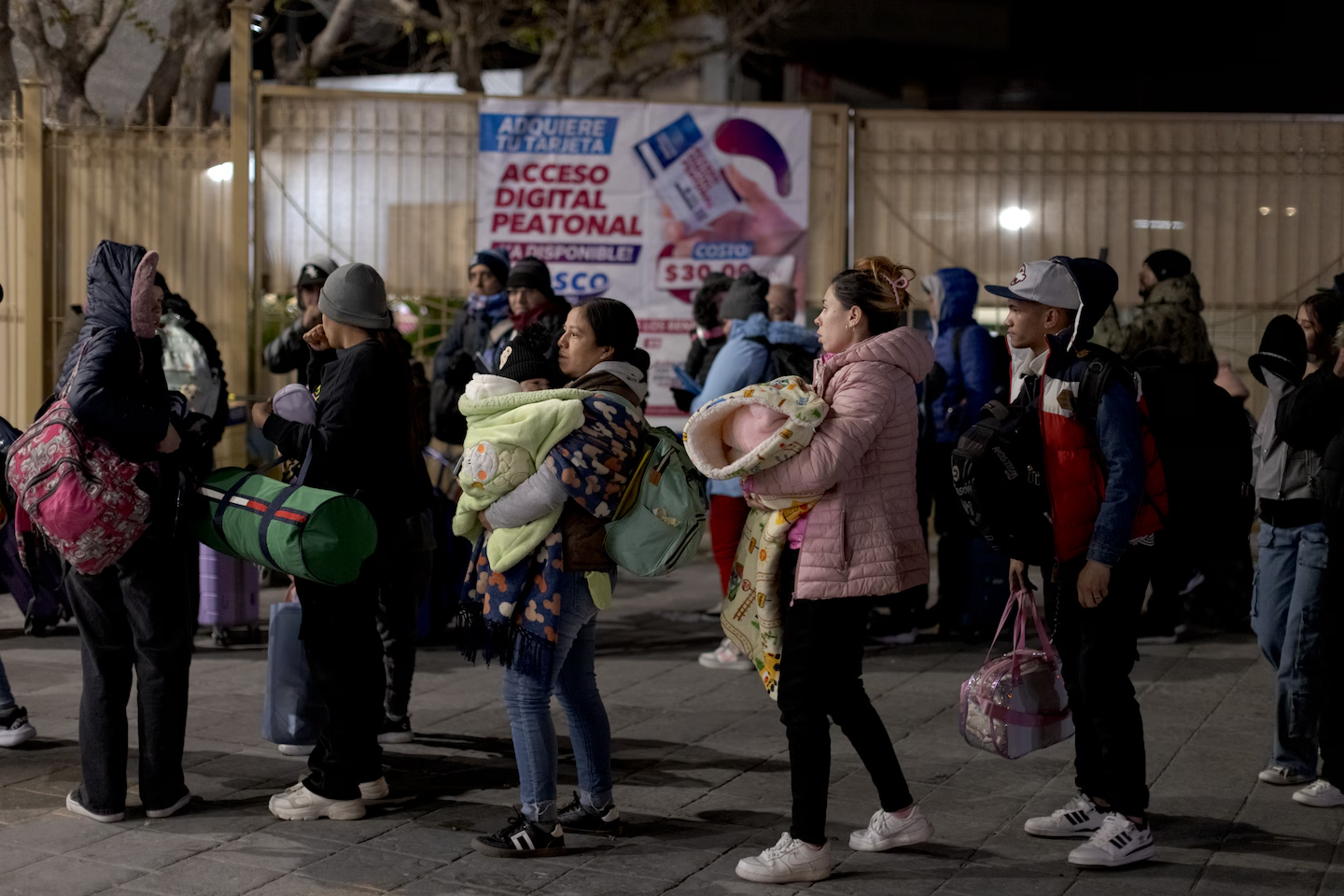
President-elect Donald Trump's victory has caused concern among migrants in Mexico hoping to enter the U.S., as he has promised to implement stricter immigration policies, including mass deportations and potentially ending the CBP One app system established by the Biden administration. This app allows migrants to schedule appointments with U.S. immigration officials. Many migrants, like Ivan Castro Santos and Luz Angela, fear the impact of Trump's policies on their chances of entering the U.S. legally, while some American voters support Trump's tougher stance on immigration.
Ingrid Orasma and her two young sons, part of a group of Venezuelan migrants, have faced severe hardships and abuse from Mexican authorities while journeying to the U.S. border. Despite President Biden's new restrictive asylum policies, they remain determined to cross into the United States, driven by the dire conditions in Venezuela and the hope for a better life.