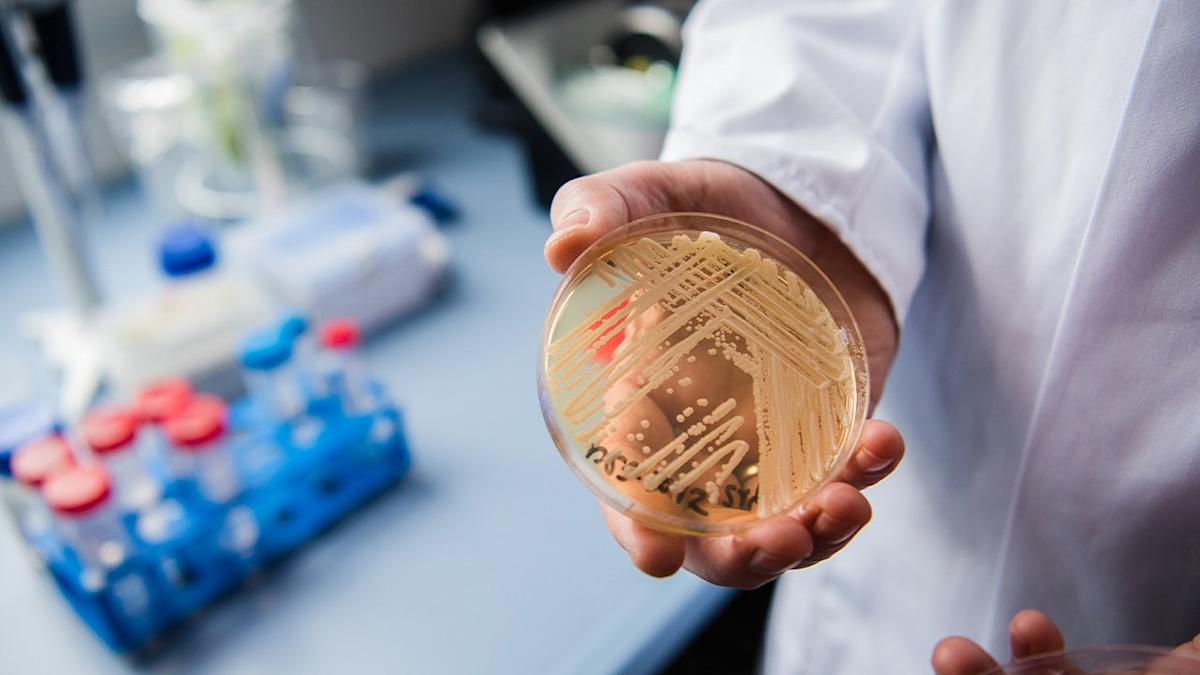
Experts warn about Candida auris, a multi-drug resistant fungus detected in Connecticut, which poses a significant threat in healthcare settings due to its resistance to treatment, ability to spread rapidly, and difficulty in detection, primarily affecting immunocompromised patients in hospitals and nursing homes.
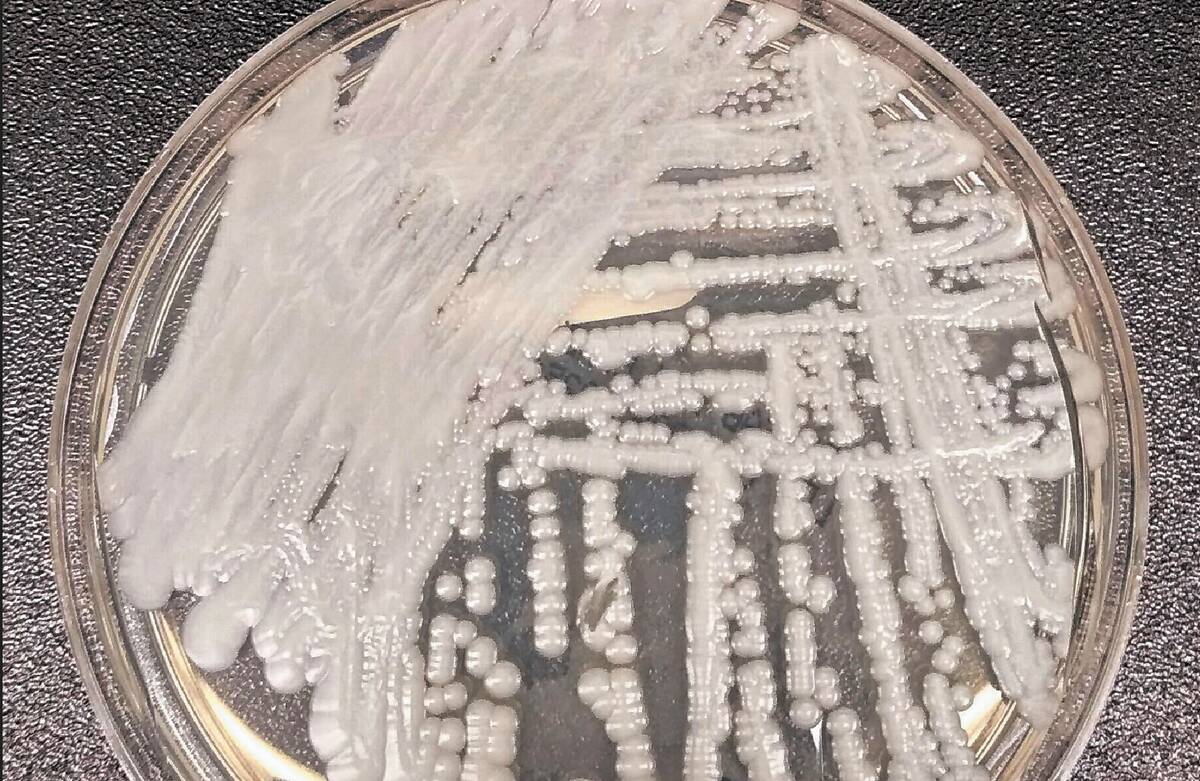
A deadly, drug-resistant fungus called Candida auris is spreading globally, particularly in U.S. hospitals, posing a significant health threat due to its resistance to multiple antifungal drugs and ability to spread on surfaces and equipment. Researchers warn that current diagnostics and treatments lag behind the fungus's evolution, emphasizing the urgent need for new antifungal agents, improved detection, and increased awareness, especially in resource-poor countries. Despite challenges, recent studies suggest potential vulnerabilities in the fungus that could lead to new treatment strategies.
A deadly, drug-resistant fungus called Candida auris is spreading globally, particularly in U.S. hospitals, posing a significant health threat due to its resistance to multiple antifungal drugs and difficulty in detection. Researchers emphasize the urgent need for new treatments, improved diagnostics, and better infection control measures to combat this emerging superbug.
A drug-resistant fungus called Candida auris is rapidly spreading across U.S. hospitals and globally, posing a serious health threat due to its resistance to multiple antifungal drugs and ability to survive on surfaces and skin. Experts warn that current diagnostics and treatments are insufficient, emphasizing the need for new antifungal agents, better surveillance, and awareness to combat this emerging superbug.
A drug-resistant fungus called Candida auris has been reported in 27 US states with over 7,000 cases, posing a serious threat in healthcare settings due to its resistance to multiple antifungal drugs and ability to spread easily, highlighting a growing global concern about antifungal resistance and the need for strict infection control measures.
Tennessee reported 189 cases of the drug-resistant fungus Candida auris in 2025, part of a nationwide increase in infections that pose a serious threat to vulnerable patients in healthcare settings due to its resistance to multiple antifungal drugs and ability to spread on surfaces and equipment.
A dangerous, drug-resistant fungus called Candida auris is spreading globally, posing a serious health threat due to its resistance to treatment and difficulty in diagnosis. It has caused outbreaks in hospitals worldwide, with high mortality rates, and may be linked to climate change. However, advances in antifungal drugs and vaccines offer hope for combating this emerging threat.
A deadly, drug-resistant fungus called Candida auris has infected at least 7,000 people across 27 U.S. states in 2025, spreading rapidly in healthcare settings and potentially worsened by climate change, with no effective treatments for resistant strains, posing a significant public health threat.
A deadly, drug-resistant fungus called Candida auris has infected at least 7,000 people across 27 U.S. states in 2025, spreading rapidly in healthcare settings and posing a significant public health threat due to its resistance to treatment and possible links to climate change.
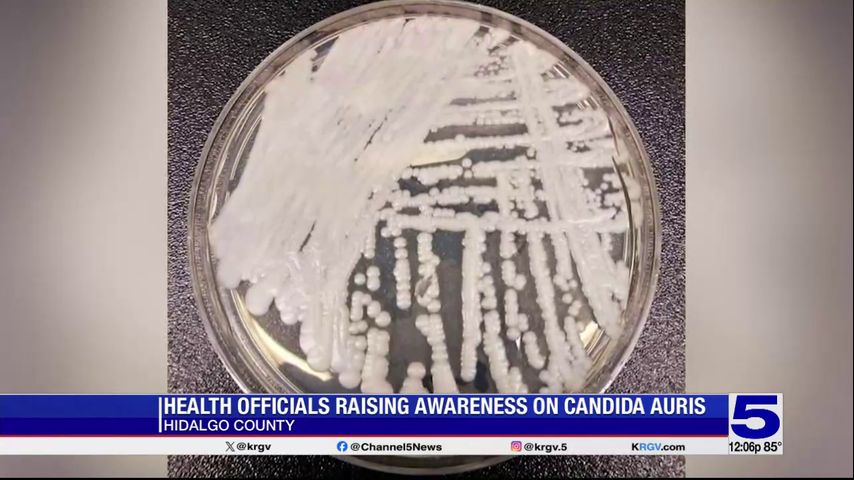
Health officials in the Rio Grande Valley are monitoring rising cases of Candida Auris, a resistant and potentially deadly fungus primarily spread in healthcare settings, with cases increasing in Hidalgo and Cameron counties, posing a risk especially to chronically ill patients, and emphasizing the importance of hygiene and infection control measures.
The CDC has issued a warning about the rise of six drug-resistant 'silent killers' in the US, which have become more prevalent during the Covid-19 pandemic. Infections with these pathogens, including the antifungal-resistant Candida auris, have surged, raising concerns about increased deaths as treatments become less effective. The pandemic's impact on hospital practices and antibiotic overuse has exacerbated the issue, highlighting the need for continued investment in public health measures to combat antimicrobial resistance.
Scientists at Australia's National Mycological Reference Center are working to prevent the next global pandemic by identifying and researching killer fungi, including the yeast-like fungus Candida auris, which poses a critical threat to public health due to its resistance to drugs. The lack of antifungal treatments has led to a slow-moving fungal pandemic, with the WHO labeling four fungal pathogens as posing a critical threat. The surge of Candida auris infections globally has prompted researchers to develop rapid screening tests and treatments to prevent its spread and potential for another pandemic.
Southern Nevada hospitals and nursing homes reported a record high of 69 invasive infections and 133 colonization cases of the drug-resistant "superbug" fungus Candida auris in January, with the majority of cases detected in the region. The fungus, which can be deadly and is difficult to treat, spreads in healthcare facilities and has been mutating in ways that make existing drugs less effective. Health officials attribute the peak in cases to reporting lags and the adoption of a new state regulation requiring facilities to report cases. Sunrise Hospital and Medical Center has reported the highest number of cases in the state and actively screens at-risk patients for the fungus.
Candida auris, a deadly and drug-resistant fungus, is on the rise in the Midwest, including Iowa, with cases reported in over half of the country. While Iowa initially had low numbers, there has been a recent increase in clinical and screening cases, causing concern among experts. The fungus can lead to severe illness and is resistant to anti-fungal treatments, posing a threat to vulnerable patients in healthcare facilities.
The CDC has issued a warning about the rise of a dangerous fungal infection, Candida auris (C. auris), in Texas and Louisiana, posing a serious global health threat. The infection primarily affects those who are already sick and spreads easily in healthcare facilities. Preventive measures include rigorous infection control, hand hygiene, personal protective equipment, environmental cleaning, isolation precautions, patient screening, healthcare worker training, visitor education, antifungal stewardship, surveillance, and collaboration. The CDC emphasizes the importance of these measures to prevent the transmission of C. auris and protect both patients and healthcare workers.