The article discusses alternative flu treatments available in the US beyond Tamiflu, highlighting Xofluza as a popular single-dose option with fewer side effects, but also noting concerns about resistance and specific use cases for different antivirals. It emphasizes the importance of timely treatment and the evolving landscape of flu medication options.

While Tamiflu remains a common flu treatment, alternatives like Xofluza, Relenza, and Rapivab are available, each with different benefits, side effects, and considerations such as cost and resistance. Xofluza, a single-dose pill approved for ages 5 and older, is gaining popularity due to fewer side effects and quicker viral shedding reduction, but concerns about resistance and availability may influence treatment choices.
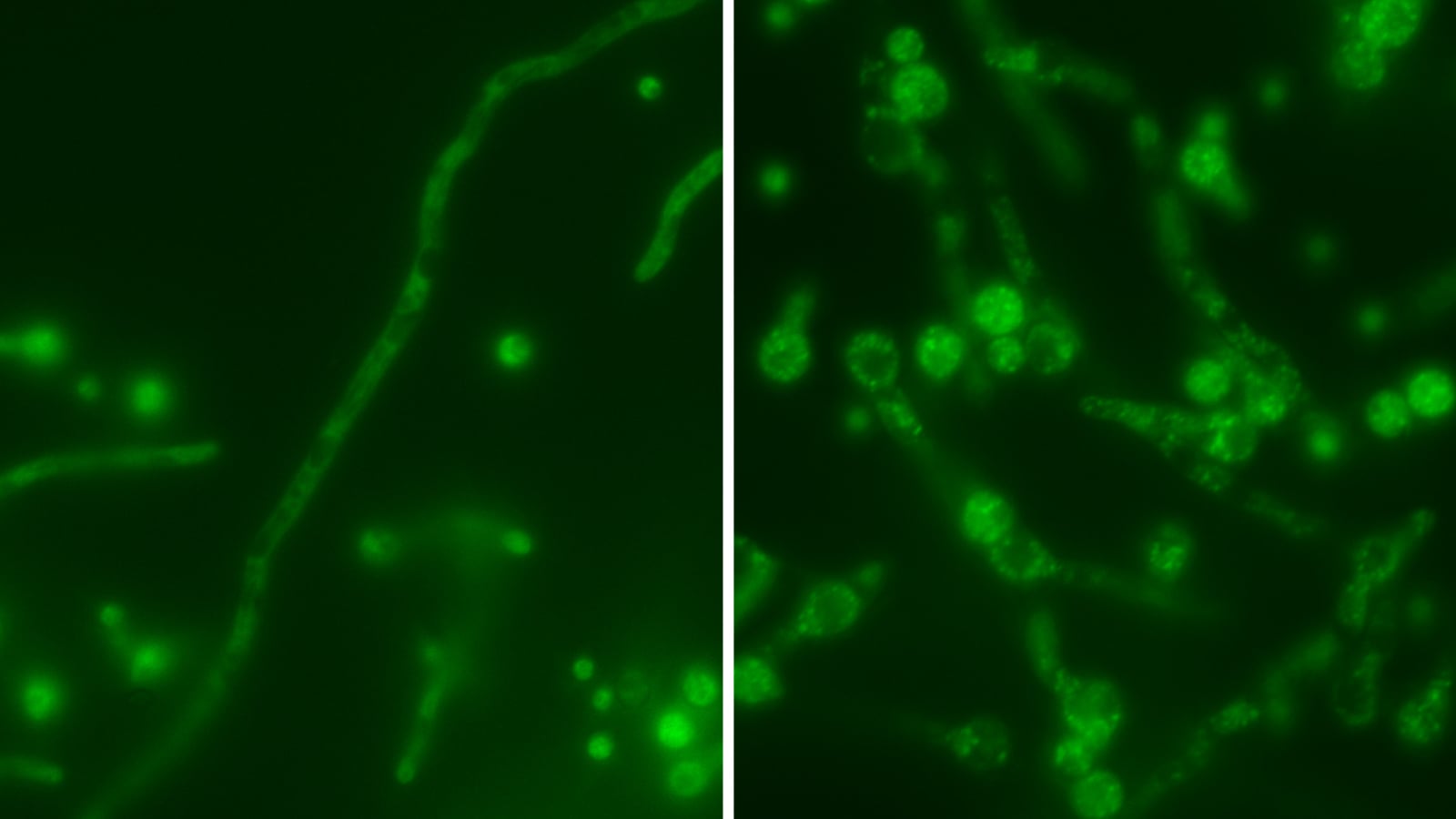
A study reveals that a hidden virus inside the deadly fungus Aspergillus fumigatus may be exploited to develop new treatments for fungal infections, as targeting the virus in mice improved survival and reduced fungal burden, suggesting a novel approach to combat invasive aspergillosis.
A report highlights that effective hepatitis C treatments, despite their high cost, ultimately reduce overall federal healthcare spending by curing the disease and preventing costly complications, illustrating a 'grim reaper effect' where government hesitance to fund life-saving treatments is counterproductive.
A study by the NIH found that the antiviral drug tecovirimat was safe but did not improve lesion resolution or pain in adults with mild to moderate clade II mpox. The study, part of the STOMP trial, led to the recommendation to stop further enrollment due to lack of efficacy. The trial highlighted the importance of well-designed clinical trials during outbreaks and will inform future mpox treatments. Tecovirimat was initially approved for smallpox, and its efficacy for mpox remains unproven.
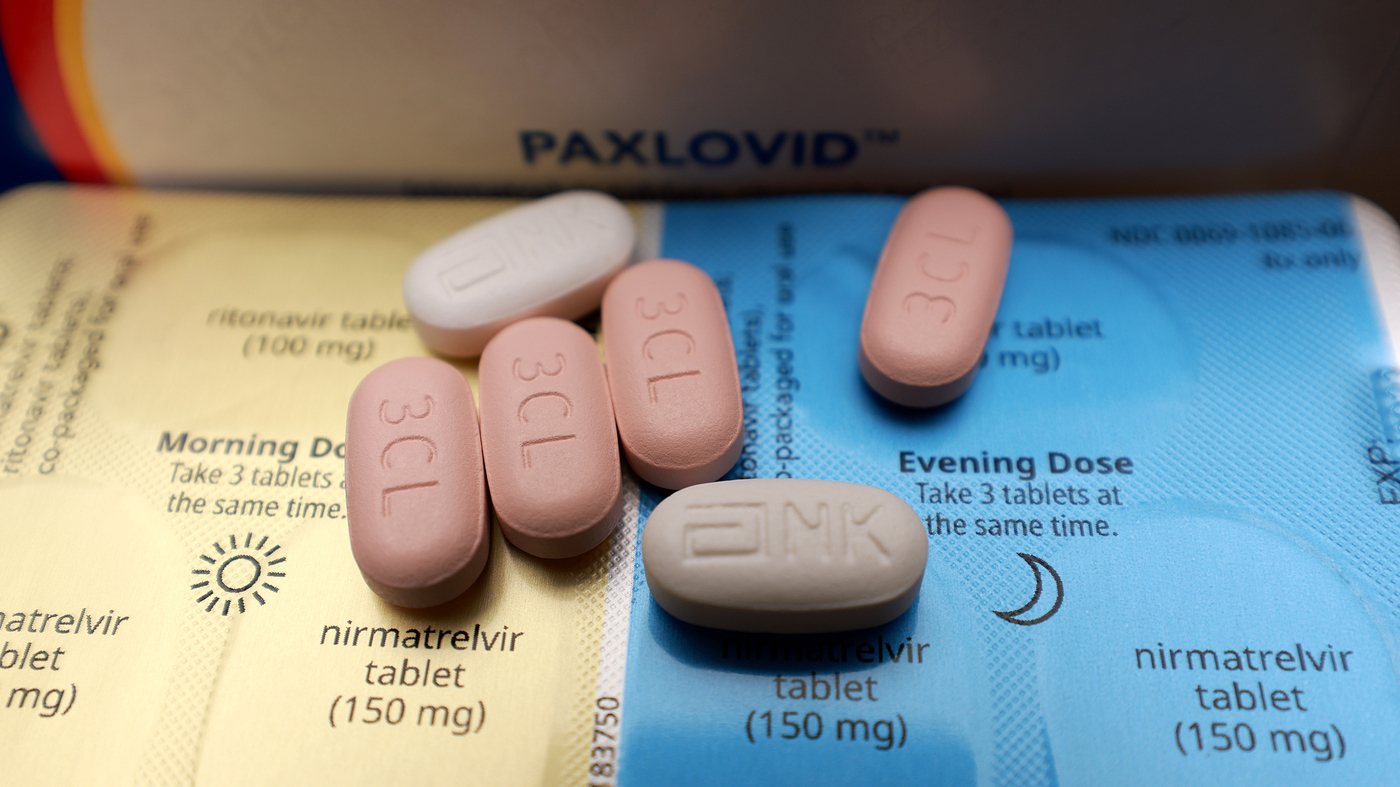
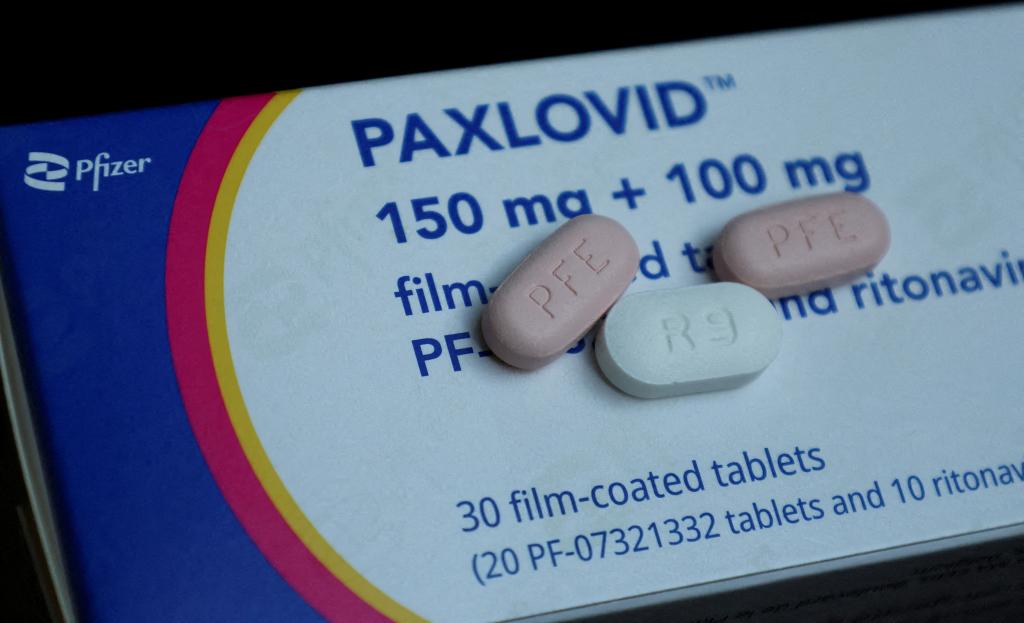
The National Institutes of Health (NIH) has ended its influential COVID-19 Treatment Guidelines, marking a milestone in the pandemic. The availability of COVID-19 treatments has evolved over the past four years, with Pfizer's Paxlovid and Merck's molnupiravir being authorized as outpatient treatments. However, low usage rates and challenges in prescribing these drugs persist, contributing to underuse of effective treatments. Moving forward, specialty doctors groups will take over the responsibility of providing COVID-19 treatment guidance, as the evolution of treatments offers valuable lessons for dealing with new emerging infectious diseases.
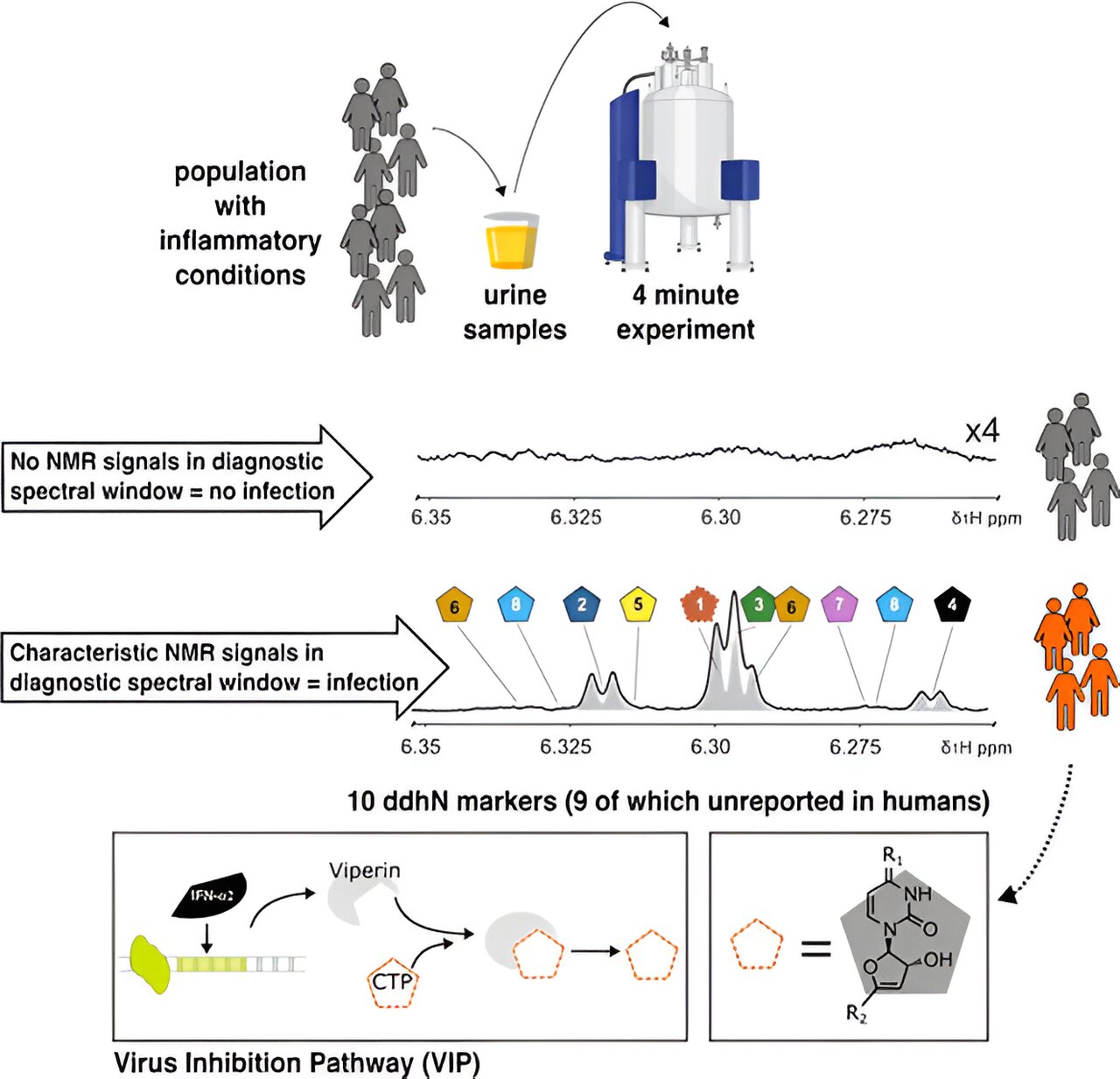
Researchers studying COVID-19 have discovered a previously unknown part of the human immune system, called the Extended VIPERIN Pathway (X-VIP), which produces anti-viral compounds in response to viral infections. This discovery could lead to the development of new tests for active viral infections and the creation of anti-viral drugs that extend beyond COVID-19. The compounds detected in the X-VIP pathway could serve as biomarkers for infection and infectiousness, potentially enabling rapid diagnosis through non-invasive urine tests.
Despite the availability of antiviral medications like Paxlovid to reduce the risk of severe illness or death from COVID-19, studies have found that these drugs are underused, particularly among high-risk patients. Research from the VA Boston Cooperative Studies Program revealed that 80% of high-risk patients were never offered these medications, with reasons ranging from concerns about interactions with other drugs to patients having mild symptoms. Experts emphasize the importance of educating physicians and patients about the appropriate use of these drugs, especially for high-risk individuals, and urge early treatment within five days of symptom onset to prevent severe illness and hospitalization.
Americans are unable to access ensitrelvir, a superior antiviral drug to Paxlovid, due to delays in the FDA approval process. Ensitrelvir, marketed as Xocova in Japan, offers advantages such as faster recovery time, fewer rebound infections, and a more tolerable taste. However, experts predict that ensitrelvir won't be available in the US until the end of 2024. While the FDA has granted the drug "fast-track" status, it is unlikely to receive emergency-use authorization like Paxlovid. Ensitrelvir has shown promise in reducing the loss of smell and taste associated with COVID-19. Clinical trials are ongoing to further evaluate its safety and effectiveness.
Researchers at the University of Missouri have identified the occludin protein as a key player in the transmission of COVID-19 from cell to cell. When the occludin protein is compromised by the virus, it facilitates rapid virus replication and spread to neighboring cells, potentially worsening the infection and symptoms. This discovery provides valuable insights into the mechanisms of disease progression and could aid in the development of antiviral drugs targeting the occludin protein.