The US Supreme Court rejected a plea from big oil to move the venue of a 2020 climate lawsuit filed by the state of Minnesota, bringing the state closer to putting the fossil fuel industry on trial for allegedly covering up the dangers of burning coal, oil, and gas. This decision marks the third time the Supreme Court has denied petitions from the fossil fuel industry to review jurisdiction in climate deception lawsuits, signaling a significant legal setback for the defendants.
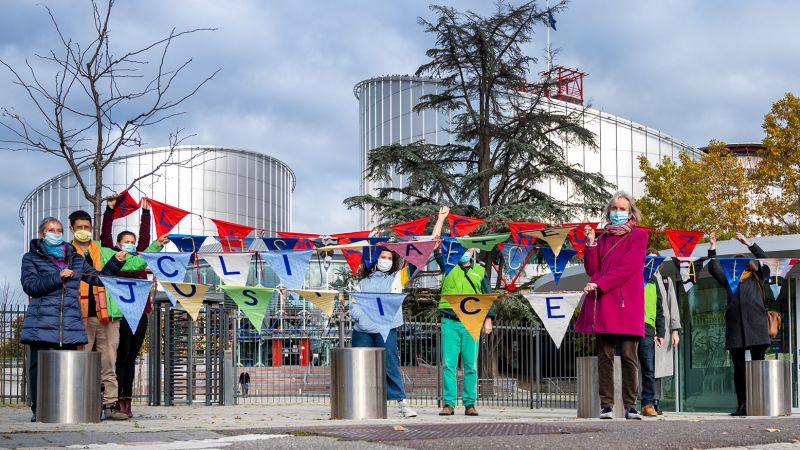
Six young people from Portugal are taking 32 European countries to the European Court of Human Rights in an unprecedented climate lawsuit. The claimants, aged between 11 and 24, argue that these countries have failed to address the human-caused climate crisis and are asking the court to force them to accelerate climate action. A win in this case could have significant implications for other climate lawsuits worldwide, while a ruling against the claimants could be damaging for future climate claims. The lawsuit is the largest of three climate cases being heard by the court, and the judgment could act as a legally binding treaty, compelling all 32 countries to take urgent climate action.
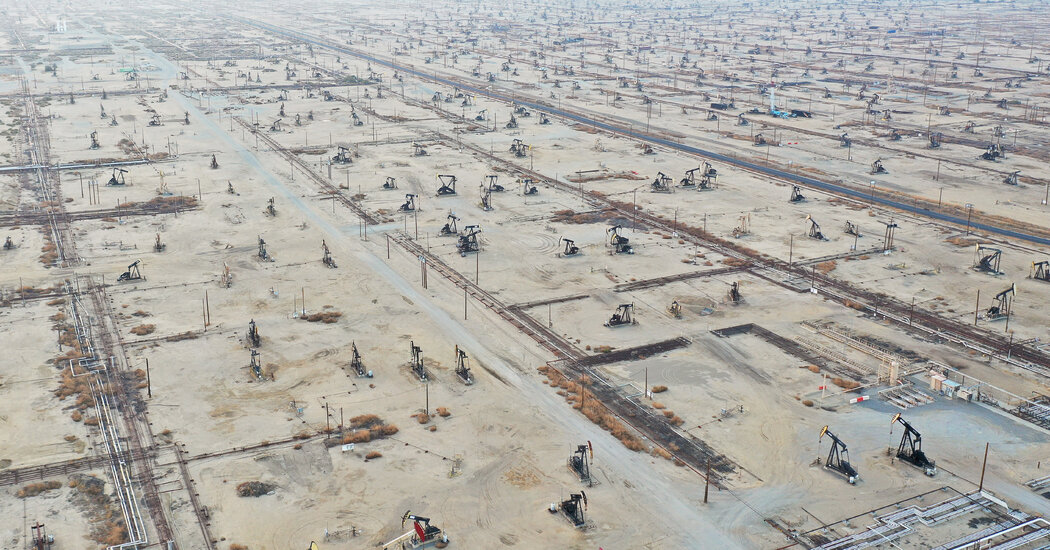
California has filed a major lawsuit against Exxon Mobil, Shell, BP, ConocoPhillips, Chevron, and the American Petroleum Institute, accusing them of deceiving the public and causing billions of dollars in damage by downplaying the risks of fossil fuels. The state seeks the creation of an abatement fund to pay for future climate-related disasters. California, being a major producer of oil and gas and experiencing extreme weather events, is a significant legal challenge for the fossil fuel industry. The lawsuit claims that the companies intentionally suppressed information about the dangers of fossil fuels and continued to mislead the public about their commitment to reducing emissions. The state seeks accountability and a fund to cover recovery and mitigation efforts.
A group of young people from Montana has won a significant climate lawsuit against the state, arguing that it failed to protect their right to a clean environment by promoting the use of fossil fuels. The court ruled that a provision in Montana's Environmental Policy Act, which prevented the consideration of climate impacts in energy projects, is unconstitutional. The judge's order acknowledged the scientific consensus on climate change and its adverse effects on the plaintiffs' physical and mental health, homes, and cultural traditions. The decision requires Montana officials to consider greenhouse gas emissions when making energy permitting decisions. Similar challenges are underway in other states, and the ruling is expected to be appealed.
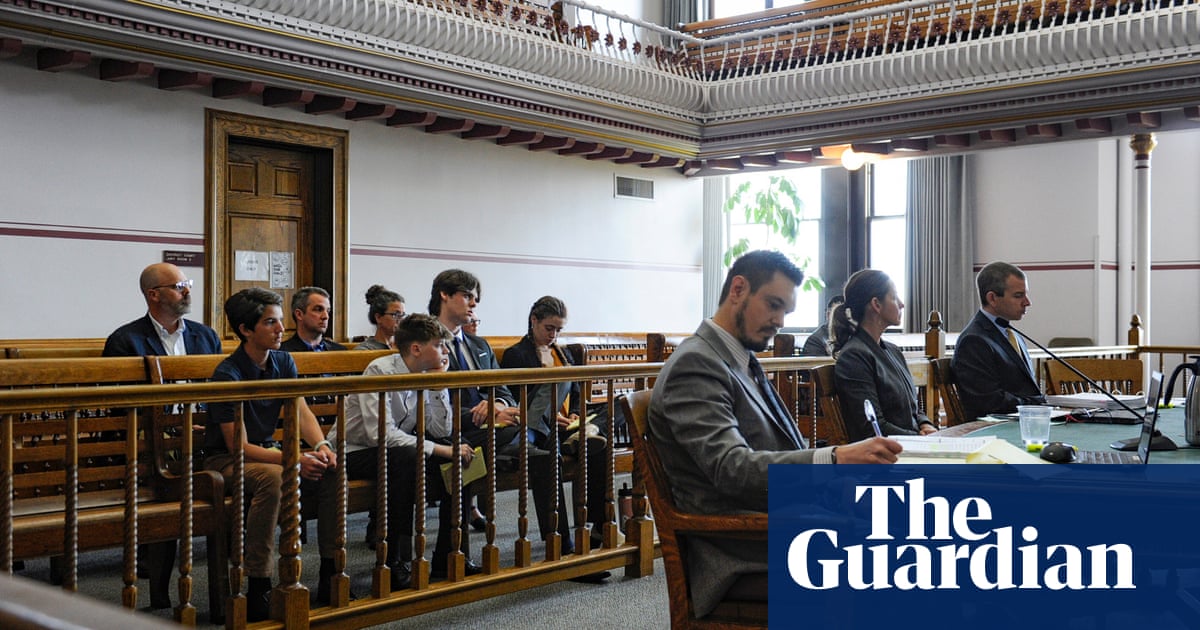
The US's first-ever trial in a constitutional climate lawsuit began on Monday in Montana, with 16 young plaintiffs alleging that state officials violated their constitutional right to a healthy environment by enacting pro-fossil fuel policies. The plaintiffs, aged between five and 22, testified about the impact of climate change on their health and wellbeing, including asthma, deteriorating fish stocks, and threatened cultural practices. Montana argued that its emissions were too small to make a difference, but the plaintiffs argued that the state was responsible for more planet-heating pollution than some countries.
A group of Swiss women, including over 2,000 senior citizens, are taking their government to the European Court of Human Rights, claiming that its failure to act on the climate crisis is violating their human rights. The women are claiming that their health and quality of life are suffering because of heatwaves, which are becoming harsher and more frequent because of the climate crisis. The case is the first climate lawsuit to be heard by the European Court of Human Rights and could pave the way for numerous similar lawsuits to be launched in the future.