
7 Million-Year-Old Fossil Sheds Light on the Origins of Bipedal Walking
TL;DR Summary
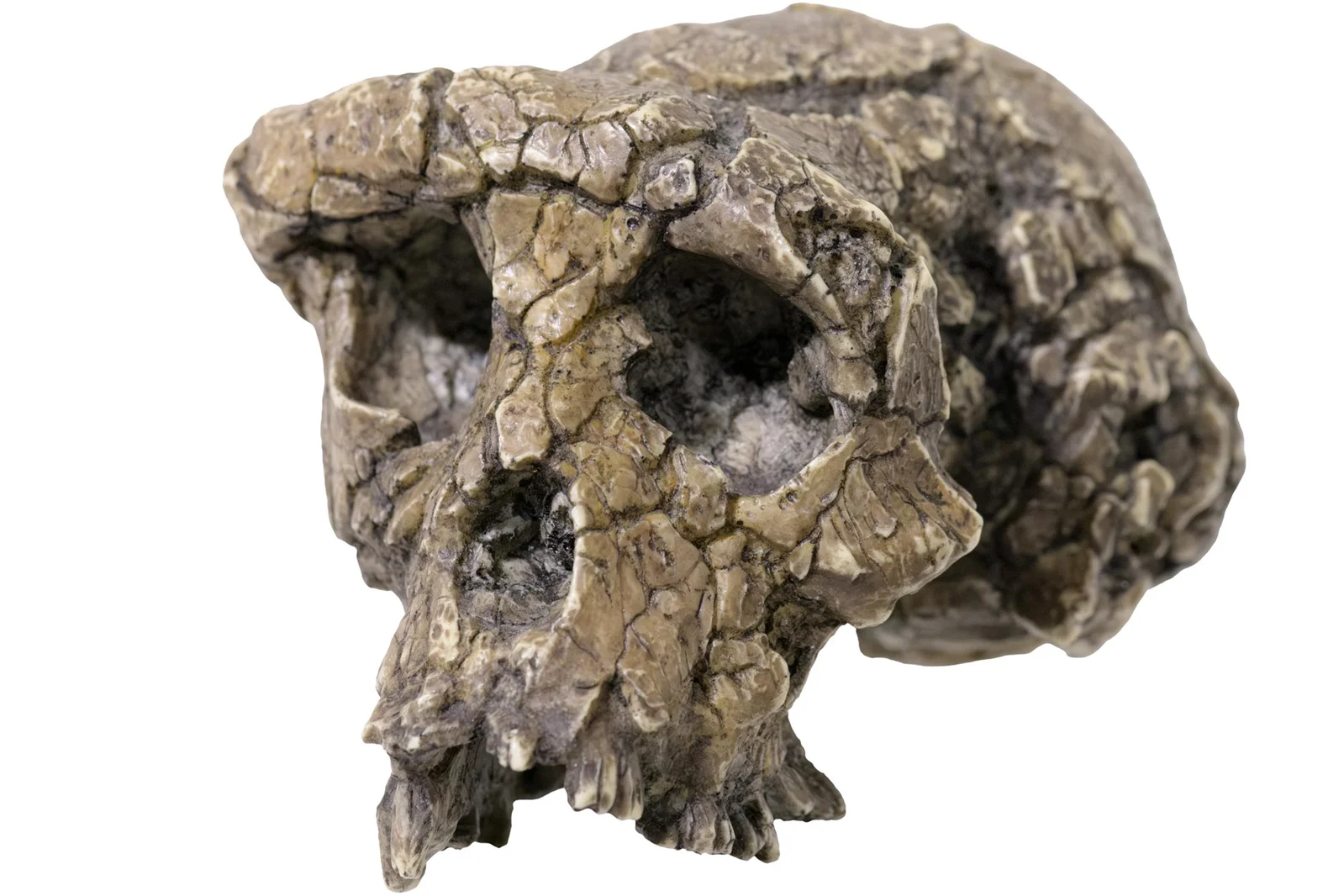
A 7-million-year-old fossil of Sahelanthropus tchadensis provides strong evidence that early human ancestors could walk upright, suggesting that bipedalism evolved much earlier than previously thought. The discovery was made through detailed analysis of skeletal features, including a femoral tubercle and limb proportions, indicating that this species was adapted for upright walking despite its small brain and tree-dwelling habits.
- A 7 Million-Year-Old Fossil Could Rewrite Human History SciTechDaily
- News - When Did Bipedal Walking Begin? Archaeology Magazine
- Tiny bump on 7 million-year-old fossil suggests ancient ape walked upright — and might even be a human ancestor Live Science
- Earliest Human Ancestor May Have Walked on Two Legs Scientific American
- A new analysis reveals clues about when primates started walking on two feet NPR
Reading Insights
Total Reads
0
Unique Readers
4
Time Saved
4 min
vs 5 min read
Condensed
93%
863 → 58 words
Want the full story? Read the original article
Read on SciTechDaily