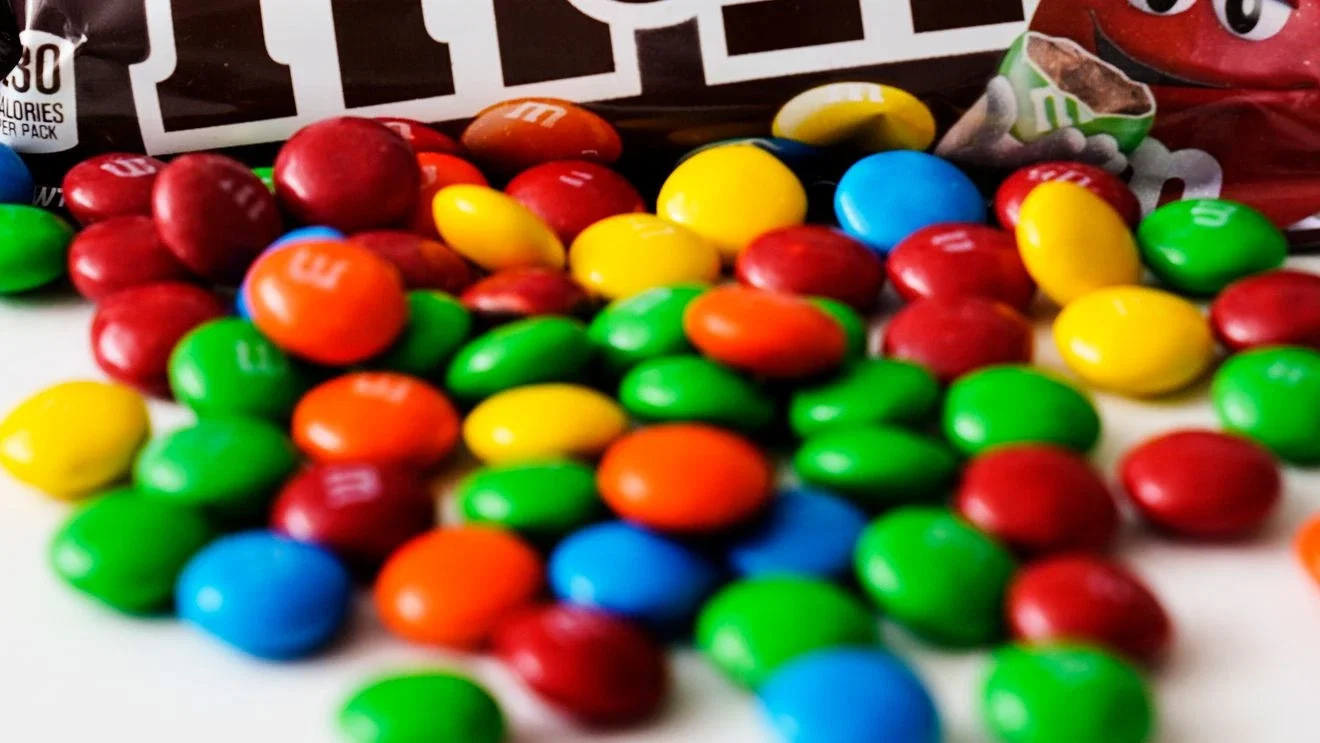
A voluntary recall affects about 6,000 repackaged M&M’s sold in 20 states, due to a labeling error that omitted allergen warnings for milk, soy and peanuts; the FDA classifies it as a Class II recall and consumers with allergies should discard the affected products.
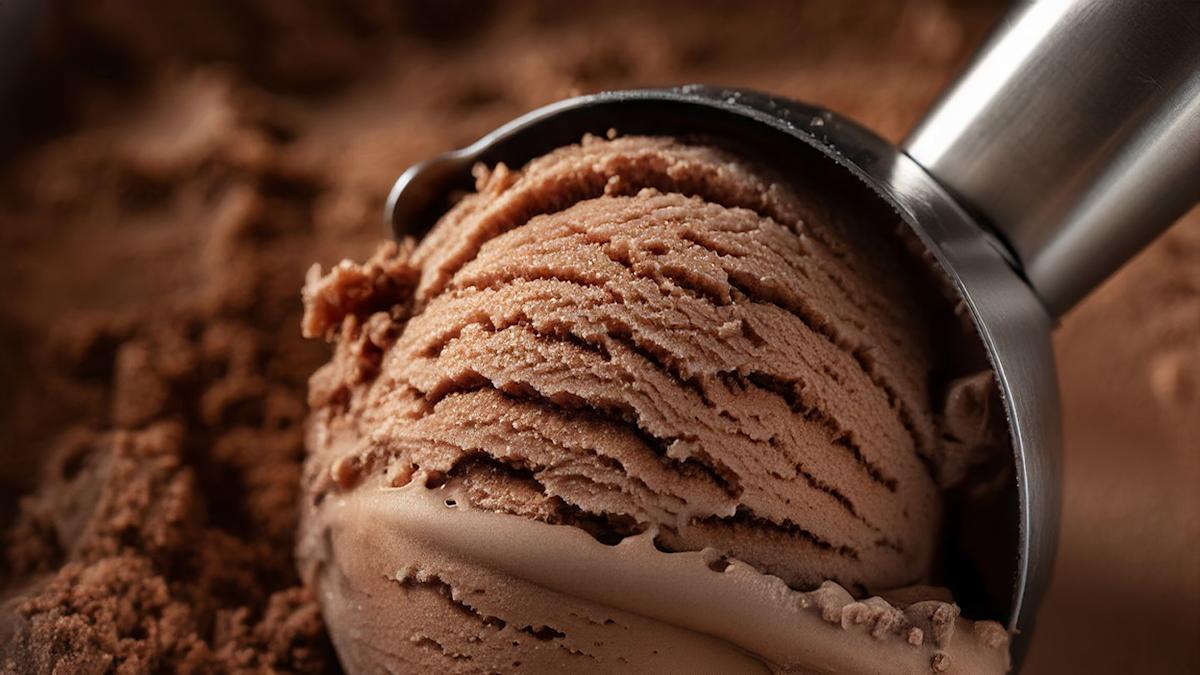
Breyers has recalled 6,668 cases of Rocky Road ice cream due to packaging errors that could pose a risk to individuals with nut allergies, specifically because of mislabeled packaging that could cause allergic reactions. Consumers are advised to check their product's lot and UPC numbers and contact Breyers for more information.
Springville Meat & Cold Storage Co. is recalling over 15,000 pounds of beef jerky and exotic game jerky products due to misbranding and undeclared fish allergens, specifically anchovies in Worcestershire sauce, which poses a risk to consumers with fish allergies. The products, shipped nationwide, were produced between May 2023 and May 2025 and are marked with establishment number EST. 20528. Consumers are advised not to eat these products and to dispose of or return them.
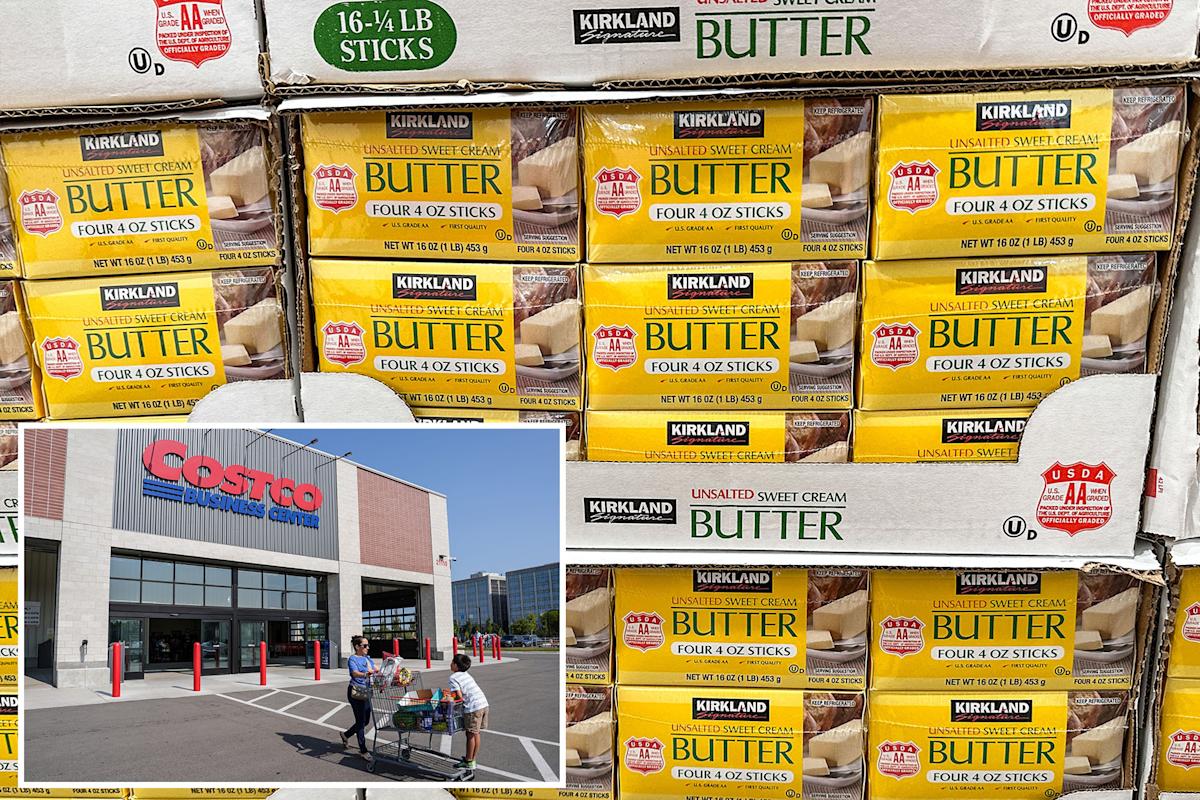
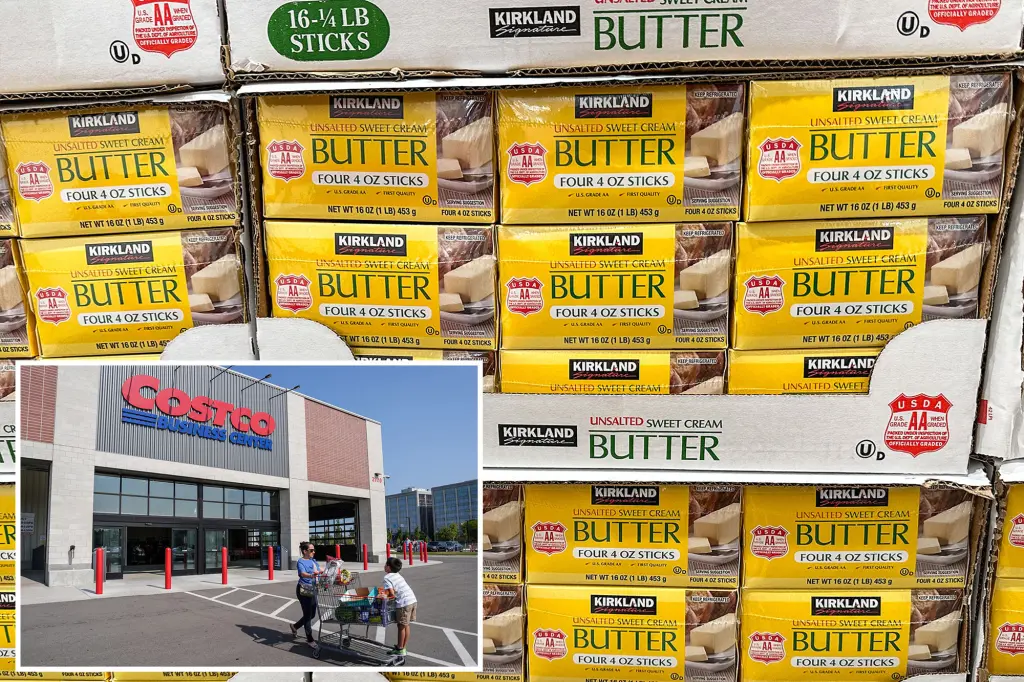
Costco has recalled nearly 80,000 pounds of its Kirkland Signature butter due to a labeling issue that failed to declare milk as an allergen, despite cream being listed as an ingredient. The recall, prompted by the FDA, has sparked widespread ridicule on social media, with users pointing out the obvious dairy content of butter. Critics have also questioned the wastefulness of the recall, suggesting alternative solutions like adding "Contains Milk" stickers to the packaging.
Costco recalled 80,000 pounds of Kirkland Signature butter because the packaging failed to include an allergy warning that it "Contains Milk," despite listing cream as an ingredient. The recall, prompted by the FDA, has sparked ridicule on social media, with users pointing out the obvious dairy content of butter. Critics have suggested alternative solutions, like adding warning stickers, to avoid food waste. No illnesses have been reported.
Several food products, including soft cheese, coffee creamer, butter, bread, smoked salmon, and frozen waffles, have been recalled due to potential health risks such as Listeria contamination and undeclared allergens. Consumers are advised to check their purchases and return affected items for refunds. No illnesses have been reported so far.
Seasonal allergies can manifest in unexpected ways beyond the typical sneezing and sniffles, including bad breath, dizziness, loss of smell, exhaustion, concentration problems, sore throat, snoring, voice changes, headaches, rashes, odd mannerisms, itchy tongue, achy joints, and ear-ringing. These symptoms can be attributed to increased mucus production, nasal congestion, and inflammation caused by allergens. Seeking treatment from an allergist, including allergen avoidance, over-the-counter medications, and allergy shots, can help alleviate these symptoms.
Cashews sold at Walmart stores in over two dozen states are being recalled due to undeclared allergens, specifically coconut and milk not disclosed on the product packaging. The recall affects 8.25-oz. containers of Great Value honey roasted nuts with a "best by" date of July 8, 2025, and a UPC of 078742133348. The issue arose due to mislabeling during the manufacturing process. Consumers with the affected product can return it to Walmart for a refund, and the company is committed to ensuring the health and safety of its customers.
The Wisconsin Department of Agriculture, Trade and Consumer Protection (DATCP) has issued a public health alert for Bacon Cheddar Beef Burgers produced by Nilssen’s Foods due to misbranding and undeclared allergens, including hydrolyzed soy protein and anchovies. The product was sold at Nilssen’s Market and grocery stores in several Wisconsin counties. Consumers with soy and/or fish allergies are advised not to consume the product, and no illnesses have been reported. Those experiencing foodborne illness or allergic reactions should contact a doctor, and consumers with the product should discard it.
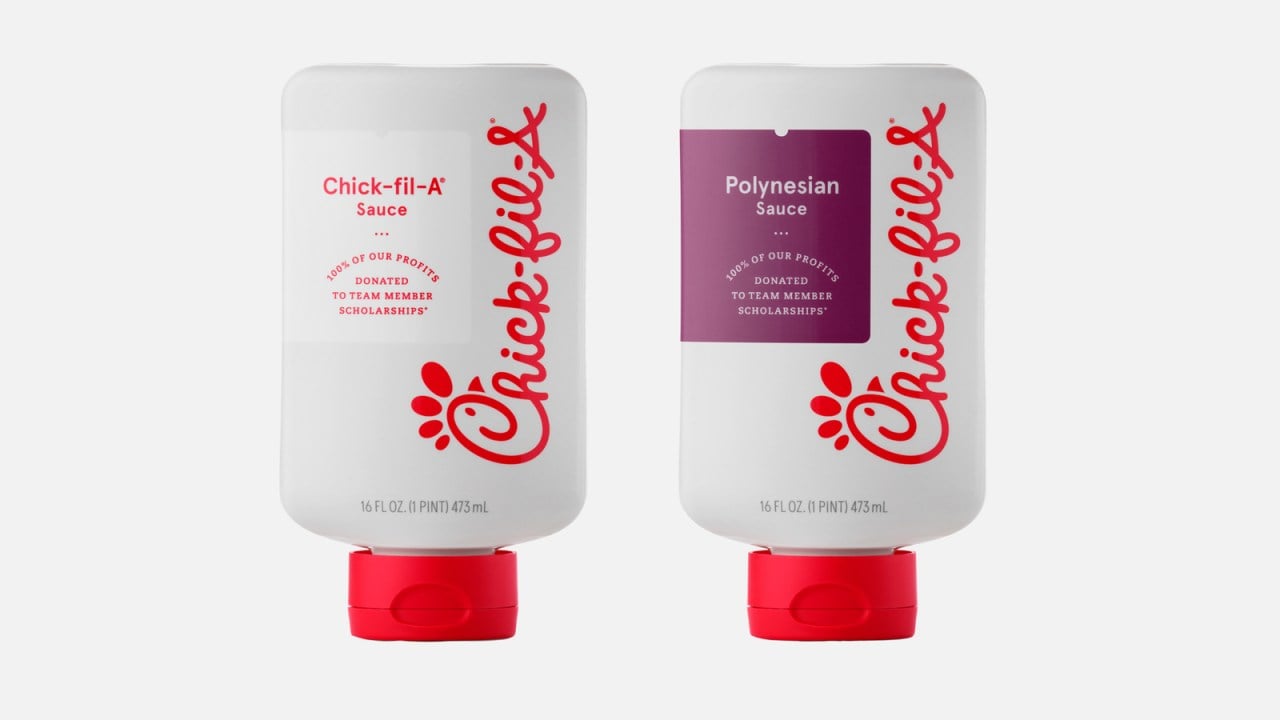
Chick-fil-A has recalled its Polynesian sauce dipping cups due to potential contamination with wheat and soy allergens, as some cups were filled with Sriracha sauce containing these allergens. Customers are advised to discard any cups taken home between February 14-27, 2024. The recall affects restaurants in 27 states, and the company has alerted customers through its website, application, and signage. The recall only applies to the dipping cups and not the bottled sauce sold in grocery stores. Customers with questions can contact Chick-fil-A CARES at 866-232-2040.
Chick-fil-A is warning customers to discard Polynesian sauce packets taken home between Feb. 14 and 27 due to potential contamination with allergens. The sauce may actually contain the Sweet and Spicy Sriracha sauce, which includes wheat and soy allergens. The company apologized for the experience and urged customers with questions to contact Chick-fil-A CARES at 1-866-232-2040.
Pets can experience allergies, especially in the fall when environmental allergens like ragweed and mold are prevalent. Allergies can cause discomfort, itching, skin infections, and behavioral changes in pets. Common fall allergens for pets include ragweed pollen, mold, dust mites, and other outdoor allergens. Symptoms of fall allergies in pets include excessive itching, skin irritation, ear infections, digestive issues, respiratory symptoms, watery eyes, changes in behavior, seasonal patterns, and frequent licking or chewing of paws. Treatment options for pet allergies include identifying and avoiding allergens, administering medications, applying topical treatments, switching to a special diet, managing the pet's environment, and seeking alternative therapies. It is important to consult with a veterinarian for proper diagnosis and treatment.
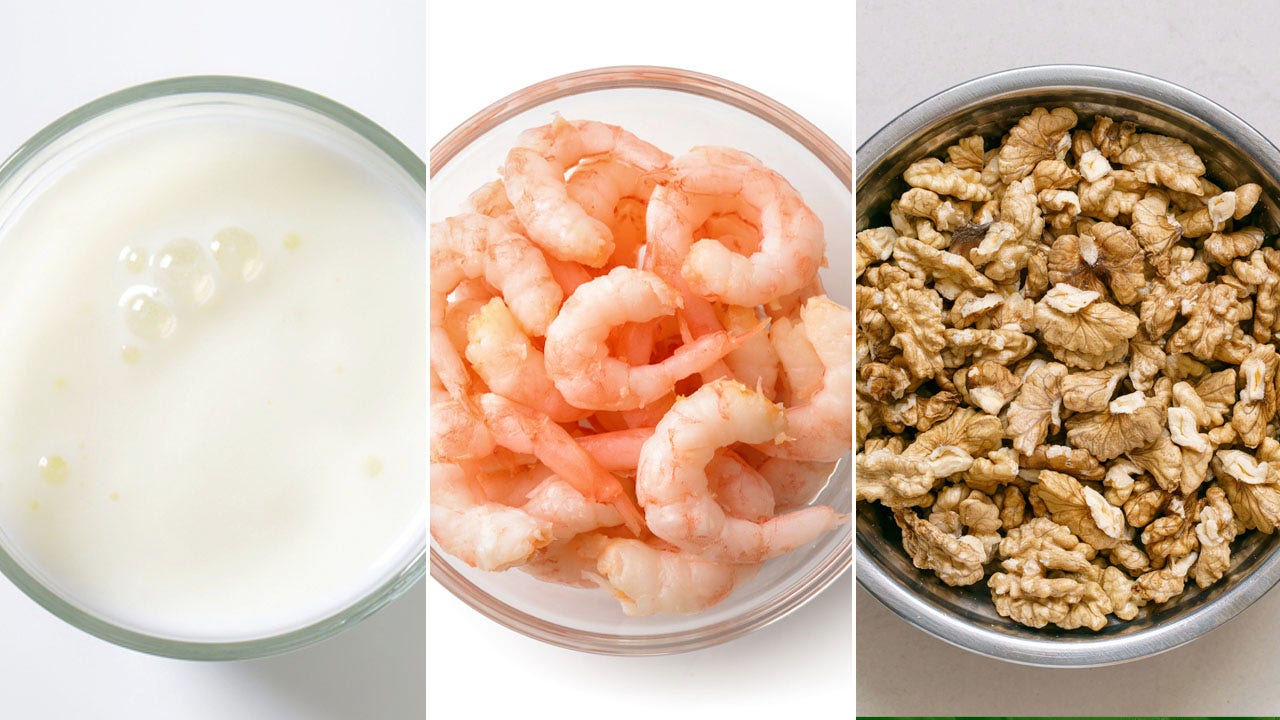
August 8 is "Top 8 Challenge Day," which aims to raise awareness of the top 8 allergens related to eosinophilic gastrointestinal disorders (EGIDs). The top 8 food allergens are milk, fish, crustacean shellfish, eggs, soy, wheat, peanuts, and tree nuts. People with food allergies are advised to work with a doctor or registered dietitian to develop a suitable diet plan. Food allergies affect an estimated 8% of children and 6.2% of adults in the United States. Removing an allergen from the diet for one day may not provide accurate results, and it is recommended to work with a dietitian specializing in food allergies for a longer period of time. It is important to take food allergies seriously, as exposure to allergens can be life-threatening.
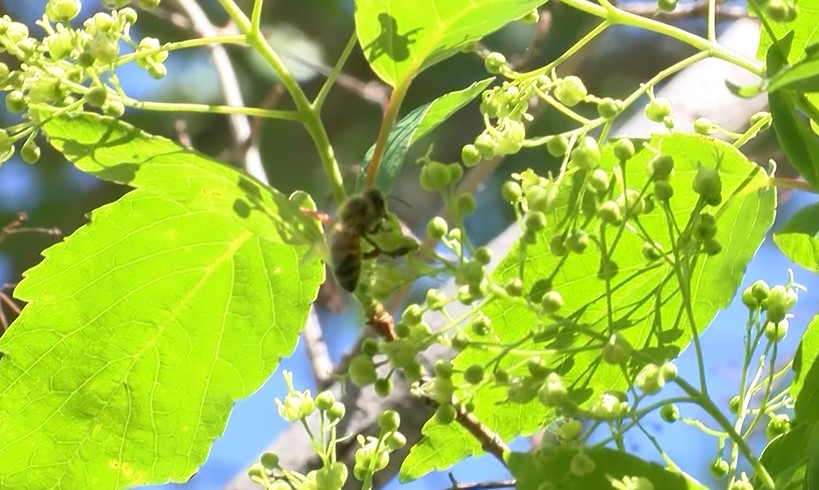
Albuquerque has been ranked as the worst city in the United States for seasonal allergy sufferers, according to a recent Forbes study. The study cites the southwest's temperature and climate change as factors for the ranking. The city's abundance of cypress trees such as juniper, cedar, and cottonwoods are part of the reason why the city is ranked so poorly. The best way to relieve allergy symptoms is to get tested for an allergy test and shower after being outdoors.