Microsoft has announced its first in-house developed text-to-image generator, MAI-Image-1, which excels at photorealistic imagery and has already ranked in the top 10 on the AI benchmark site LMArena. The model aims to produce faster, high-quality images and is part of Microsoft's broader AI product suite, with a focus on safety and responsible use.

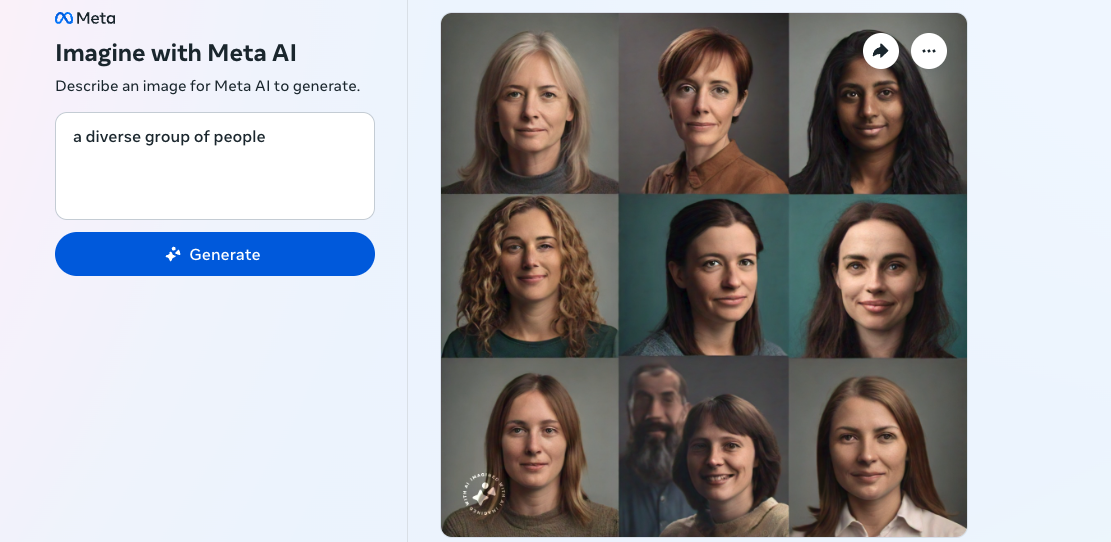
Meta's AI-powered image generator, Imagine, has been found to consistently fail at generating images of white women and Asian men together, sparking concerns about racial biases in AI technology. The application was able to respond to other unusual prompts, but its inability to depict interracial couples involving Asian men has raised questions about the underlying issues with race in AI platforms. This incident follows a similar controversy involving Google's Gemini image generator, highlighting the ongoing challenges faced by tech companies in creating inclusive and accurate AI platforms.
Meta's AI image generator is struggling to accurately depict images of couples of different races, often defaulting to creating images of people of the same race even when prompted otherwise. The generator also exhibits subtle signs of bias, such as making Asian men appear older and Asian women appear younger, and adding culturally specific attire without prompt. This issue adds to the growing scrutiny of generative AI platforms' depiction of race, with Google's Gemini image generator also facing similar challenges. Meta AI has described its platform as being in "beta" and prone to mistakes, and has yet to respond to requests for comment on these issues.
A Microsoft AI engineer has raised concerns about the company's Copilot Designer AI image generator producing disturbing and unsafe imagery, including violence, illicit behavior, and biased content. Despite efforts to alert Microsoft, the engineer felt stonewalled and escalated the issue to the Federal Trade Commission, urging the company to take down the service and conduct an investigation. Microsoft has responded, stating its commitment to addressing employee concerns and enhancing safety measures for its technology.
A Microsoft engineer, Shane Jones, has raised concerns about the company's AI image-generator tool, Copilot Designer, which can produce offensive and harmful imagery. He has sent letters to U.S. regulators and Microsoft's board of directors, urging action to address the tool's safety issues. Jones highlighted the tool's tendency to generate inappropriate and harmful content, including sexually objectified images, violence, political bias, and more. He has also brought his concerns to the U.S. Senate and the state attorney general in Washington. The engineer's efforts shed light on the potential dangers of AI image-generators and the need for effective safeguards in their development and use.
A Microsoft employee, Shane Jones, has raised concerns about the safety of the company's AI image generator, Copilot Designer, in a letter to the FTC, claiming it produces "harmful content" reflecting sex, violence, and bias. Jones alleges that Microsoft denied his request to make the tool safer and is urging the FTC to educate the public on the risks associated with using the tool, particularly for children. Microsoft has stated its commitment to addressing employee concerns, but Jones has criticized the company for marketing the tool as safe while being aware of systemic issues. This comes amid similar concerns about AI image generators from other tech companies, such as Google.
Microsoft engineer Shane Jones warns that the company's AI image generator, Copilot Designer, is producing disturbing and inappropriate images in response to basic prompts, such as "pro-choice" and "car accident." Despite Jones' efforts to alert Microsoft and request the removal of Copilot Designer from public use, the company has not taken action. The AI tool's output violates Microsoft's Responsible AI guidelines, and its issues highlight the ongoing challenges with AI safeguards and content moderation in technology products.
A Microsoft AI engineer, Shane Jones, has raised safety concerns about the company's AI image generator, Copilot Designer, to the Federal Trade Commission, stating that the tool is capable of generating harmful images including demons, monsters, and explicit content. Despite repeated warnings, Microsoft has not taken down the tool, which uses the DALLE-3 model. Jones has urged Microsoft to implement better safeguards but the company has failed to do so, continuing to market the product. Microsoft has not yet responded to the recent developments.
A Microsoft engineer, Shane Jones, has raised concerns about the company's AI image generator, Copilot Designer, for creating violent and sexualized images, as well as potentially violating copyrights. Despite reporting his findings to Microsoft and OpenAI, the product remains on the market with an "E for Everyone" rating on Google's Android app. Jones has escalated his concerns by sending letters to the Federal Trade Commission and Microsoft's board of directors, urging for better safeguards and responsible AI incident reporting processes. The AI tool's capability to produce harmful and disturbing images globally without proper guardrails has sparked a public debate about generative AI and the need for stricter regulations.
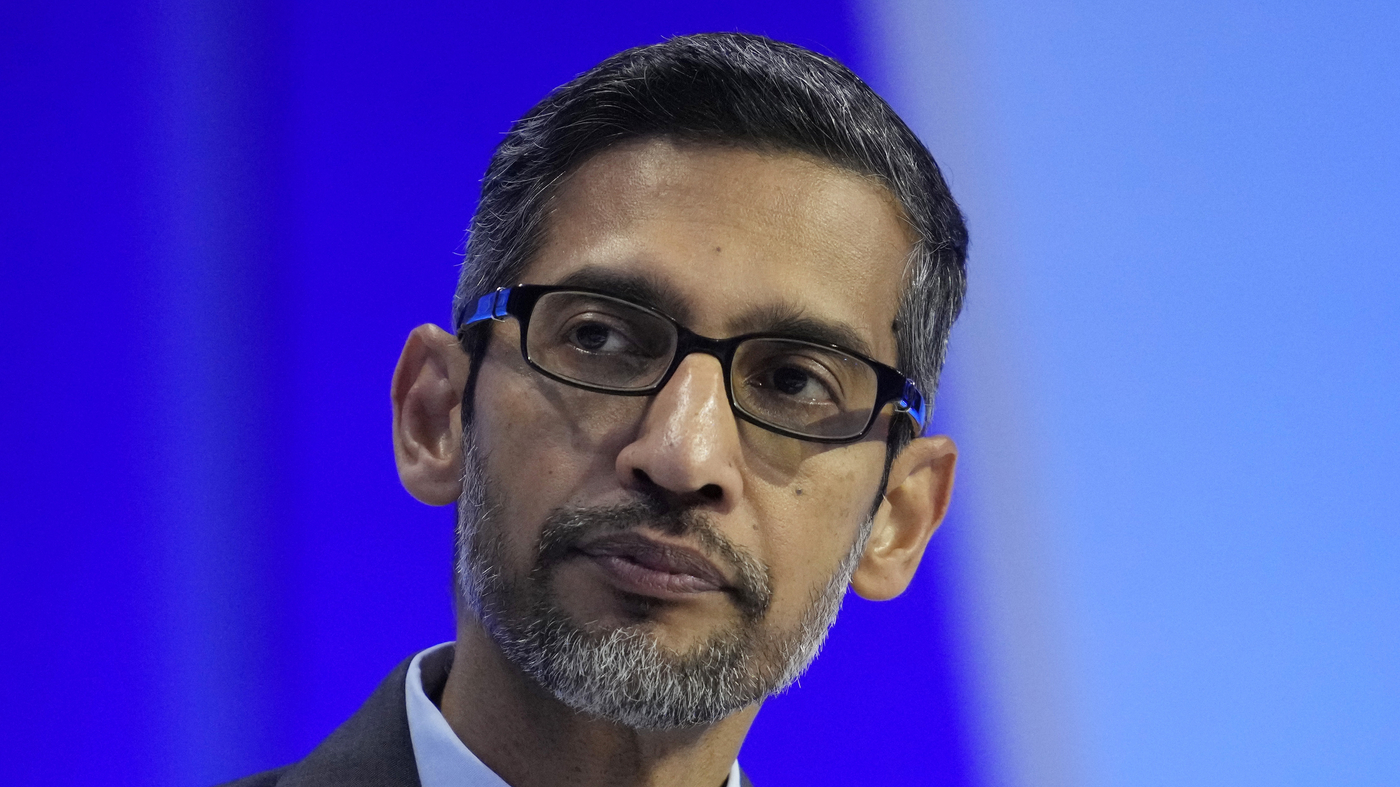
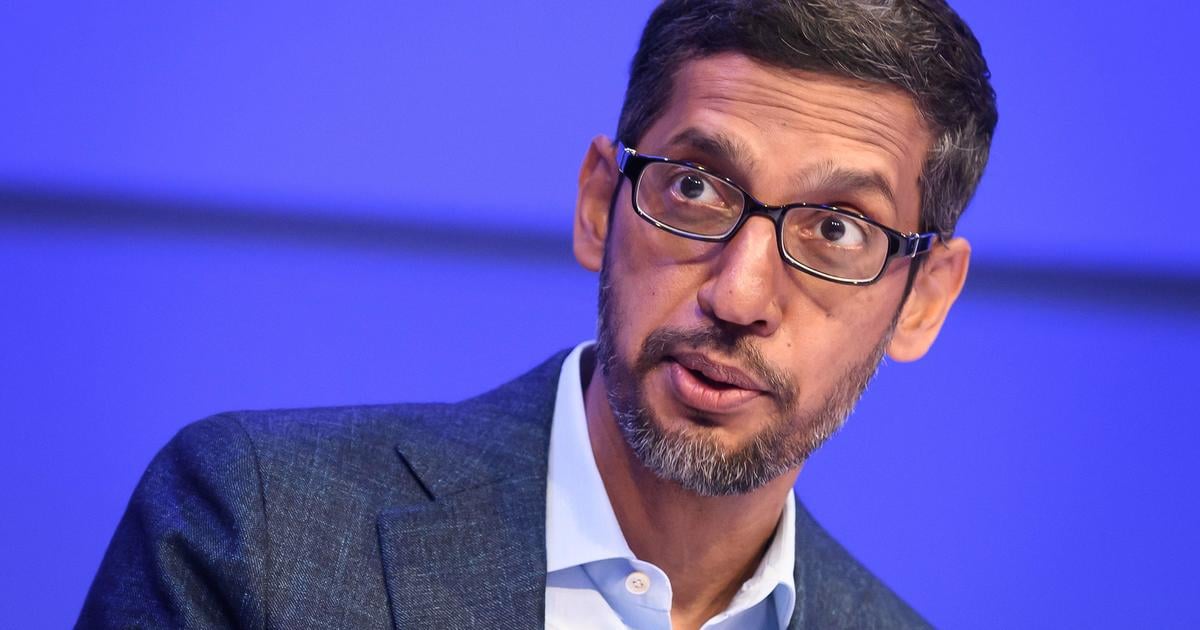
Google CEO Sundar Pichai criticized the release of the AI tool Gemini, acknowledging its offensive and biased image results. The tool, which was paused after creating controversial images, also faced backlash for its text responses. Pichai promised to fix and relaunch the service, emphasizing the need for structural changes and improved processes. The incident highlights the challenges of AI technology and the pressure on tech companies to stay competitive in the AI arms race.
Google CEO Sundar Pichai has criticized the company's Gemini AI app for producing "completely unacceptable" responses, including generating historically inaccurate images. The tool, which has been temporarily halted, faced backlash for depicting German soldiers during World War 2 as Black and Asian and popes as female. Pichai acknowledged the issues and emphasized the company's commitment to addressing them, while also highlighting the challenges of AI development. Additionally, concerns have been raised about the potential impact of AI-powered chatbots on the upcoming U.S. elections.
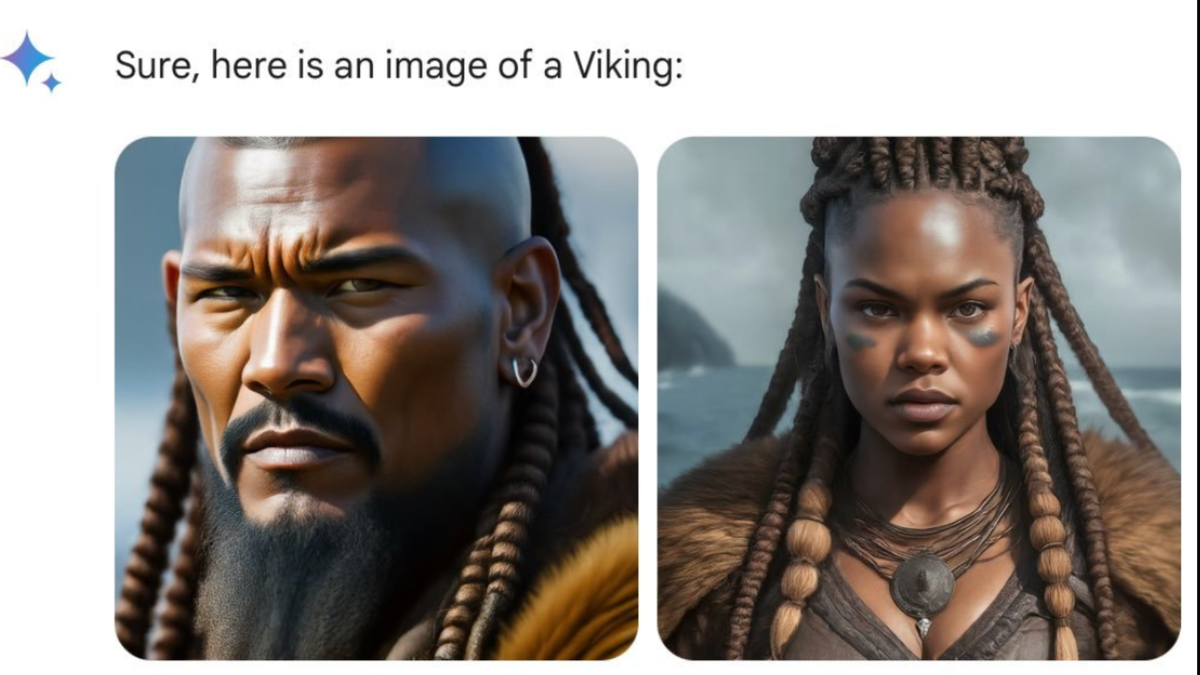
Google's AI image generator, Gemini, faced backlash for consistently producing ethnically diverse images but struggling to generate consistent images of white people, including historically inaccurate depictions of figures like Vikings and Nazis. After temporarily disabling the feature, Google plans to relaunch Gemini in a few weeks, acknowledging that it had not been working as intended. The controversy sparked accusations of reverse racism from rightwing influencers and raised concerns about racial representations in AI technology.
Google plans to relaunch its AI image generator tool, Gemini, in a few weeks after pulling it due to criticism over inaccurate and controversial images. The tool, part of Google's suite of AI models, faced backlash for generating historically inaccurate and questionable images in response to user prompts. The controversy has reignited debates about AI ethics and raised concerns about Google's commitment to responsible AI development. Alphabet CEO Sundar Pichai is facing criticism for the company's handling of AI products, and Google is working to address the issues with Gemini's image generation.
Google admits its AI image generator, Gemini, "missed the mark" by creating inaccurate and offensive images, particularly regarding historical depictions and representation of different ethnicities. The company acknowledged the issue, paused the image generation feature, and vowed to conduct extensive testing before relaunching it. The AI's refusal to show images of White people and its explanation for doing so sparked intense backlash. Google emphasized that Gemini is separate from its search engine and recommended relying on Google Search for high-quality information.
Google blocked its AI tool Gemini's ability to generate images of people after accusations of anti-White bias, sparked by examples of non-White individuals being generated for prompts like "Founding Father of America." The move comes amid ongoing concerns about diversity and bias in AI tools, which are often trained on data that reflects discriminatory and limited perspectives. Google's response to the issue and the broader challenges of mitigating bias in AI image generators are under scrutiny.