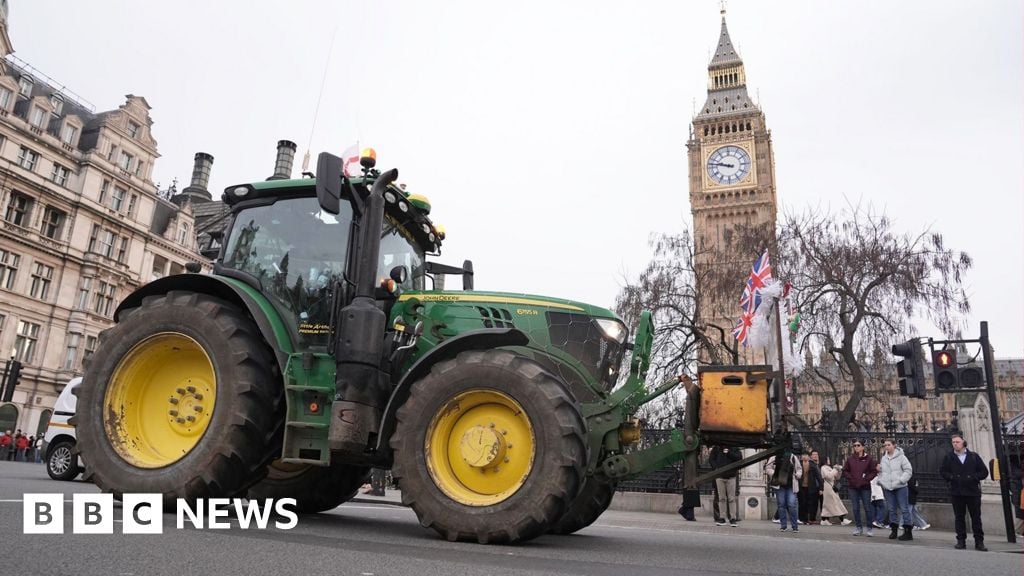
The UK government has significantly relaxed its plans to tax inherited farmland, raising the threshold from £1m to £2.5m after protests from farmers and political pressure, aiming to protect family farms while still targeting larger estates and wealthy investors.
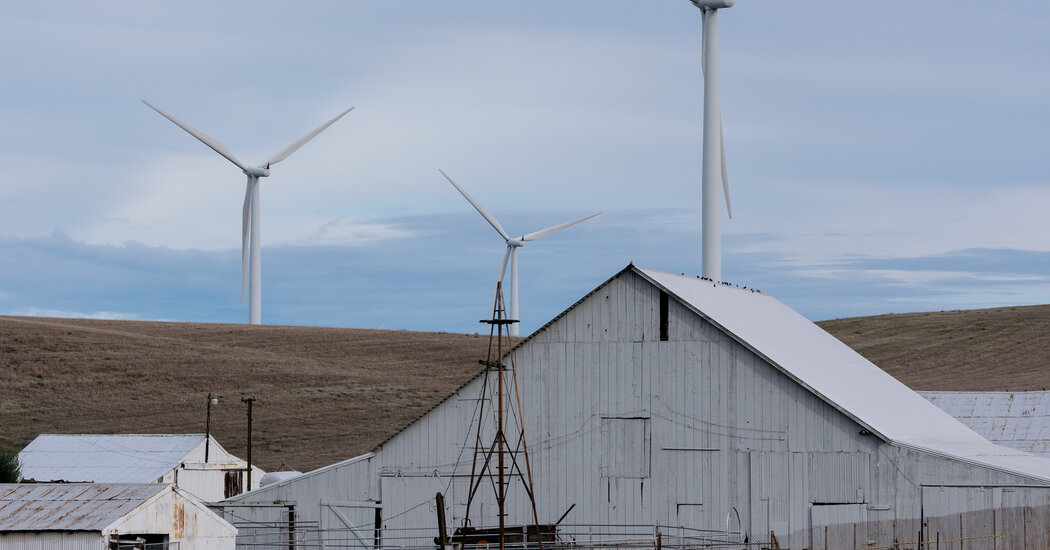
The Trump administration announced plans to ban the installation of solar panels and wind turbines on U.S. farmland, citing national security concerns over Chinese-made solar panels and opposing green energy initiatives, as part of a broader effort to promote fossil fuels and dismantle environmental regulations amid the ongoing climate crisis.
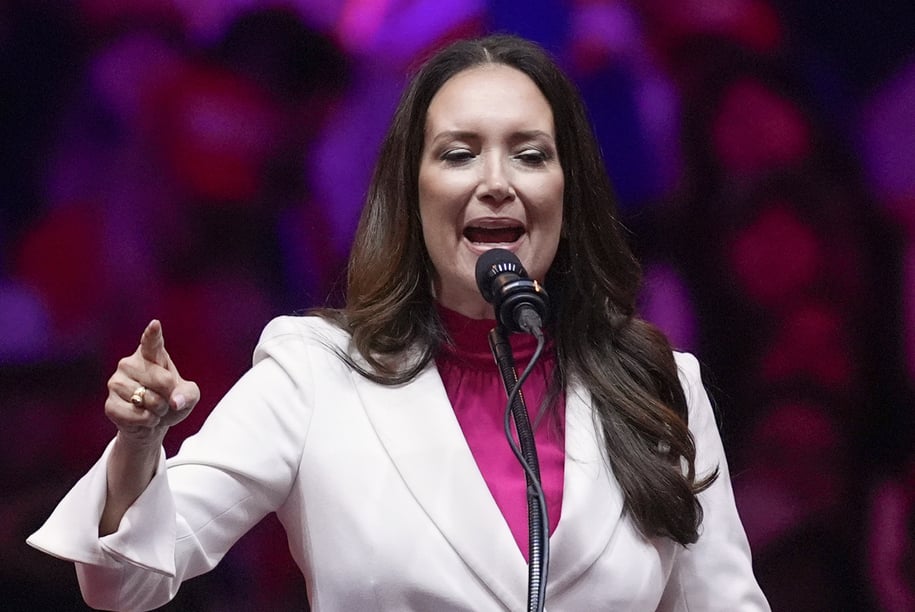
USDA Secretary Brooke Rollins announced that taxpayer funds will no longer support solar panels on prime farmland or allow foreign-made solar panels in USDA projects, aiming to protect American farmland, food security, and national security from the impacts of green energy subsidies and foreign competition.
In Solano County, California, a group of tech billionaires, including Michael Moritz, Reid Hoffman, and Laurene Powell Jobs, have spent $900 million on farmland to build a city of 400,000, causing upheaval among local farmers who have been approached by a company called Flannery Associates. The company's attempts to buy up farmland have sparked feuds and suspicions among the locals, who are skeptical about the idea of paving over ranches to address San Francisco's urban housing problems.
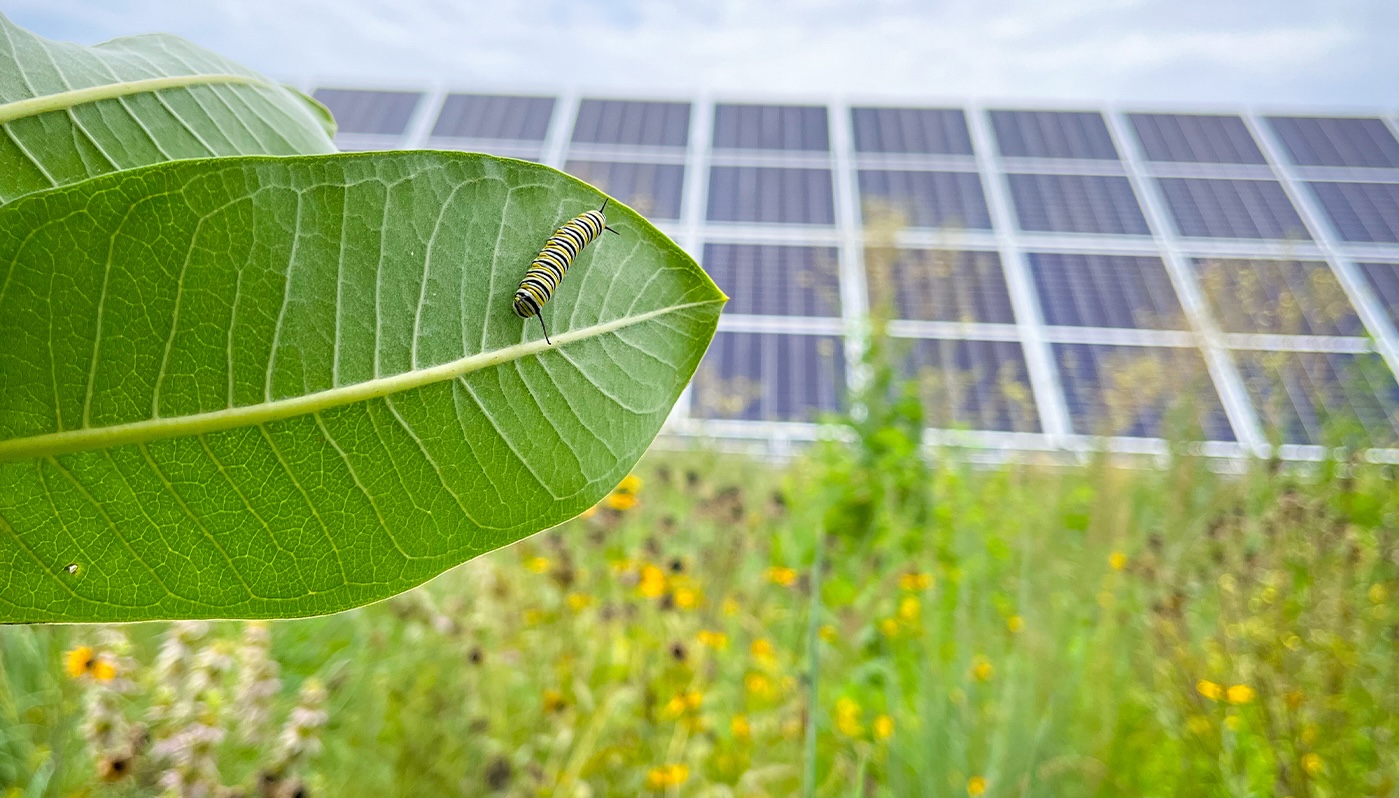
Agrivoltaics, the practice of combining solar panels with agriculture, is gaining traction as a way to rehabilitate disrupted soil into pollinator habitats and increase yields on nearby fields. A recent study by the US Department of Energy's Argonne National Laboratory in Minnesota found that planting native grasses and flowering plants in solar arrays led to increases in native plant species diversity, flower abundance, and insect pollinators. The study suggests that devoting marginal farmland to agrivoltaic development can help improve yields at nearby prime farmland, making it an attractive option for solar development. Additionally, agrivoltaics is evolving to permit actual farming within solar arrays, offering potential to sustain entire agricultural sectors.
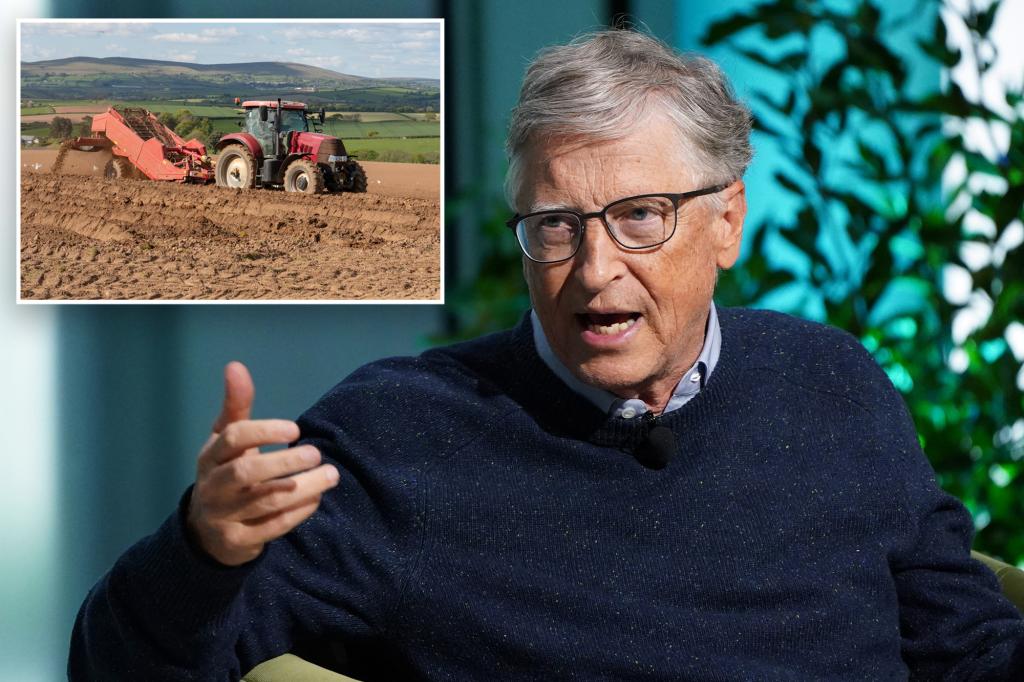
A new book titled "Controligarchs" claims that Bill Gates' investments in patented fertilizers, fake meat, and U.S. farmland are not aimed at saving the planet but rather enriching his bank account. The book argues that Gates' efforts to buy up American farmland and invest in synthetic dairy and lab-grown meats are more about inflating his net worth than eliminating carbon emissions. It suggests that Gates, along with other tech giants, is monopolizing the nation's food supply and controlling the intellectual property of food production through trademarks, copyrights, and patents. The book also highlights Gates' investments in water rights and warns that his next target is synthetic meat companies.
The state of Arkansas is forcing a Chinese-owned seed producer, Syngenta, to sell 160 acres of farmland within the next two years due to national security concerns. The company, acquired by China National Chemical Corp in 2017, is on the US Department of Defense's list of Chinese military companies posing a threat to national security. Arkansas Governor Sarah Huckabee Sanders stated that seeds are considered technology, and hostile countries could exploit knowledge of American farming practices. The state's Attorney General, Tim Griffin, announced a fine for Syngenta for failing to disclose its foreign ownership. The move marks the first enforcement of a law banning foreign entities from owning agricultural land in Arkansas.
Several US states are considering or have passed measures to ban foreign entities, specifically China, from buying farmland, which could violate the US Constitution and fuel anti-China sentiment. Experts warn against knee-jerk responses and call for lawmakers to act on evidence, not suspicion. Politicizing economic and trade investment issues and having anti-China sentiment will ultimately harm the US itself and create huge uncertainty for future China-US relations.
Kyle T. Osgood, the assistant chief of the Farmland Volunteer Fire Department, was killed in an accident involving a tanker truck while en route to a reported barn fire. The vehicle reportedly rolled over as it approached a curve, coming to rest on both Osgood and fellow firefighter Zachary Lee, who was seriously injured. Osgood, a volunteer firefighter for about 15 years, was the grandson of a former Farmland fire chief.
Several states in the US are passing laws to restrict foreign ownership of farmland, citing national security concerns and the need to protect American agriculture. However, data from the USDA shows that holdings by Chinese investors and partners make up less than 1% of foreign-owned farmland and 0.03% of all US farmland. Critics argue that these laws discriminate against Chinese Americans and echo xenophobic policies from the past. Some lawmakers propose using the current review process for sensitive foreign investments or tweaking it slightly to address national security concerns.
The Texas Senate has passed a bill that prohibits citizens of countries that pose a national security threat to the US from owning certain types of land in the state, including agriculture, oil, timber, and mineral-bearing areas. The legislation targets China, Russia, Iran, and North Korea, which have been named on the Director of National Intelligence's National Threat Assessment for three years in a row. Lawful permanent residents and dual citizens will still be allowed to buy land. Similar bills have been introduced in other states, and at the national level, Sen. Tom Cotton has introduced a bill that would ban Chinese citizens from purchasing farmland and real estate in the US.
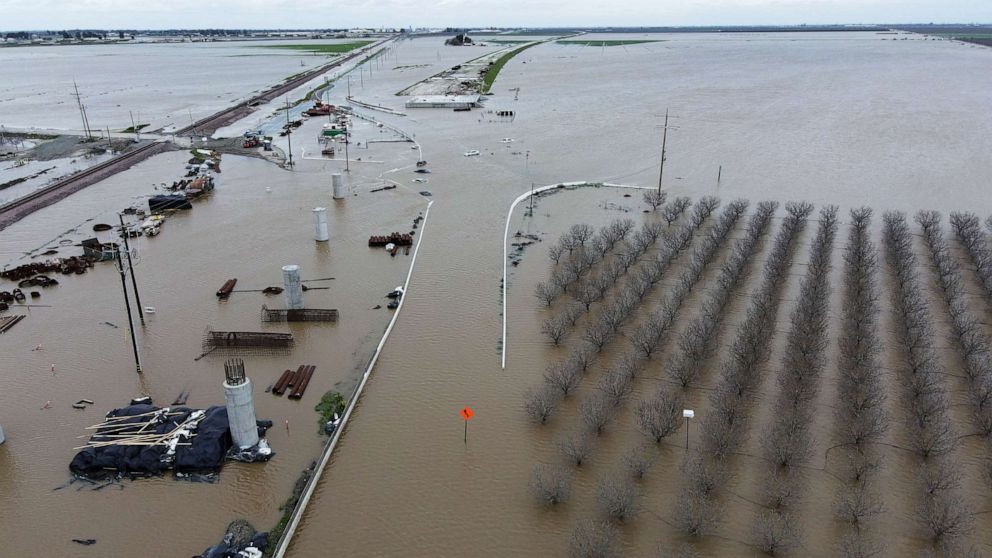
California's Central Valley is battling flooding and evacuations due to the latest atmospheric river storm, with farmland experiencing a "catastrophic level of water." The snowpack on the Sierra Nevada mountains is melting, leading to concerns about flooding in the Central Valley for weeks and months to come. The floods have impacted dairy and crop operations, with some creameries suspending operations and planting likely to be delayed. Officials are also preparing for the record historic snowpack on the Sierra Nevada to melt, bringing with it the threat of additional flooding.