USDA Secretary Brooke Rollins announced that taxpayer funds will no longer support solar panels on prime farmland or allow foreign-made solar panels in USDA projects, aiming to protect American farmland, food security, and national security from the impacts of green energy subsidies and foreign competition.
Microsoft has identified increased cyber attacks and disinformation campaigns from foreign adversaries, such as Russia and Iran, targeting the U.S. presidential election. These efforts include AI-enhanced fake content and hacking attempts, with Microsoft focusing on these threats due to their persistent funding. While foreign interference is significant, domestic political groups are also expected to spread rumors and conspiracy theories. Microsoft aims to provide more transparency about these threats, contrasting with other tech companies that have reduced their content policing efforts.
An intelligence report obtained by ABC News warns that the collapse of the Francis Scott Key Bridge in Baltimore has reduced the resiliency of US port and shipping operations, potentially creating opportunities for foreign adversary exploitation. The collapse has rerouted $80 million in maritime cargo and trucking, impacting the flow of goods and resulting in thousands of job losses. While there are no significant impacts on customs enforcement so far, the report cautions that U.S. adversaries could exploit any logistical setbacks resulting from the bridge collapse. President Joe Biden has pledged full federal support for the bridge's reconstruction.
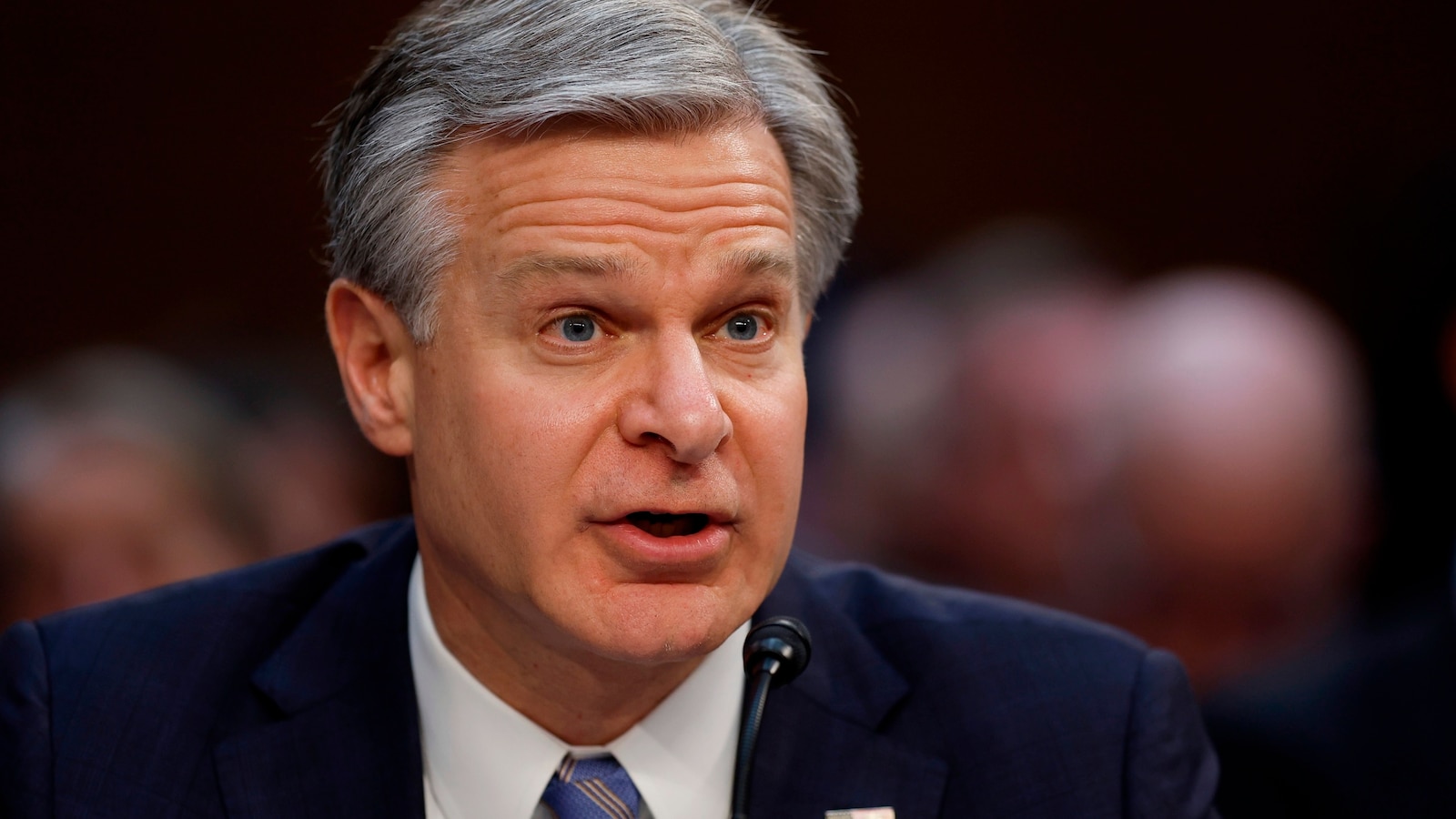
FBI Director Christopher Wray expressed growing concern over foreign adversaries and terrorist groups targeting the United States through cyber operations, security threats, and "mafia-like" tactics, with a particular focus on ISIS-K and renewed calls for attacks against Jewish communities. Wray also highlighted threats from Russia, China, North Korea, and Iran, emphasizing Russia's targeting of critical infrastructure and China's extensive cyber program. He defended Section 702 of the Foreign Intelligence Surveillance Act and criticized proposed budget cuts to the FBI, warning that such cuts would benefit violent criminals, child predators, foreign governments, cyber hackers, and terrorists while harming law enforcement and the American people.
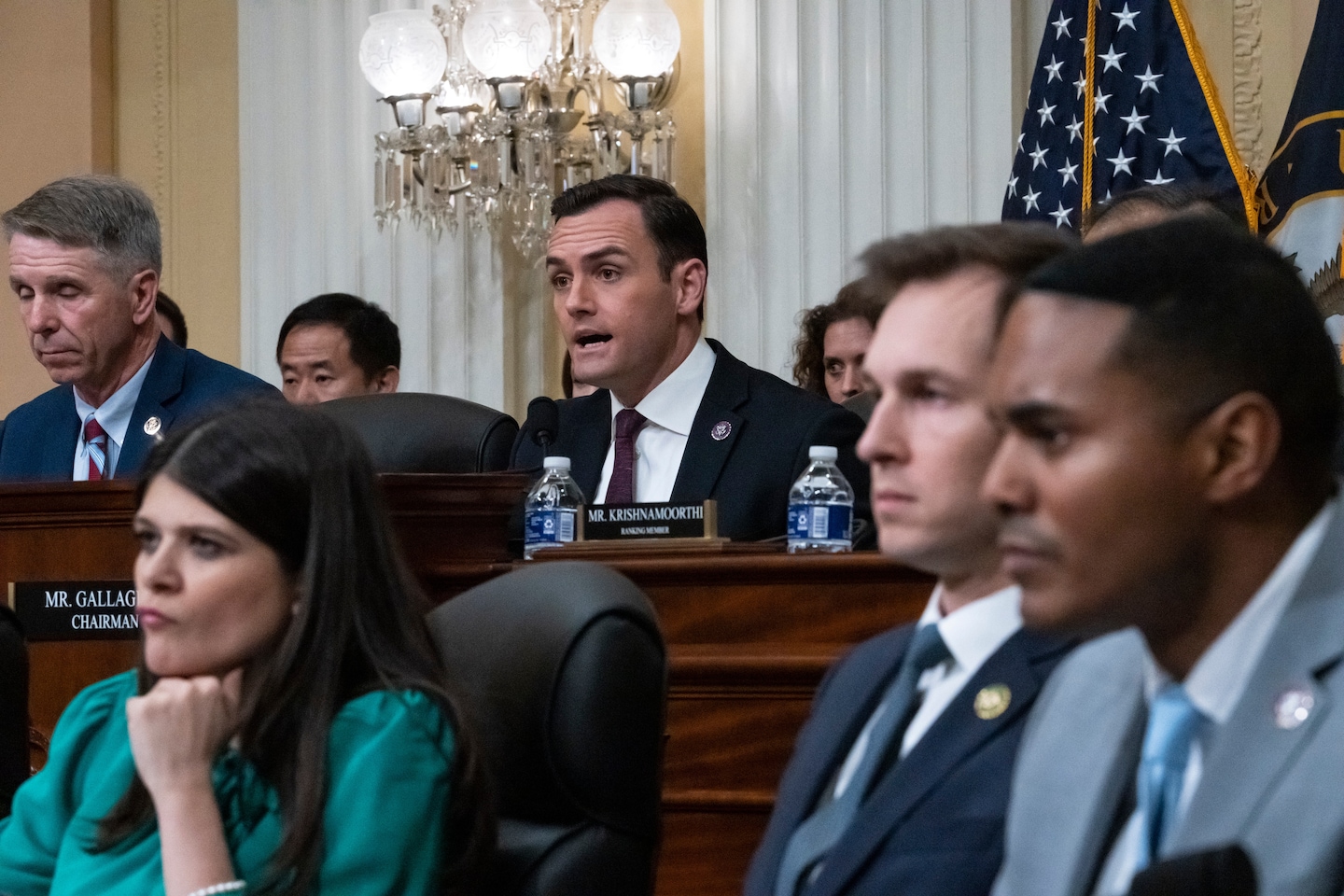
Representative Mike Gallagher has introduced legislation aimed at preventing foreign adversaries, including China, from purchasing land near military bases and sensitive sites in the United States. The bill would empower the Committee on Foreign Investment in the United States to block land acquisitions by companies controlled by China, Russia, Iran, Cuba, North Korea, and Venezuela. The proposed legislation follows recent land sales near Air Force bases involving purchasers linked to China or with undisclosed ownership details. The bill would establish a presumption of denial for deals involving parcels near military bases, intelligence sites, national laboratories, and critical telecommunications nodes. The measure has bipartisan support, reflecting ongoing congressional hostility towards Beijing.
Federal prosecutors argued in a court filing that Jack Teixeira, the 21-year-old airman accused of leaking classified Pentagon records, shared sensitive information with people in foreign countries and repeatedly told his online associates that he was violating military rules he had signed. Prosecutors urged the U.S. District Court in Massachusetts to keep Teixeira detained until trial, saying foreign adversaries would "salivate" at the prospect of helping him evade the U.S. government. Teixeira's lawyers submitted their own filing asking the court to release him.
Montana Governor Greg Gianforte is seeking to expand his TikTok ban to include all social media apps that share certain data with foreign adversaries. The amended language would prevent app stores from being held liable for offering the potentially banned social media apps. The bill is currently headed to the governor's desk and is expected to face legal challenges. TikTok has been under fire over concerns it could hand over user data to the Chinese government or push pro-Beijing propaganda and misinformation on the forum.