The Sony Alpha 7 V is a well-balanced, reliable full-frame camera that emphasizes speed, intelligent autofocus, and system stability, making it popular among photographers and hybrid creators, without being a radical innovation or a cinema-specific device.
Finnish company IXI is developing smart glasses with real-time autofocus capabilities using eye-tracking sensors and liquid crystal lenses, aiming to improve upon traditional bifocal and varifocal lenses by providing seamless, adjustable vision for both near and far distances, with plans for launch in Europe within a year.
The Sony A7 V, an affordable full-frame mirrorless camera, performs impressively in wildlife photography, including challenging conditions like snowstorms, thanks to its fast burst rate, subject detection autofocus, and weather sealing, though it faces some competition and has limitations in low-light sensitivity.
The Nikon ZR is a highly capable full-frame mirrorless cinema camera priced at $2,200, offering exceptional RAW video quality with RED's 12-bit RAW format, fast autofocus, in-body stabilization, and a large bright display, making it a strong competitor in the content creation market despite some drawbacks like mediocre battery life and lack of an EVF.
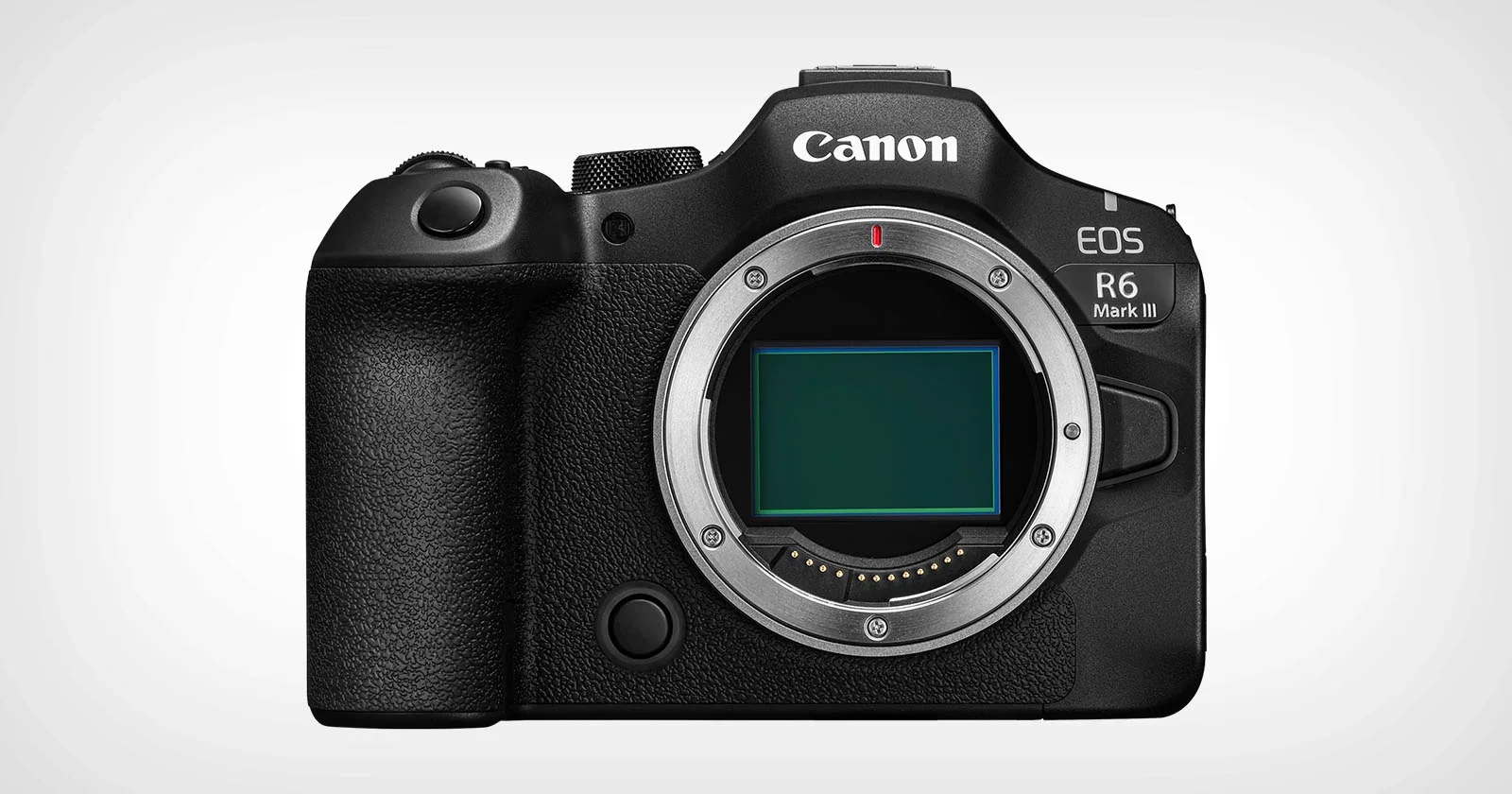
Canon has unveiled the EOS R6 Mark III, a versatile full-frame mirrorless camera featuring a new 32.5MP sensor, improved autofocus, and advanced video recording capabilities, aimed at both enthusiasts and professionals. It offers higher resolution, faster shooting, and enhanced video features, with availability later this month at a starting price of $2,799.
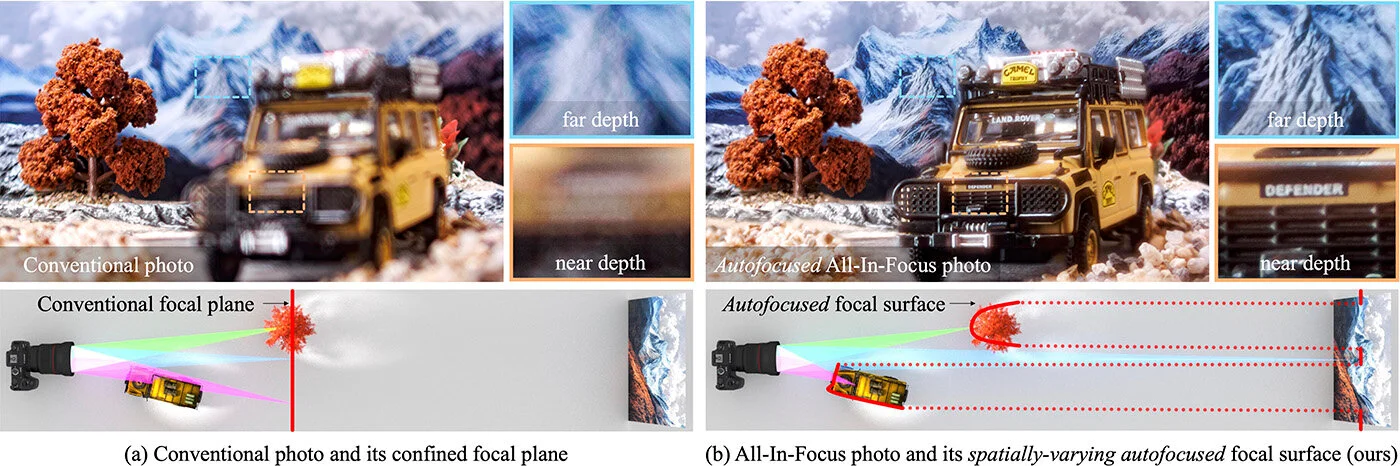
Researchers at Carnegie Mellon University have developed a novel computational camera lens capable of focusing on everything in a scene simultaneously, using a hybrid optical and algorithmic system that adjusts focus at every point, potentially revolutionizing photography, microscopy, and AR/VR applications.
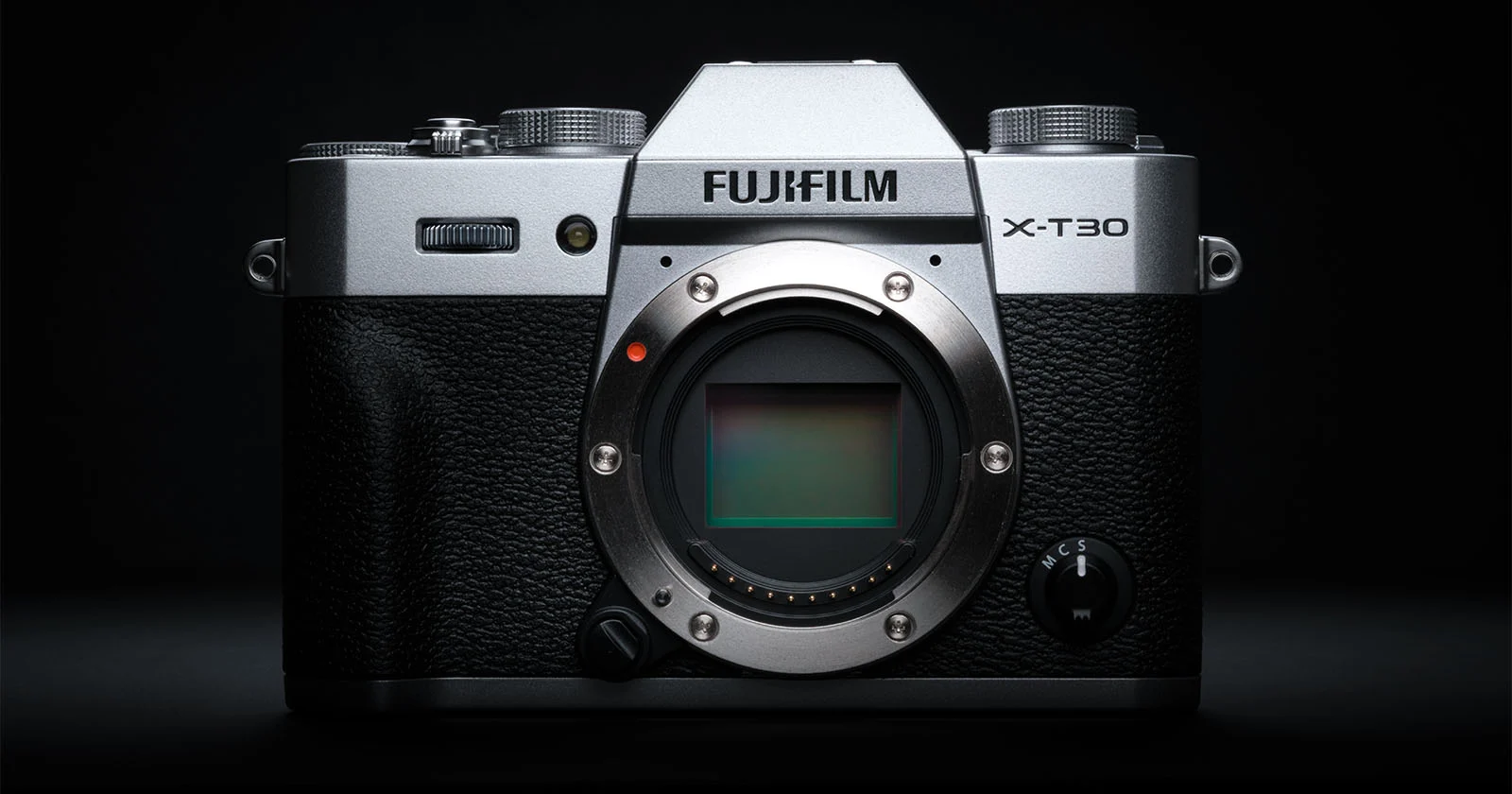
Fujifilm announced the X-T30 III, an entry-level mirrorless camera featuring the same 26.1MP sensor as its predecessor but upgraded with the newer X-Processor 5 for better AI autofocus, longer battery life, and enhanced video capabilities. It introduces new Film Simulations and a dedicated film simulation dial, maintaining a compact design and adding automatic scene detection. Available in late November for around $999, it targets photographers seeking a versatile, stylish camera with modern features.
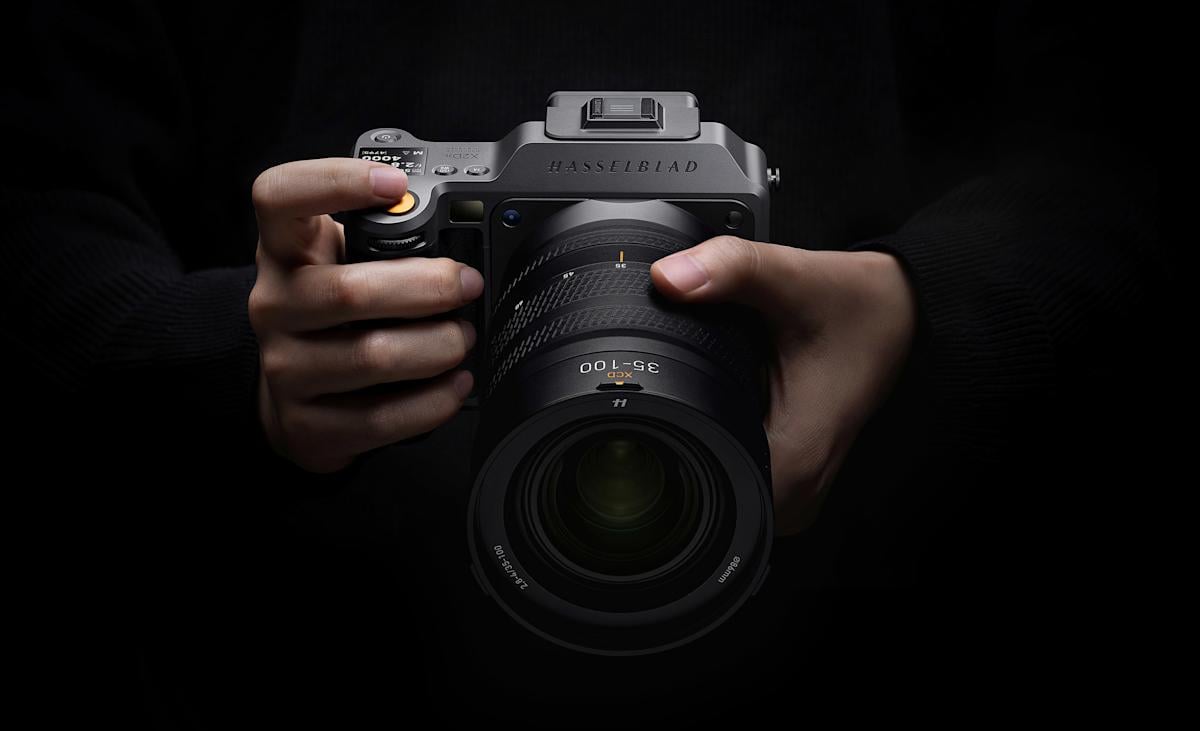
Hasselblad's X2D II 100C camera improves upon its predecessor with enhanced autofocus, 10-stop stabilization, HDR support, a brighter display, and a lighter design, all at a lower price of $7,399, along with new lenses and accessories.
The author, a professional photographer, argues that despite the advantages of mirrorless cameras, DSLRs still outperform them in low-light conditions due to their dedicated autofocus modules, making DSLRs more reliable for capturing fleeting moments in challenging lighting. The article emphasizes the importance of trust and reliability in professional photography and calls for improvements in mirrorless autofocus technology.
Apple is developing a dual autofocus sensor system for future iPhones that could enable instant, sharper photos even through glass or in motion, by using two laser beams to measure distance and improve focus accuracy, potentially revolutionizing mobile photography.
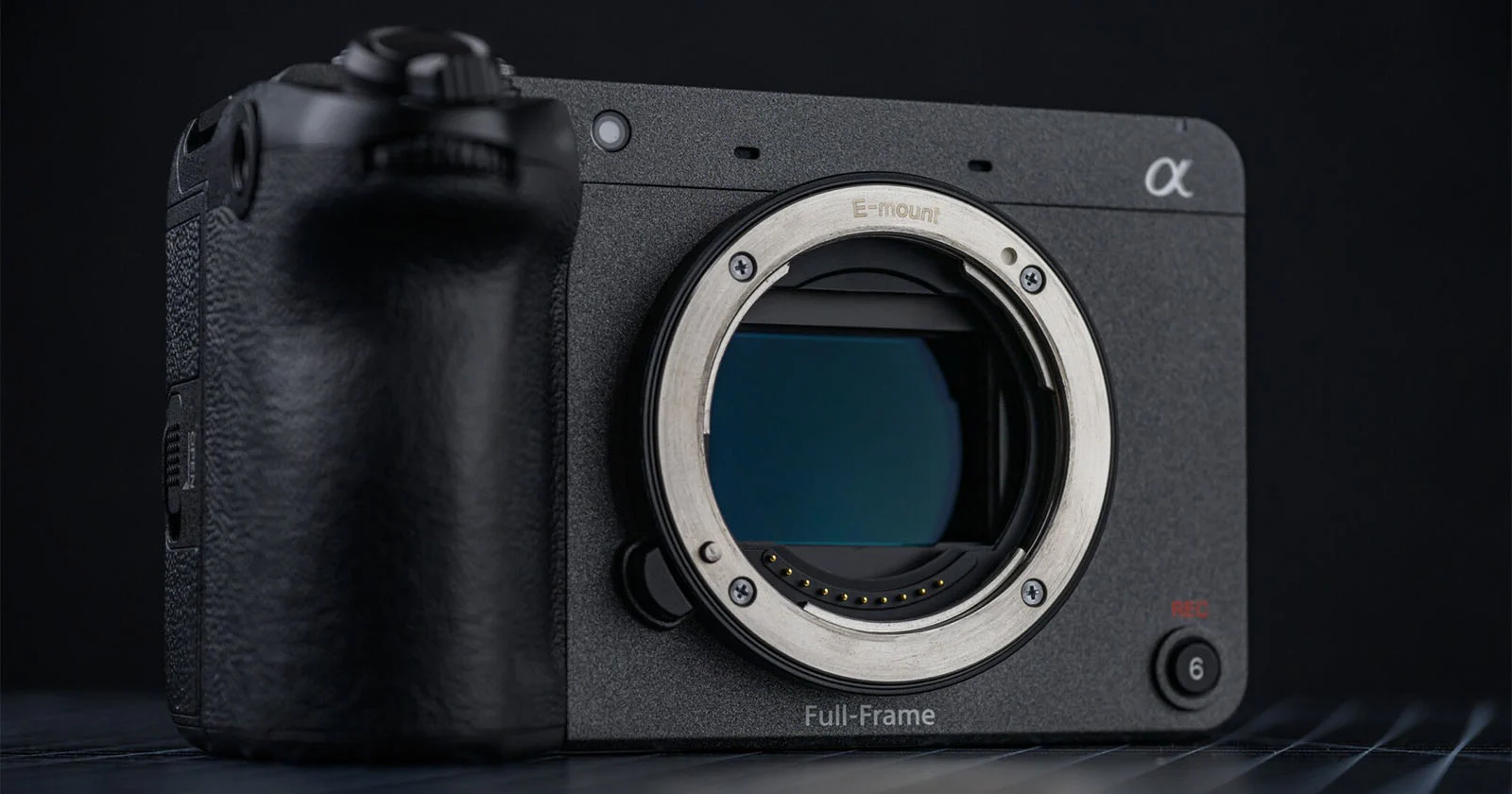
Sony announced the FX2, a versatile cinema camera with a 33MP full-frame sensor, tilting EVF, and advanced autofocus, targeting hybrid creators with features like 4K recording, RAW support, and a competitive price point of around $2,700 to $3,100, aiming to offer more than a typical video-focused camera.
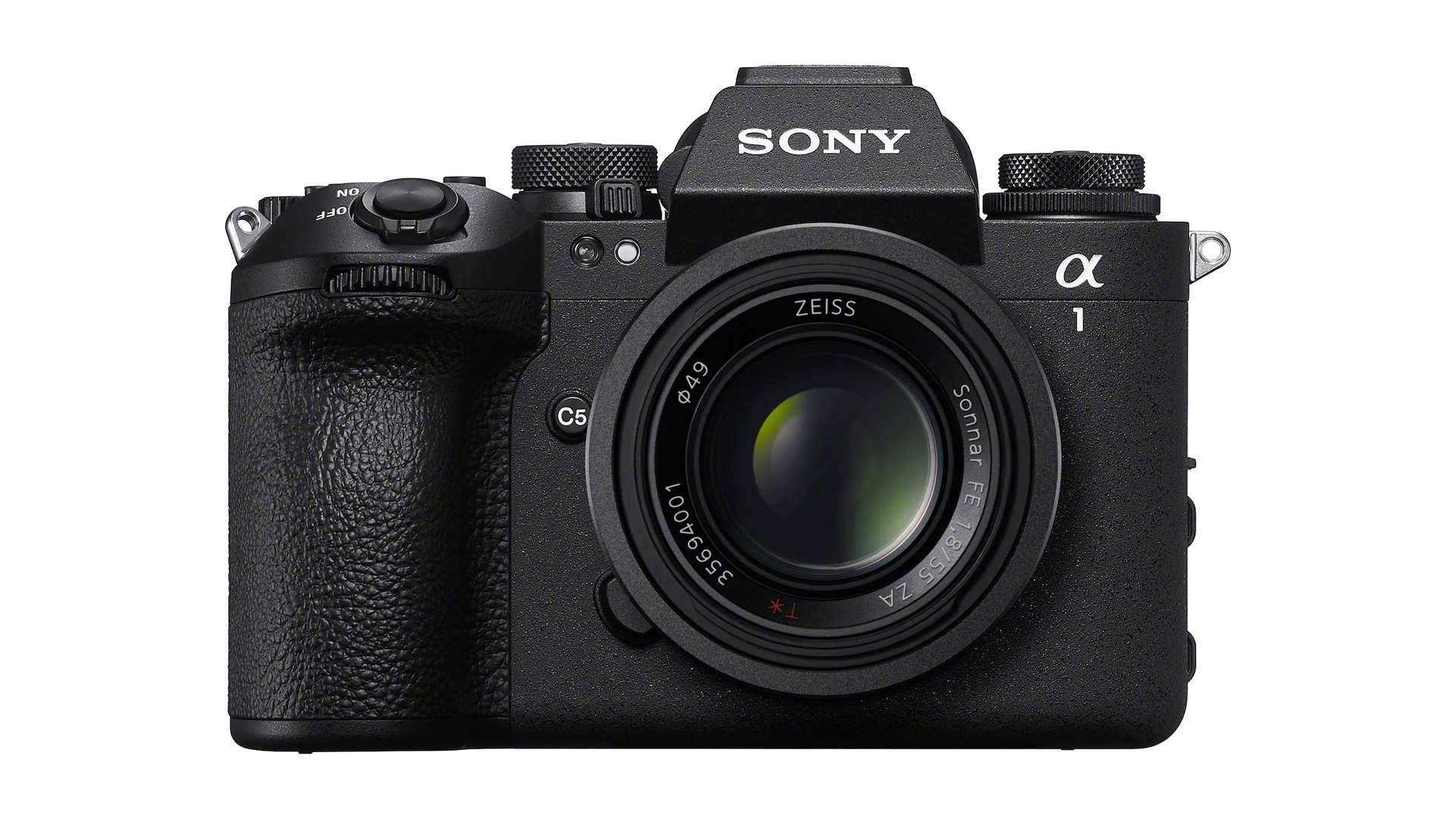
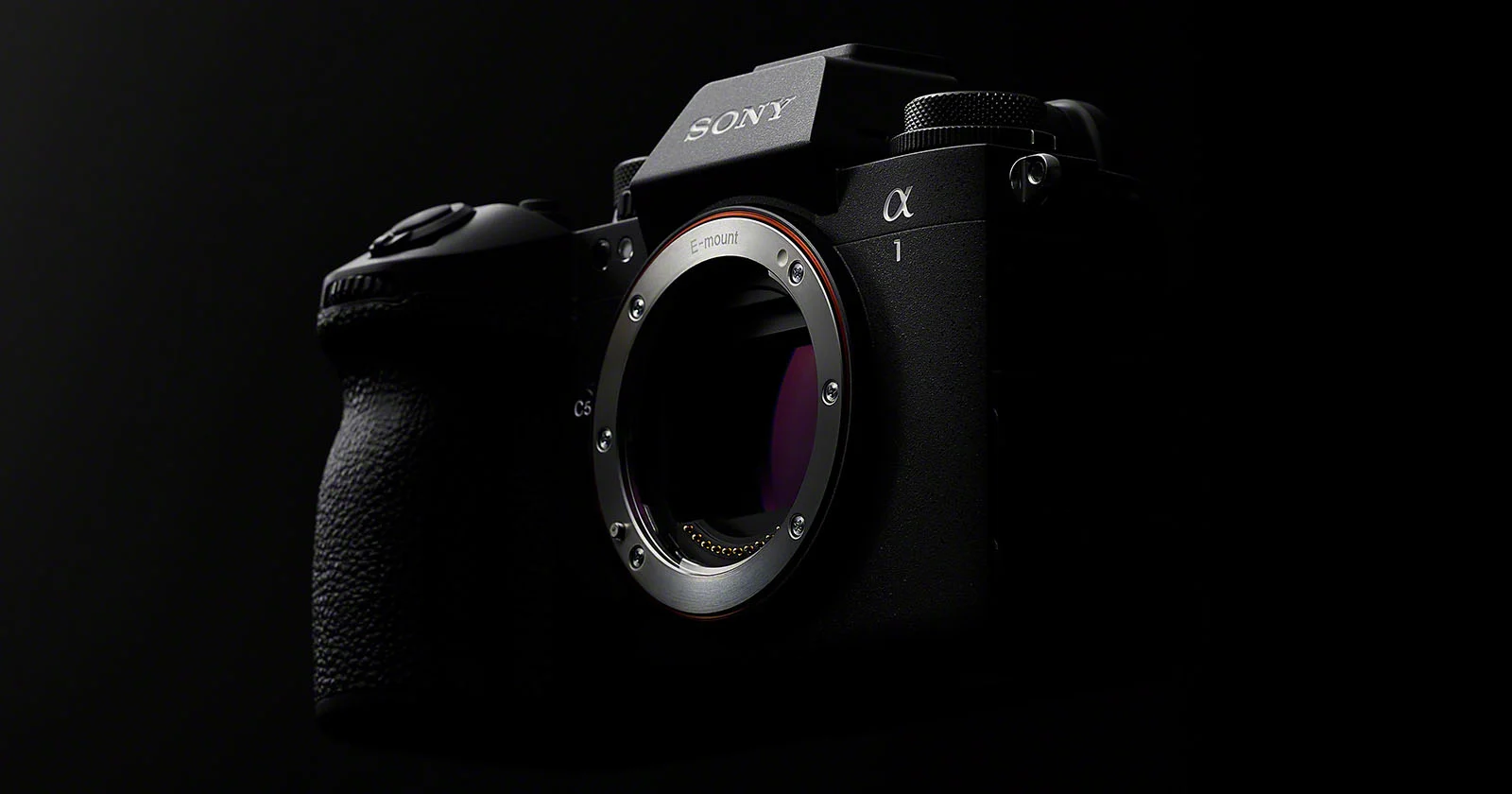
Sony has unveiled the A1 II, a new flagship full-frame camera in its Alpha series, featuring an AI Processing Unit for enhanced real-time Recognition AF and user LUT support. While it retains the 50.1 MP Exmor sensor and many features of its predecessor, the A1 II introduces improvements like better human and bird eye recognition, advanced image stabilization, and 8K HDR filming. Despite these upgrades, the lack of a global shutter and significant changes may not justify replacing the original A1 for some users. The camera will be available in December 2024 for $6,498.
Sony has unveiled the a1 II, an updated version of its flagship camera, featuring a new AI processor for improved autofocus and image processing, while maintaining the same 50.1-megapixel sensor and image processor as its predecessor. Key upgrades include enhanced in-body image stabilization, improved subject detection, and a refreshed design with a deeper grip and updated user interface. The camera retains its high shooting speed and dual card slots, with a new Ethernet port for faster connectivity. The a1 II will be available in December for $6,499.
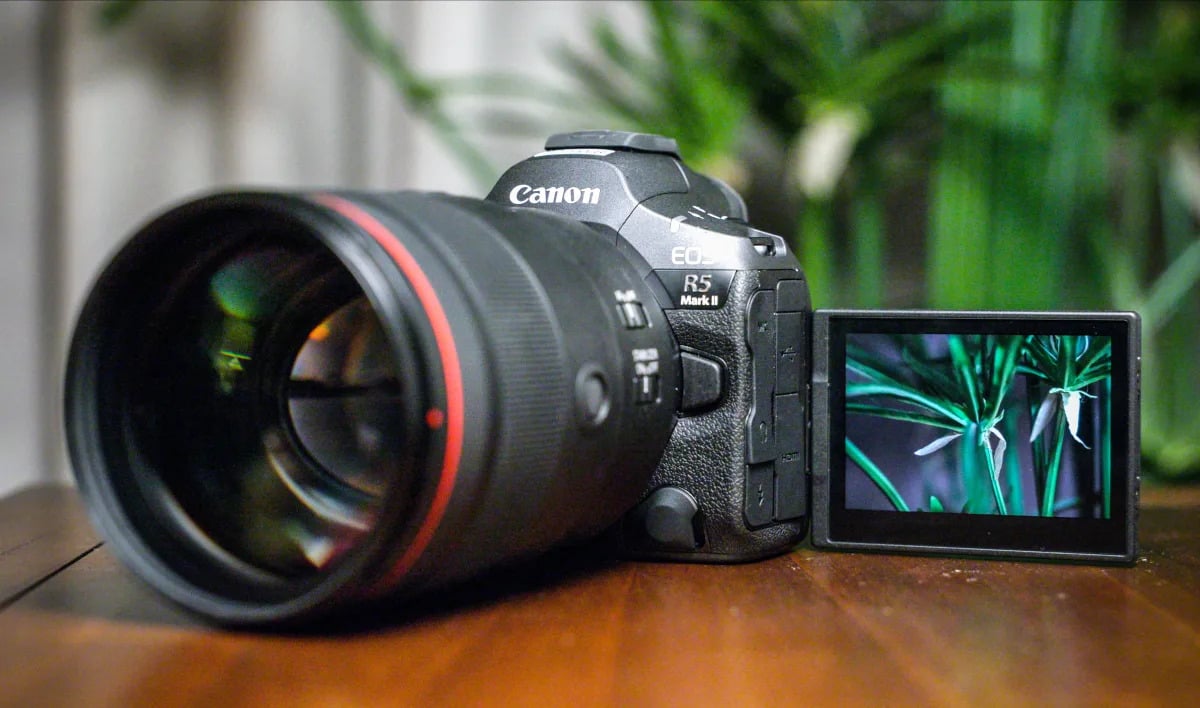
Canon has launched the EOS R5 II, featuring a new 45-megapixel BSI stacked sensor, improved eye-tracking autofocus, and reduced overheating issues. The camera offers advanced video capabilities, including 8K RAW recording, and enhanced photo features, making it a strong contender in the hybrid camera market. The R5 II is priced at around $4,300 and will be available in August.
Sony has launched the A6700 APS-C mirrorless camera, which brings AI-powered autofocus enhancements from its full-frame lineup to its more affordable A6000-series. Priced at $1,399.99 for the body alone, the camera offers 4K video at up to 120fps and features AI processing that allows it to detect more granular subjects. It also includes 334 more phase-detect autofocus points and AI-based auto-framing. The A6700 has a vari-angle touchscreen, a USB-C port, and improved connectivity options. It is ideal for content creators and vloggers who want professional-looking pictures and videos at a lower price point. Preorders are available now, with shipping starting in August.