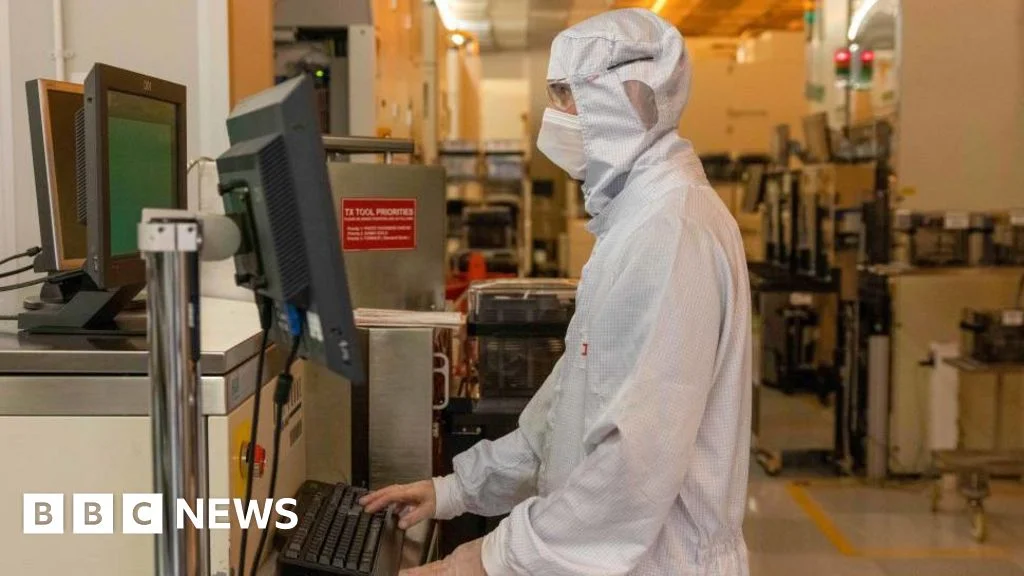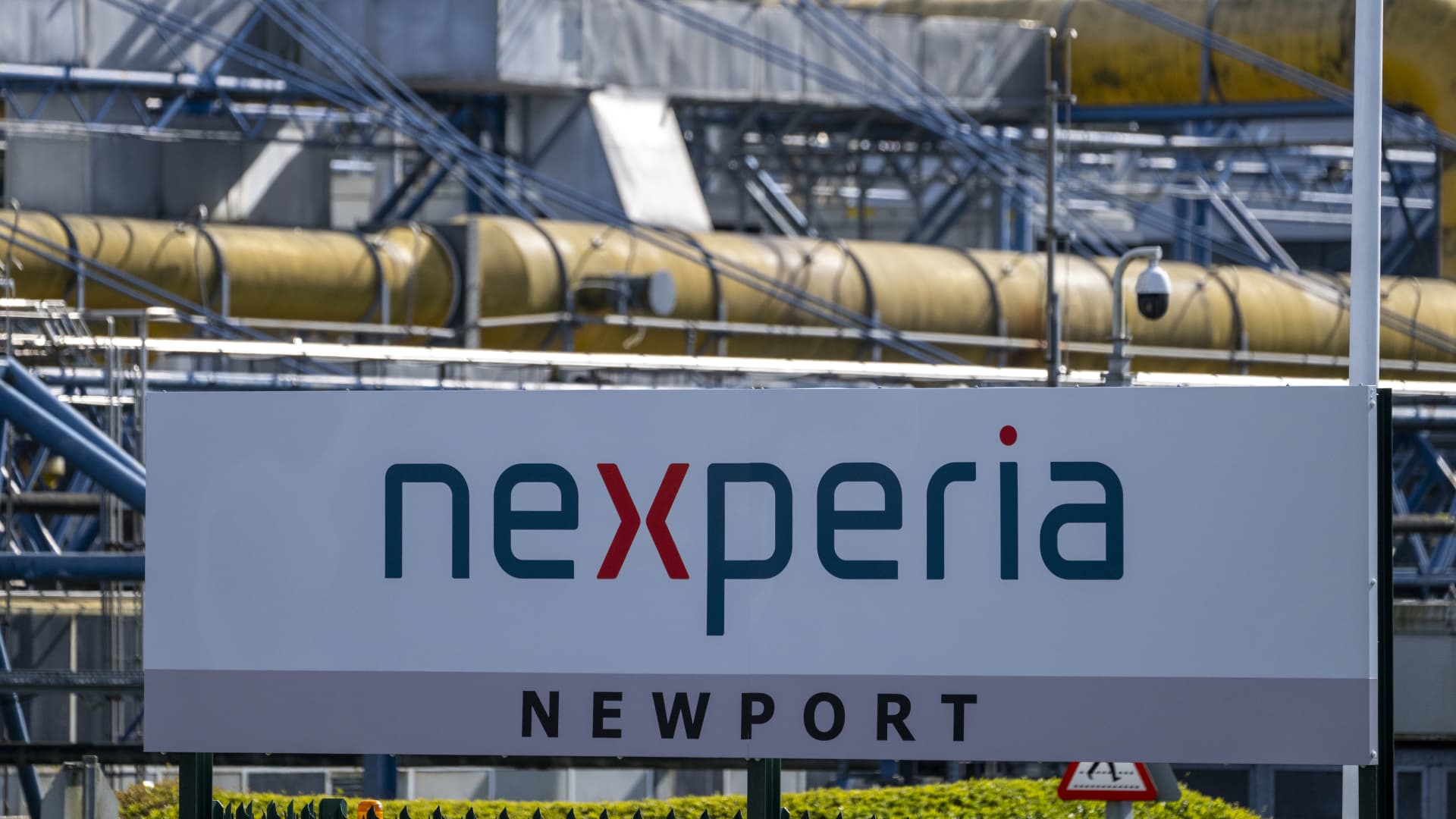
China has allowed Dutch chipmaker Nexperia to resume exports from its Chinese operations, easing a dispute that threatened global automotive supply chains. The Dutch government is expected to rescind its authority over Nexperia's decisions, signaling a de-escalation in tensions. Major automakers like Honda and Bosch are beginning to receive chips again, though some disruptions remain possible in the short term.

Dutch Economy Minister Vincent Karremans expressed optimism that China may resume chip supplies to Nexperia in the coming days, signaling a possible easing of tensions that have threatened to disrupt the global automotive supply chain. The situation involves conflicting statements from Dutch authorities, Nexperia, and China, reflecting increased complexity. The Dutch government is considering relinquishing control of Nexperia if shipments from China resume soon.
The Dutch government's seizure of Chinese-owned semiconductor company Nexperia faces uncertainty after the US suspends its new export control rule for a year, complicating the geopolitical tensions surrounding the company amid broader US-China trade conflicts.
Nexperia warned Japanese automakers that it may no longer guarantee supply due to geopolitical conflicts following Dutch government seizure and US-China tensions, raising concerns about disruptions in the global automotive supply chain, especially for electronic control units.
Nexperia, a Dutch chipmaker with Chinese ownership, has denied claims by its ousted CEO that it operates independently in China and has not paid salaries, amid tensions following the Dutch government's seizure of the company and China's retaliation by blocking exports, highlighting escalating geopolitical conflicts in the tech industry.
Originally Published 3 months ago — by Hacker News
The Dutch government has intervened to take control of Chinese-owned chipmaker Nexperia due to concerns over technological knowledge leakage and economic security, marking a rare use of a law from 1952 to protect strategic industries in Europe.
The Dutch government has taken control of the Chinese-owned chipmaker Nexperia, indicating a significant move in the regulation of foreign technology companies within the Netherlands.
The Dutch government has taken control of Nexperia, a Chinese-owned chipmaker, citing governance issues and the need to protect Europe's semiconductor supply and economic security, raising tensions with China and affecting the company's operations and stock value.
The Dutch government has taken control of Chinese-owned chipmaker Nexperia to secure Europe's chip supply amid rising global trade tensions, citing governance issues and national security concerns, marking a rare intervention in private industry.
The Dutch government has taken control of Nexperia, a Chinese-owned chip unit, citing national security concerns, leading to a 10% plunge in Wingtech's shares, amid growing scrutiny of Chinese companies in sensitive sectors and recent governance issues at Nexperia.
The Dutch government collapsed after far-right politician Geert Wilders withdrew his party from the coalition over disagreements on immigration policies, leading to the resignation of Prime Minister Dick Schoof and the calling of early elections, with political uncertainty continuing until a new government is formed.
The Dutch government collapsed after far-right leader Geert Wilders withdrew his party from the coalition over disagreements on migration policies, leading to the resignation of Prime Minister Dick Schoof and the anticipation of early elections, amid ongoing debates on immigration in Europe.
The Dutch government is facing instability as a minister's resignation has put the new four-party coalition to the test. This political turmoil is further exacerbated by the actions of far-right leader Geert Wilders, who has been vocal in his criticism. The situation highlights the fragility of the coalition, which is already dealing with internal and external pressures, including recent violence involving Amsterdam football fans.
Recent football-related violence in Amsterdam has highlighted emerging vulnerabilities within the Dutch government, raising concerns about its ability to maintain public order and address underlying social issues.