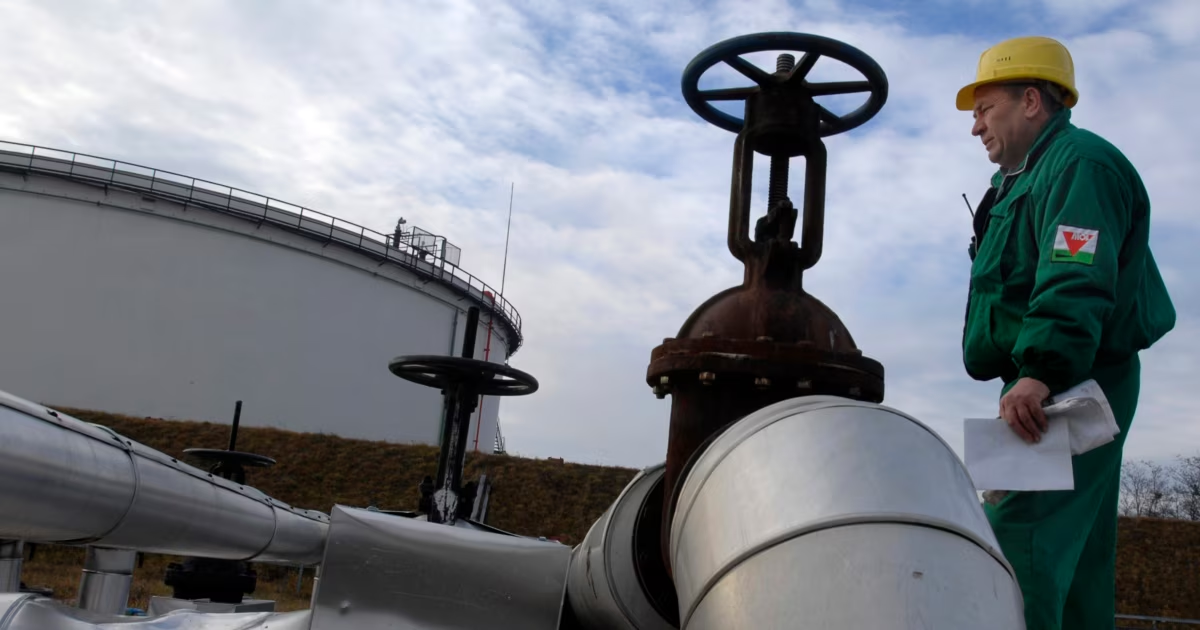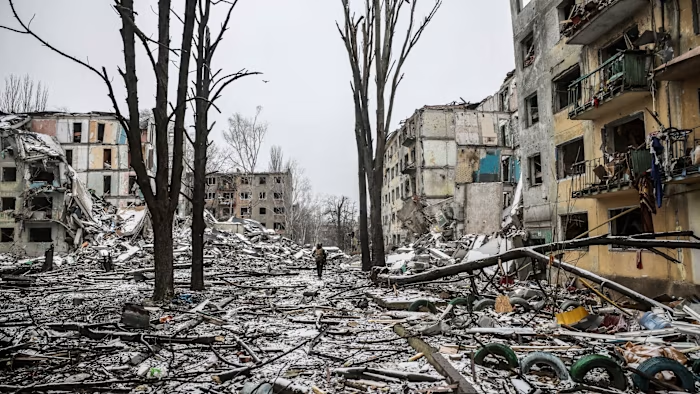
European investors are optimistic about growth in 2026, driven by global recovery hopes and German fiscal stimulus, but geopolitical tensions, especially around Ukraine and US-Europe relations, pose significant risks. A potential peace deal may not substantially boost long-term growth and could introduce political instability, with US opposition to European integration and energy dependencies complicating Europe's path forward.
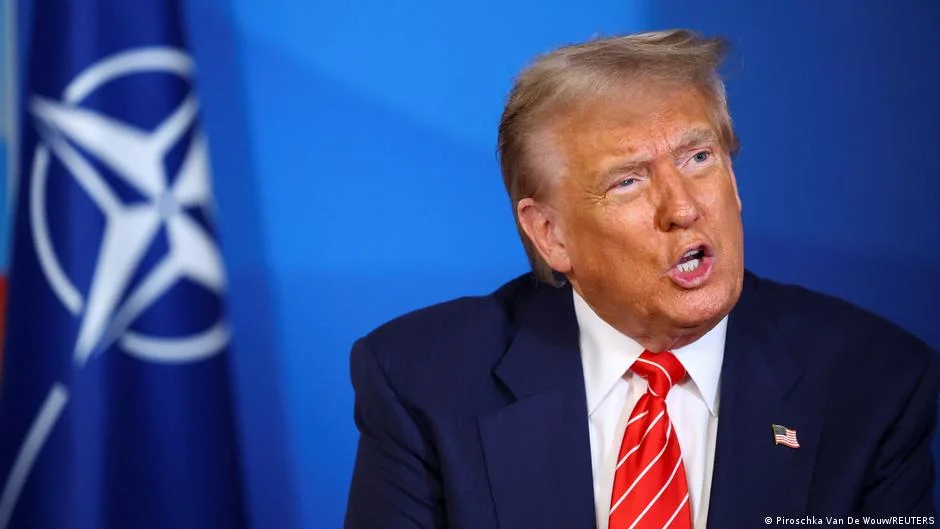
US President Trump sent a letter to NATO allies urging them to stop Russian energy imports and impose sanctions, but his demands are unlikely to shift EU policies significantly due to existing dependencies, political resistance, and the complex geopolitical landscape. While Trump's rhetoric may pressure some EU countries, especially Hungary and Slovakia, the overall impact on the war in Ukraine and EU strategy remains limited, with Europe needing to continue its efforts to reduce Russian revenues and maintain unity.
US President Trump urges NATO countries to stop buying Russian oil to pressure Moscow, but economic and political dependencies, especially in Turkey, Hungary, and Slovakia, make this challenging. The move aims to weaken Russia's economy and end the Ukraine conflict, but diversifying energy sources and political considerations complicate efforts. Trump also calls for tariffs on China and India, though European responses remain cautious.