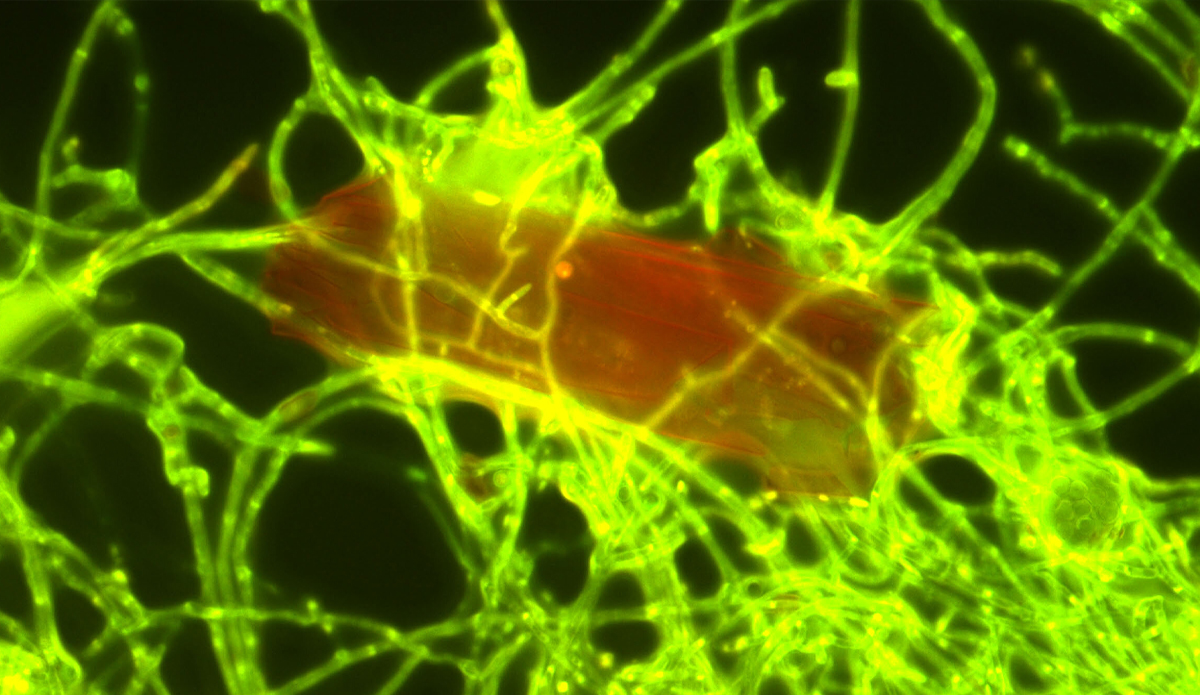
Scientists have discovered a plastic-eating fungus, Parengyodontium album, in the Great Pacific Garbage Patch that can break down UV-exposed polyethylene, the most common plastic. While it works slowly, this fungus offers hope for more effective ocean cleanup methods without harming marine life, highlighting the need for continued reduction of single-use plastics.
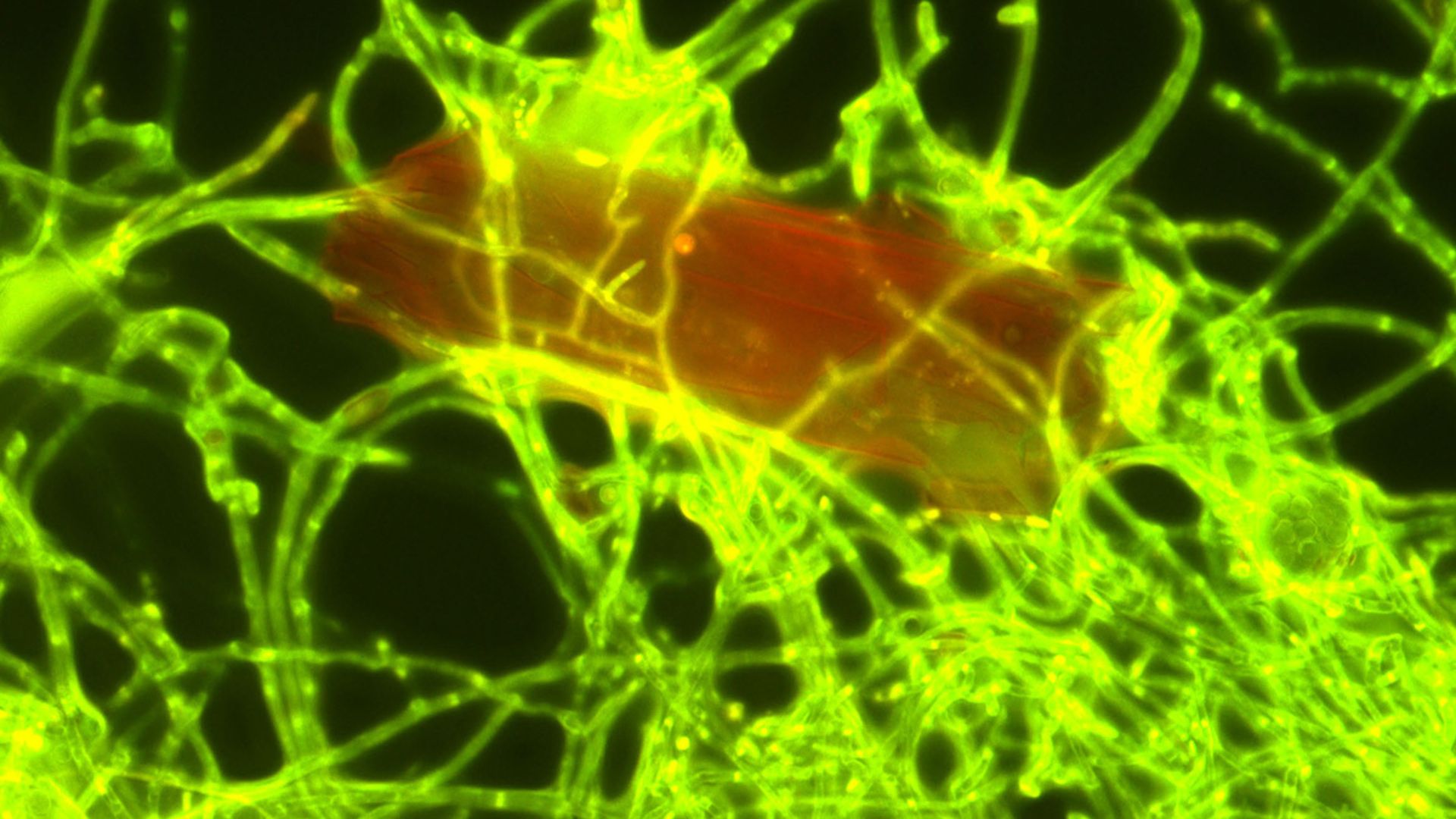
Scientists have discovered a marine fungus, Parengyodontium album, on plastic debris in the Great Pacific Garbage Patch that can break down polyethylene, a common plastic pollutant. This fungus could offer a biological solution to mitigate oceanic plastic pollution, as it converts polyethylene into carbon dioxide. The research, conducted by marine microbiologists from the Royal Netherlands Institute for Sea Research and other institutions, highlights the potential of P. album to degrade plastic, although it requires UV-light exposure to initiate the process.
Scientists have discovered a fungus, Parengyodontium album, in the Great Pacific Garbage Patch that can break down plastic polyethylene after exposure to UV radiation. This finding, made by marine microbiologists from the Royal Netherlands Institute for Sea Research and other institutions, could help address the significant plastic pollution in oceans. The fungus degrades plastic at a rate of 0.05% per day, converting most of it into carbon dioxide.
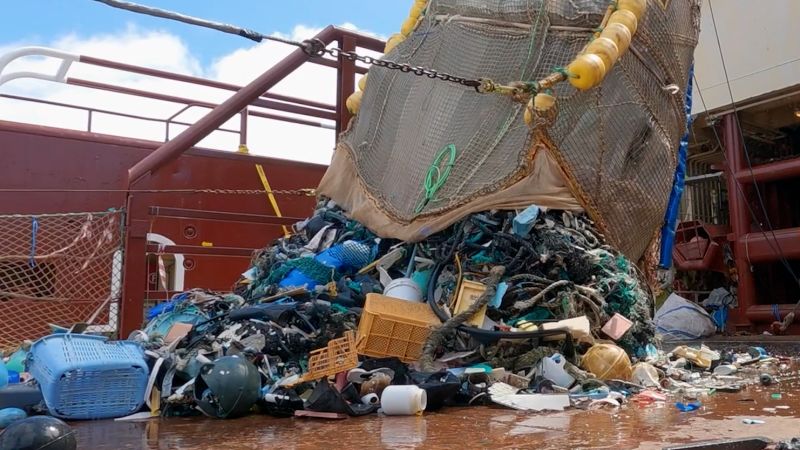
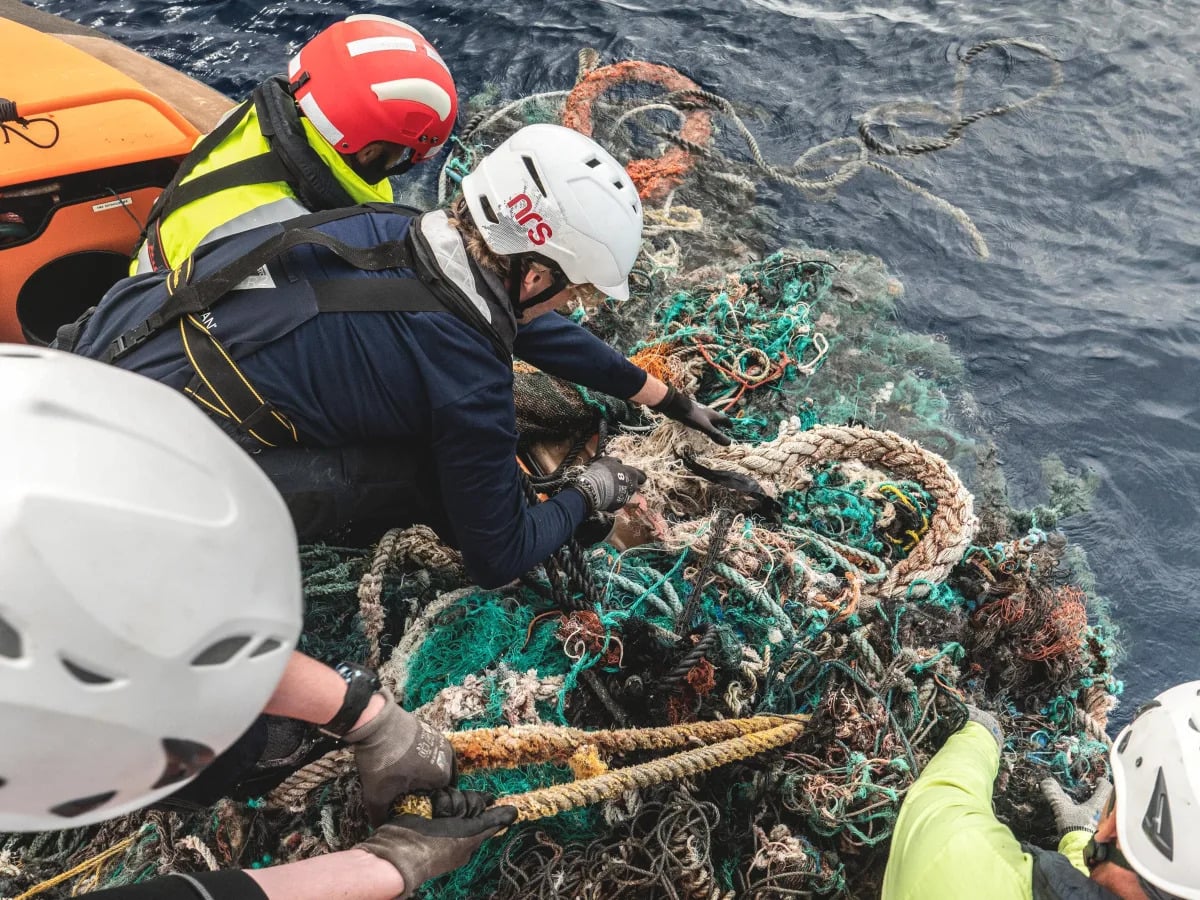
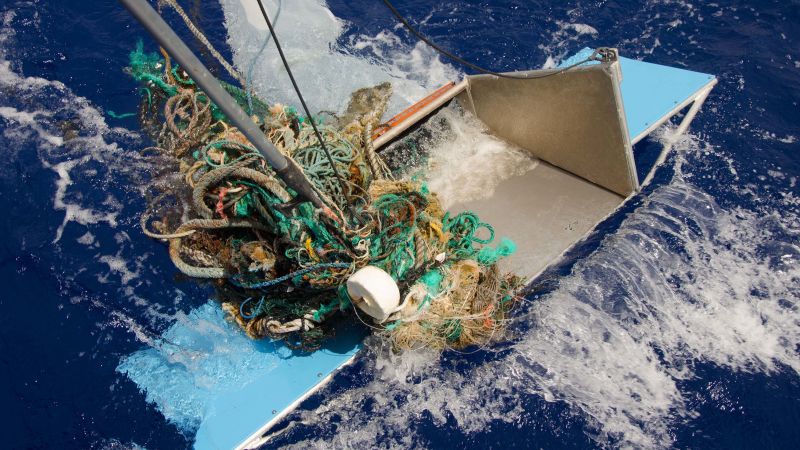
The Ocean Cleanup, a non-profit organization, has successfully removed over 25,000 pounds of trash from the Great Pacific Garbage Patch, the largest accumulation of ocean plastic in the world. Located between Hawaii and California, this trash patch is estimated to be double the size of Texas.
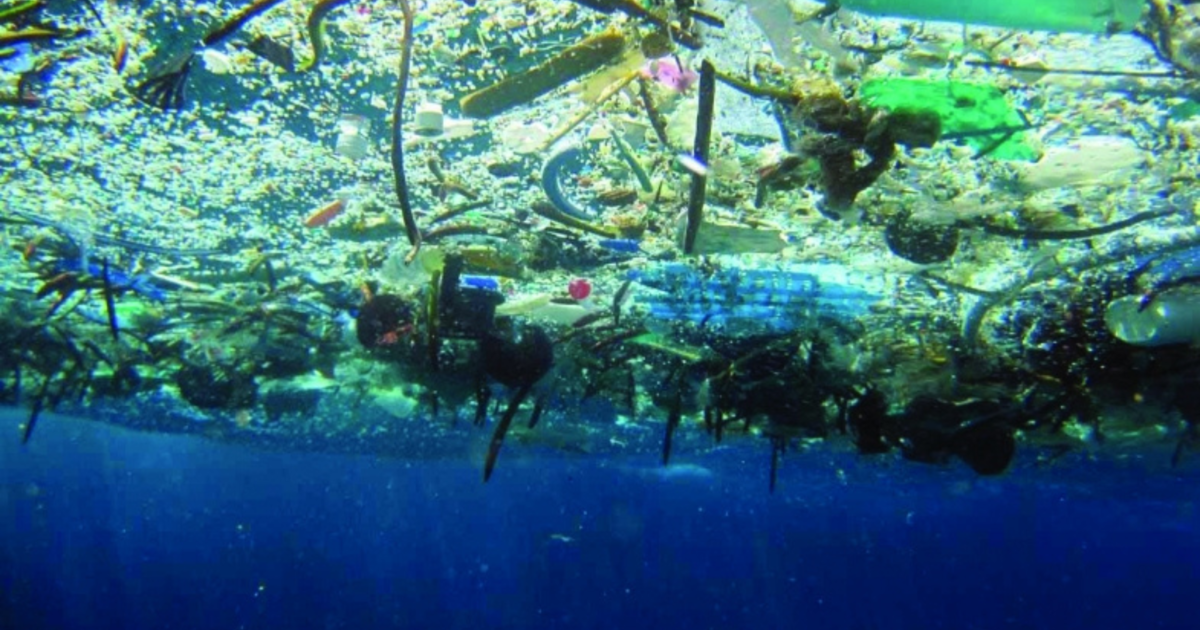
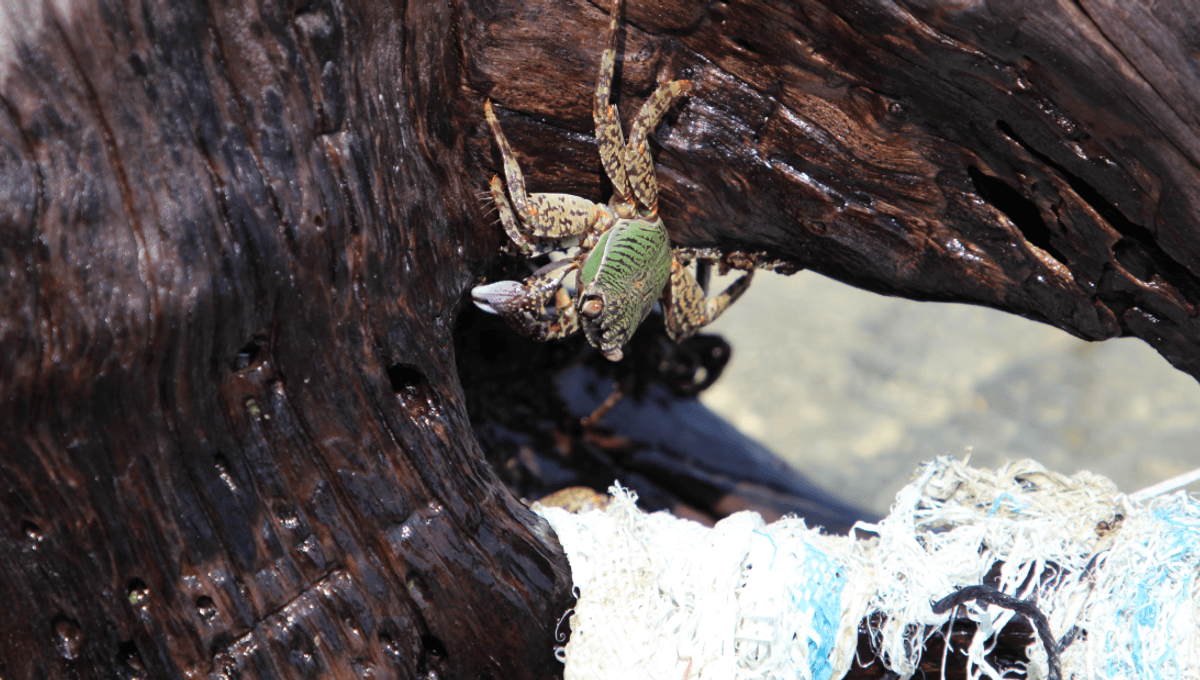
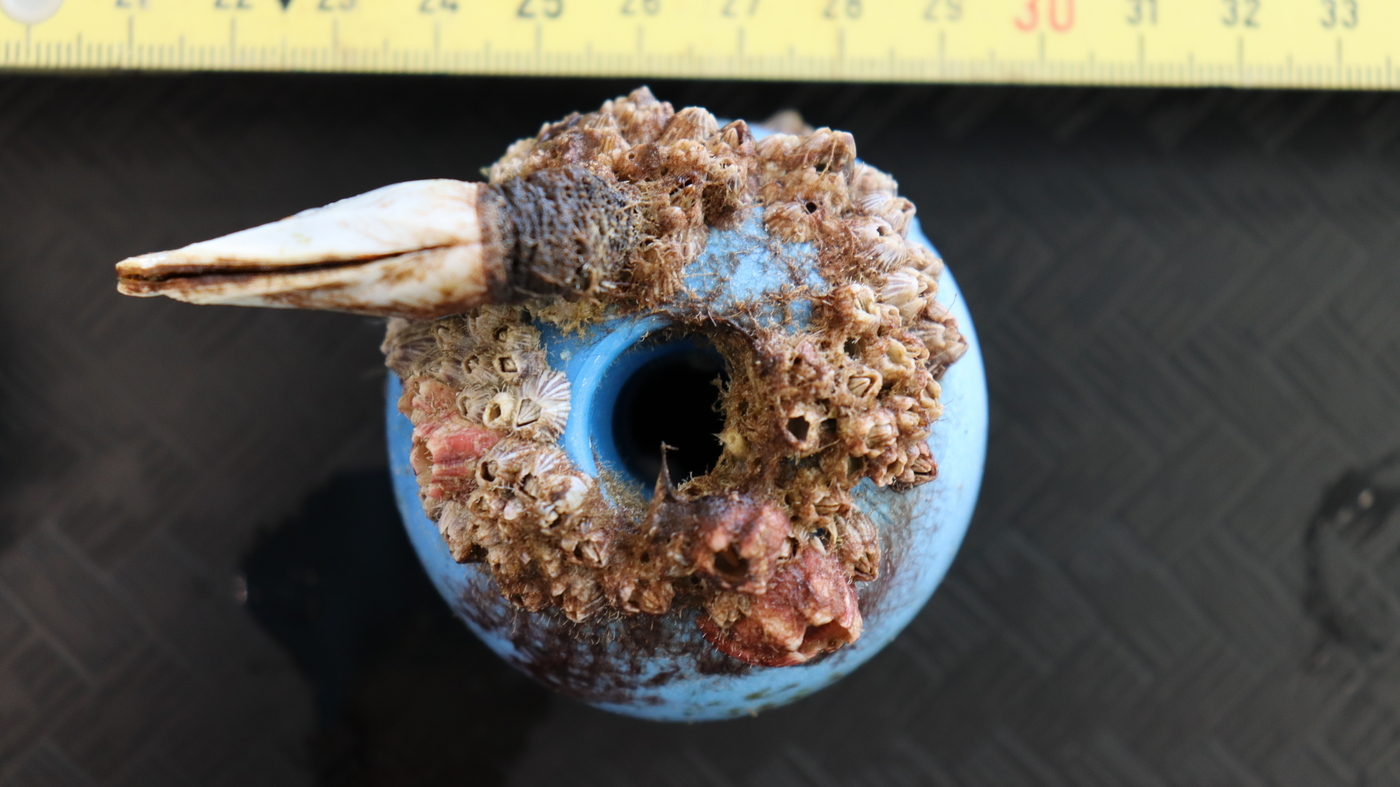
The Great Pacific Garbage Patch, a large concentration of plastic debris in the Pacific Ocean, is also an ecosystem hosting a variety of sea creatures that cling to the debris. A recent study found 46 different species of invertebrates living on the debris, with the vast majority being species that are typically only found along coastlines. The findings contradict the assumption that coastal species could not survive in areas of open ocean.
Coastal species are thriving in the Great Pacific Garbage Patch, with evidence of reproduction in their plastic homes, according to a study published in the Nature Ecology & Evolution journal. The diversity and frequency of coastal species found on more than 70% of debris is new, and researchers suggest that the plastisphere may provide new opportunities for coastal species to expand populations into the open ocean, altering oceanic communities and ecosystem processes. The study highlights the urgent need for policy intervention to reduce plastic waste entering the ocean.
Coastal species are thriving on floating islands of human trash, including the Great Pacific Garbage Patch, and may become a permanent part of the open ocean ecosystem. Researchers found that 70.5% of debris collected from trash islands was home to living coastal species, including 484 different marine invertebrate organisms. The researchers suggest that these trash islands represent a new type of ecosystem, called "neopelagic communities", made possible by the plastisphere, and could have implications for shifts in species dispersal and biogeography at broad spatial scales.
Scientists studying plastic trash in the Great Pacific Garbage Patch have found dozens of coastal species that have managed to establish new communities in the open ocean. The findings overturn the long-held idea that the open ocean is a barrier that most coastal species could never breach. The researchers found all kinds of nonnative species, from anemones to worms to little crustaceans, on 70% of the 105 debris items examined. The study has possible implications for all kinds of animals higher up the food chain like turtles, fish, and marine mammals.
Scientists have discovered thriving communities of coastal creatures living on plastic debris in the Great Pacific Garbage Patch, suggesting that plastic pollution in the ocean may be enabling the creation of new floating ecosystems of species that are not normally able to survive in the open ocean. The patch is the largest accumulation of ocean plastic in the world, and is twice the size of Texas. The majority of the plastic found in the patch comes from the fishing industry, while between 10% and 20% of the total volume can be traced back to the 2011 Japanese tsunami.