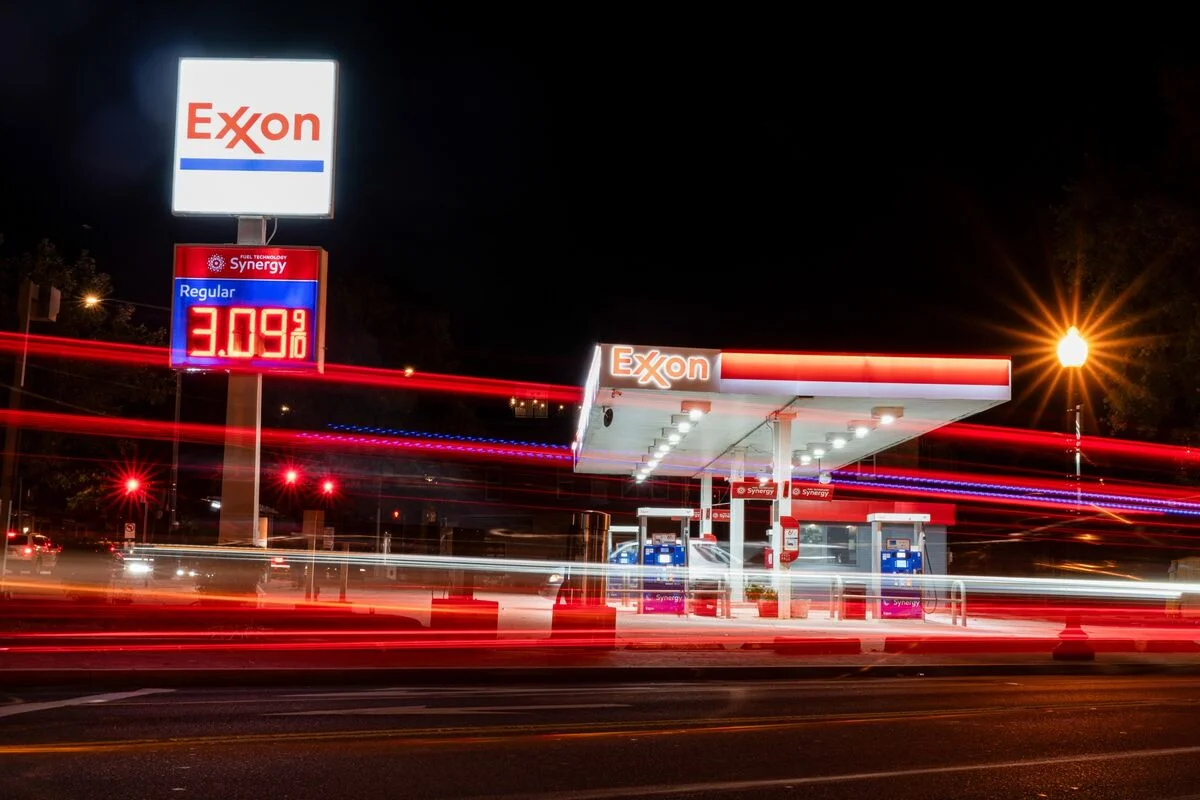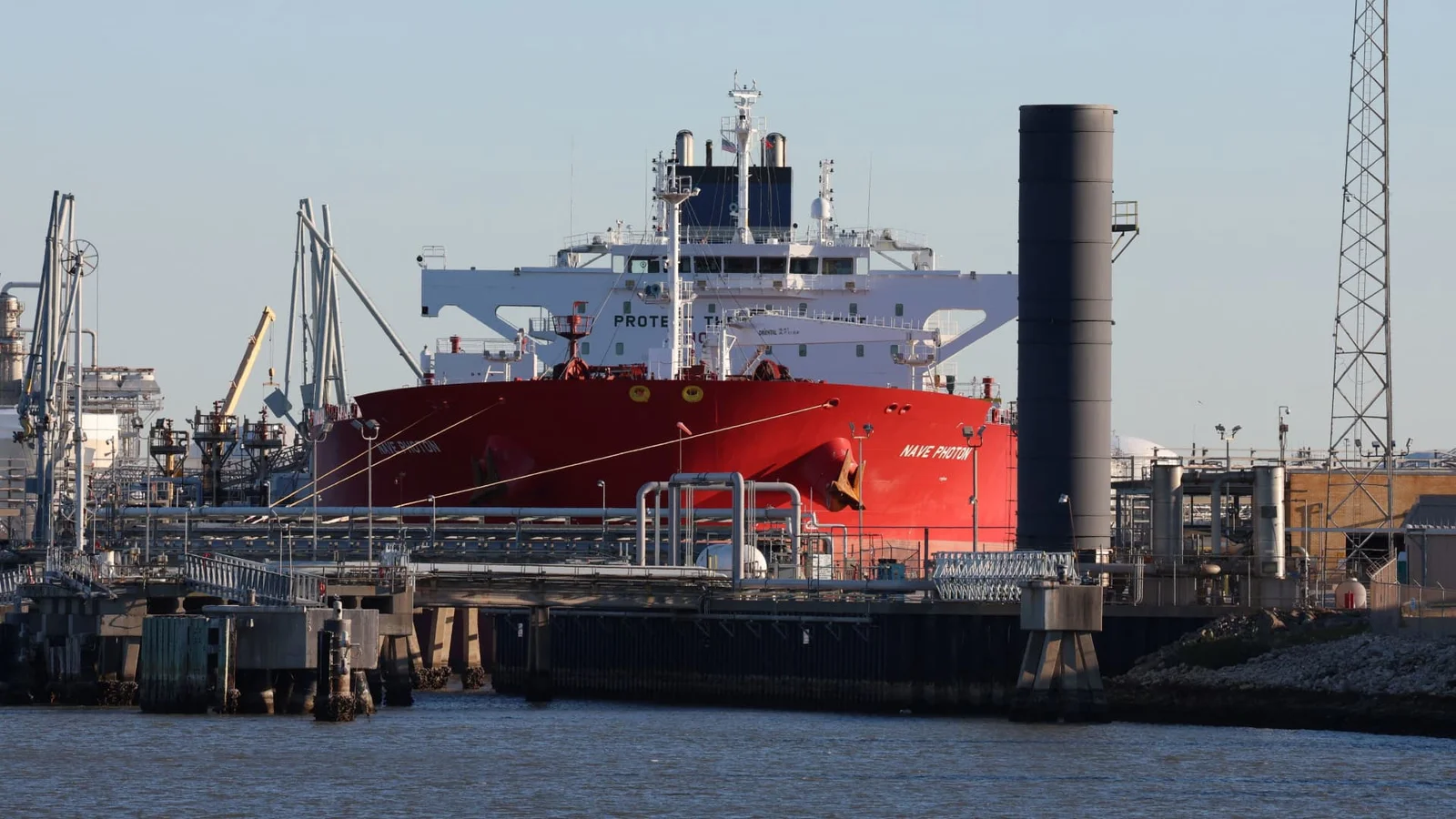
While Venezuela's vast oil reserves and potential US involvement could influence global oil markets, current small-scale exports and market oversupply suggest minimal immediate impact on US gas prices, with long-term effects uncertain due to logistical, political, and economic challenges.
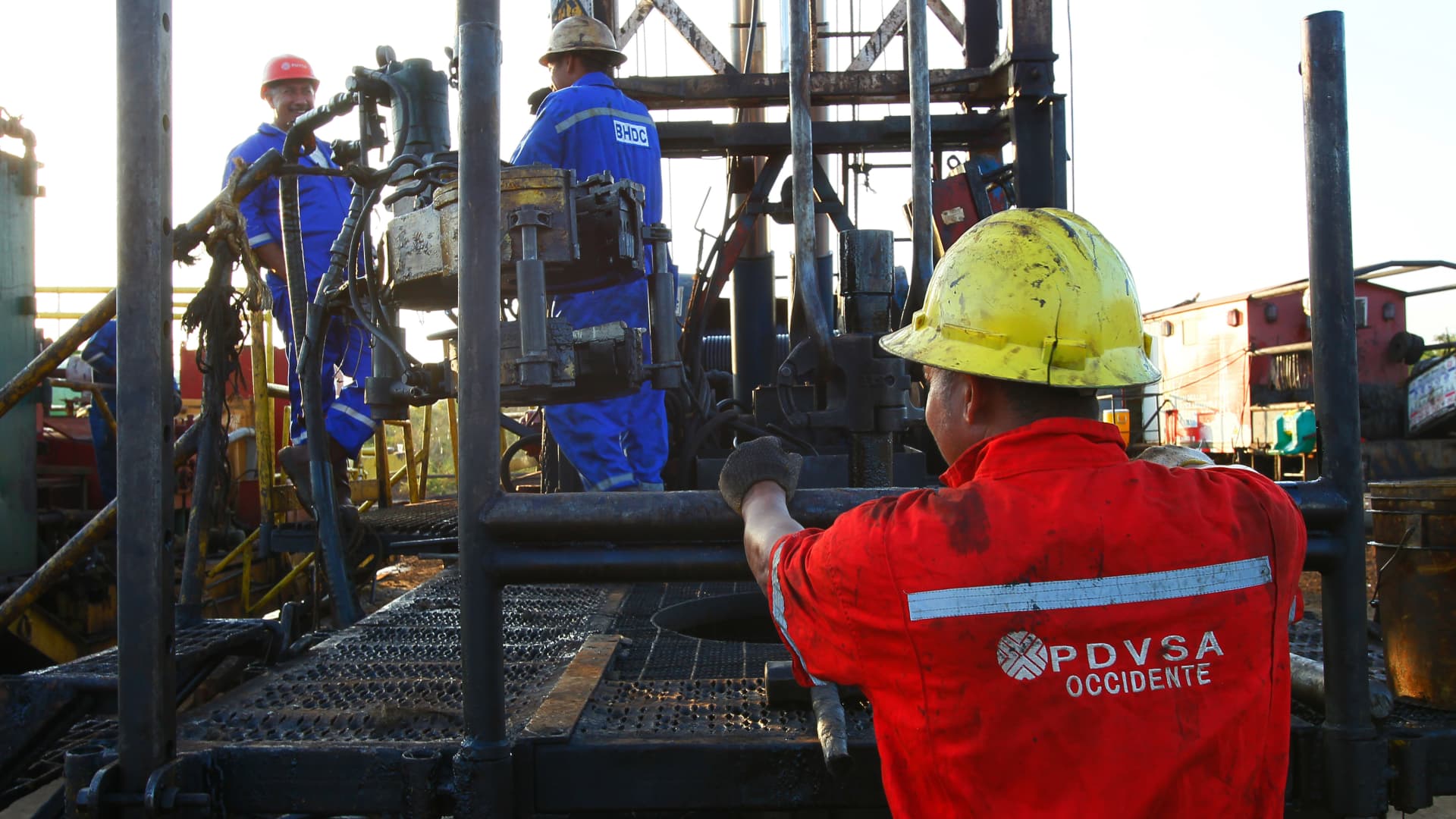
US refineries favor Venezuelan heavy, high-sulphur crude due to their design, and restoring Venezuelan oil exports could reduce US reliance on more expensive sources, bolster the US oil industry, and serve as a geopolitical move against China, though significant investment and stability are required for a full recovery.
A potential regime change in Venezuela could lead to increased oil production, impacting global and Canadian oil markets by lowering heavy crude prices, challenging Canada's energy sector, and prompting calls for economic diversification, though a large-scale Venezuelan oil revival remains unlikely due to infrastructural and political challenges.
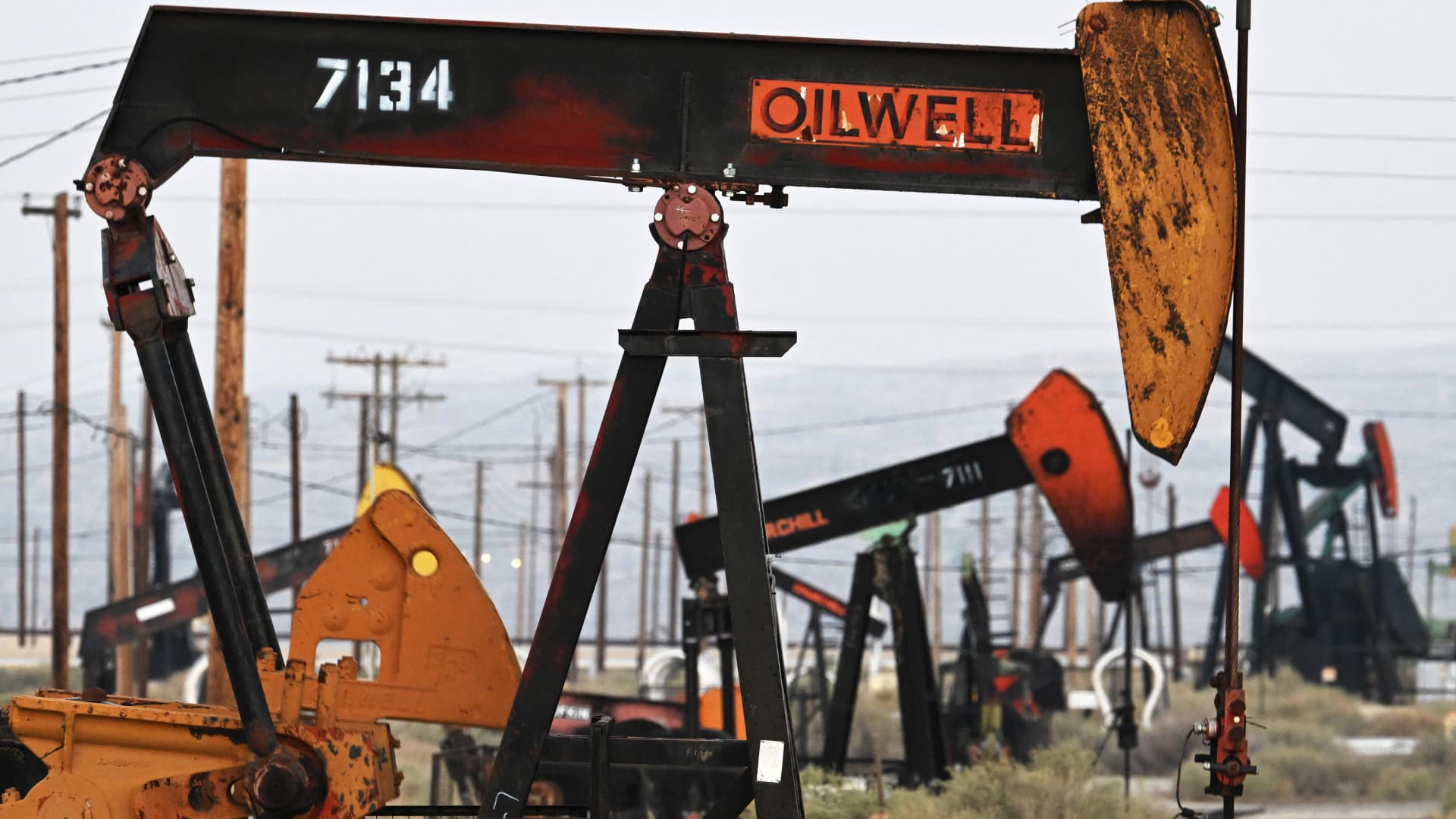
In 2025, crude oil prices declined due to oversupply in the global market, with prices dropping from $79 to $63 per barrel, influenced by economic slowdown, increased production by OPEC+, and inventory builds, especially in China, which moderated price declines.
Michael Burry, known for 'The Big Short,' warns that the US raid on Venezuela marks a significant paradigm shift in global energy markets, with long-term implications for China, Russia, and North America, including potential benefits for US oil companies and lower consumer fuel prices.
Traders are preparing for potential upheaval in the oil market following Donald Trump's strikes on Venezuela, which could impact global oil supplies and prices.
The potential overthrow of Venezuelan President Maduro is unlikely to significantly impact global energy markets in the short term due to existing oversupply and weak demand, despite geopolitical tensions and Venezuela's vast oil reserves. Analysts suggest that while some disruption is possible, it won't cause a major price surge, and future developments could even lead to increased oil production if sanctions are lifted and foreign investment resumes.
Oil prices dropped over $1 per barrel due to concerns about a global supply glut and reduced war risk premiums, amid ongoing hopes for a Ukraine peace deal that could impact sanctions and oil supply. Despite recent rebounds from lows, prices are on track for their steepest annual decline since 2020, with supply exceeding demand and geopolitical factors influencing short-term prices.
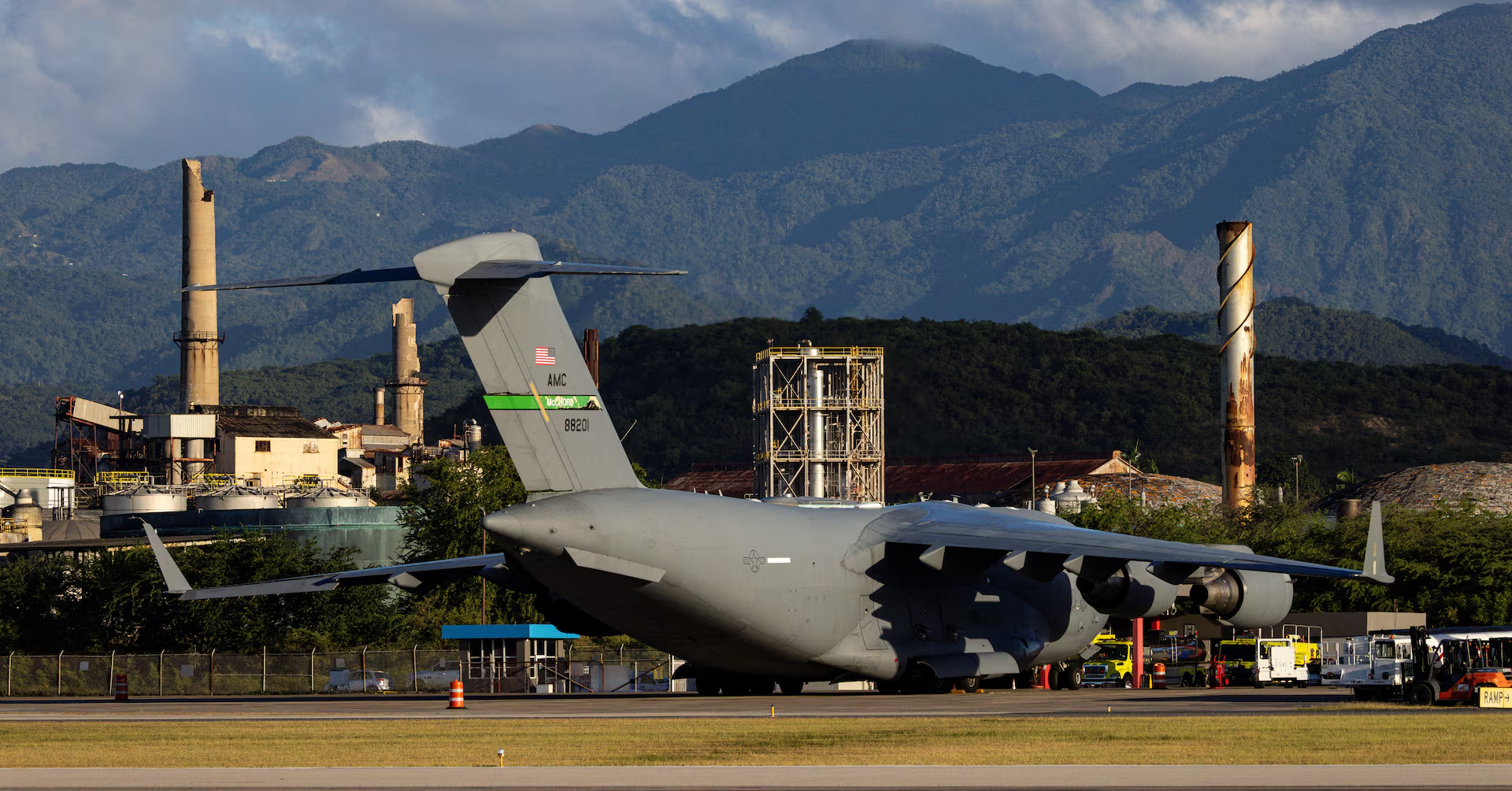
The US has seized a vessel off Venezuela's coast amid increased military activity and ongoing sanctions, leading to a sharp decline in Venezuelan crude exports and potential impacts on global oil prices, with Venezuela's government accusing the US of attempting to overthrow Maduro and control its oil reserves.
Oil prices dropped below $60 a barrel amid hopes for a peace deal between Russia and Ukraine, signaling potential easing of geopolitical tensions impacting the energy market.
Oil prices declined due to optimistic prospects for a Russia-Ukraine peace deal and weak Chinese economic data, which raised concerns about global demand, despite ongoing supply concerns and recent U.S. actions in Venezuela.
Thailand has called a snap election amidst ongoing border conflicts, highlighting political instability and regional tensions, while the global oil market remains volatile due to OPEC's production cuts, Russia's war in Ukraine, and shifting energy security dynamics.
OPEC+ has agreed to keep oil output quotas steady for 2026 and introduced a new mechanism to evaluate members' maximum production capacity, amid ongoing geopolitical and market considerations.
ExxonMobil is pursuing expansion projects despite a global oil glut and falling prices, while Chevron is focusing on cash flow and operational efficiency, reflecting divergent strategies amid increasing OPEC+ production and a declining Brent crude price, with both companies reporting better-than-expected Q3 results.
Oil prices declined after a significant weekly increase, influenced by US-China trade negotiations, sanctions on Russian producers, and ongoing concerns about global supply glut despite recent supply disruptions. The market remains cautious amid mixed signals of demand and supply, with prices slightly down for Brent and WTI.