
Tag

Hardship Withdrawals

All articles tagged with #hardship withdrawals

personal-finance2 years ago

Americans Struggle with High Inflation: 401(k) Hardship Withdrawals and Loans Surge

The number of Americans making hardship withdrawals from their 401(k) retirement plans is increasing as high inflation continues to impact their finances. Bank of America's data shows a 13% rise in hardship withdrawals from July to September 2023, with individuals withdrawing an average of $5,070. These withdrawals come with income tax obligations and potential early withdrawal fees, but the penalty can be waived for qualified hardships. Americans are also relying on savings and accumulating credit card debt to cover essential expenses. The Federal Reserve is expected to report a record-high credit card debt, raising concerns due to high interest rates.

personal-finance2 years ago

Americans Struggle with Expenses and Savings, Turning to 401(k) Withdrawals

More Americans are resorting to hardship withdrawals from their 401(k) accounts to cover emergency expenses, such as medical bills or to prevent foreclosure. Reports from Fidelity Investments and Vanguard show a significant increase in hardship withdrawals in recent years. However, financial planners caution against this move as it comes with tax penalties and missed investment growth. The rise in hardship withdrawals is attributed to a combination of factors, including rising prices, high interest rates, and a decrease in savings rates. Experts recommend building emergency savings and exploring alternatives like borrowing against a 401(k) before resorting to hardship withdrawals.

entertainment2 years ago

"Retirement Plans Drained as Entertainment Workers Strike, With $44 Million Withdrawn"

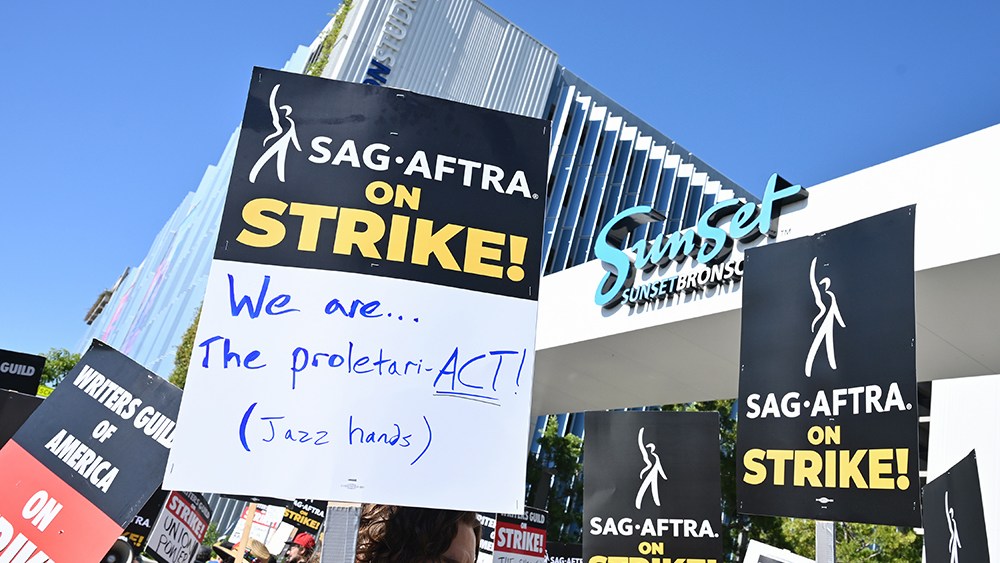
Entertainment workers in Hollywood have withdrawn over $44 million from their retirement plans as they face months without work due to ongoing strikes. Nearly 3,000 workers have filed for hardship withdrawals, with an average withdrawal of around $15,000. The economic hardship faced by below-the-line workers, including set painters, grips, and makeup artists, is evident as many have not worked since January or even last fall. Various relief funds and contributions from industry figures have been established to support struggling workers. The unions urge members to seek tax advice before applying for hardship withdrawals.

personal-finance2 years ago

The Surging Popularity of 401(k) Hardship Withdrawals: A Risky Financial Move

Retirement account balances have rebounded in 2023, but the share of participants taking hardship withdrawals from their 401(k) plans has increased, according to reports by Fidelity Investments, Bank of America, and Vanguard. Experts warn that hardship withdrawals are the worst way to access funds from a 401(k) due to potential tax consequences and the inability to repay the money. While average 401(k) and individual retirement account balances have risen, the rise in withdrawals indicates ongoing financial strain for many households. Financial experts advise exhausting all other options before resorting to hardship withdrawals, as they can undermine retirement security and the power of compound interest.

finance2 years ago

Vanguard research reveals decline in average 401(k) account balances.

The average balance in employer-sponsored retirement contribution plans dropped by over 20% last year, according to Vanguard Group. The average account balance for 401(k)s and 403(b)s was $112,572 in 2022, down nearly $30,000 from the previous year. A growing number of Americans tapped their retirement accounts to cover a financial emergency as high inflation raged. About 2.8% of workers participating in employer-sponsored 401(k) plans made a "hardship" withdrawal in 2022, up from 2% before the pandemic began.

personal-finance2 years ago

Retirement Savings: The Only Emergency Fund for Many Workers

A recent survey by Voya found that 43% of Americans consider their retirement funds as their only form of emergency savings, with Black respondents, mothers, and those with lower incomes more likely to depend on those funds for emergencies. This highlights the need to help more Americans prepare for unexpected events that require a quick influx of cash. Legislation such as the SECURE 2.0 Act could help people save for emergencies without sacrificing their retirement goals, with employers offering holistic financial wellness solutions to support their employee base.