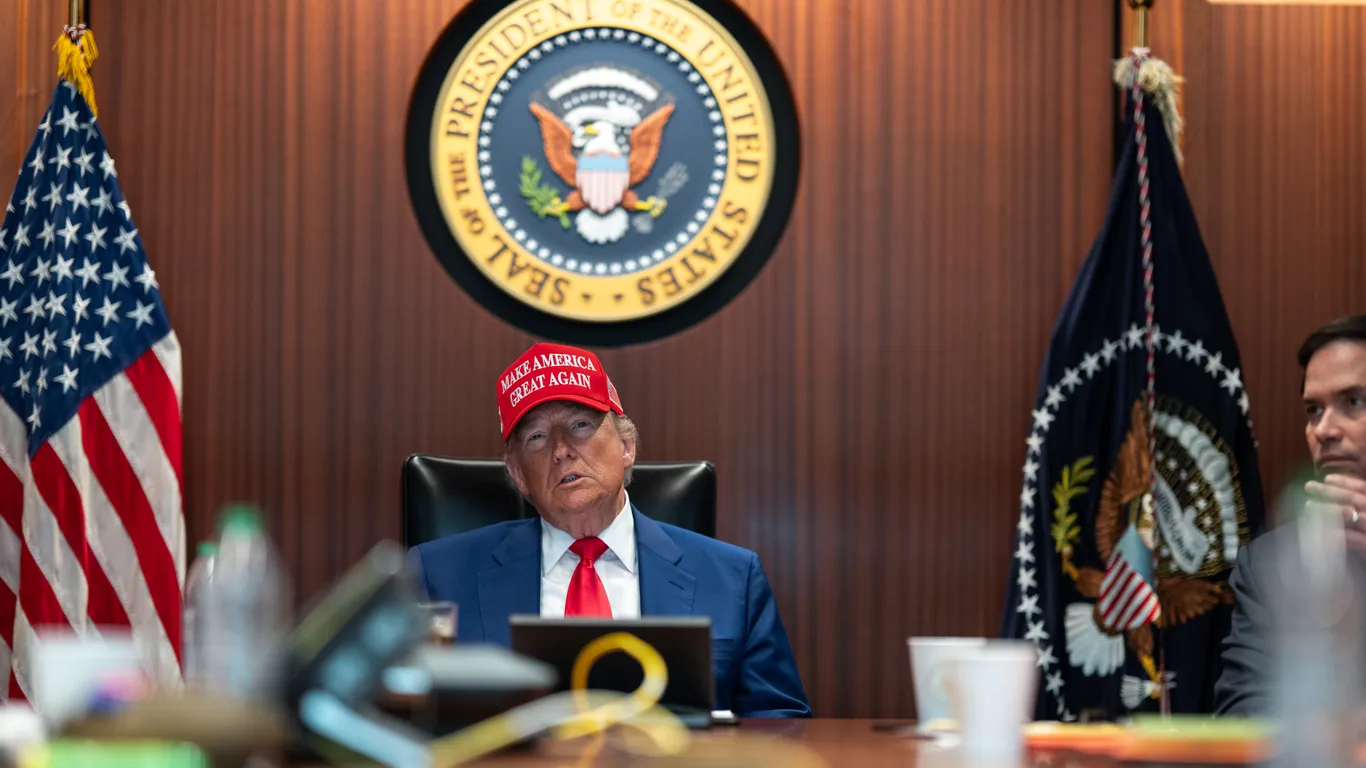
President Trump announced that SNAP food benefits will only be paid after the government shutdown ends, contradicting recent federal court rulings that require at least partial payments during shutdowns. The move affects 42 million Americans relying on SNAP, marking the first time shutdowns have disrupted this critical program. Despite increased spending and enrollment during Trump's administration and the COVID pandemic, recent years have seen a decline in SNAP expenditures and recipients, with the Biden administration updating the program to better reflect actual costs.
Two US federal judges have ruled that the Trump administration must continue paying SNAP food benefits during the government shutdown, using emergency funds, despite the USDA's initial plans to halt distribution due to lack of funding. The courts emphasized that Congress intended for SNAP benefits to be funded even during funding lapses, and the administration was directed to report on whether it will pay full or reduced benefits. The decision is a critical lifeline for over 40 million Americans relying on food assistance amid ongoing political stalemate.
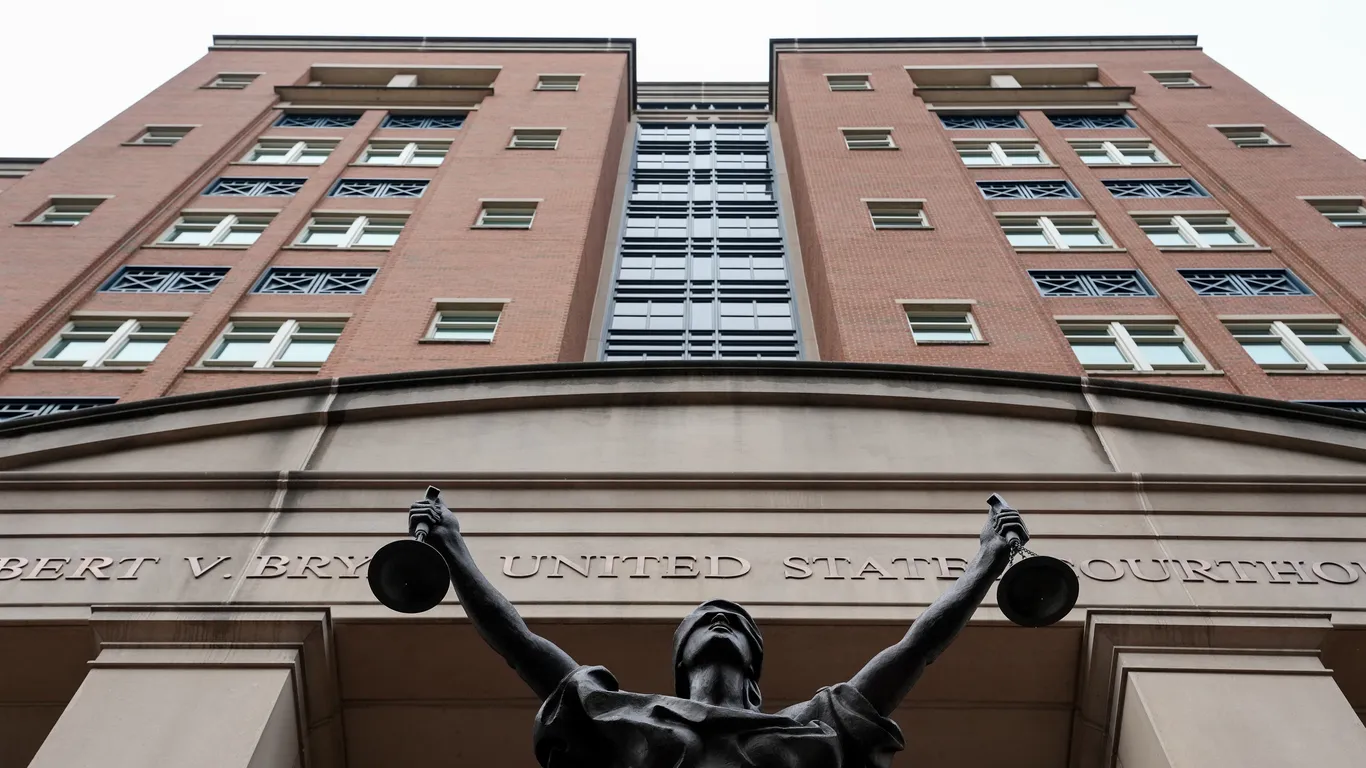
The federal court system will run out of funds and begin furloughs starting Monday due to the ongoing government shutdown, leading to limited operations and delays in cases, as courts rely on exhausted funds and only essential staff will work without pay.
The U.S. judiciary faces a funding lapse starting October 20, leading to limited court operations, with essential functions continuing without pay and non-essential staff furloughed, amid ongoing government shutdown efforts.
The White House is considering invoking the Insurrection Act to deploy military forces domestically amid ongoing legal challenges and rising concerns over crime in US cities, with Trump exploring all options including military intervention, despite the act's rare use since the 1960s.
Multiple federal courts have blocked President Trump's attempt to end automatic birthright citizenship for children of illegal or temporary residents, with the 1st U.S. Circuit Court of Appeals reaffirming the order cannot be enforced, and the case is likely headed to the Supreme Court, which has historically upheld the principle based on the 14th Amendment.
A federal appeals court in Boston blocked the Trump administration's attempt to end birthright citizenship for children born in the U.S. to parents in the country illegally, affirming that such children are protected under the 14th Amendment. The ruling adds to multiple legal setbacks for the administration's efforts, with the case now heading to the Supreme Court for a final decision.
Following a major cyberattack potentially linked to a foreign government, several federal district courts in the US have shifted to paper-only filings for sensitive cases to better protect confidential information, highlighting ongoing cybersecurity vulnerabilities in digital court systems.
Federal officials suspect Russia's involvement in a recent breach of the federal court filing system, which exposed sensitive legal documents and prompted urgent security measures across multiple courts, amid ongoing concerns about foreign cyber threats.
A divided U.S. Court of Appeals overturned a district judge's criminal contempt order against the Trump administration for deporting Venezuelan migrants to El Salvador, citing concerns over judicial overreach and executive authority in foreign policy. The case involves the use of the Alien Enemies Act and highlights tensions between the judiciary and the executive branch, with the appellate court siding with the administration and criticizing the judge's actions.
Originally Published 6 months ago — by Rolling Stone
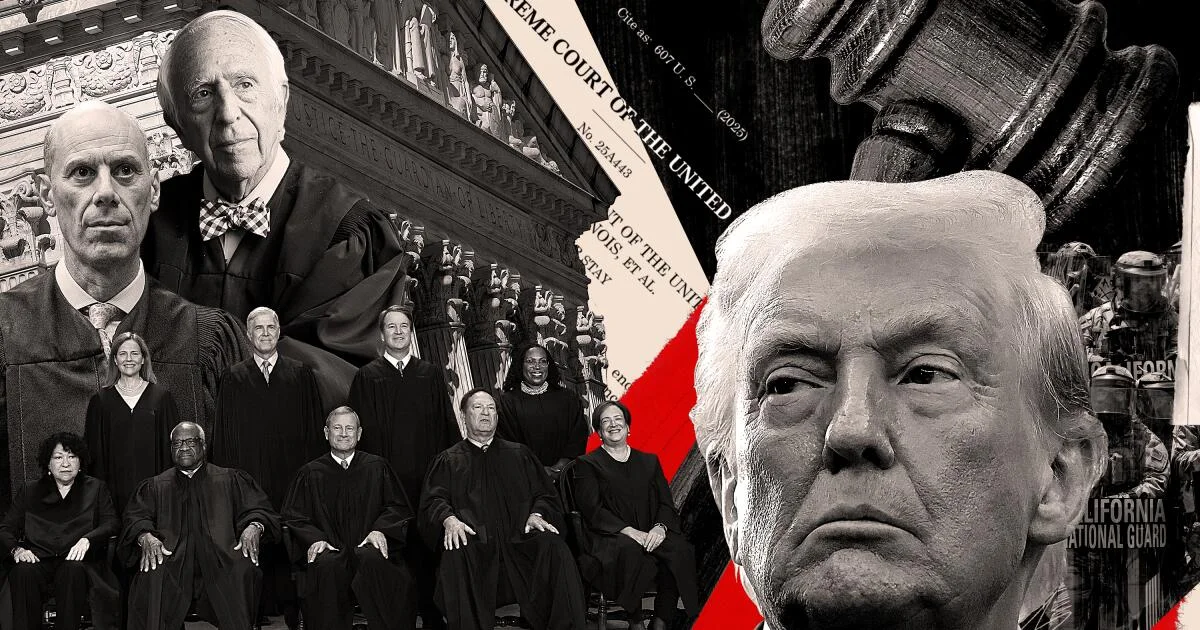
The Supreme Court ruled 6-3 that lower courts cannot issue nationwide injunctions against presidential orders, a decision seen as a major win for Trump, particularly regarding his attempt to end birthright citizenship through executive action. The ruling limits judicial power to block executive policies and could impact future cases involving presidential authority and immigration policies.
The article discusses the renewed partisan battles over federal judicial nominations during Trump's presidency, highlighting the contentious hearing for Emil Bove, a Trump appointee, and the broader implications for the judiciary's role in politics amid ongoing political tensions.
The Senate Judiciary Committee has begun the confirmation process for President Trump's judicial nominees, including Whitney Hermandorfer for the Sixth Circuit Court of Appeals, amidst partisan debates over the influence of the American Bar Association and concerns about nominee experience and qualifications.
The Senate Judiciary Committee is beginning the confirmation process for President Trump's judicial nominees, including Whitney Hermandorfer for the Sixth Circuit Court of Appeals, amidst partisan debates over the process and qualifications, with a focus on filling key federal court vacancies.
The Senate Judiciary Committee is reviewing President Trump's judicial nominees, including Whitney Hermandorfer for the Sixth Circuit Court of Appeals, amidst ongoing partisan debates over the judicial confirmation process and the influence of the American Bar Association, with discussions highlighting Hermandorfer's relatively limited legal experience and the political tensions surrounding federal judicial appointments.