Tag

Ai Demand

All articles tagged with #ai demand

technology13 days ago

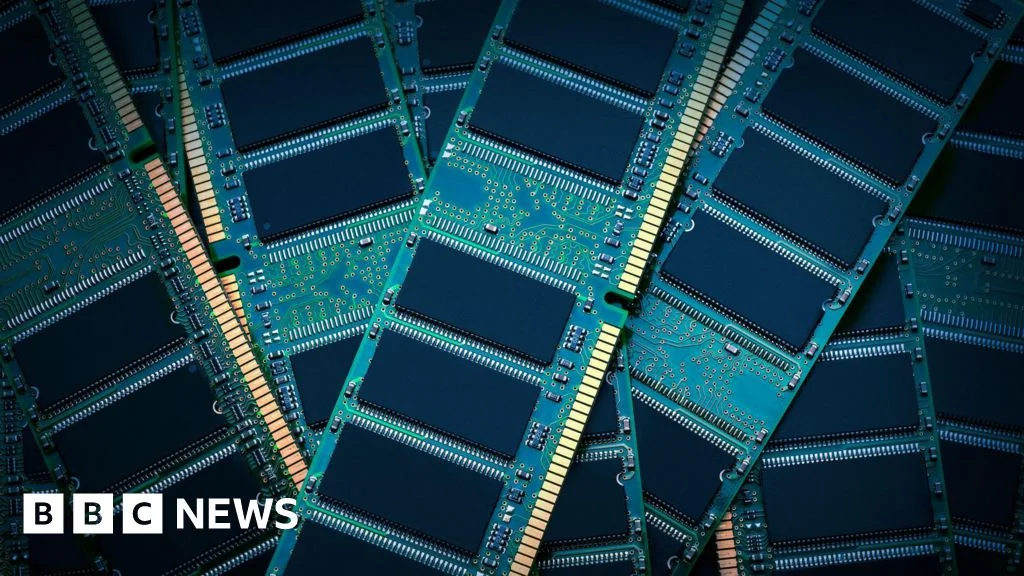
Rising RAM Costs and Chip Shortages Signal Price Hikes in Electronics

Rising demand for AI and data center memory, especially DDR5 and HBM, has driven up RAM prices globally, leading to a shortage that is expected to impact smartphone costs and configurations in 2026. Manufacturers may reduce RAM in devices, delay high-memory models, or shift focus to storage, resulting in higher prices and potentially lower performance options for consumers. The supply constraints are unlikely to ease until at least 2027, influencing the smartphone market significantly.

business16 days ago

Nvidia's AI Deals and Acquisition Plans Spark Investor Interest

Nvidia's stock has surged due to AI-driven GPU demand, with a strong earnings outlook expected after its February 25, 2026, earnings report, and a $500 billion order backlog through 2026. Despite high valuation, its consistent revenue growth and strategic expansions make it a compelling buy before the report, though it wasn't listed among the top 10 stocks recommended by The Motley Fool.

finance18 days ago

Copper Could Be the Next Big Winner After Gold and Silver Surge

In 2025, gold and silver prices surged dramatically due to Federal Reserve rate cuts and geopolitical fears, while copper, often seen as an economic health indicator, is poised for a significant rally driven by rising demand from AI infrastructure needs and a supply deficit. Investors are considering copper stocks like Freeport-McMoRan and Southern Copper, as well as ETFs like COPX, to capitalize on this potential growth in the upcoming years.

technology25 days ago

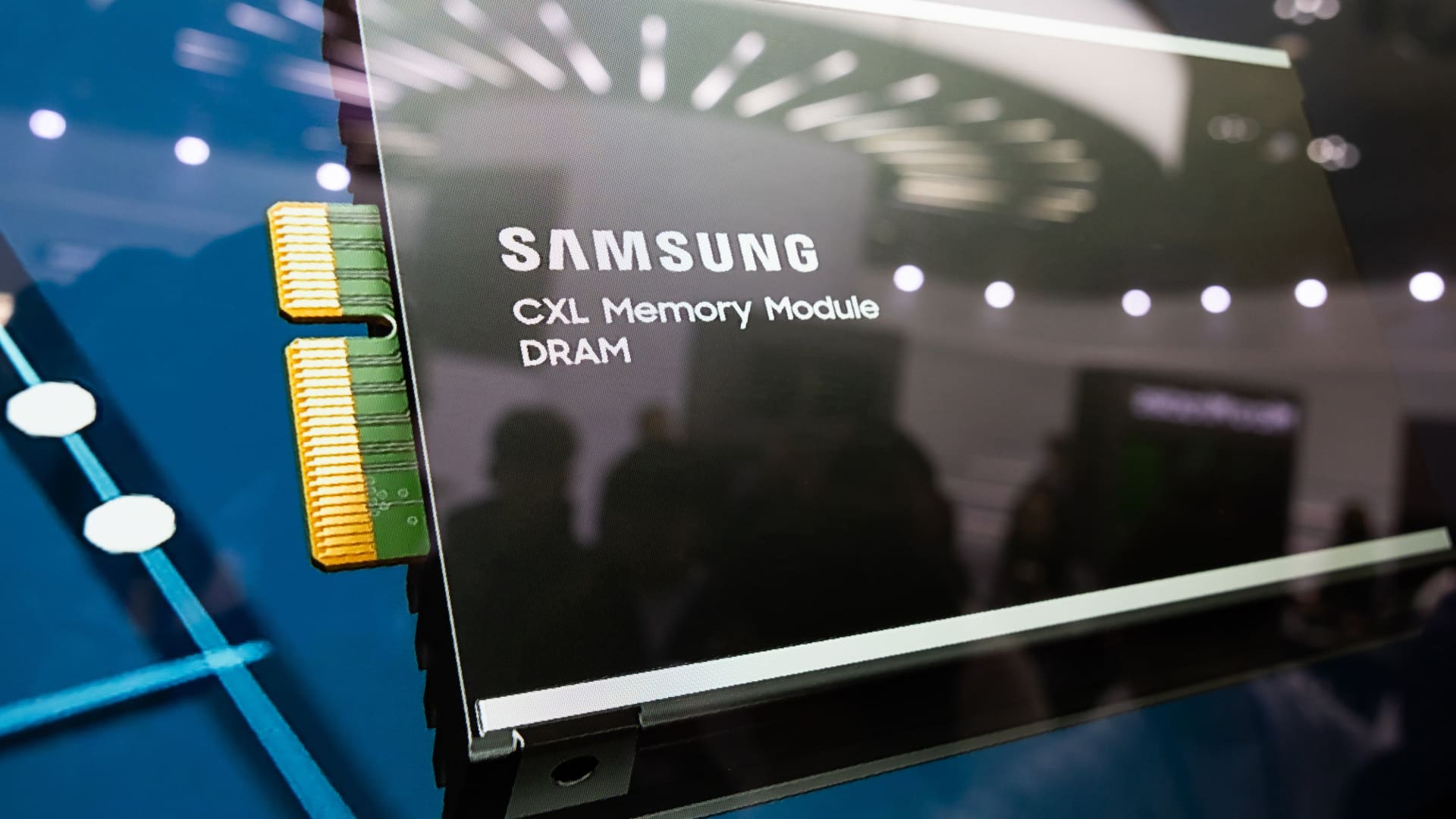
Memory Prices to Remain High Amid Industry Shifts and AI Growth

DRAM prices are expected to peak around 2026 due to high demand driven by AI and supply constraints, with prices remaining high until at least 2027. The market is diverging into consumer and enterprise segments, with enterprise memory like HBM experiencing rapid growth and price premiums. Supply chain challenges and long lead times for capacity expansion mean that memory shortages and high prices are likely to persist for several years, benefiting memory vendors financially.