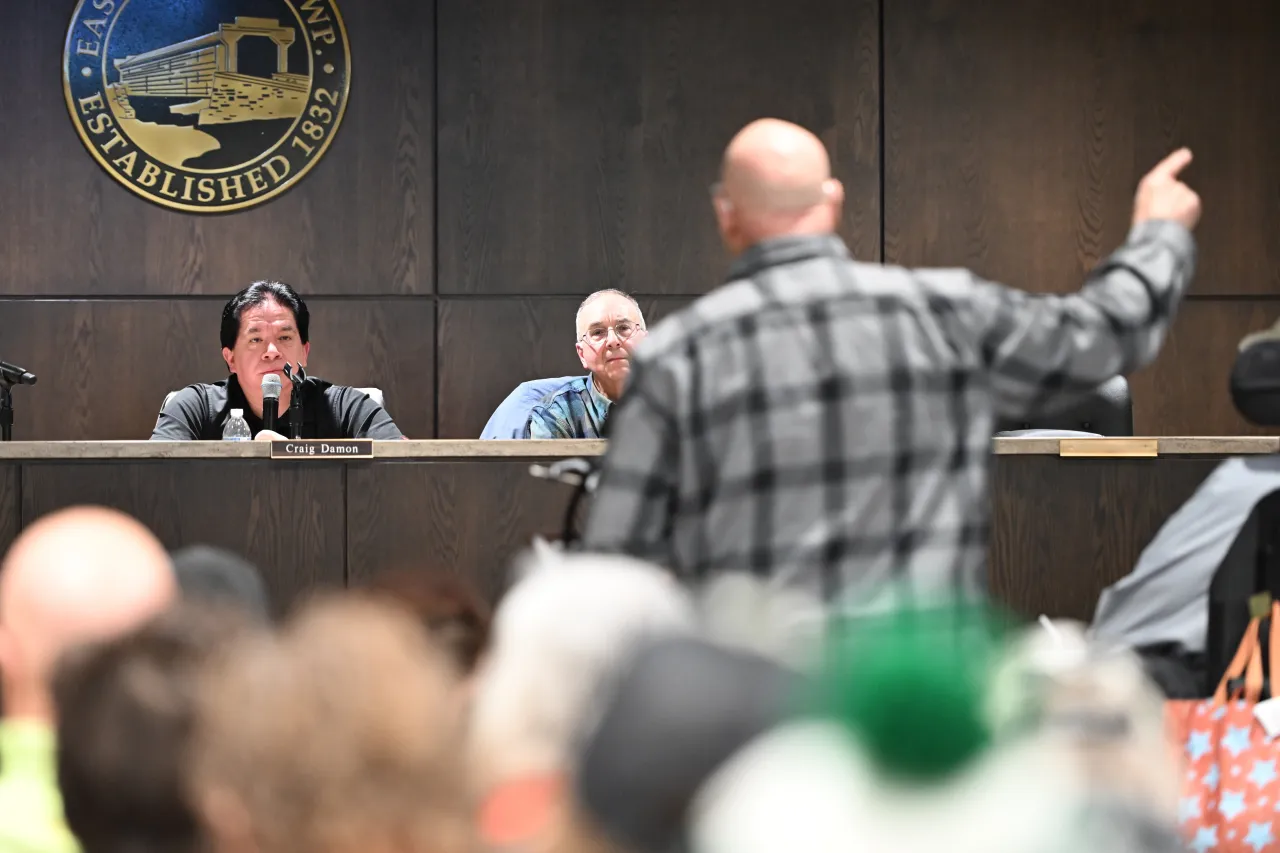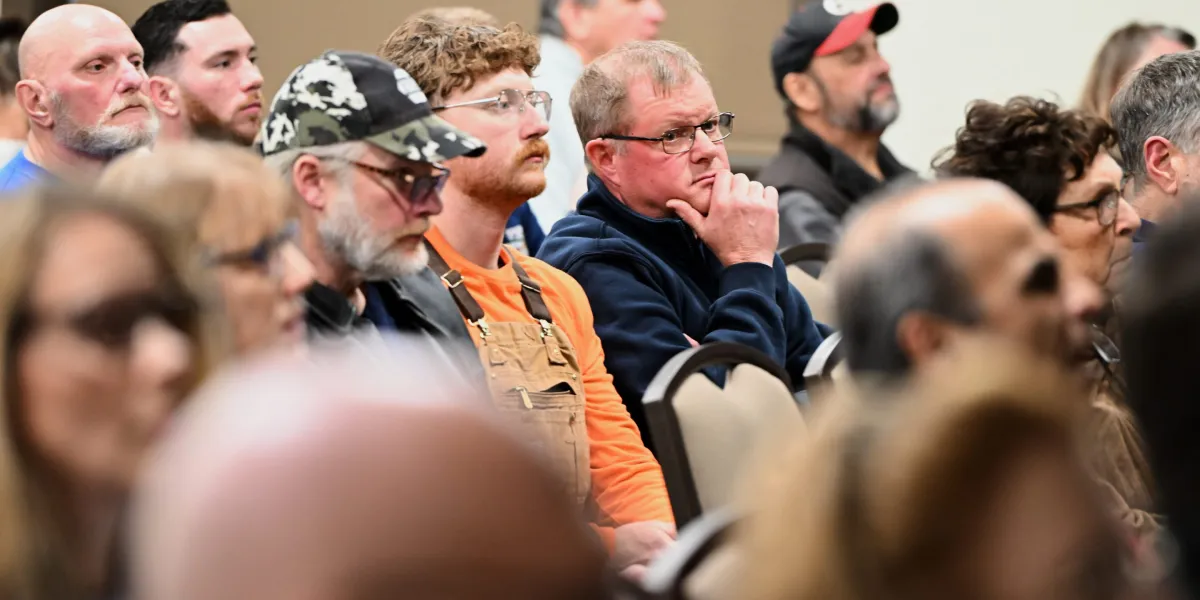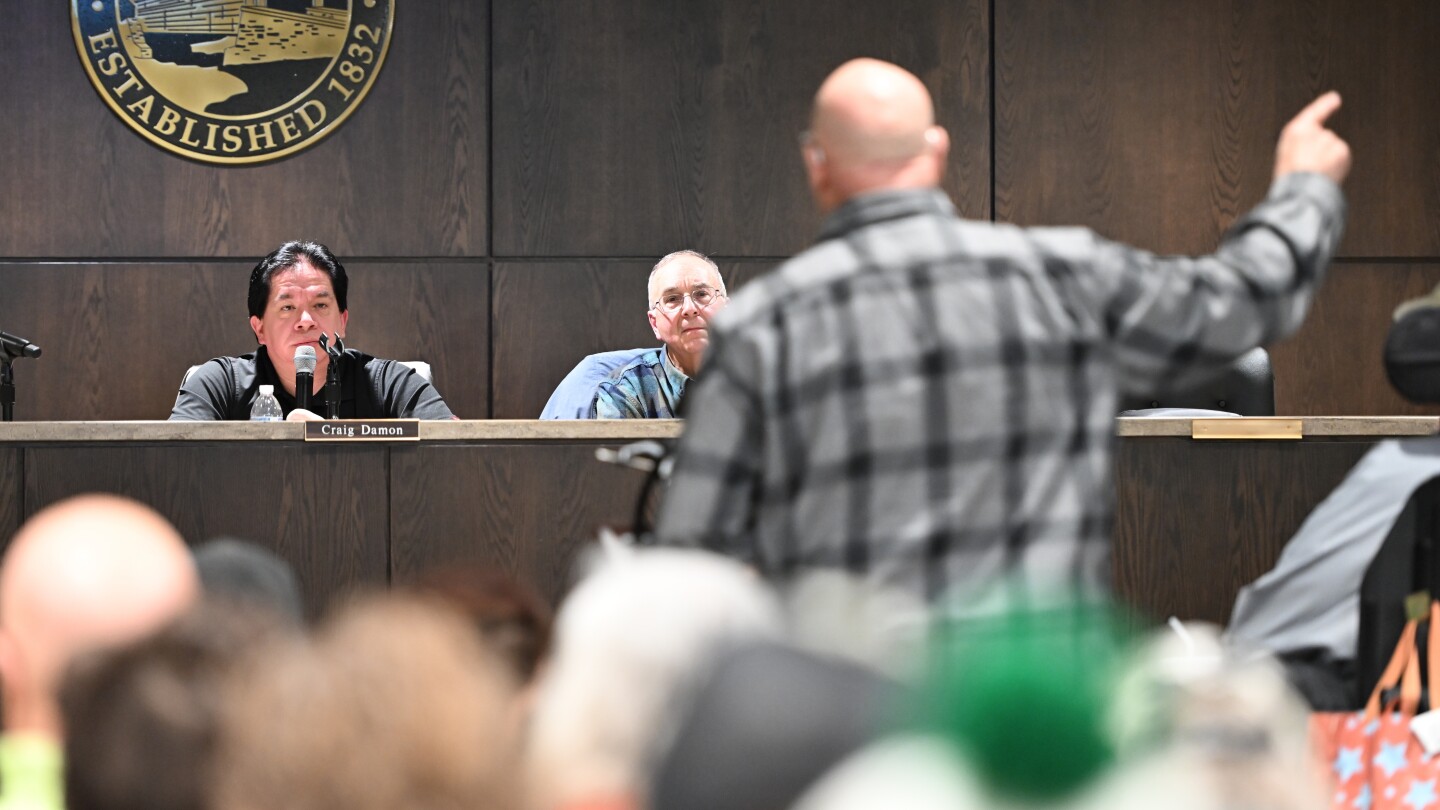
Communities across the U.S. are increasingly opposing the expansion of large data centers due to concerns over environmental impact, increased energy costs, and quality of life, leading to delays, cancellations, and legal battles for tech giants and developers.
Communities across the U.S. are increasingly opposing the proliferation of large data centers due to concerns over rising electricity costs, environmental impact, and quality of life, leading to delays, cancellations, and legal battles despite the significant investments by tech giants like Microsoft, Google, and Amazon.
Communities across the U.S. are increasingly opposing the construction of large data centers due to environmental, economic, and quality of life concerns, leading to numerous proposals being blocked or delayed despite significant industry investments and support from higher levels of government.
Communities across the US are increasingly opposing new data center projects due to concerns over high energy and water use, pollution, and local impacts, leading to delays and cancellations of billions of dollars in investments, with opposition expected to grow as data center development accelerates.
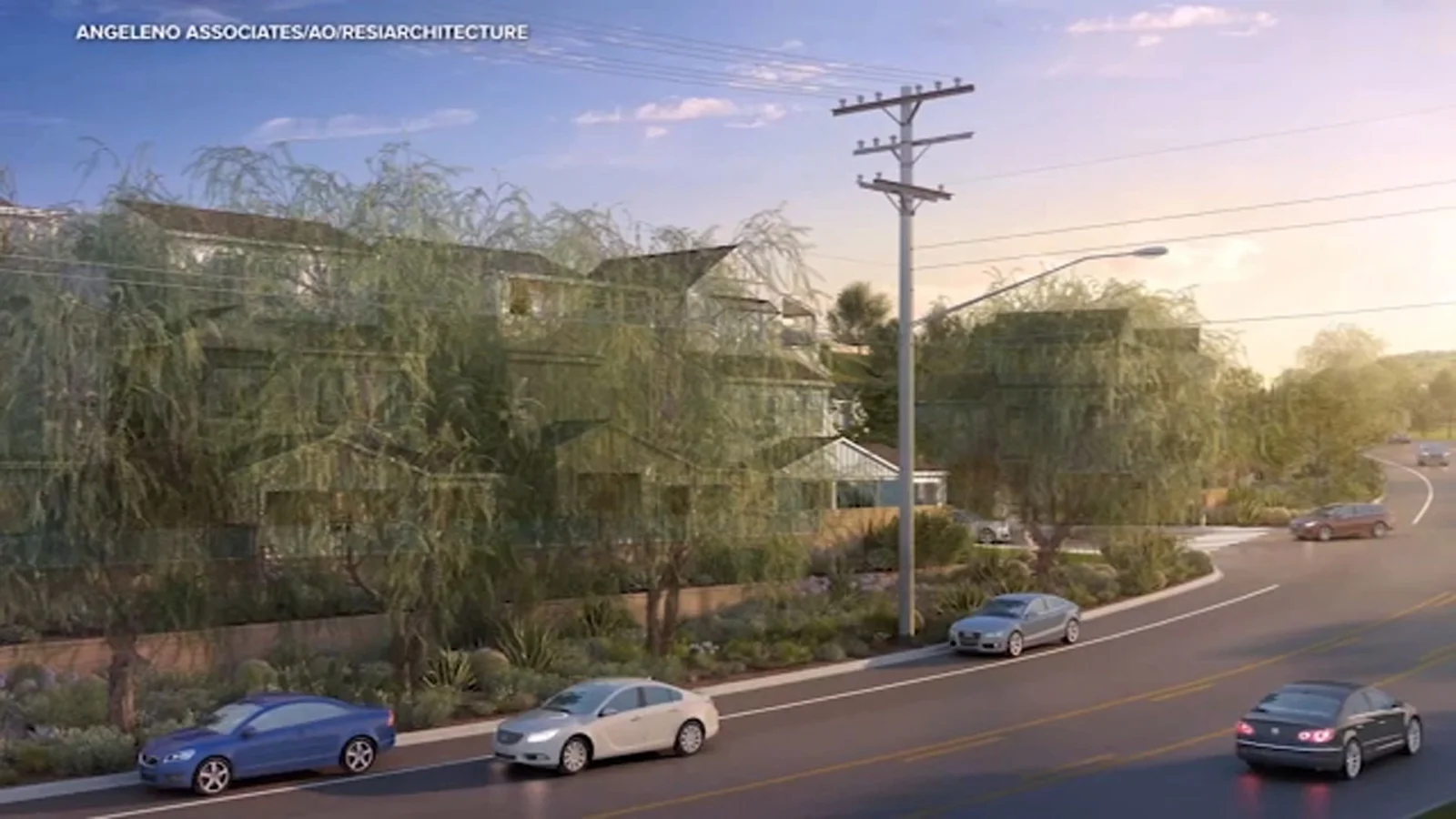
Residents of Woodland Hills oppose a proposed development of nearly 400 homes on a country club property, citing concerns over fire safety, traffic, environmental impact, and community disruption, while developers argue the project will provide needed housing and jobs, with the city considering legal challenges and environmental reviews.
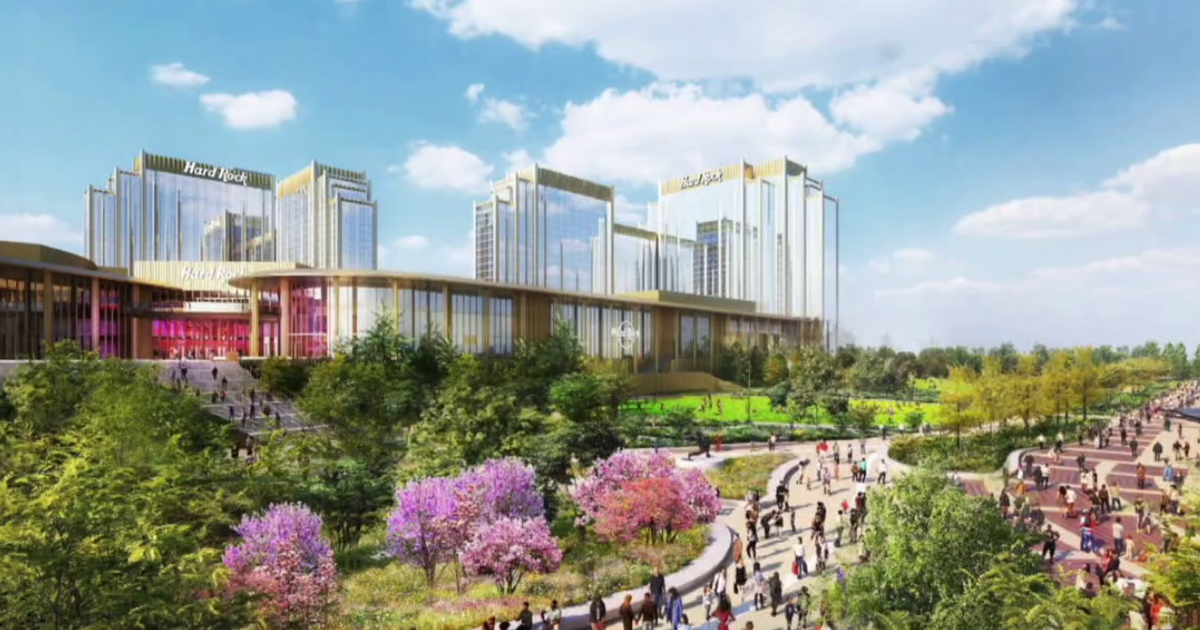
The $8 billion Citi Field casino proposal in Queens, backed by Mets owner Steve Cohen, has passed a key local vote and moved closer to approval, despite mixed community reactions and ongoing protests. The project aims to create a large entertainment complex and thousands of jobs, but faces opposition over concerns about displacement and community impact. It is one of eight proposals competing for three licenses in the region, with final decisions expected in December.
A proposed casino in Times Square backed by Caesars and Jay-Z was rejected by a community advisory committee due to concerns from Broadway stakeholders about potential negative impacts on the theater district and local community.
A planned ICE raid near the George Eastman Museum in Rochester was disrupted by over 200 community members, activists, and clergy who gathered to oppose the operation, leading to ICE agents leaving the area without making arrests amid a tense standoff.
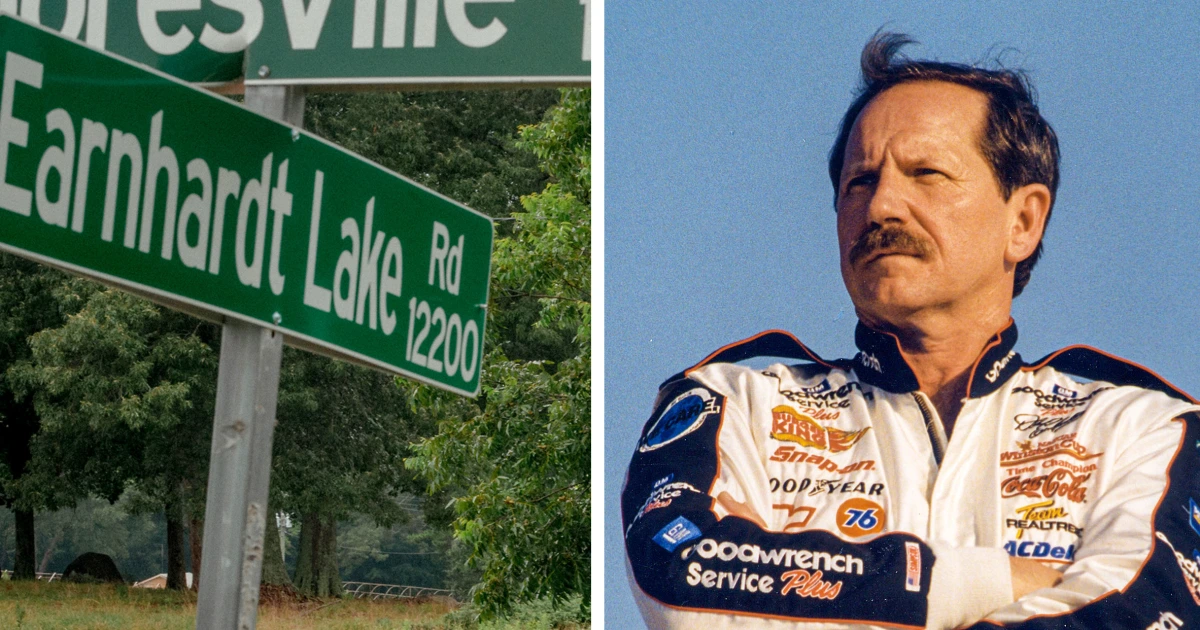
Dale Earnhardt's widow, Teresa Earnhardt, plans to develop his North Carolina land into a $30 billion data center, sparking a dispute with his son Kerry and local residents who oppose the project due to environmental and community concerns. The Mooresville Board of Commissioners is set to vote on the rezoning, but uncertainty remains due to lack of details about the project's final partners. The controversy reflects broader national debates over the environmental impact and economic benefits of large data centers.
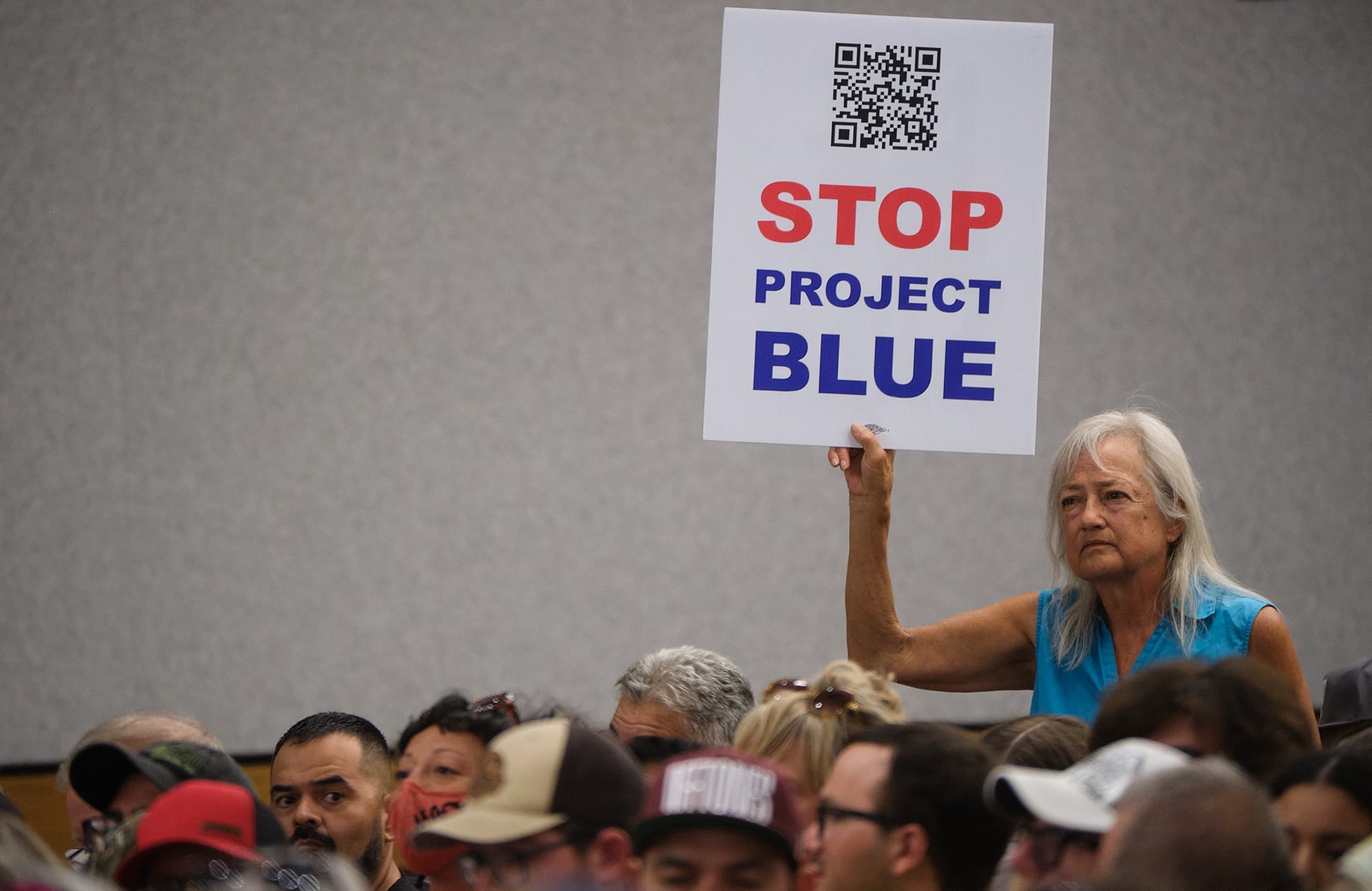
The Tucson City Council unanimously rejected the proposed Project Blue data center, linked to Amazon, amid strong community opposition and concerns over transparency and environmental impact. The decision halts the project within city limits, though developers may consider other locations outside Tucson. The council plans to introduce new ordinances to regulate large water users and address future data center impacts.
Nantucket officials regret their 2020 agreement with Vineyard Wind for an offshore wind farm due to environmental, safety, and communication issues, and are considering legal action, highlighting challenges faced by offshore wind projects along the East Coast.
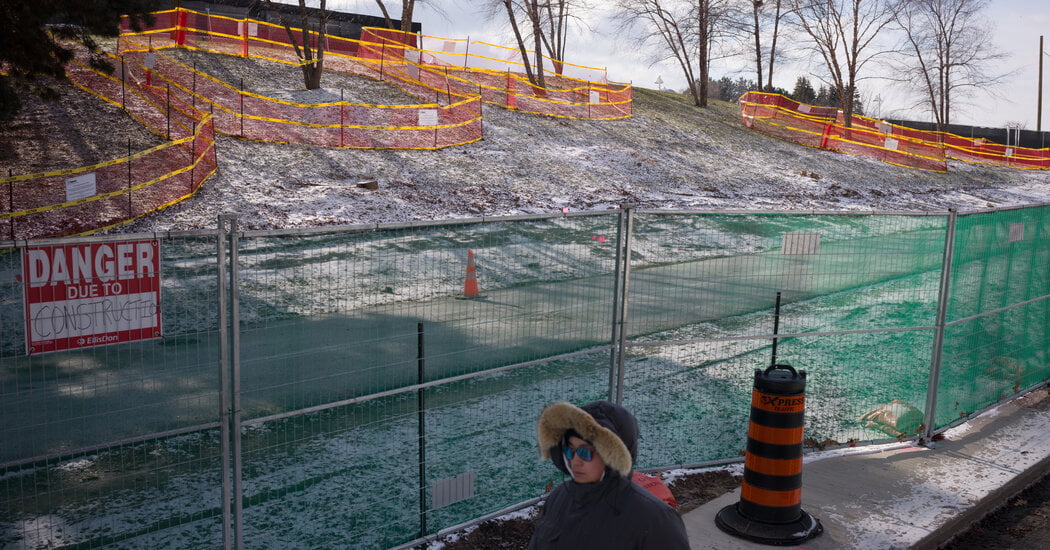
The future of Ontario Place in Toronto is under debate as the province plans to lease part of the island to an Austrian spa developer, sparking criticism from local politicians and residents who value the public waterfront space.
A Placer County judge has denied the immediate release of William Stephenson, a sexually violent predator, following a public hearing. Stephenson, who has a history of sexual battery dating back to the 1980s, was sentenced to 31 years in state prison for his crimes. Despite being eligible for release for a year and a half, all possible locations for his housing have fallen through. The judge stressed the need for confirmation on housing and supervision after release. A review meeting has been scheduled for September 20th.