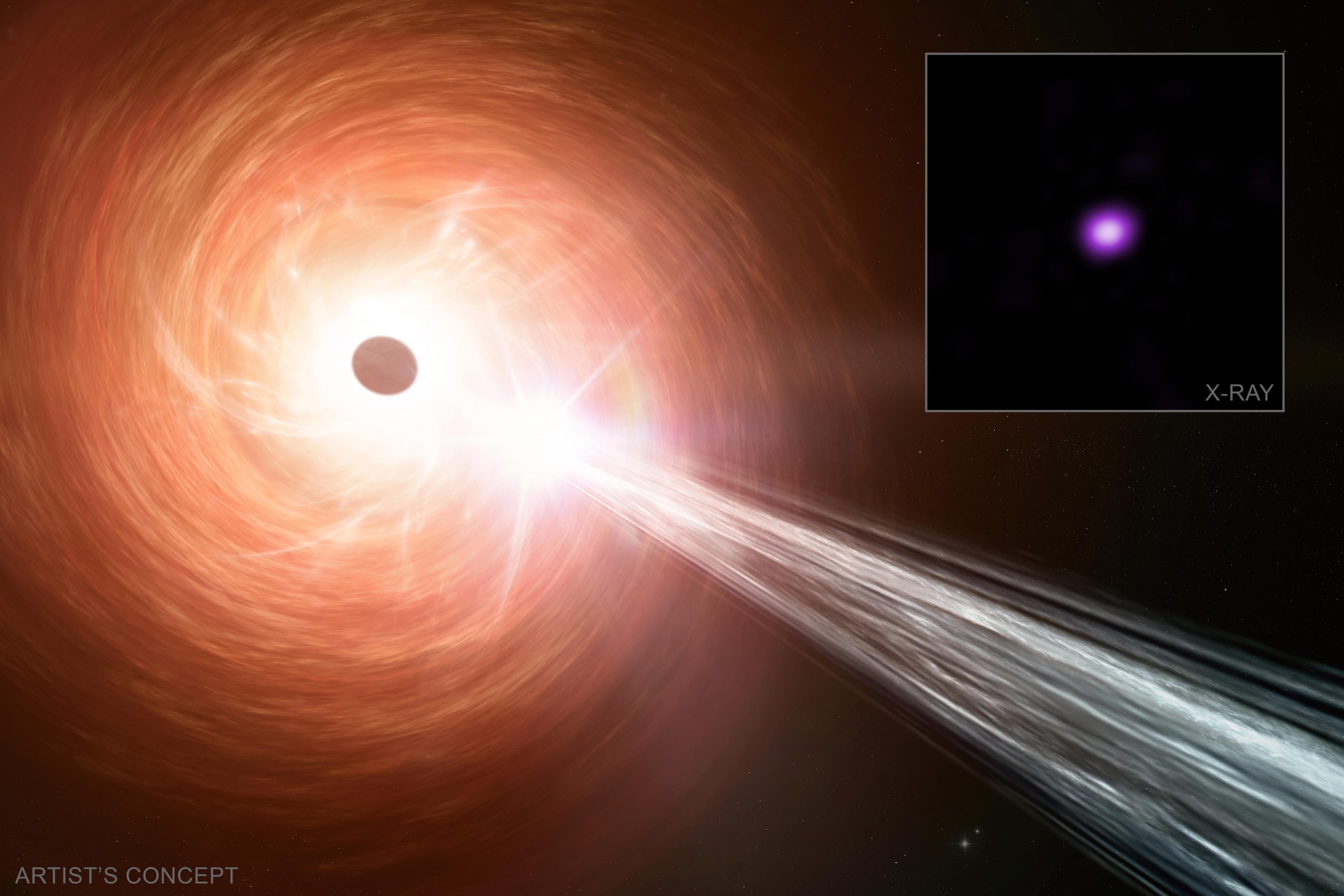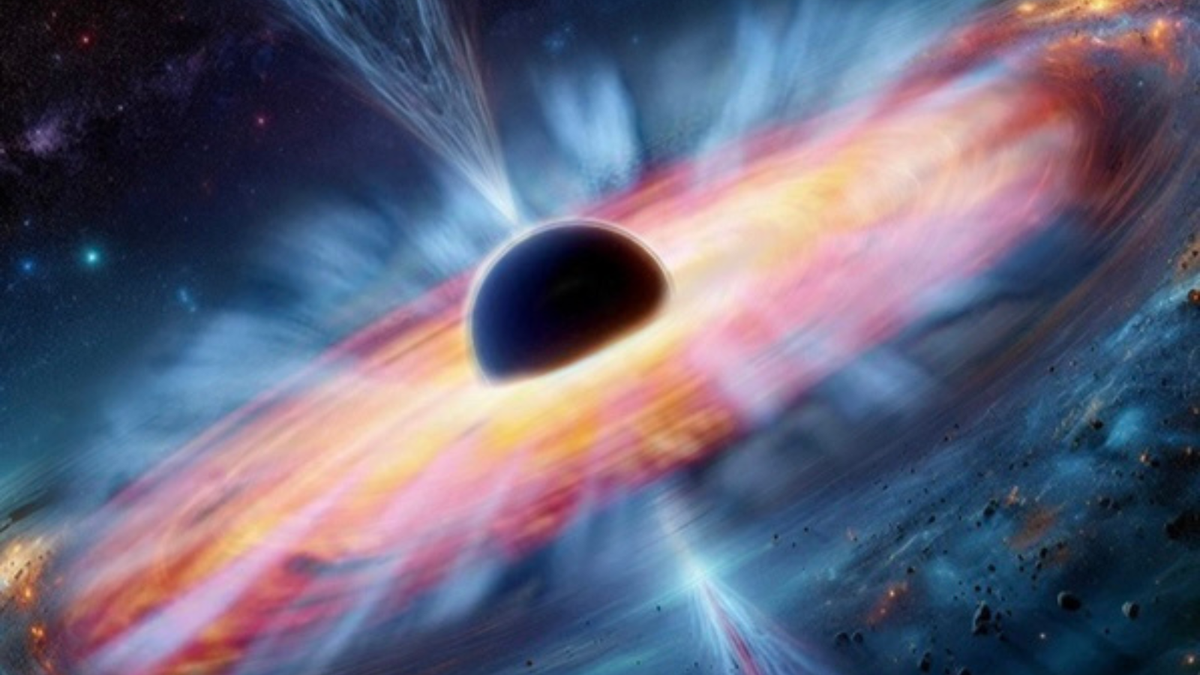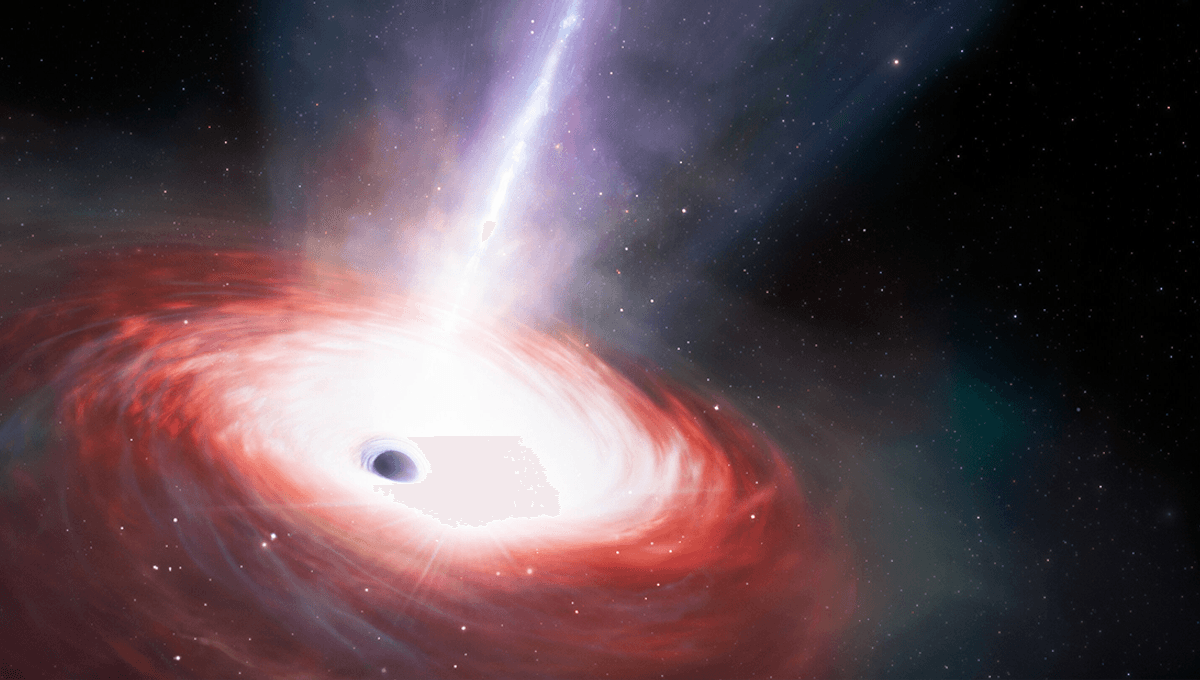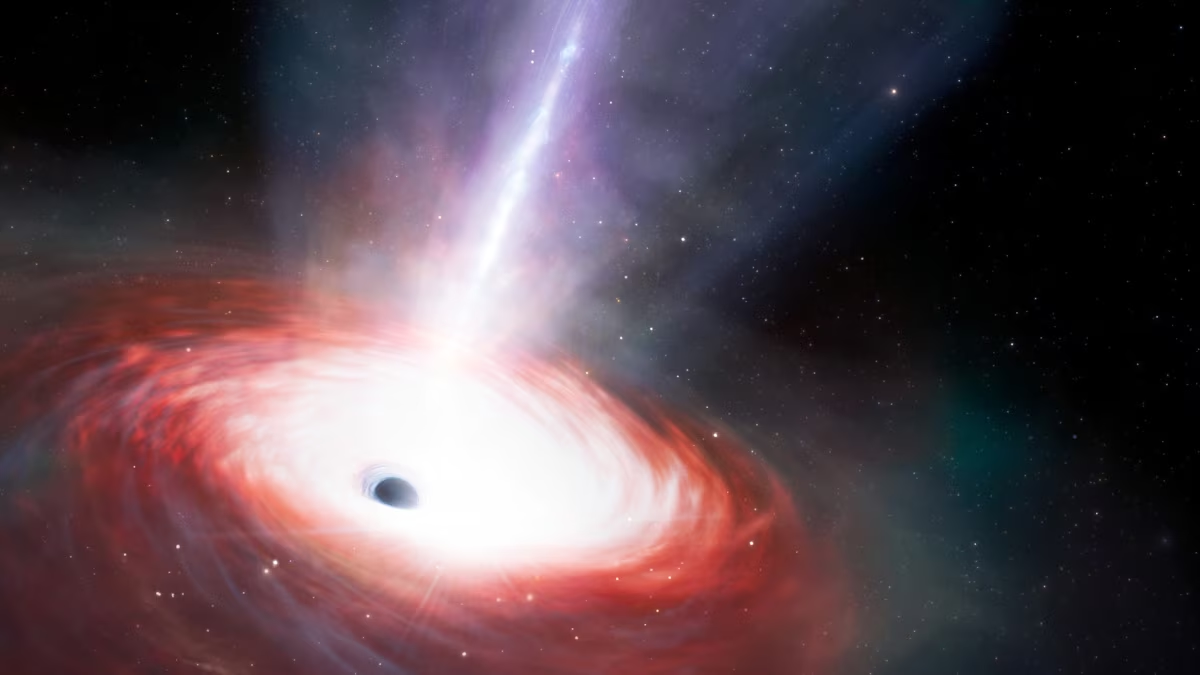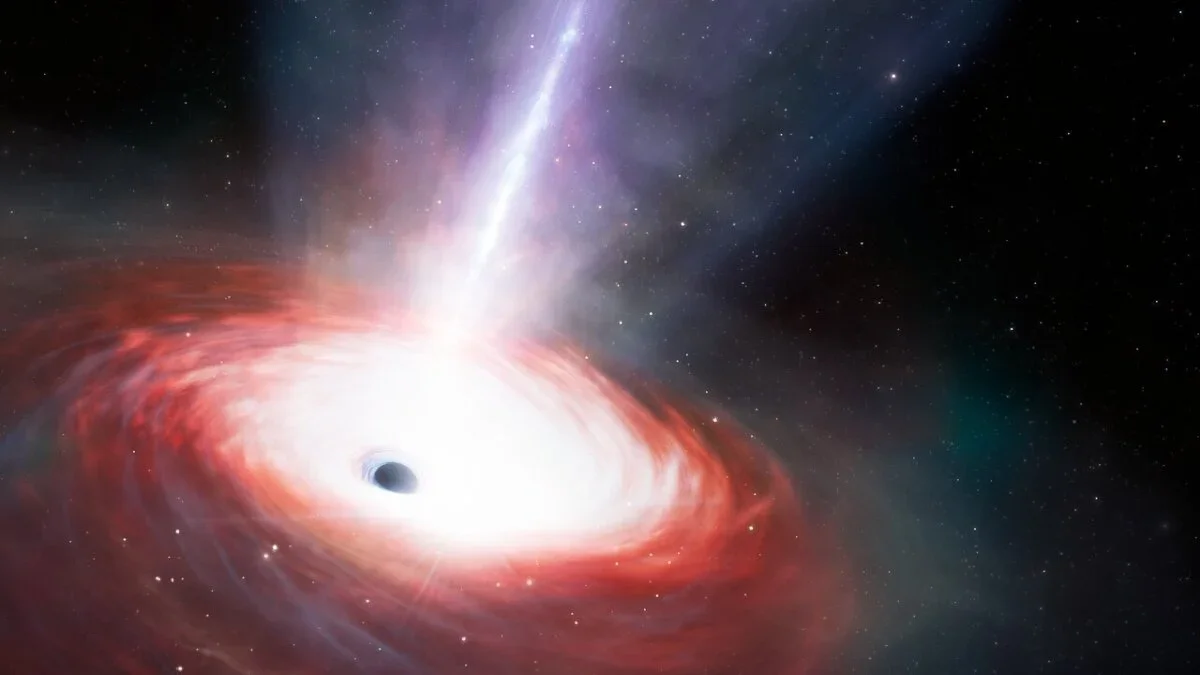
Ancient quasar defies growth rules by 13× the cosmic limit
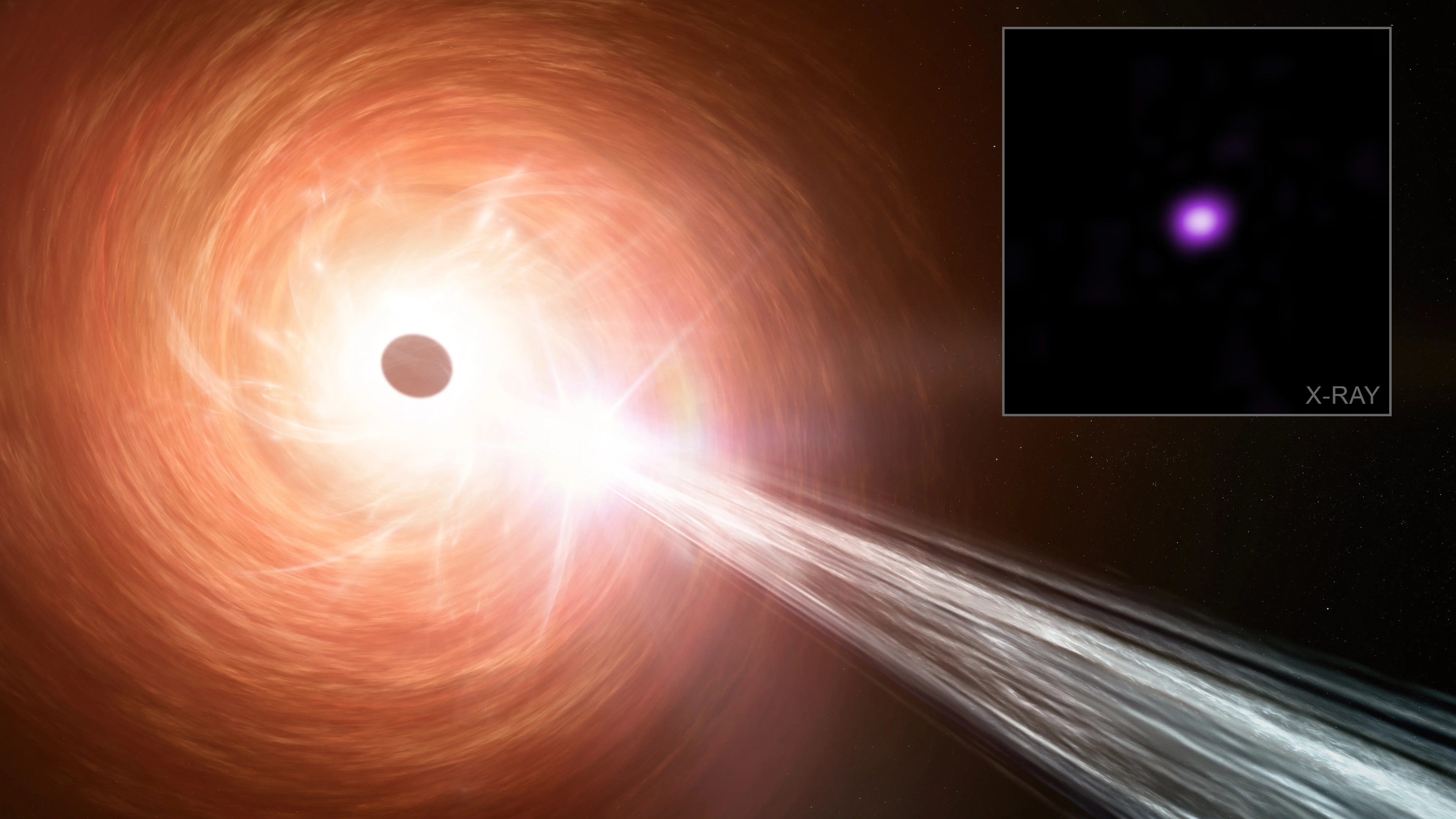
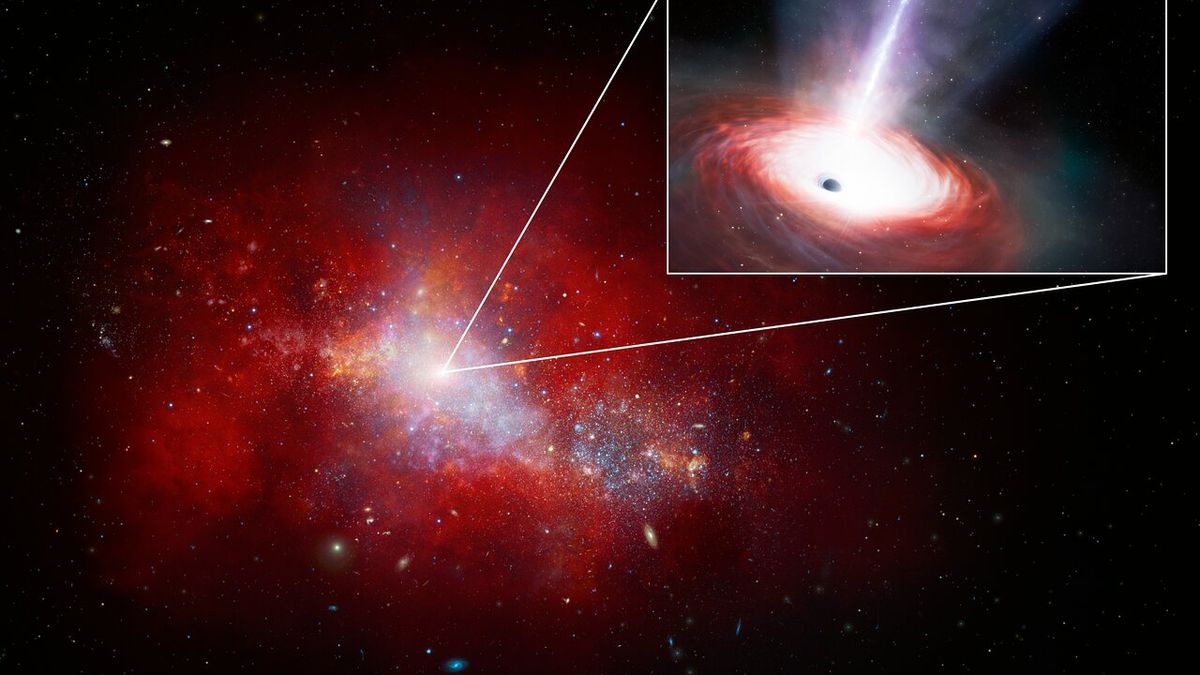
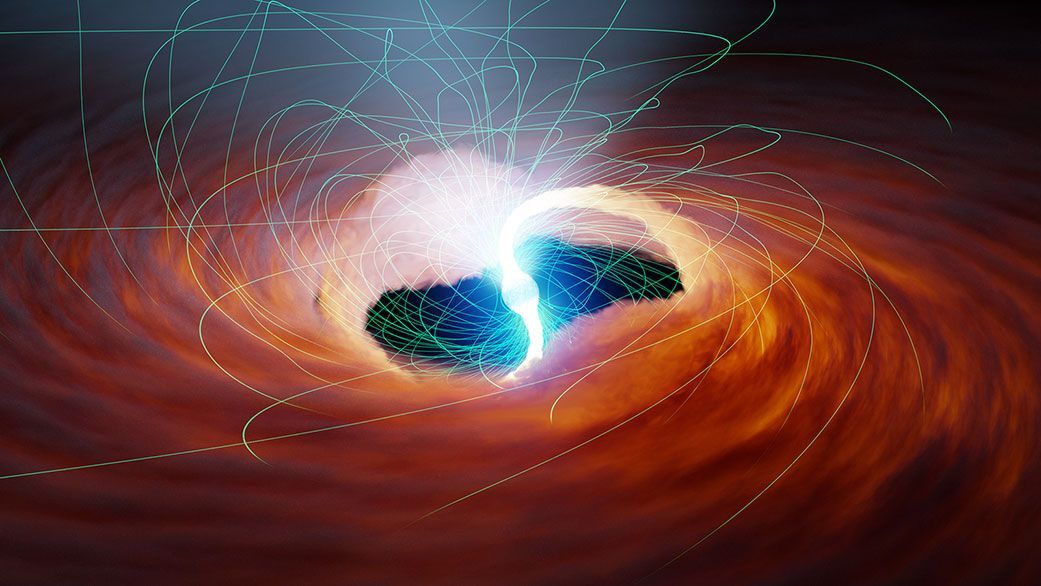
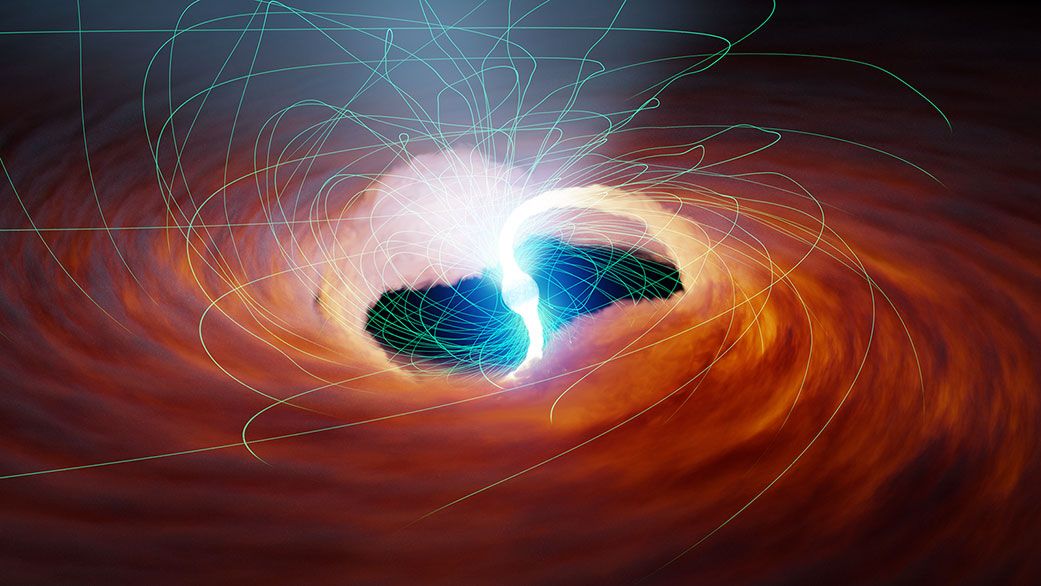
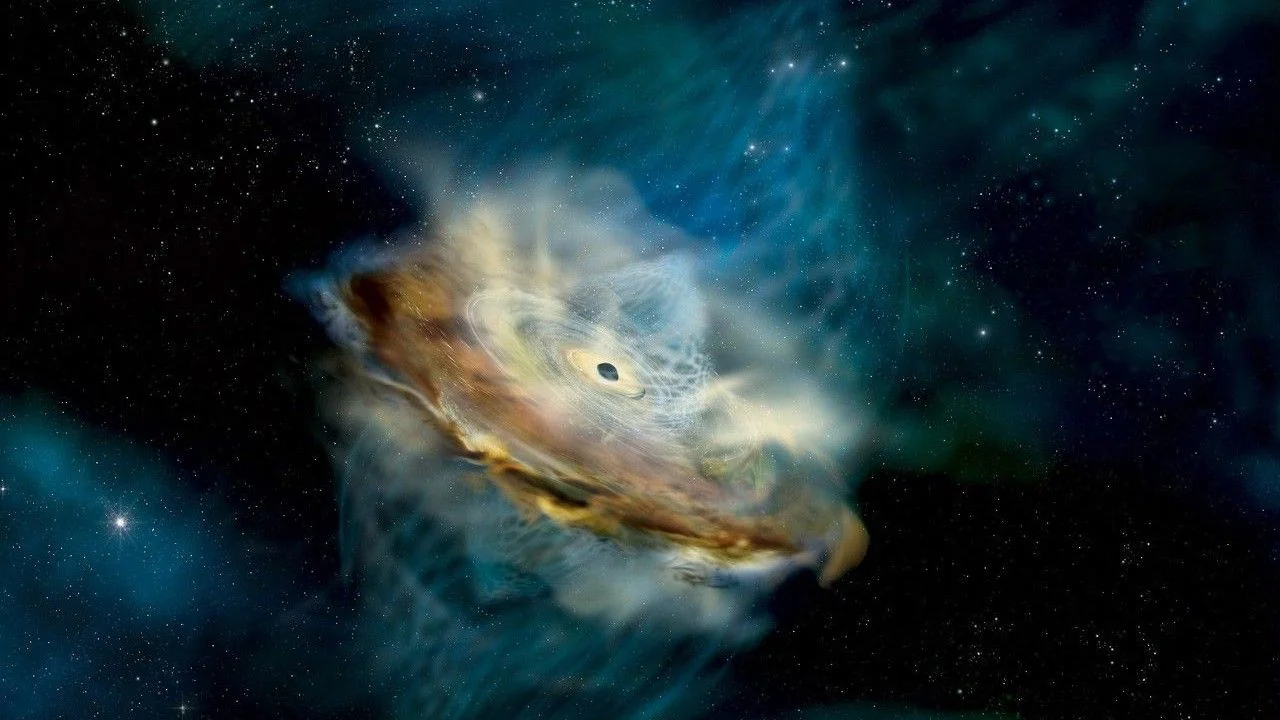
Astronomers studying the distant quasar ID830 find a supermassive black hole actively accreting at about 13 times the Eddington limit, powering gigantic radio jets and a bright X-ray corona. The extreme, short-lived super-Eddington phase challenges standard black hole growth models and supports the idea that early-universe SMBHs grew rapidly, shaping their host galaxies through intense outflows and radiation.