The US has reaffirmed its criticism of Europe, framing its recent national security strategy as a warning rather than an insult, citing concerns over Europe's economic decline and advocating for reforms to reduce regulation and boost growth, amidst ongoing trade tensions and efforts to strengthen the transatlantic alliance.
Bolivian miners and protesters clashed with police in La Paz during the second week of demonstrations against President Rodrigo Paz's economic reforms, including the removal of fuel subsidies, which has led to increased fuel prices and economic concerns. The protests involve miners, teachers, and Indigenous groups opposing the reforms, which aim to attract foreign investment and implement economic changes.
Argentina's libertarian President Javier Milei secured a decisive victory in midterm elections, strengthening his mandate amid support from the Trump administration, despite economic challenges and internal divisions within the opposition. The election results reflect a shift in Argentine politics, with Milei's reforms gaining momentum and U.S. backing potentially influencing future economic policies.
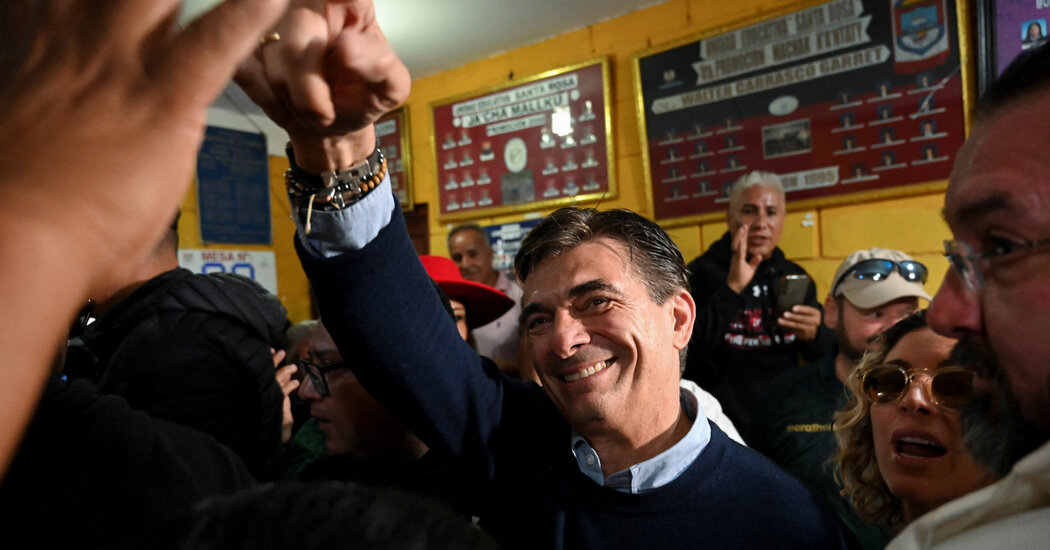
Rodrigo Paz, a centrist candidate, won Bolivia's presidential election, ending 20 years of leftist rule, amid voter frustration over economic issues and political instability, with Paz promising cautious reforms and maintaining social programs.
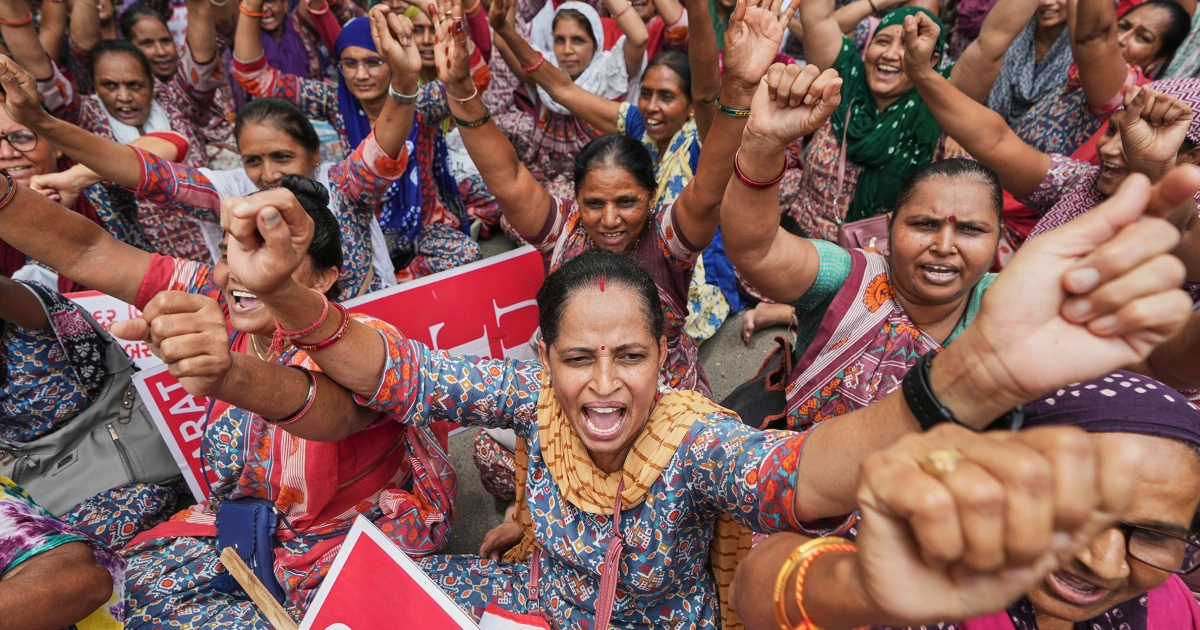
Hundreds of thousands of Indian workers participated in a nationwide strike called Bharat Bandh to oppose Prime Minister Narendra Modi's economic reforms, including privatization and labor law changes, leading to disruptions in transportation, banking, and manufacturing sectors, and raising concerns over workers' rights and benefits.
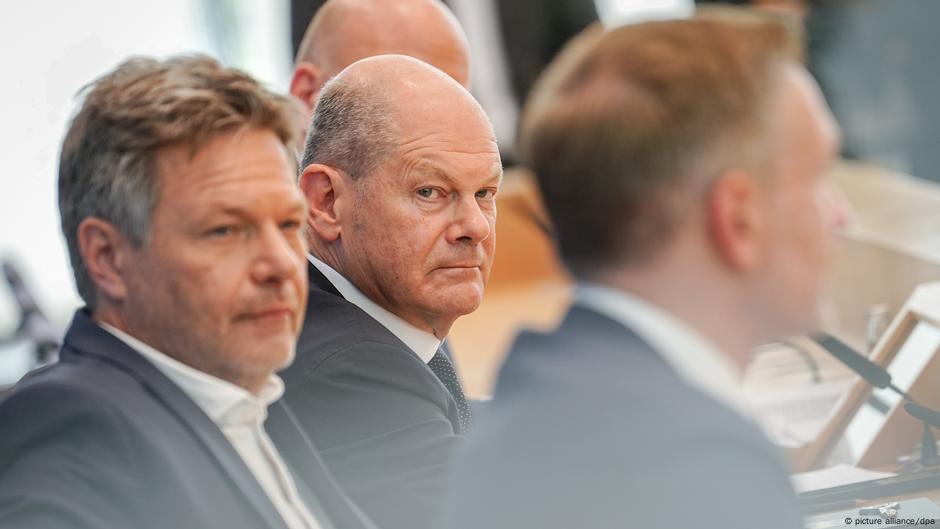
German Chancellor Olaf Scholz has dismissed Finance Minister Christian Lindner following a breakdown in coalition talks over economic reforms. Lindner, leader of the neoliberal FDP, had proposed early elections as a solution to the crisis, which Scholz rejected. The coalition, comprising Scholz's SPD, the Greens, and the FDP, has been at odds over how to address a budget shortfall amid economic struggles and a looming recession.
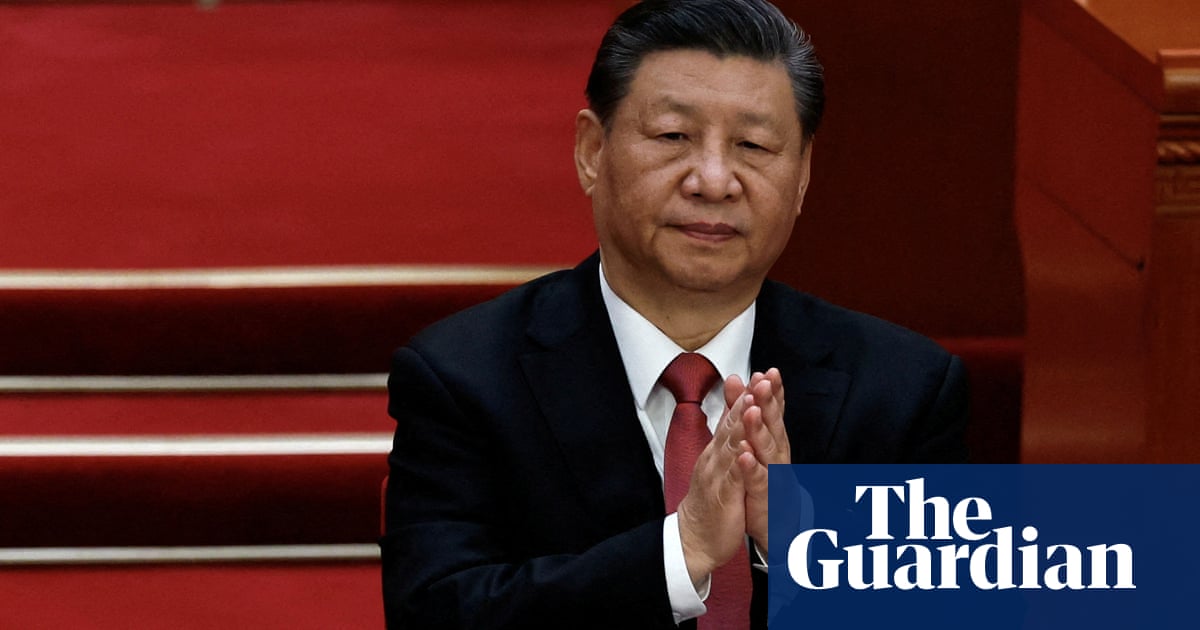
Top Chinese officials, led by President Xi Jinping, will meet in Beijing for the third plenum to address economic challenges such as a real estate debt crisis, weakening consumption, and an ageing population. The meeting, historically known for unveiling significant economic policy changes, is expected to focus on long-term structural reforms rather than short-term adjustments. Analysts hope for decisive actions to support the economy, but expectations are tempered by state media's indications of modest policy tweaks.
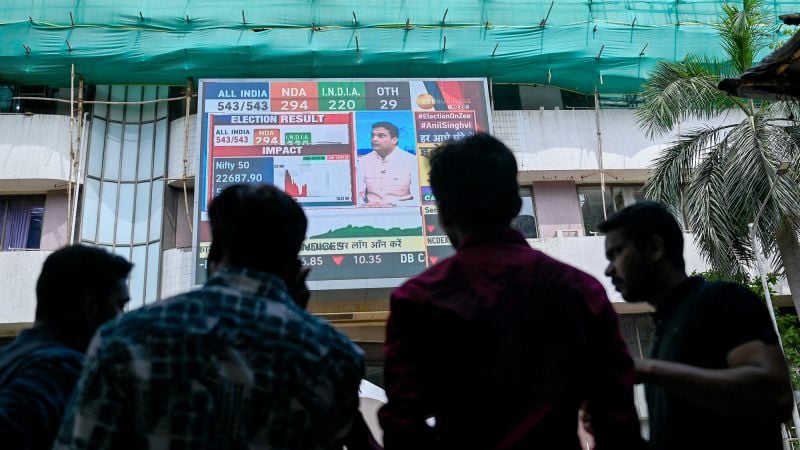
Indian stocks experienced their worst day in four years, with the Sensex and Nifty 50 indices dropping nearly 6%, as vote counting in the country's election indicated that Prime Minister Narendra Modi's hopes for a landslide victory are fading. This raises concerns about his ability to implement aggressive economic reforms, potentially leading to policy paralysis and uncertainty.
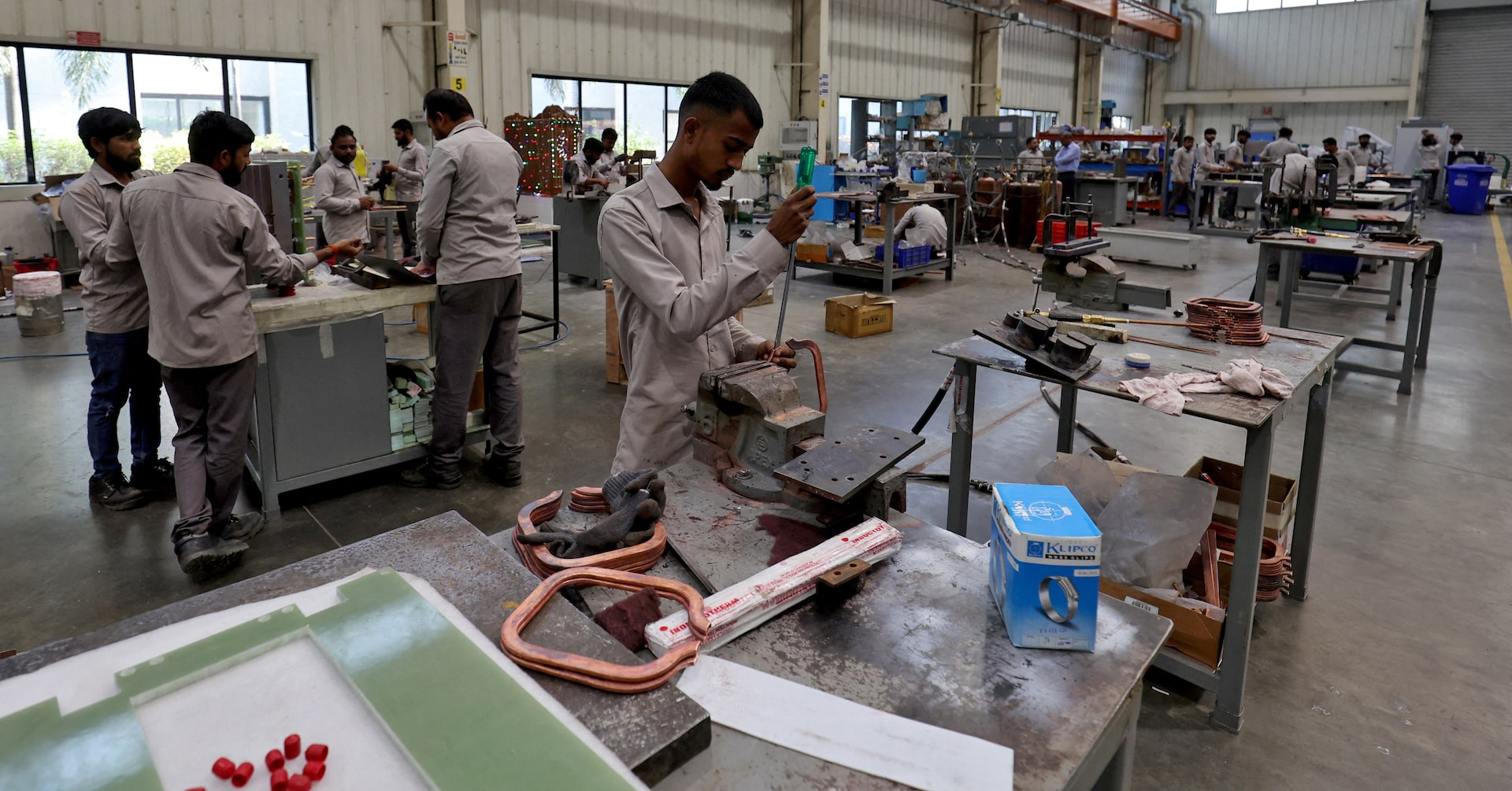
Indian Prime Minister Narendra Modi plans to implement business-friendly reforms if re-elected, aiming to transform India into a global manufacturing hub. These measures include easing labor laws, offering subsidies for domestic production, and reducing import taxes. Modi's strategy is to position India as an alternative to China for global supply chains, but challenges such as restrictive labor laws, land acquisition issues, and high tariffs remain significant obstacles.
The International Monetary Fund's Managing Director, Kristalina Georgieva, has urged China to choose pro-market reforms to spur growth, stating that the country faces a critical decision point. She emphasized that with comprehensive pro-market reforms, China could experience significant growth, potentially adding $3.5 trillion to its economy over the next 15 years. Georgieva highlighted the need for China to address challenges such as low productivity growth, an aging population, and real estate and debt issues. Chinese Premier Li Qiang pledged efforts to promote high-quality development and intensify macro-policy adjustments at the China Development Forum, while also vowing a higher level of openness to address challenges and boost confidence among foreign investors and businesses.
IMF Managing Director Christine Lagarde has emphasized that China is at a critical juncture in its economic reforms, urging the country to prioritize measures that will boost domestic demand. Lagarde's comments come as China faces increasing pressure to address its economic imbalances and shift towards a more sustainable growth model.
Egypt's central bank raised interest rates by 600 basis points and devalued the pound, leading to a record low against the dollar, in a move aimed at securing an agreement with the IMF and addressing the country's foreign currency shortage. The pound was trading at roughly 50 to the dollar, up from 30.85 previously, and the key interest rate now stands at 27.25%. The measures are part of comprehensive economic reforms and are expected to pave the way for an IMF deal, with analysts anticipating further monetary tightening to combat inflation and offset the impact of the weakened pound.
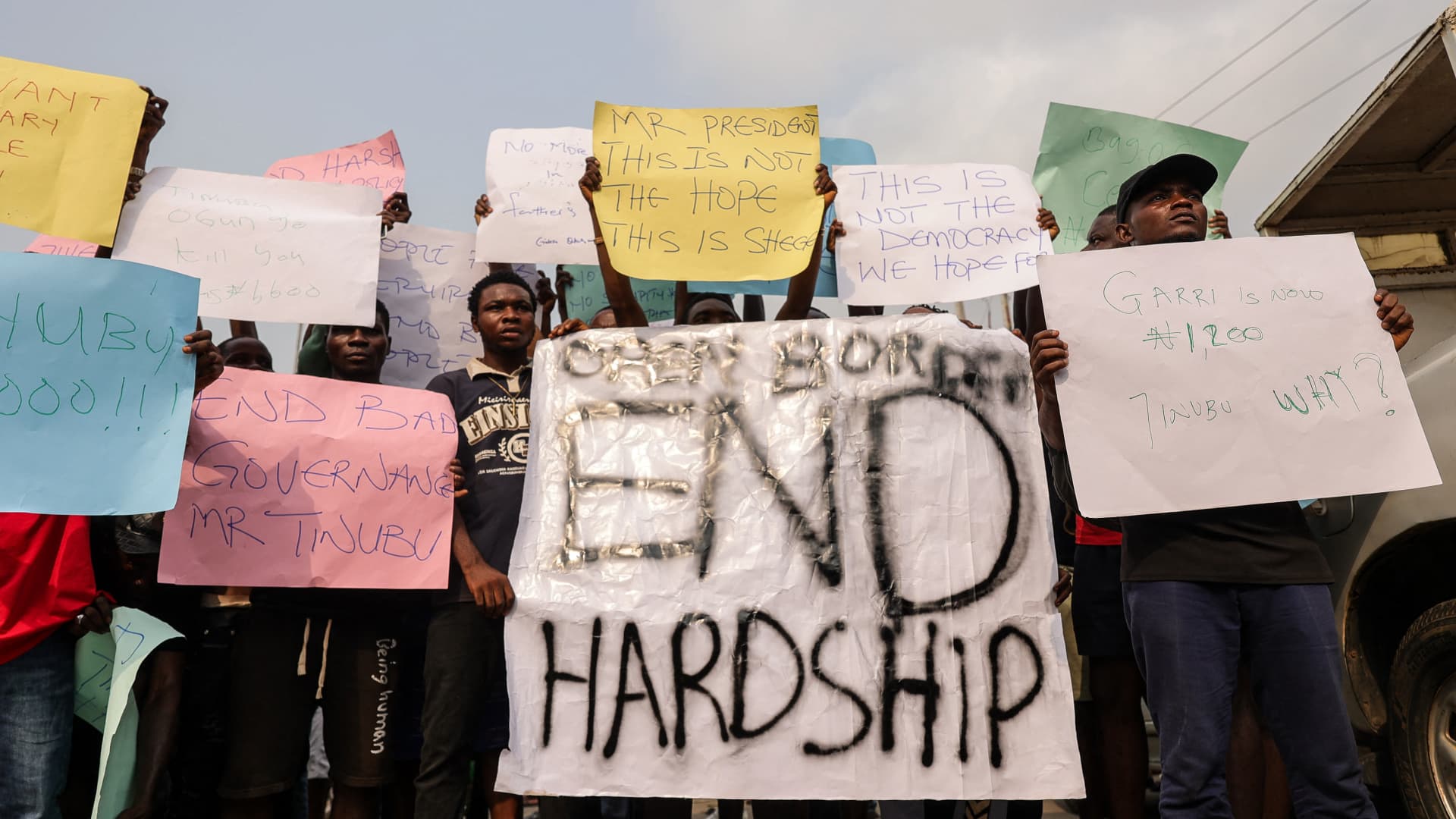
Nigeria is grappling with a severe currency crisis and soaring inflation, with almost 10% of the population facing food insecurity. The government's economic reforms, including the removal of fuel subsidies and relaxation of currency controls, have led to short-term macroeconomic issues. The International Monetary Fund has urged the country to address rising food insecurity as an immediate policy priority and commended the government's efforts to implement a social protection system. However, challenges such as high inflation, naira weakness, and policy tightening continue to pose significant headwinds to economic growth, while private sector momentum has slowed due to high input prices and output cost inflation.
Argentina's libertarian President Javier Milei has warned lawmakers that he will push through sweeping economic reforms with or without their support, as he faces resistance to his plans for deregulation and budget cuts. Milei has devalued the peso, slashed state subsidies, and cut public service jobs in a bid to reorganize the economy, but faces legal challenges and protests. He has vowed to pass his reforms by decree if necessary, as Argentina grapples with severe economic struggles and high poverty levels.