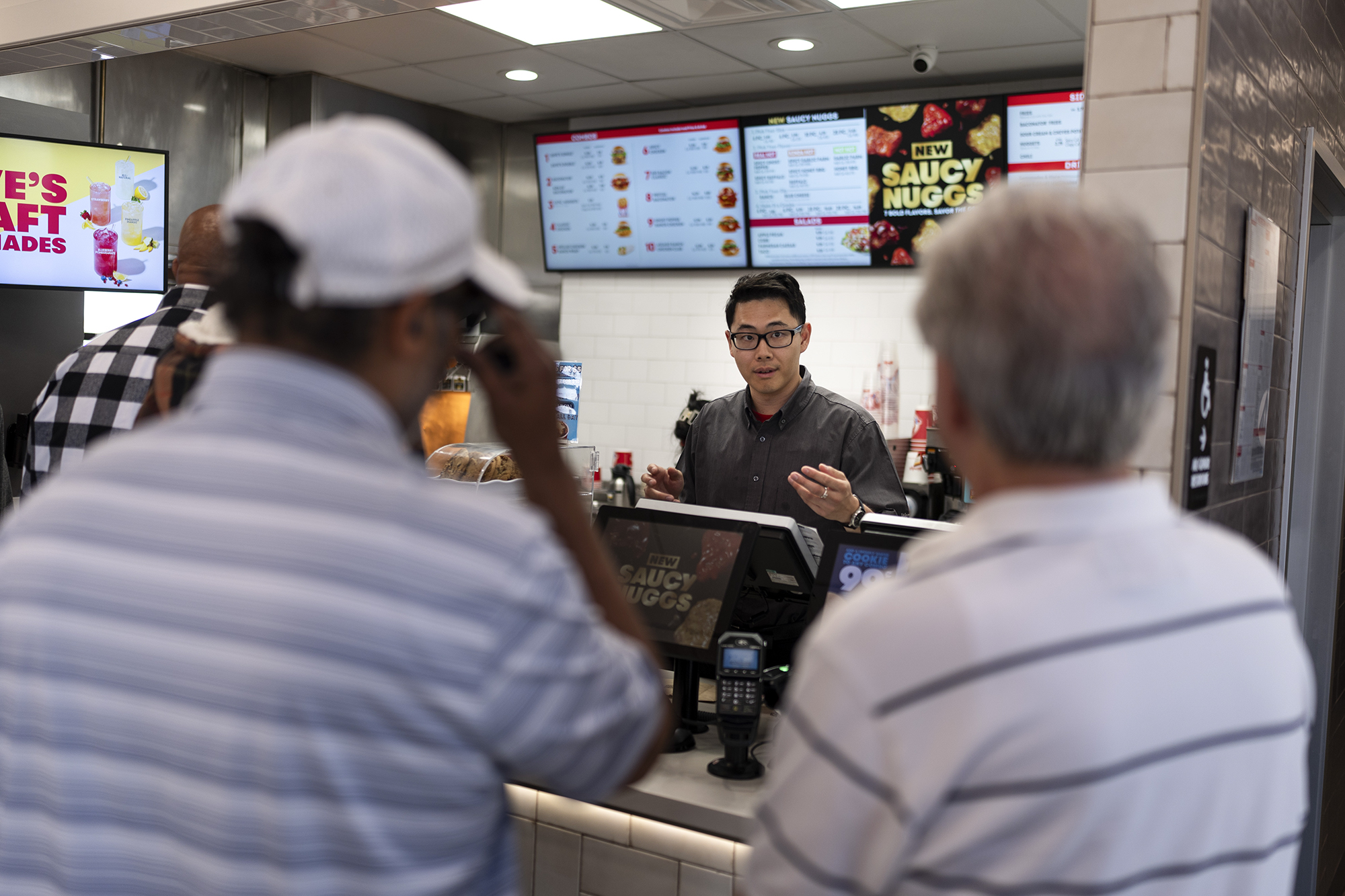
California's minimum wage will rise to $16.90 in 2026, with local jurisdictions like Los Angeles debating further increases, including a proposed $30 minimum wage for hotel and airport workers by 2028, amid ongoing industry and political debates.
Employees at Target warehouses in upstate New York have filed a lawsuit claiming they should be compensated for the long walks to and from their workstations, alleging violations of labor laws and potentially owed back pay dating back to 2019.
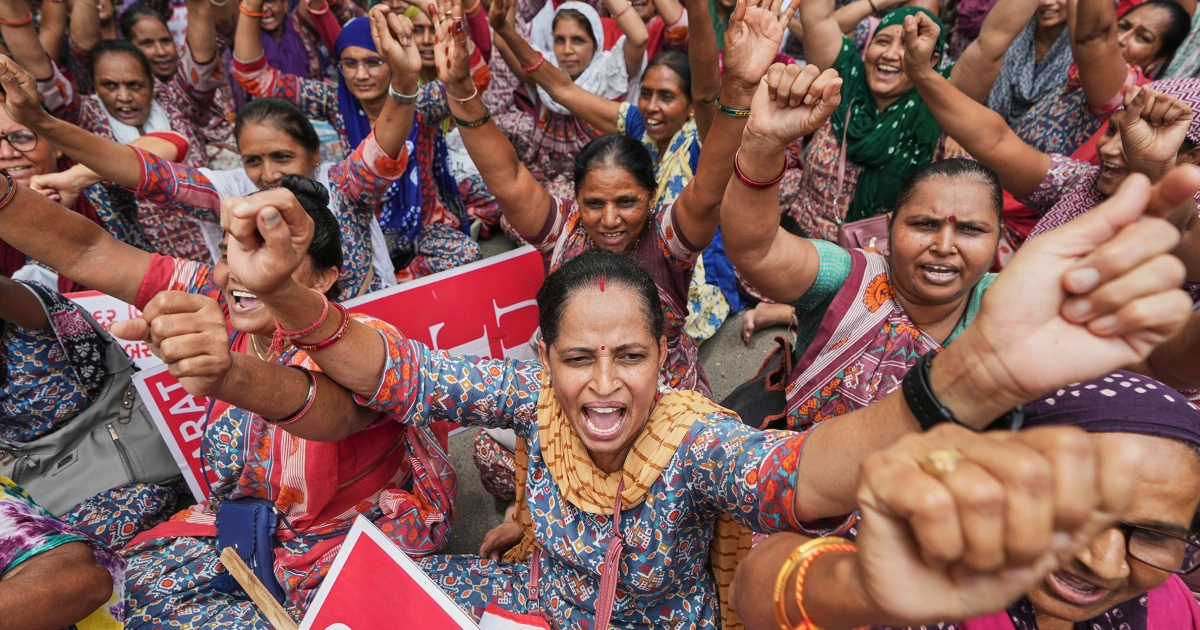
Hundreds of thousands of Indian workers participated in a nationwide strike called Bharat Bandh to oppose Prime Minister Narendra Modi's economic reforms, including privatization and labor law changes, leading to disruptions in transportation, banking, and manufacturing sectors, and raising concerns over workers' rights and benefits.
Vietnamese-American nail salon owners and technicians are suing California over Assembly Bill 5, claiming it unfairly strips nail technicians of their independent contractor status, impacting their livelihoods and community, amid broader debates on gig work and labor protections.
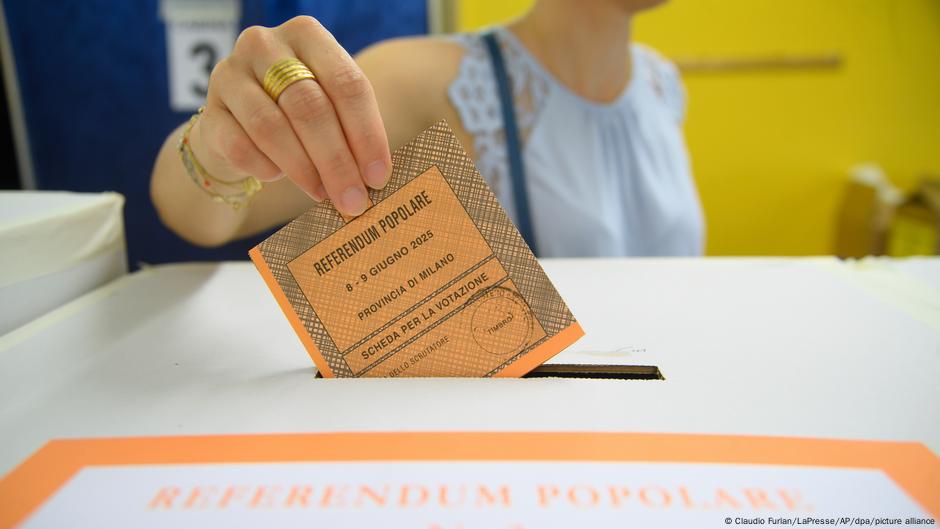
Italy is holding a two-day referendum on changing citizenship and labor laws, including reducing the residency requirement for citizenship from 10 to 5 years and enhancing worker protections. The vote, driven by grassroots campaigns, faces low turnout with political parties divided on participation; the center-left supports the reforms, while the right-wing government urges abstention, hoping the vote does not reach the 50% threshold for validity.
The National Labor Relations Board (NLRB) has filed a complaint asserting that contestants on Netflix's reality show "Love is Blind" should be classified as employees, which could significantly impact the reality TV industry. The complaint accuses the production companies, Delirium TV and Kinetic Content, of violating labor laws by misclassifying cast members as non-employees, thus denying them worker protections like the right to strike. The NLRB seeks to reclassify the participants as employees, with a hearing scheduled for April 22 if no settlement is reached.
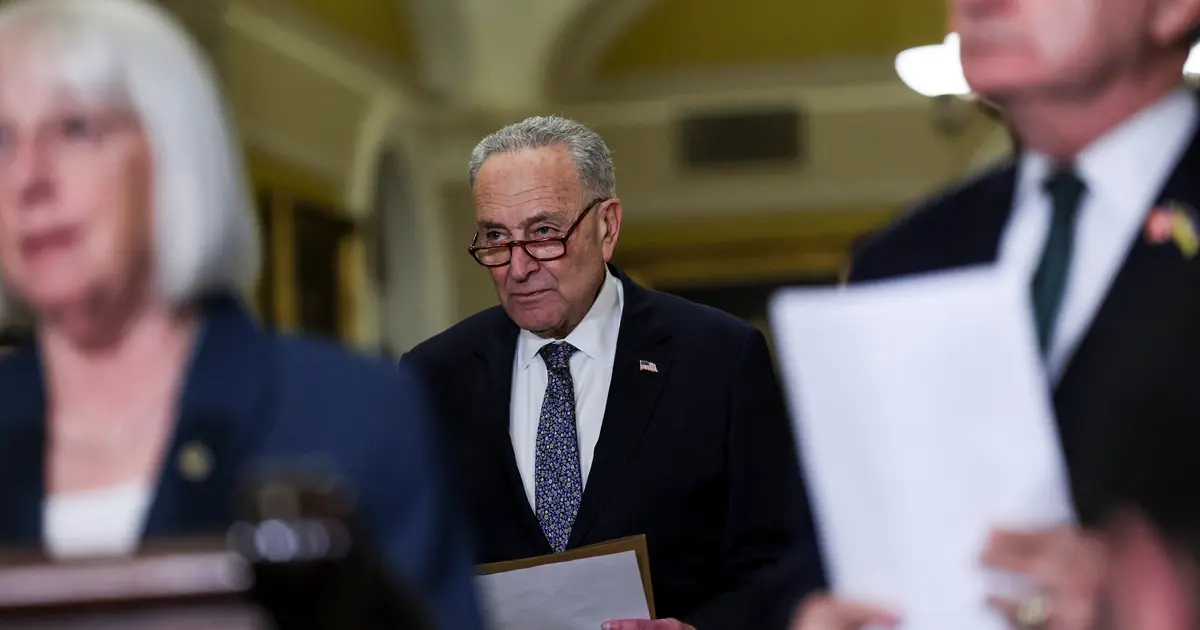
Senator Joe Manchin cast the deciding vote against Lauren McFerran's nomination to the National Labor Relations Board, citing her support for broadening joint-employer regulations as the reason. The vote was tied 49-49, with Manchin and Senator Kyrsten Sinema joining Republicans in opposition. Manchin's return to the Senate prevented Vice President Kamala Harris from breaking the tie, highlighting his influence and willingness to oppose his party's leadership on labor issues.
The U.S. government is investigating claims of child labor violations at a subsidiary of HelloFresh, a meal-kit delivery company. The investigation aims to determine whether the company has breached labor laws by employing underage workers.
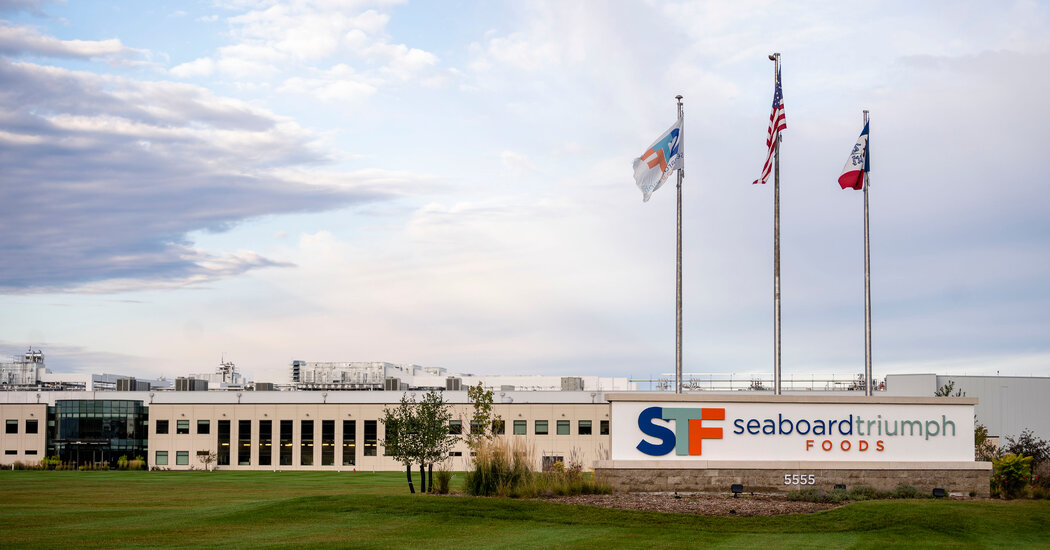
An investigation has revealed that children were employed in hazardous conditions at a slaughterhouse in Iowa, working dangerous shifts in violation of labor laws. The inquiry highlights significant breaches in child labor regulations, raising concerns about the enforcement of these laws and the safety of young workers in the industry.
Amazon and SpaceX are challenging the constitutionality of the National Labor Relations Board (NLRB) in a federal appeals court, arguing that its structure is unconstitutional. This legal battle, which could reach the US Supreme Court, stems from disputes over alleged labor law violations by both companies. A ruling in favor of Amazon and SpaceX could significantly weaken the NLRB's authority in enforcing labor laws.
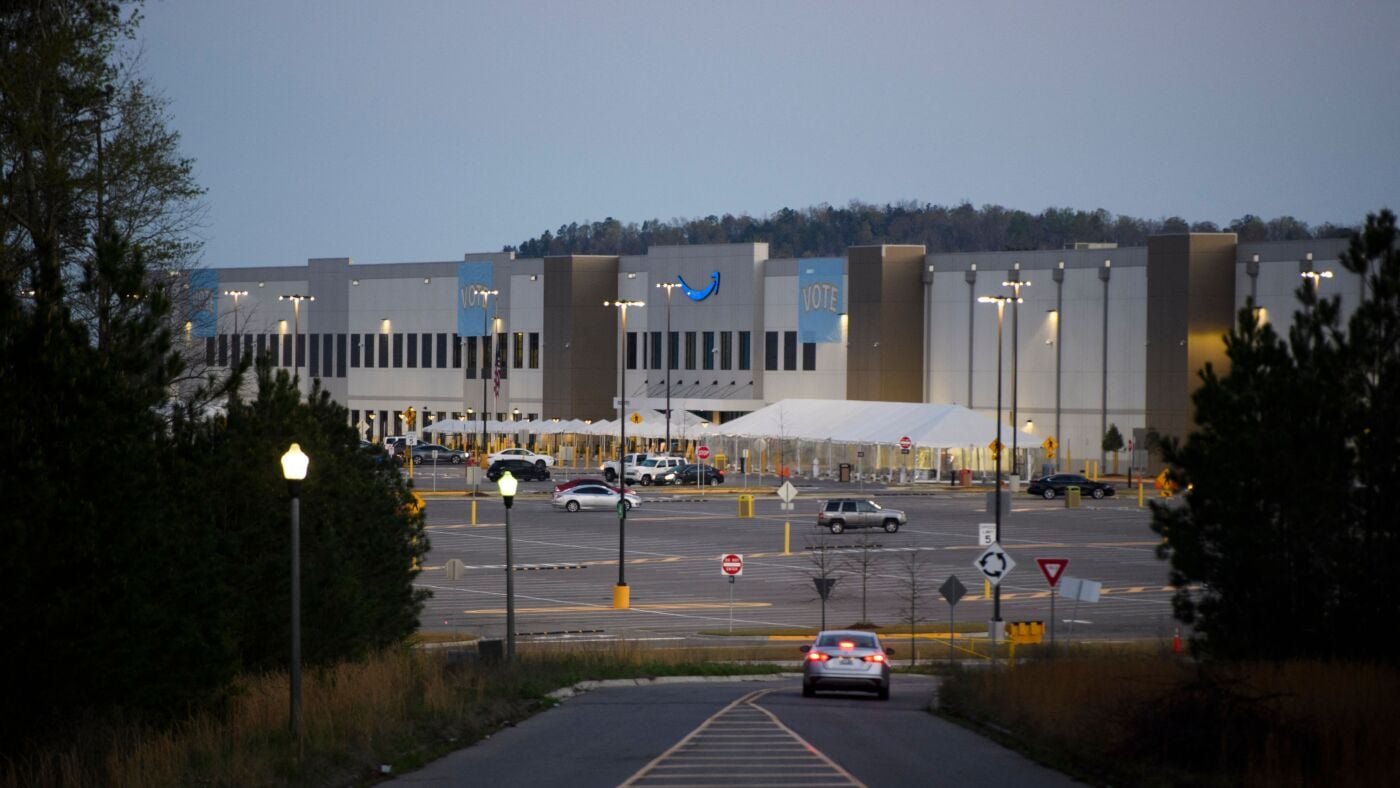
A federal labor judge has ordered a third unionization vote for Amazon warehouse workers in Bessemer, Alabama, after previous elections were marred by allegations of improper influence by Amazon. The National Labor Relations Board found that Amazon illegally confiscated union materials, among other violations. Both Amazon and the union are challenging parts of the ruling, delaying the new vote. This comes amid ongoing legal battles over unionization efforts at other Amazon facilities, including a historic union victory in Staten Island, New York.
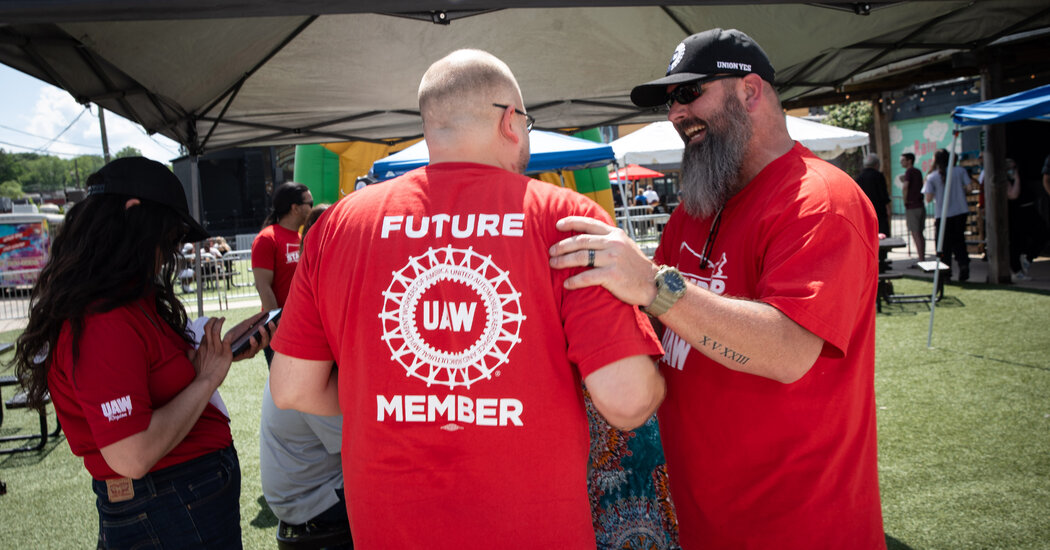
The United Automobile Workers (U.A.W.) is seeking a new election at two Mercedes-Benz factories in Alabama, alleging that the automaker violated labor laws to suppress union support. The U.A.W. claims Mercedes-Benz conducted an anti-union campaign, including firing pro-union employees and forcing workers to watch anti-union videos. Mercedes-Benz denies these allegations, stating that the majority of workers did not want union representation. The National Labor Relations Board may order a new vote if it finds that the company's actions affected the election outcome.
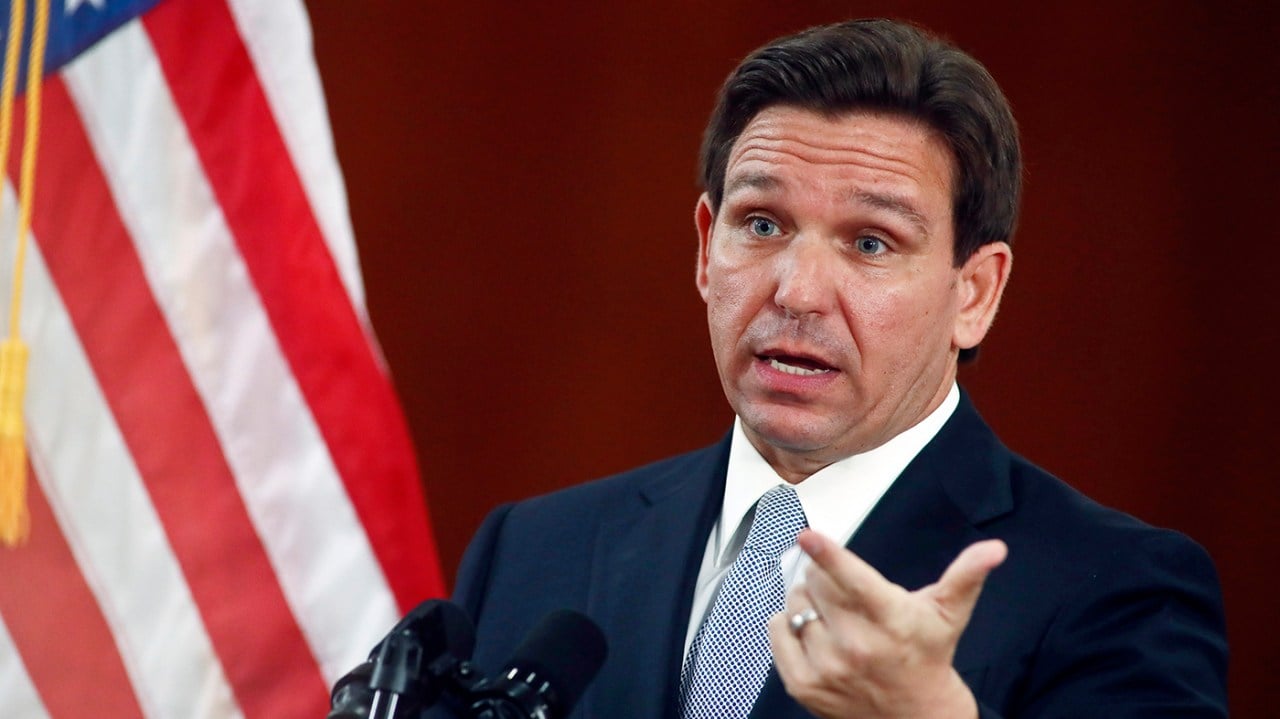
Florida Governor Ron DeSantis quietly signed a bill prohibiting local governments from mandating heat protection for outdoor workers, sparking controversy. The bill, passed by the Florida Senate, prevents local governments from imposing heat exposure requirements beyond those mandated by law. Critics argue that local governments should have the authority to establish standards based on local weather conditions, while supporters emphasize the need for employers to govern themselves and create a safe working environment. This move comes amid concerns about heat-related illnesses and deaths in industries such as construction and agriculture, and follows the hottest year on record in 2023.
A new bill in California aims to make it illegal for employers to regularly contact their employees after hours, except in emergencies or to address work schedule issues, with violators facing fines. The proposed law, which would give workers the legal "right to disconnect," seeks to address the increased pressure to be constantly available due to remote work and technology. While facing opposition from employers and business advocates, the bill aims to establish companywide policies on working hours and respect for employees' right to disconnect, with potential impact on work culture and employee well-being.
The Dartmouth men’s basketball team has voted to unionize, marking a significant move in college sports. The National Labor Relations Board supervised the election, with the players voting 13-2 to join a labor union. This decision challenges the NCAA's amateur business model and could have far-reaching implications for college athletics. The NLRB's ruling that the players are university employees, despite not receiving athletic scholarships, has sparked debate and legal challenges. The NCAA maintains that college athletes are not employees, while legal experts suggest that without federal intervention, schools may have to reconsider their treatment of athletes.