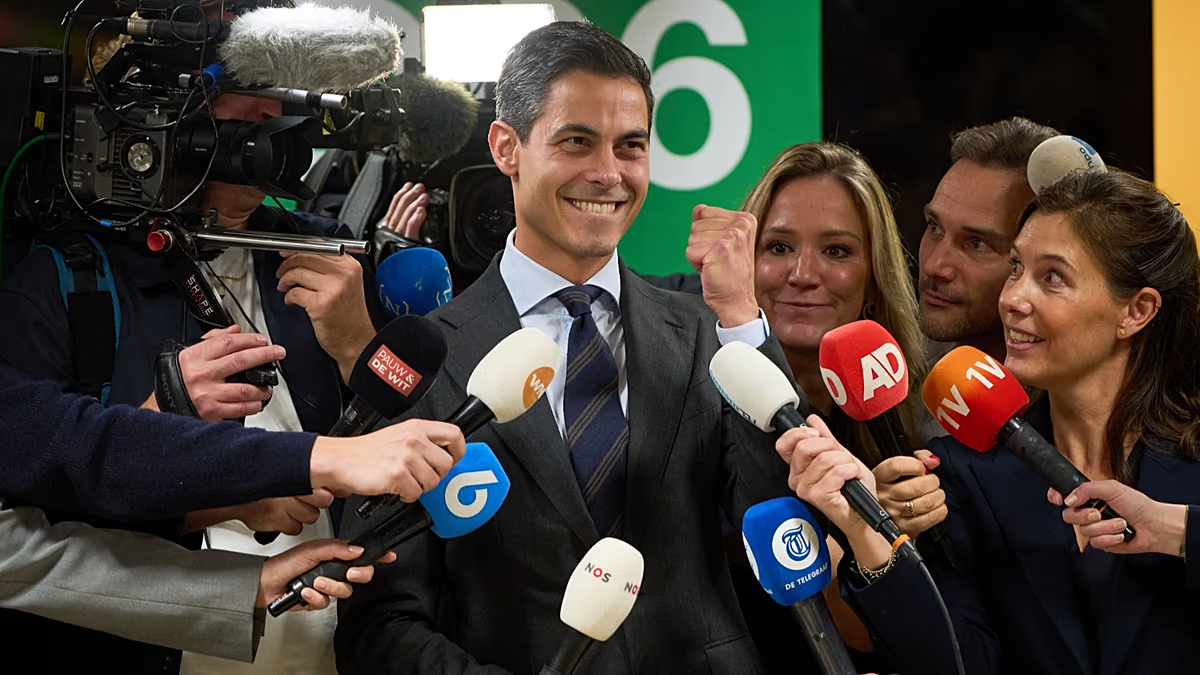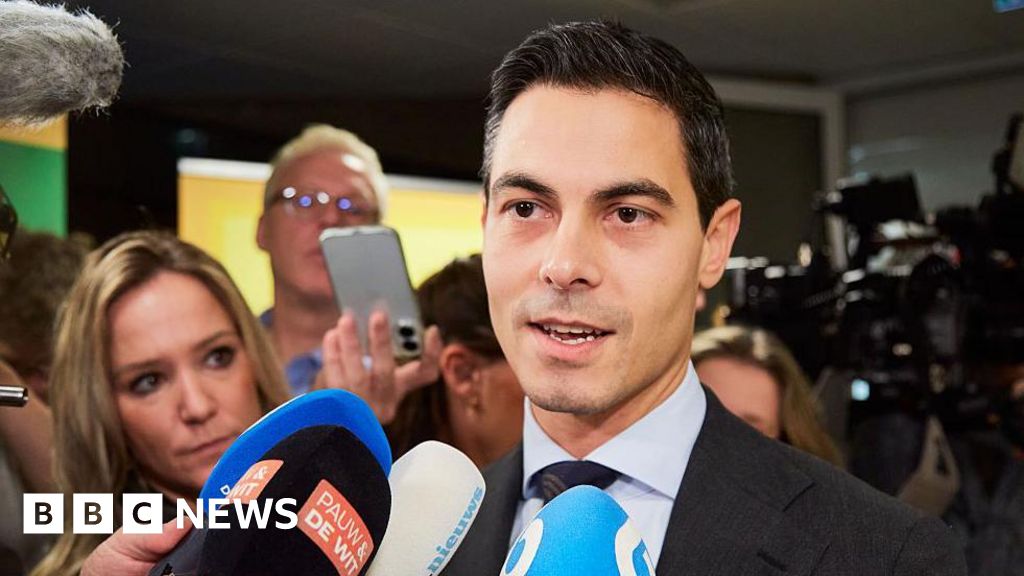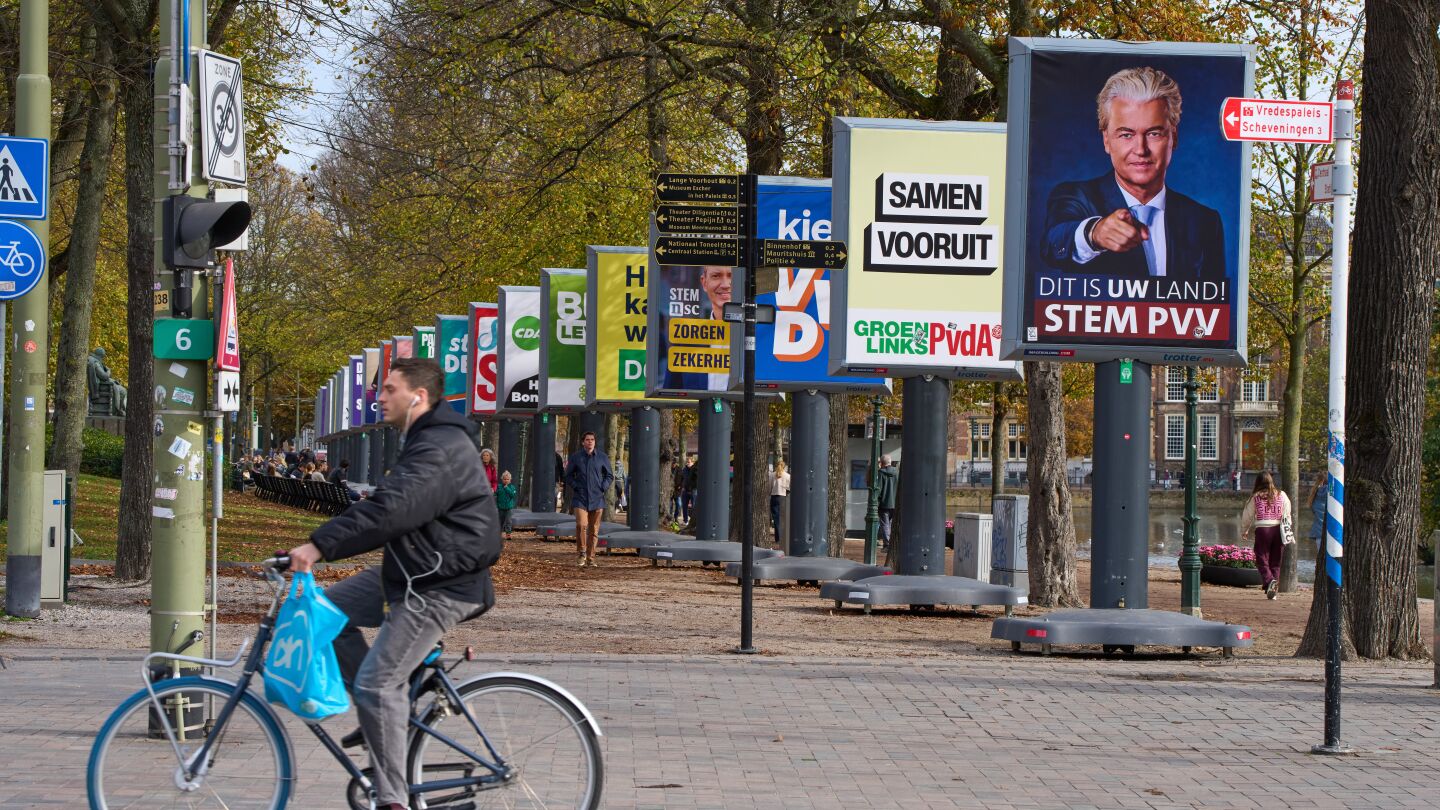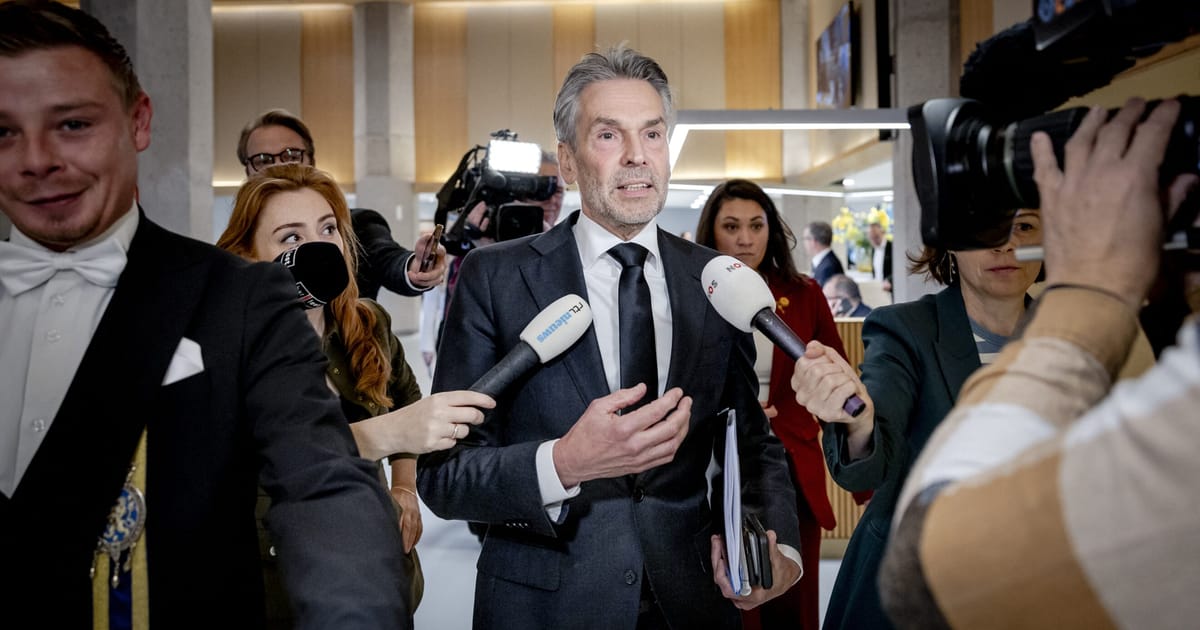
Centrist liberal D66, led by Rob Jetten, has won the Dutch general election, gaining 26-27 seats and positioning itself as the leading party to form a coalition government, while defeating far-right PVV led by Geert Wilders.
Rob Jetten's centrist liberal party narrowly won the Dutch election, surpassing populist Geert Wilders, and Jetten is poised to become the country's youngest prime minister, though forming a coalition may take months.
Dutch voters face a complex election with 27 parties competing for 150 seats, reflecting deep political fragmentation. The large ballot paper and multiple parties make voting and coalition formation challenging, with recent polls indicating a close race among various political factions, including the far-right Party for Freedom led by Geert Wilders.
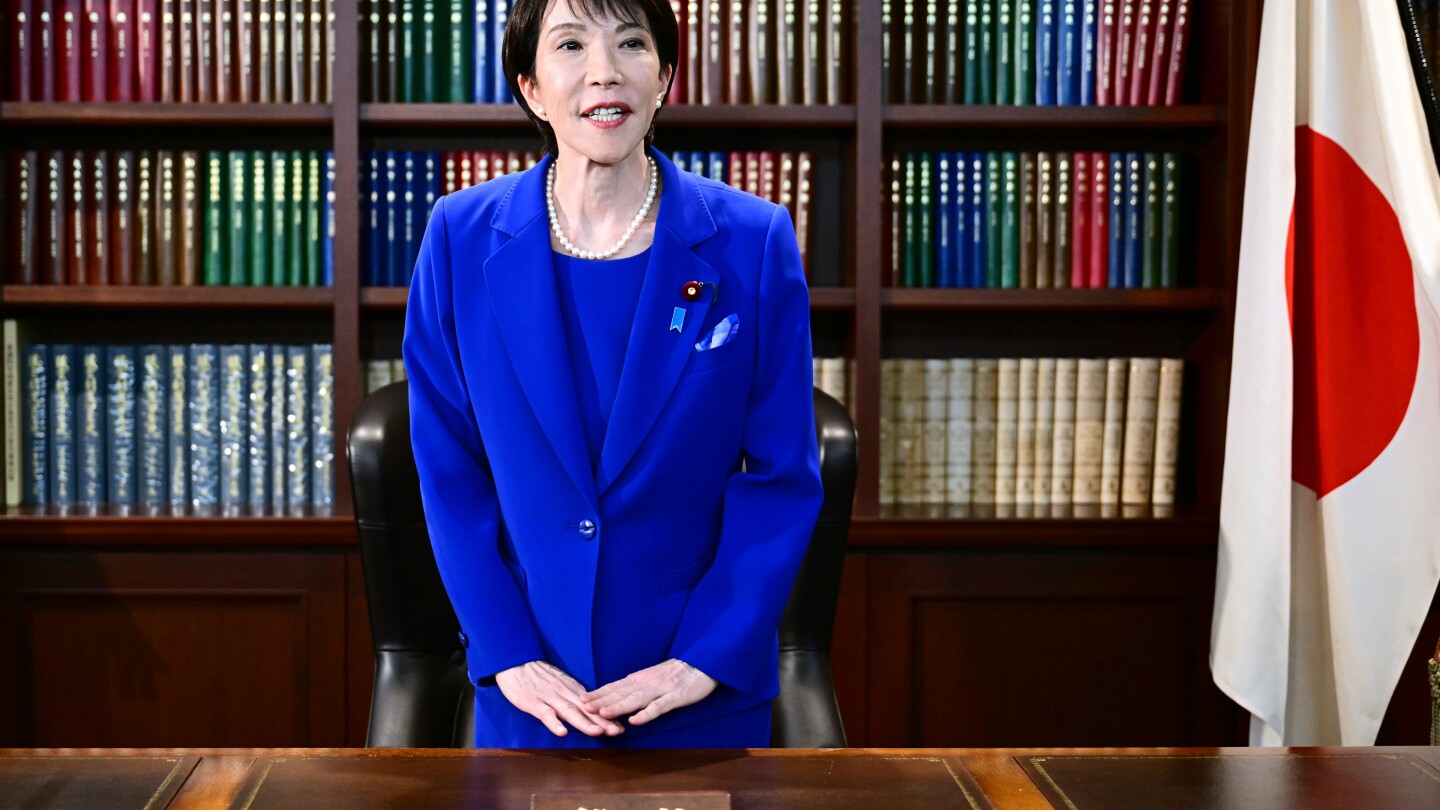
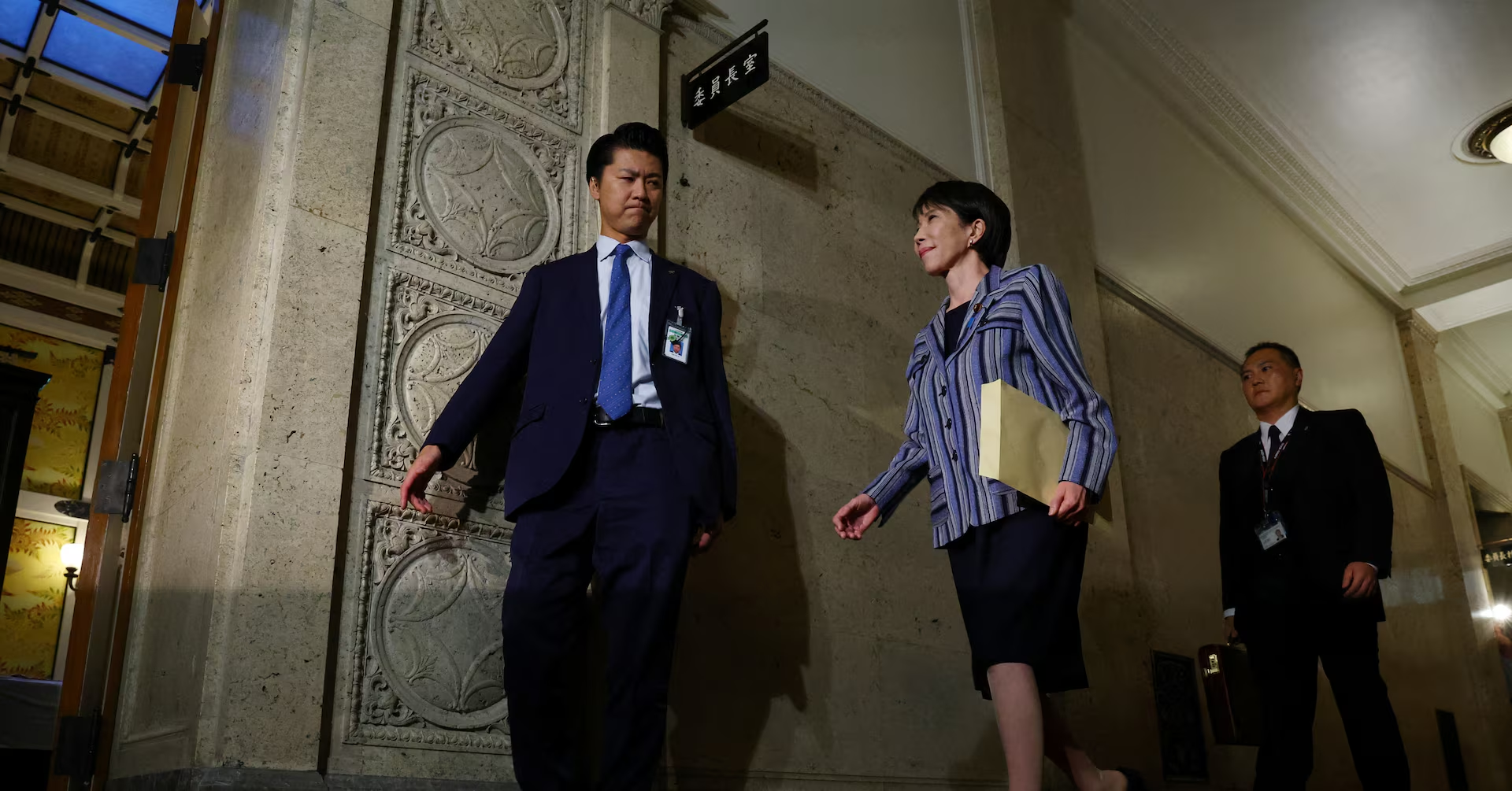
Sanae Takaichi is on track to become Japan's first female prime minister, leading a fragile coalition after the LDP's split with Komeito and forming an alliance with Japan Innovation Party. Her conservative policies and short-term focus face challenges domestically and diplomatically, with concerns about political stability and gender equality.
Japan's Liberal Democratic Party and Japan Innovation Party have agreed to form a coalition government, paving the way for the country's first female prime minister, Sanae Takaichi, with formal signing expected soon and Ishin lawmakers set to support her in parliament.
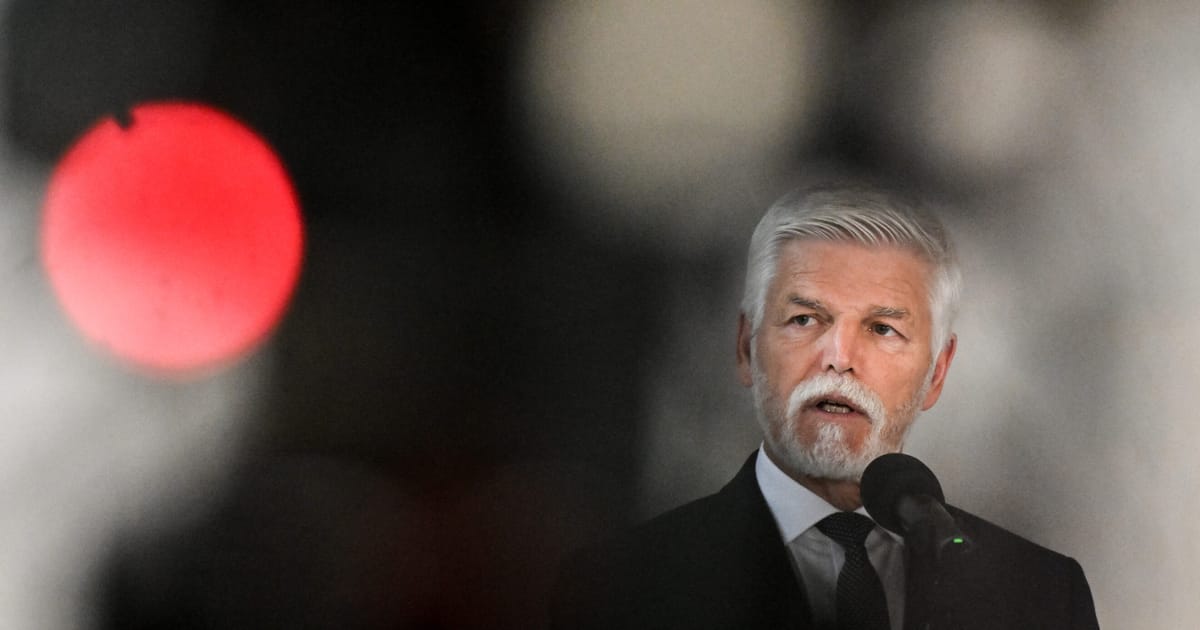
Czech President Petr Pavel indicated he is likely to appoint Andrej Babiš as prime minister after Babiš's party, ANO, won the recent elections, with potential coalition partners SPD and Motorists for Themselves, and is considering legal issues related to Babiš's business interests.
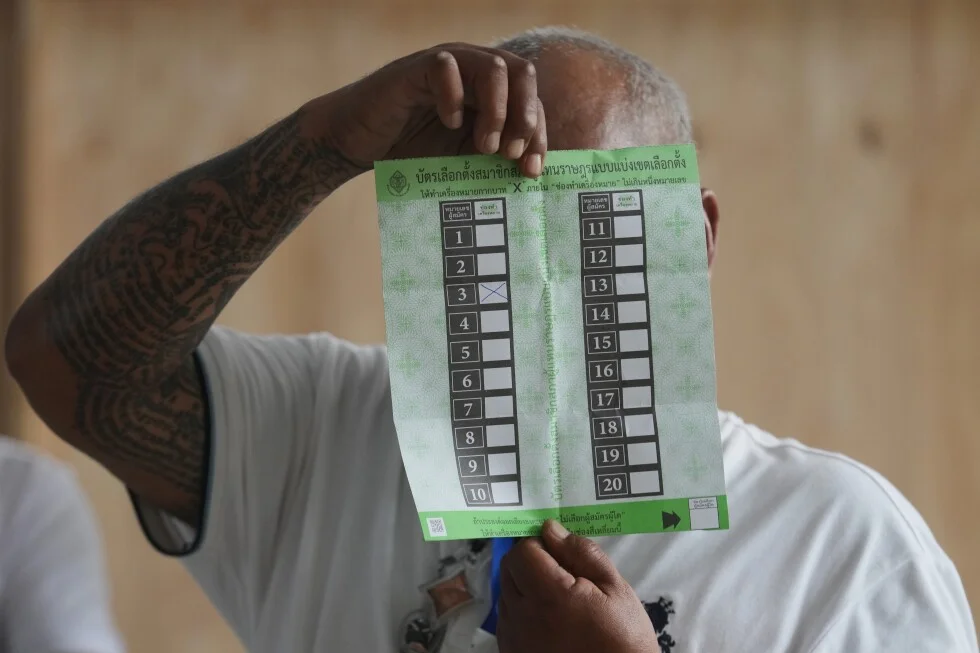
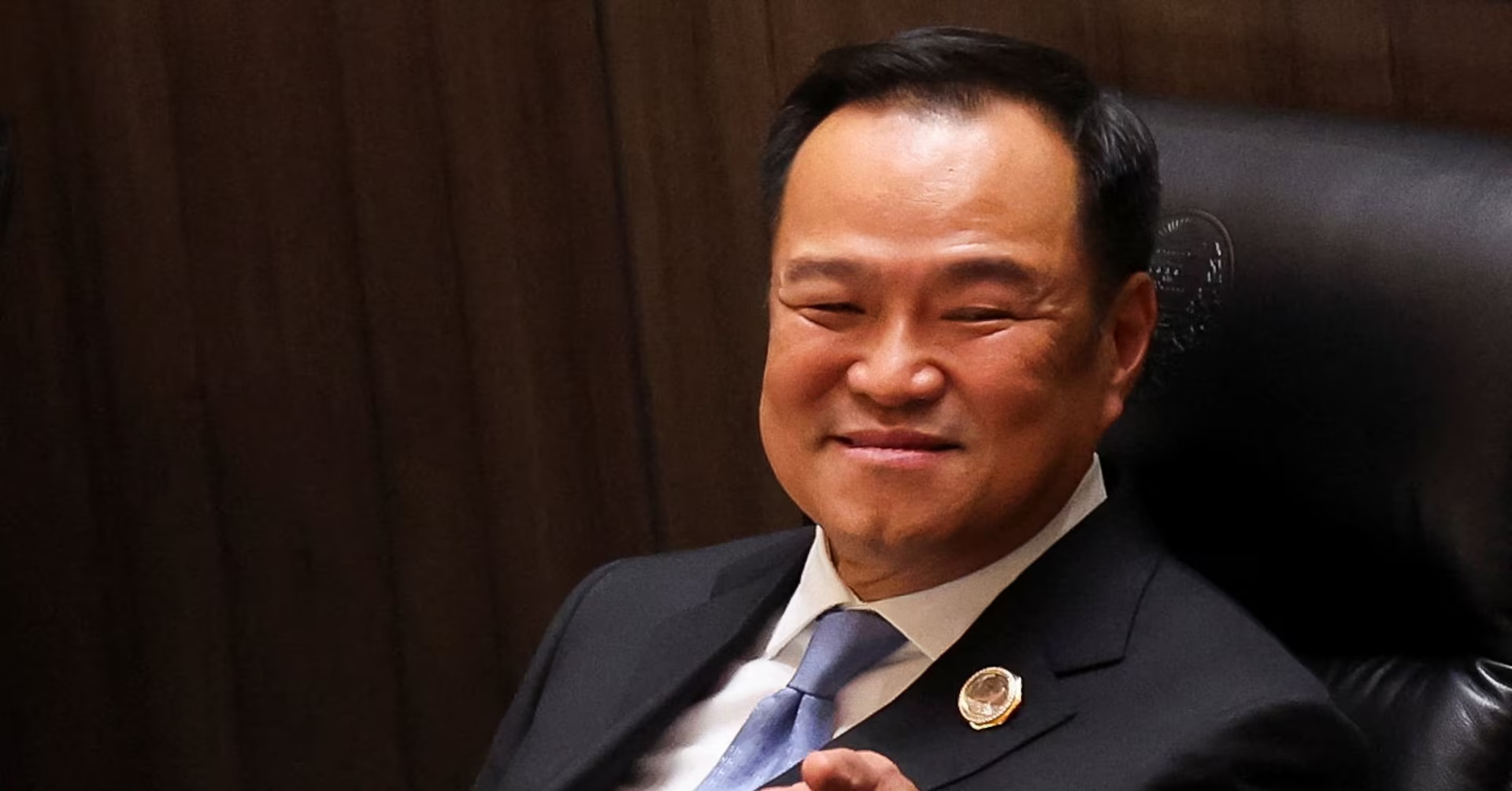
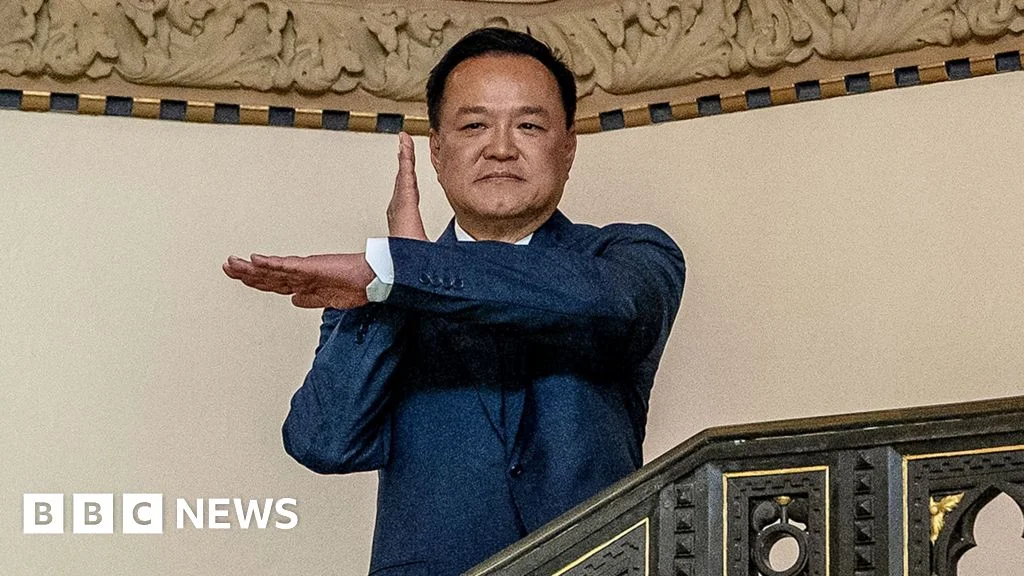
Anutin Charnvirakul was elected Prime Minister of Thailand after winning a parliamentary vote, defeating the ruling Pheu Thai party amid ongoing political chaos and the departure of Thaksin Shinawatra. His victory marks a significant shift in Thai politics, with a coalition government and promises of constitutional reform and early elections.
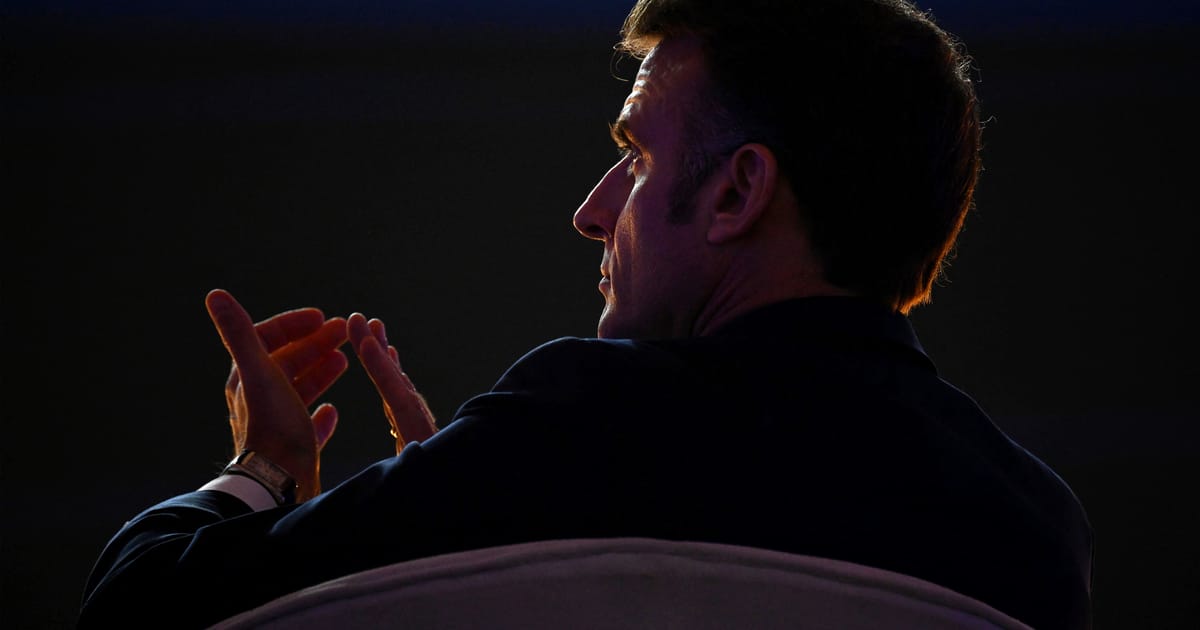
French President Emmanuel Macron is attempting to resolve France's political deadlock by persuading opposition leaders to avoid no-confidence votes and support a new government. Following the collapse of the previous administration, Macron plans to appoint a new prime minister but faces resistance from various political factions, including the center-left and conservatives, who are skeptical of his calls for compromise. The absence of hard-left and far-right parties from negotiations further complicates efforts to form a stable coalition, as Macron seeks to maintain control and push forward his policy agenda.
The Dutch coalition government has managed to maintain its stability despite recent turmoil instigated by the controversial far-right politician Geert Wilders. Wilders, known for his provocative rhetoric, has been a significant source of political tension, but the coalition has so far withstood the challenges posed by his influence.
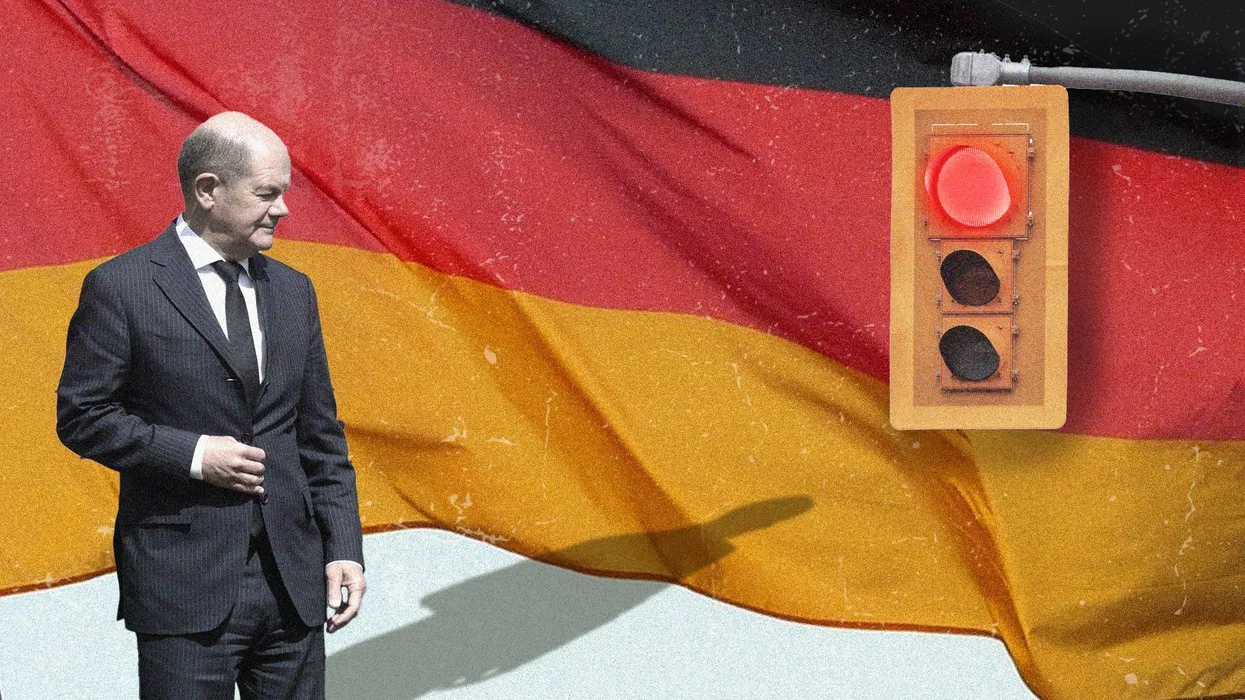
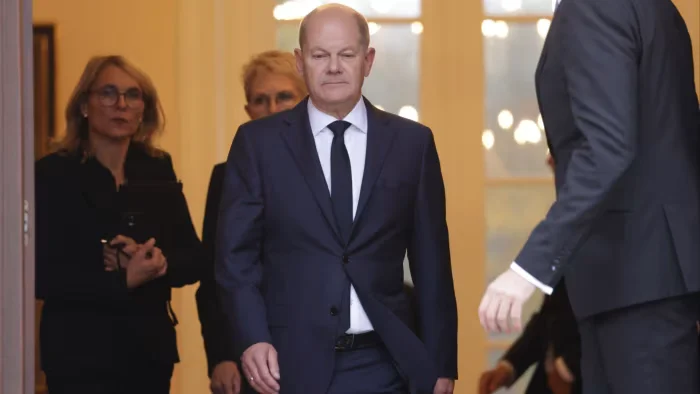
Germany's ruling coalition led by Chancellor Olaf Scholz has collapsed, prompting early elections on February 23, 2024. The coalition, comprising the Social Democrats, Greens, and Free Democrats, fell apart over disagreements on budgetary policy, particularly the suspension of the constitutional debt limit. With the opposition CDU/CSU leading in polls, Germany faces a period of political uncertainty and economic challenges, including high energy costs and low productivity. The next government will need to address these issues while navigating geopolitical tensions with Russia and China.
Despite the collapse of his coalition government and low approval ratings, German Chancellor Olaf Scholz has gained unexpected support within his Social Democratic Party (SPD) as they prepare for a snap election. Scholz's decision to end the coalition and dismiss Finance Minister Christian Lindner has been seen as a strong leadership move by SPD members, despite external criticism and calls for Defense Minister Boris Pistorius to replace him as the party's candidate. Scholz remains the SPD's choice for chancellor, leveraging his current position and the urgency of upcoming elections.
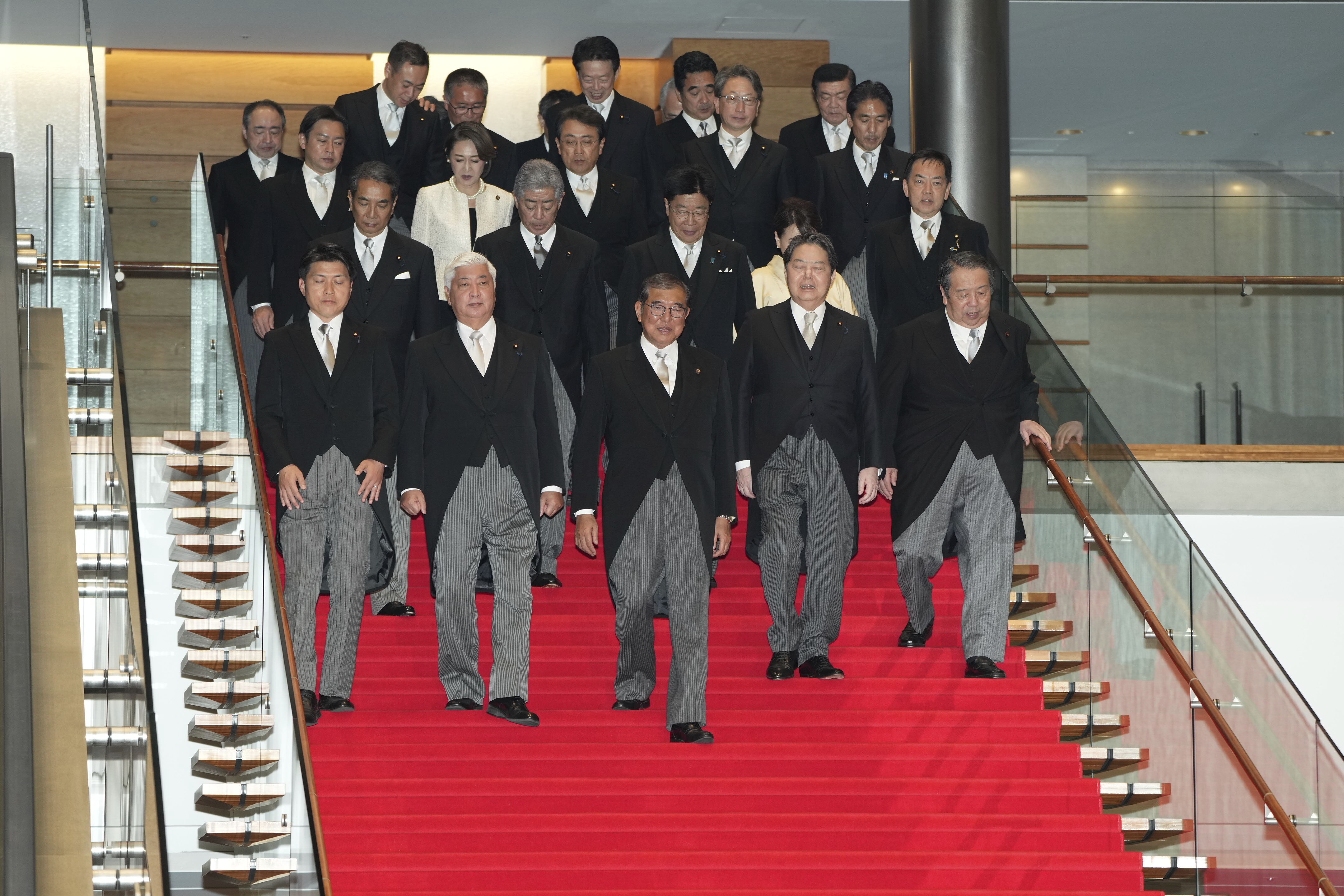
Japanese Prime Minister Shigeru Ishiba has vowed to implement stricter reforms against political fund misuse after his coalition suffered significant losses in the recent elections. Despite losing a majority in the Lower House, Ishiba was re-elected by parliament and plans to strengthen Japan's defense and international partnerships. He aims to work more closely with opposition parties and smaller conservative groups to stabilize his government and pursue policy goals, while addressing public discontent over financial misconduct within his party.
German Chancellor Olaf Scholz has indicated he may advance the timing of a confidence vote in his government, potentially leading to earlier elections. This follows the collapse of his three-party coalition after he dismissed finance minister Christian Lindner of the Free Democrats (FDP). Scholz now leads a minority government with the Social Democrats and Greens. Meanwhile, Robert Habeck, the deputy chancellor, announced his candidacy for chancellor, though the Greens' low polling numbers make his chances slim.
Germany's three-party coalition government has collapsed due to disagreements on how to address the country's struggling economy. The coalition partners were divided over whether to implement austerity measures or increase spending to stimulate growth, leading to the dissolution of the government.
German Chancellor Olaf Scholz has rejected calls for a no-confidence vote after dismissing Finance Minister Christian Lindner, signaling the collapse of his coalition government. Scholz plans to lead a minority government until early next year, despite demands from opposition leader Friedrich Merz for immediate elections. The conflict arose over economic policy disagreements, particularly Lindner's proposal for tax cuts for top earners and pension cuts for retirees. A confidence vote is expected in January, potentially leading to early elections by March.