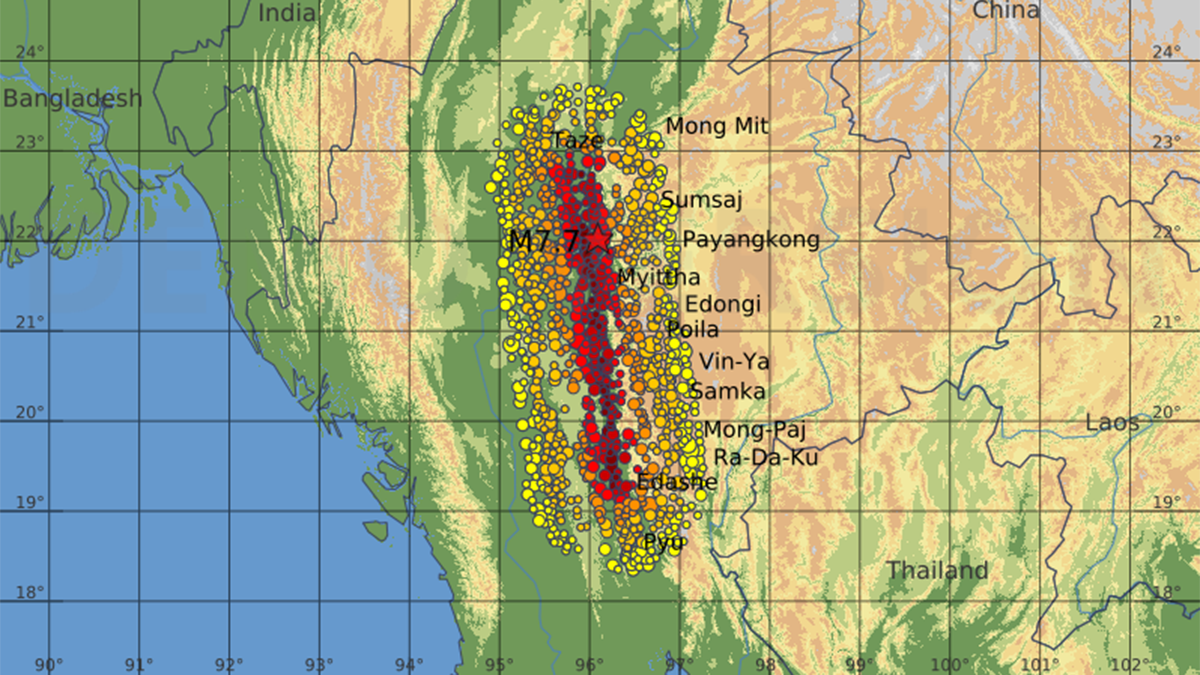
A video of the Myanmar earthquake revealed real-time, pulse-like rupture propagation and curved fault slip, providing new insights into earthquake dynamics and potential for improved seismic hazard prediction.
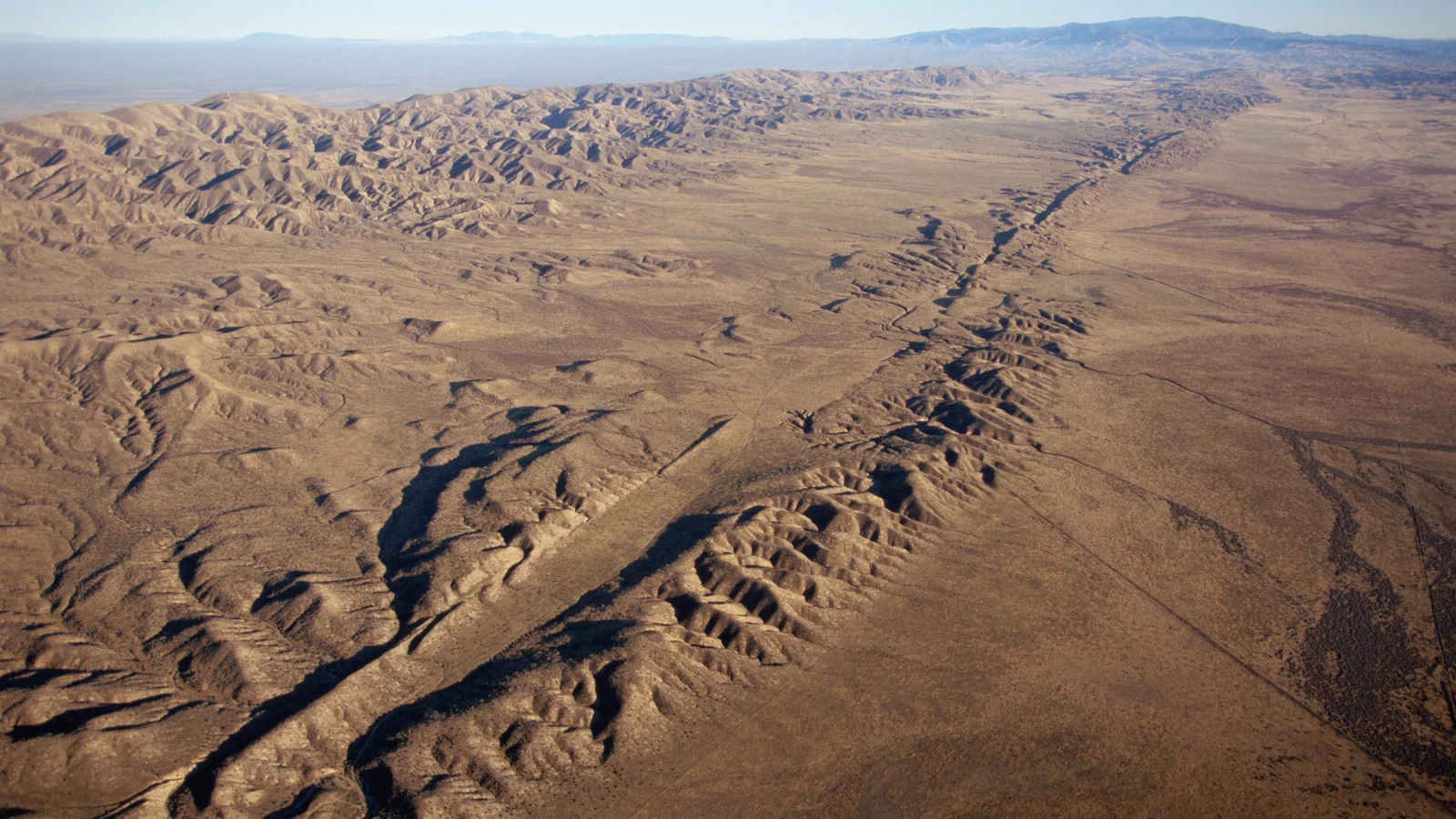
A new study suggests that the San Andreas Fault could produce a larger and more unpredictable earthquake than previously thought, based on insights from Myanmar's recent devastating earthquake, which revealed that faults can rupture over larger areas than expected, challenging existing seismic models.
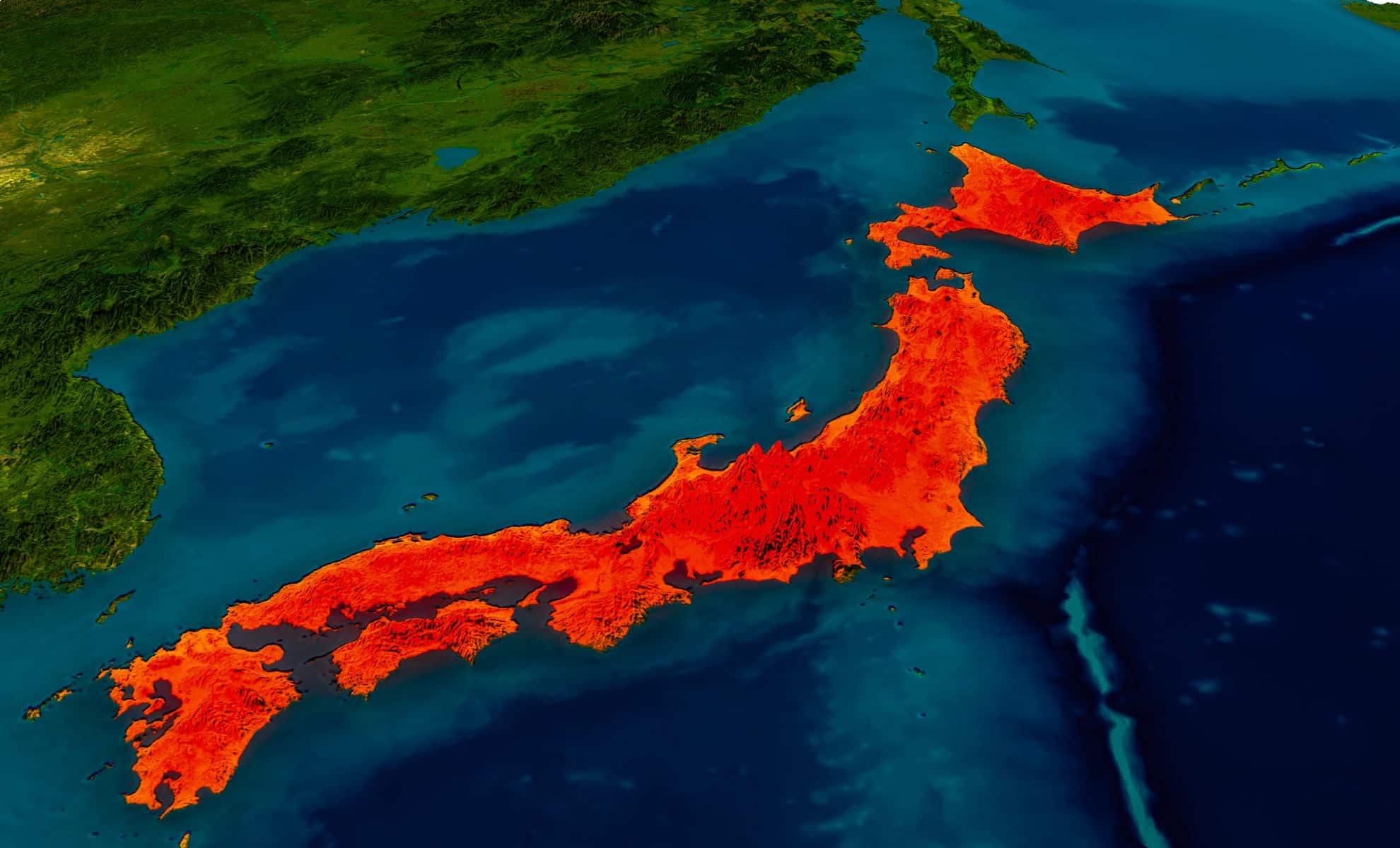
Scientists have discovered rare slow-slip earthquakes beneath Japan's Nankai Trough using advanced borehole observatories, revealing insights into fault behavior and fluid pressure's role in earthquake dynamics, which could improve tsunami prediction and early warning systems.
Scientists from the University of Texas captured a rare slow-motion earthquake along Japan's Nankai Fault using advanced borehole sensors, revealing that parts of the fault act like shock absorbers and that fluids play a key role in these events. This discovery enhances understanding of tectonic processes, potentially improving earthquake prediction and safety measures.