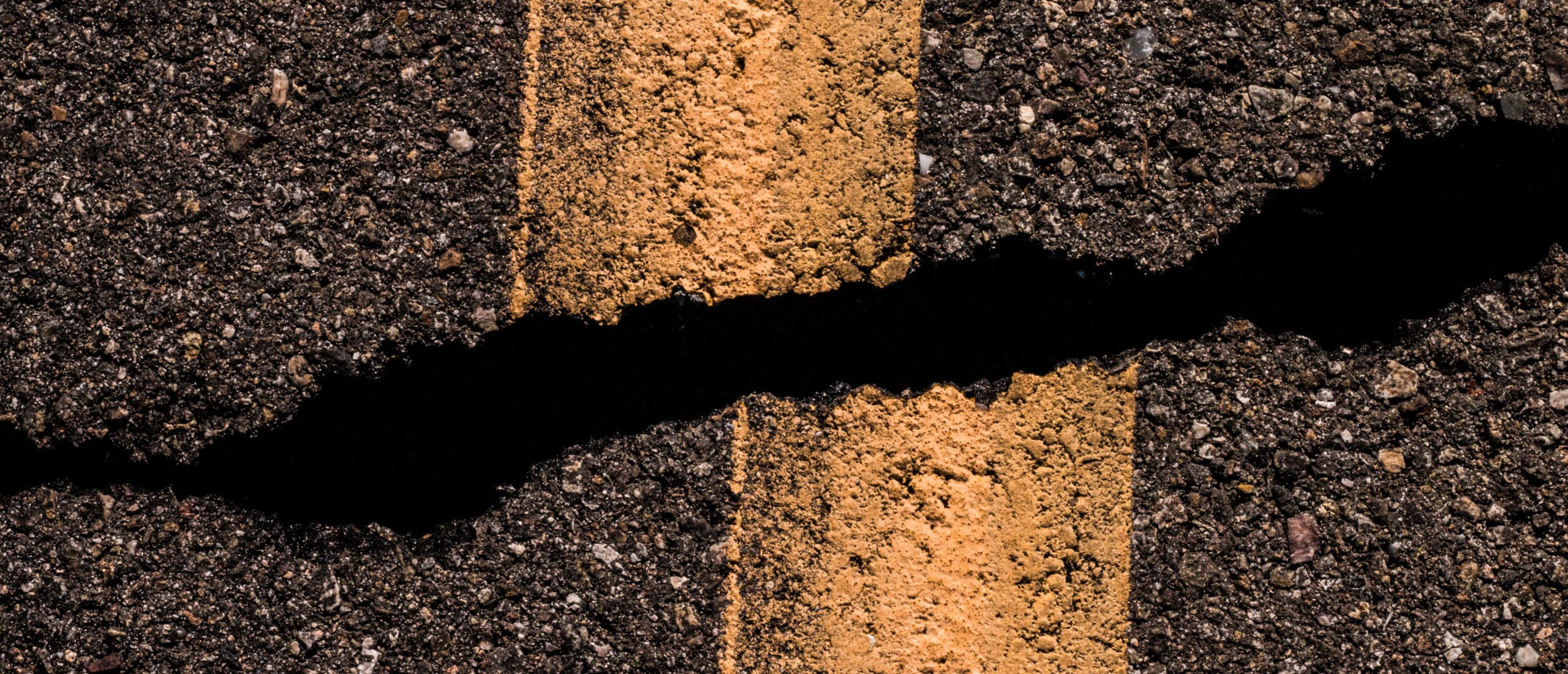
A study suggests that a section of the San Andreas fault in California, known as Parkfield, may be exhibiting unusual behavior, indicating a potential for a significant earthquake. The lead author of the study, Luca Malagnini, acknowledges the difficulty in predicting earthquakes but expresses hope for identifying early signs. While the possibility of scientifically predicting earthquakes remains uncertain, ongoing research aims to improve understanding and potentially mitigate future earthquake-related disasters.
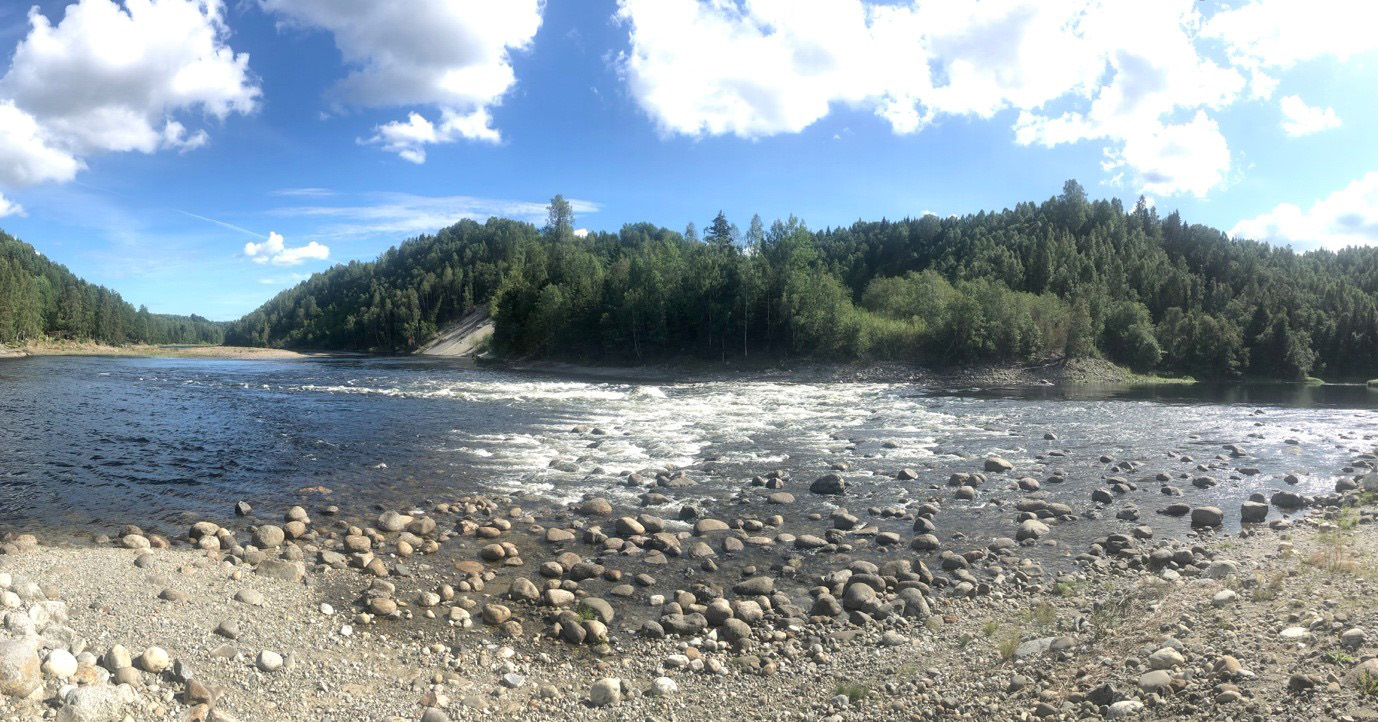
Researchers have discovered evidence of an ancient segment of Earth's crust, dating back 3.75 billion years, hidden in the mineral zircon found in a Finnish outcrop. This discovery suggests that the foundation of Denmark and Scandinavia originated from Greenland and sheds light on the unique presence of life on Earth compared to other planets. The study also challenges previous assumptions about the formation of continents and adds to the understanding of how continents evolved, providing important clues in the mystery of continental formation across the Earth.
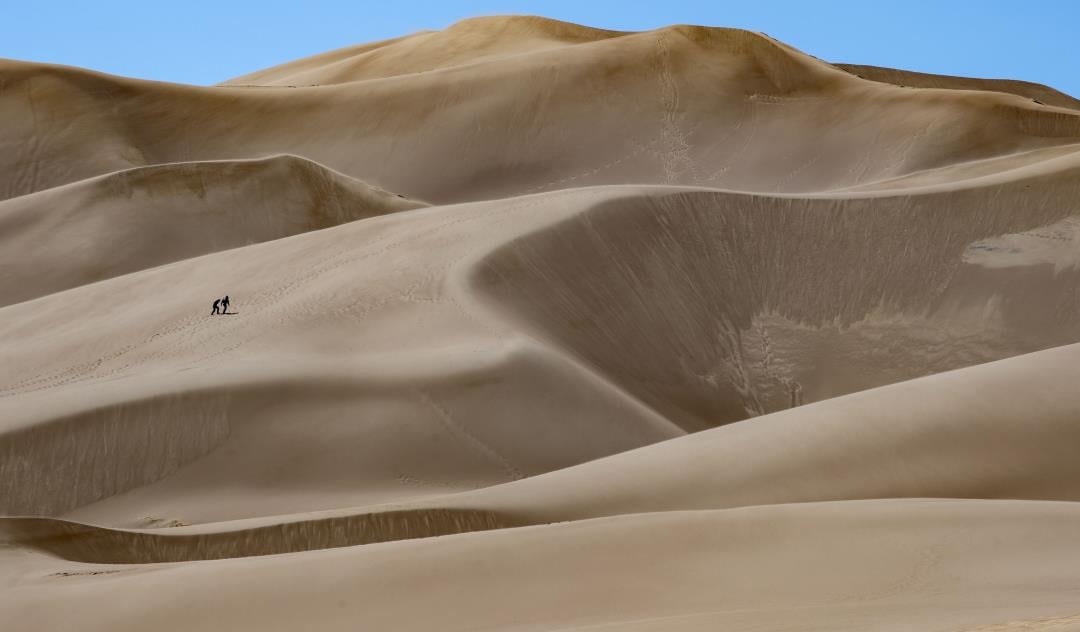
A new study using ground-penetrating radar has revealed that the massive "star dunes" in Morocco are much younger than previously thought, with their formation occurring over the last 1,000 years. Surprisingly, these dunes are also on the move, being pushed westward by steady winds at a rate of about a foot and a half per year, highlighting the potential impact on infrastructure in the area.
A recent geological study has found that New York City is sinking under the weight of its skyscrapers. CNN's Bill Weir reports on the study's findings.
A new geological study has found that New York City is sinking, with some areas sinking by one to two millimeters a year due to the weight of skyscrapers. The study warns that the more the city sinks, the more vulnerable it becomes to natural disasters, particularly floods. Lower Manhattan is at the greatest risk, with concerns for Brooklyn and Queens as well. The study calls for mitigation strategies to be included in future construction plans to reduce flood risk.
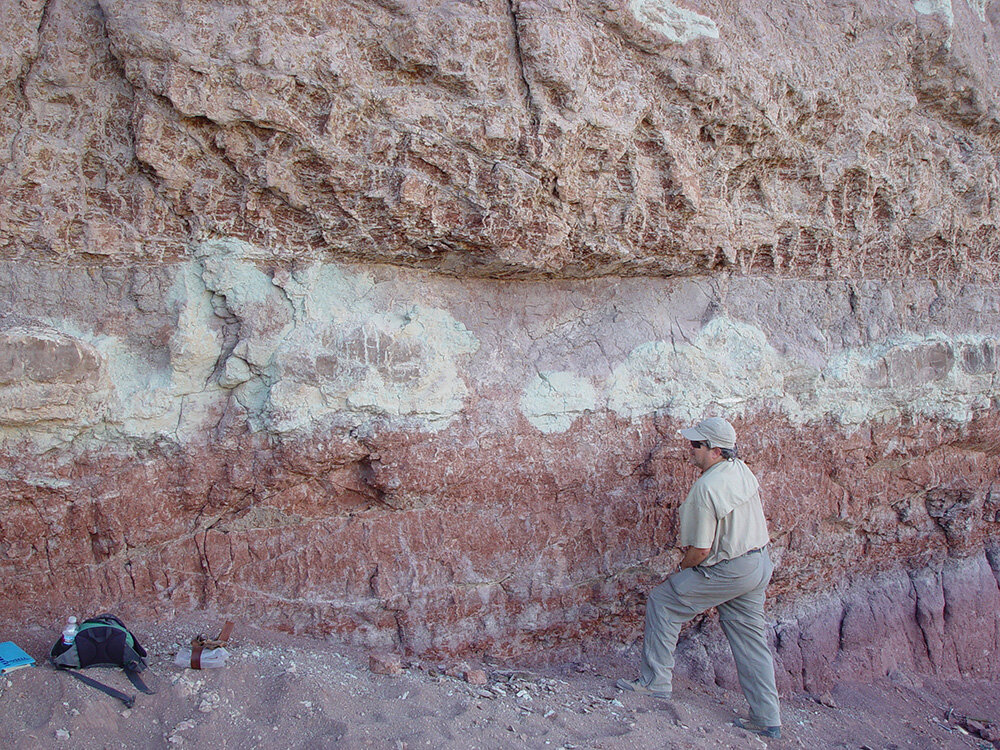
A geological study of the rock formation that encased a fossilized example of the world's biggest "raptor" dinosaur, Utahraptor, shows it's 10 million years older than previously understood, indicating that the rocks at the Stikes Quarry are at least 135 million years old. The revised age has important implications for the evolutionary history of dinosaurs and narrows the gap in the rock record at the boundary between the Jurassic and Cretaceous Periods in Utah. The study also revealed that the rock strata from the Stikes Dinosaur Quarry were deposited during a global change episode known as the Weissert Event.