Tag

Dna Study

All articles tagged with #dna study

New DNA Study Unveils Papua New Guineans' Unique Origins

Originally Published 4 months ago — by ScienceDaily

Featured image for New DNA Study Unveils Papua New Guineans' Unique Origins
Source: ScienceDaily

A new DNA study using AI tools reveals that Papua New Guineans are closely related to other Asian populations, sharing a common 'Out of Africa' ancestry, but their unique physical features and demographic history suggest a complex evolutionary past with significant Denisovan DNA influence. The exact origins remain unresolved, with possibilities including early migration and distinct demographic events.


"Uncovering the Ancestral Roots of Modern Japanese People Through DNA Study"

Originally Published 1 year ago — by IFLScience

Featured image for "Uncovering the Ancestral Roots of Modern Japanese People Through DNA Study"
Source: IFLScience

A DNA study of 3,200 modern Japanese people suggests that they may have a third, previously unknown ancestral group, in addition to the Jomon and Yayoi people. This group likely arrived during the transition from the Yayoi to Kofun period and is thought to have originated from Northeast Asia. The study found that modern Japanese people have genetic contributions from Jomon, Yayoi, and this third unknown ancestral group, with the highest Jomon ancestry found in Okinawa. Further research is needed to confirm the connection to Northeast Asia and the specific origins of this third ancestral group.

"DNA Study Reveals 3 Ancestral Groups Shaping Modern Japanese Population"

Originally Published 1 year ago — by Livescience.com

Featured image for "DNA Study Reveals 3 Ancestral Groups Shaping Modern Japanese Population"
Source: Livescience.com

A new study suggests that modern Japanese people descend from three ancestral groups, including Neolithic Jomon hunter-gatherers, ancient predecessors of the Han Chinese, and an unidentified group with ties to Northeast Asia. The research also reveals genetic ties with Neanderthals and Denisovans, with inherited DNA linked to complex traits and diseases. The findings, published in Science Advances, provide valuable insights into the genetic and medical characteristics of the Japanese population and could contribute to the development of personalized medicine.

"DNA Analysis Traces Blackfoot Confederacy Lineage to Last Ice Age"

Originally Published 1 year ago — by Livescience.com

Featured image for "DNA Analysis Traces Blackfoot Confederacy Lineage to Last Ice Age"
Source: Livescience.com

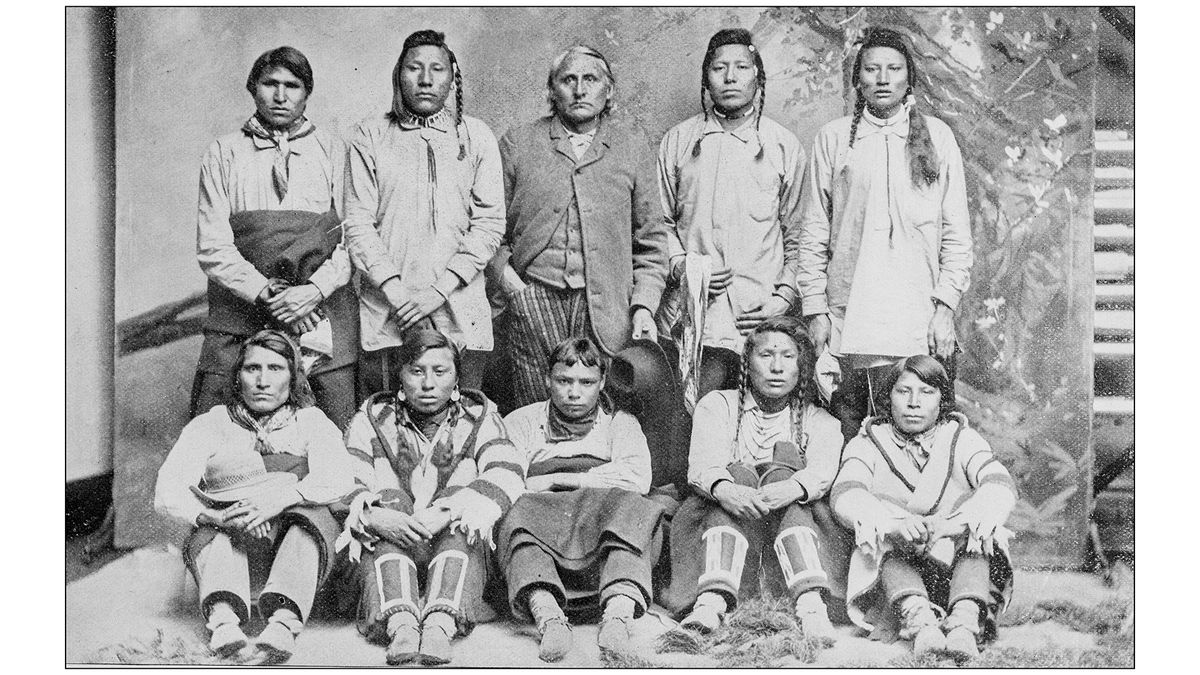
A new DNA study reveals that the Blackfoot Confederacy, comprising four related tribes, has an ancient genetic lineage dating back 18,000 years to the last ice age. The research, led by members of the Blackfoot Confederacy, investigated the genetic history of their tribes and found that present-day members share a large fraction of their genome with historical ancestors. This study, conducted through the Blackfoot Early Origins Program, is important for its collaborative and Indigenous-led approach, providing valuable insights into the ancient Indigenous lineage of the Blackfoot Confederacy.

"Unlocking Beethoven's Musical Genius Through a Lock of His Hair"

Originally Published 1 year ago — by AOL

Featured image for "Unlocking Beethoven's Musical Genius Through a Lock of His Hair"
Source: AOL

A recent DNA study of Beethoven's hair suggests that his musical genius may have been more rooted in creativity than in innate musical ability. The study found that Beethoven's genetic predisposition for musicality was unremarkable compared to the general population, leading researchers to emphasize the challenges of making genetic predictions for an individual who lived over 200 years ago. While DNA can contribute to musical skills, relying on it to predict behavior remains imprecise. The study also shed light on Beethoven's health issues, including progressive hearing loss, chronic gastrointestinal complaints, severe liver disease, and evidence of a Hepatitis B infection before his death.

"Uncovering Ancient Malaria Resistance in Eastern Arabian DNA"

Originally Published 1 year ago — by Phys.org

Featured image for "Uncovering Ancient Malaria Resistance in Eastern Arabian DNA"
Source: Phys.org

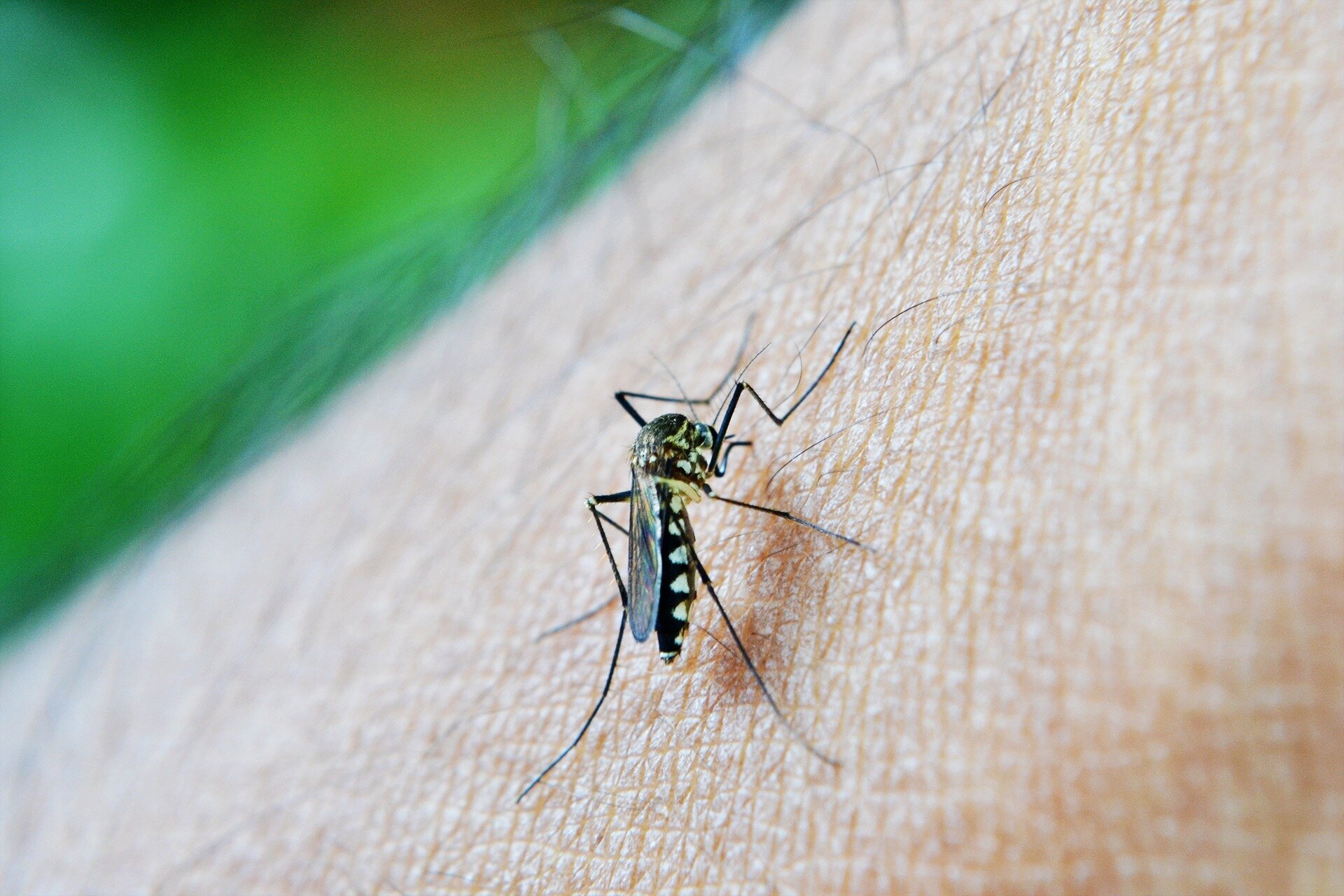
A new DNA study of ancient Eastern Arabians, specifically individuals from Tylos-period Bahrain, has revealed the presence of the malaria-protective G6PD Mediterranean mutation in their genetic makeup, suggesting an adaptation to malaria following the onset of agriculture in the region around five thousand years ago. The study, which provides unprecedented insights into human history and disease progression in the region, also sheds light on the genetic ancestry of the pre-Islamic inhabitants of Bahrain and their interactions with neighboring regions.

"Dinosaur-Killing Asteroid: Catalyst for Bird Evolution?"

Originally Published 1 year ago — by The New York Times

Featured image for "Dinosaur-Killing Asteroid: Catalyst for Bird Evolution?"
Source: The New York Times

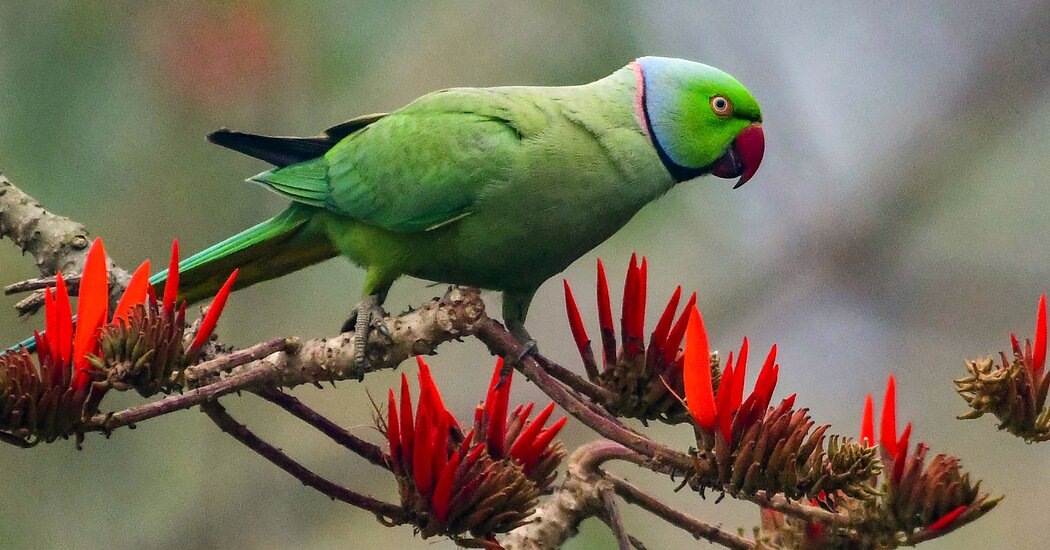
A new genetic study challenges the long-held belief that the asteroid impact that wiped out dinosaurs led to a surge in bird evolution. The study found that birds began diversifying tens of millions of years before the asteroid collision, suggesting that it had no major effect on bird evolution. This challenges the idea that the mass extinction of other animals may have eliminated competition for birds, allowing them to evolve into the diverse species seen today.

"Antarctic Octopus Unveils Genomic Evidence of Prehistoric Ice Loss and Rising Sea Levels"

Originally Published 2 years ago — by The New York Times

Featured image for "Antarctic Octopus Unveils Genomic Evidence of Prehistoric Ice Loss and Rising Sea Levels"
Source: The New York Times

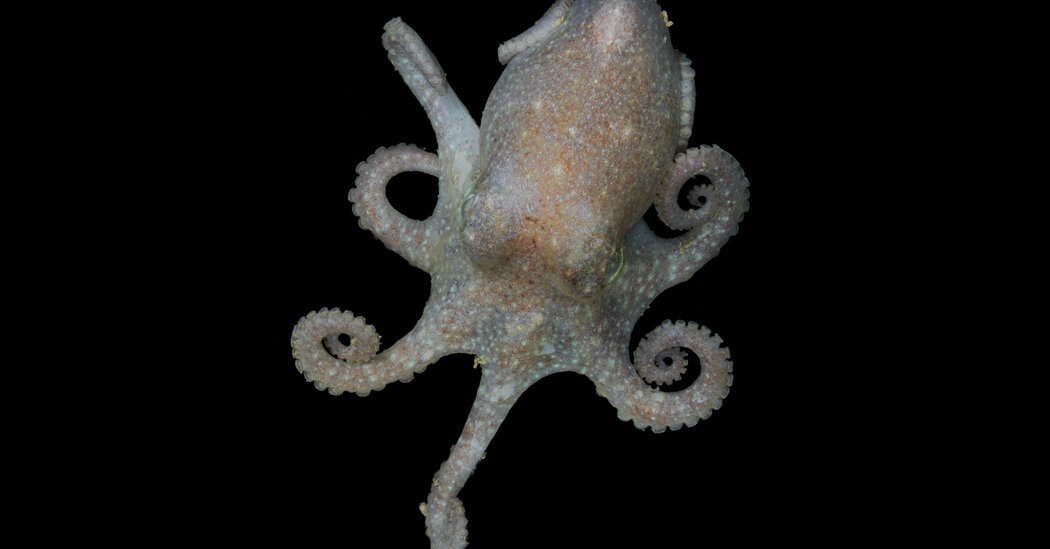
A DNA study of Turquet's octopus, a small species that lives in the Southern Ocean, suggests that the West Antarctic Ice Sheet is at risk of collapsing due to global warming. The study indicates that a temperature increase of 1.5 degrees Celsius above preindustrial levels could be a tipping point for the ice sheet. Genetic analysis of octopuses from different locations around Antarctica revealed that populations that are currently separated by the ice sheet were mingling and swapping DNA about 120,000 years ago during a period of similar temperatures. If the West Antarctic ice sheet melts entirely, global sea levels could rise by up to 16 feet. The study highlights the urgency of taking action to mitigate climate change and prevent further ice sheet melting.

"Unveiling the Evolutionary Journey of Early Europeans: Cultural and Genetic Insights"

Originally Published 2 years ago — by Phys.org

Featured image for "Unveiling the Evolutionary Journey of Early Europeans: Cultural and Genetic Insights"
Source: Phys.org

A new DNA study conducted by researchers at Uppsala University has provided insights into the intermingling and isolation of different groups during the European Stone Age. The study analyzed genetic data from 56 individuals from Central and Eastern Europe, revealing that the intermingling of hunter-gatherer genetic lines was strongly influenced by geography. The spread of agriculture from Anatolia also played a significant role in shaping genetic and cultural differences across Europe. The study highlights the importance of power relations and social factors in burial practices during the Stone Age, and contributes to a more comprehensive understanding of the genetic history of early Europeans.

Prehistoric Chinese migration to the Americas confirmed by DNA study.

Originally Published 2 years ago — by Yahoo! Voices

Featured image for Prehistoric Chinese migration to the Americas confirmed by DNA study.
Source: Yahoo! Voices

A genetics study from Kunming Institute of Zoology has found evidence of human migrations from China to the Americas and Japan during the Ice Age, challenging the previously held belief that ancient Siberians were the sole ancestors of Native Americans. The study involved examining 100,000 modern and 15,000 ancient DNA samples from across Eurasia over the course of 10 years. The findings indicated two distinct migration events, with seafaring travelers reaching the Americas and traveling along the Pacific coast by boat during both migrations.

Unlocking the Secrets to Living Beyond 100: Insights from DNA Studies and Centenarians

Originally Published 2 years ago — by New York Post

Featured image for Unlocking the Secrets to Living Beyond 100: Insights from DNA Studies and Centenarians
Source: New York Post

Researchers at Boston University and Tufts Medical Center analyzed the DNA and lifestyles of seven centenarians to seek the fountain of youth. The scientists studied their peripheral blood mononuclear cells and determined these centenarians have highly functional immune systems that successfully fought off and recovered from many ailments. The study found the centenarian subjects have a distinct composition of immune cells, which confirms a long history of exposure to infections and capacity to recover from them. The findings show the proportion of lymphocytes in the PBMCs of centenarians decreases compared to younger people, but a significant change in composition also occurs.

DNA study reveals mixed African and Asian ancestry of Medieval Swahilis.

Originally Published 2 years ago — by Al Jazeera English

Featured image for DNA study reveals mixed African and Asian ancestry of Medieval Swahilis.
Source: Al Jazeera English

A DNA study of 80 people who lived in different Swahili areas from 1250 to 1800 CE has revealed that up to half of the DNA of people from Swahili areas was from Persia (90 percent) and India (10 percent). The other half was almost entirely African women, confirming ancient oral histories about the shared ancestry of Swahili people. The study also showed that the hallmarks of Swahili civilisation predated the arrivals from abroad. The intermingling was mostly Persian men having children with African women, and from about 1500 CE, the ancestors increasingly came from Arabia.