A new DNA study using AI tools reveals that Papua New Guineans are closely related to other Asian populations, sharing a common 'Out of Africa' ancestry, but their unique physical features and demographic history suggest a complex evolutionary past with significant Denisovan DNA influence. The exact origins remain unresolved, with possibilities including early migration and distinct demographic events.
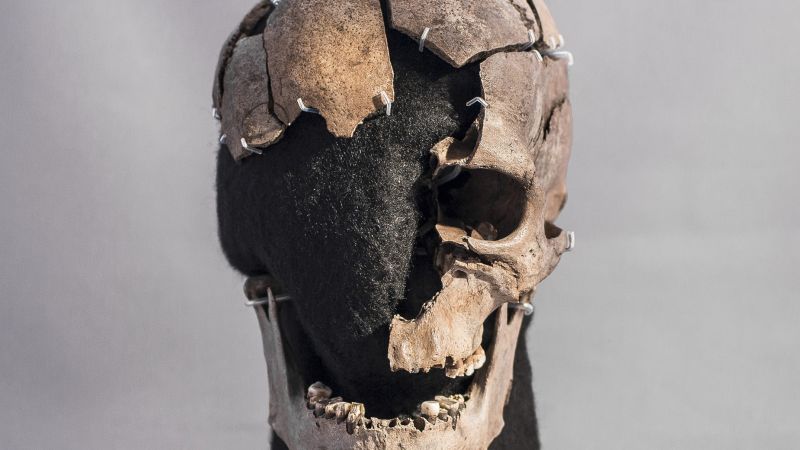
Researchers have used advanced genetic analyses to uncover the story of "Vittrup Man," the oldest known immigrant in Denmark's history, whose remains were found in a peat bog 5,200 years ago. The study reveals that he was genetically distinct from the Danish Stone Age population and likely traveled from Scandinavia to Denmark, transitioning from a hunter-gatherer to a farmer before being violently killed with a wooden club. His life story sheds light on ancient migration and cultural exchanges, providing insights into Stone Age societies and their ritual practices.
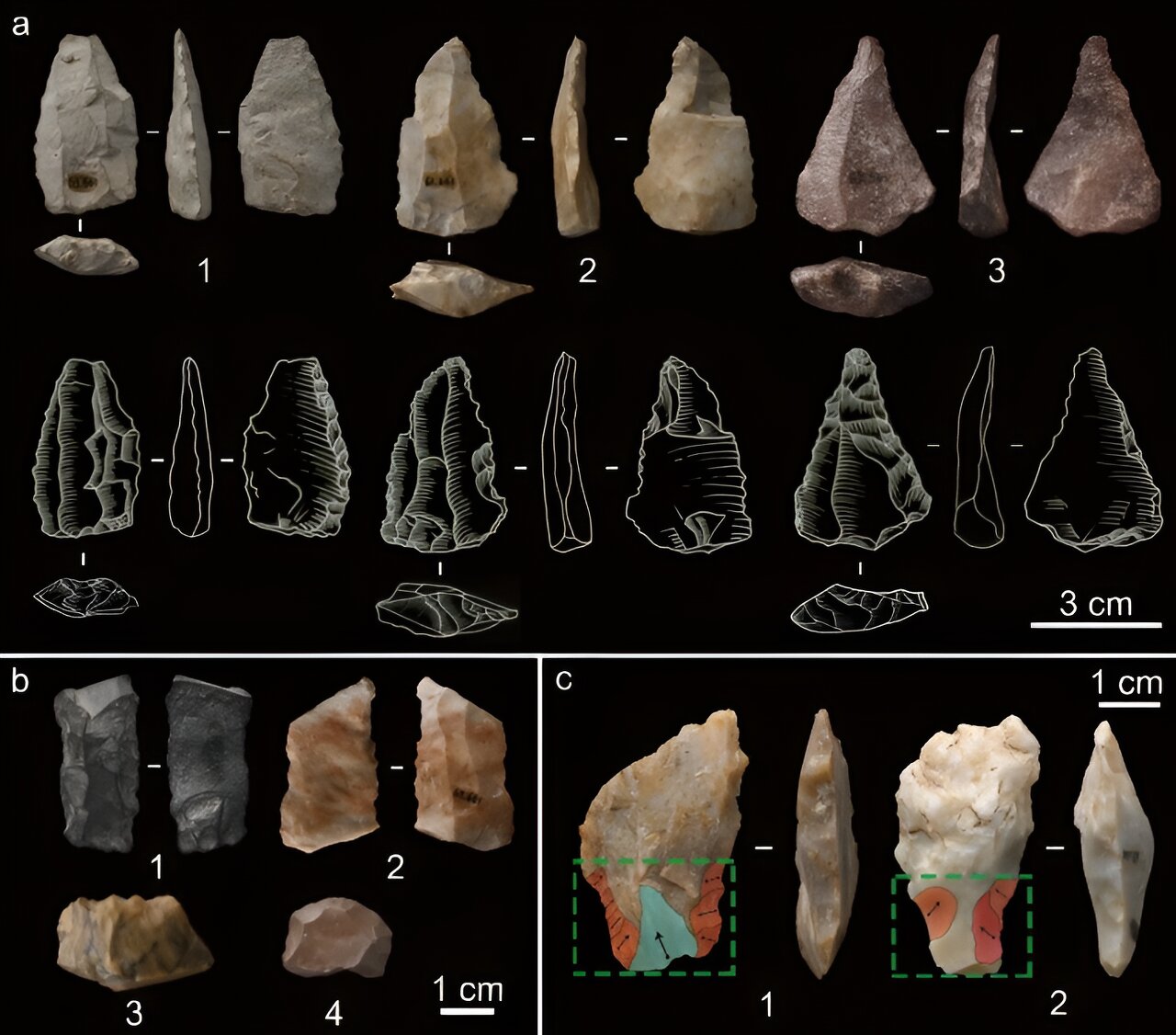
A recent study published in Nature Ecology & Evolution reveals an advanced material culture in East Asia dating back to 45,000 years ago, based on findings from the Shiyu site in Shanxi Province, China. The archaeological collection includes blade technology, tanged and hafted projectile points, long-distance obsidian transfer, and the use of a perforated graphite disk, shedding light on the ancient migration of Homo sapiens into East Asia. The discovery also uncovered evidence of horse hunting and a rich culture with a variety of innovative tools, indicating a process of cultural creolization and complicating the traditional understanding of human global expansion.
Researchers suggest that during the last ice age, the first humans to reach the Americas may have traveled along a sea ice "highway" in Beringia, providing another piece to the puzzle of how humans crossed into North America. Climate data and ocean modeling indicate that sea ice may have been used as a platform for migration, potentially aiding the journey from Asia to North America. This finding challenges previous theories and highlights the adaptability of ancient migrants to rapidly changing conditions.