Initially, President Trump expressed admiration for the Smithsonian's National Museum of African American History and Culture, calling it a meaningful reminder to fight bigotry and hatred, but he later criticized the museum, indicating a change in stance.
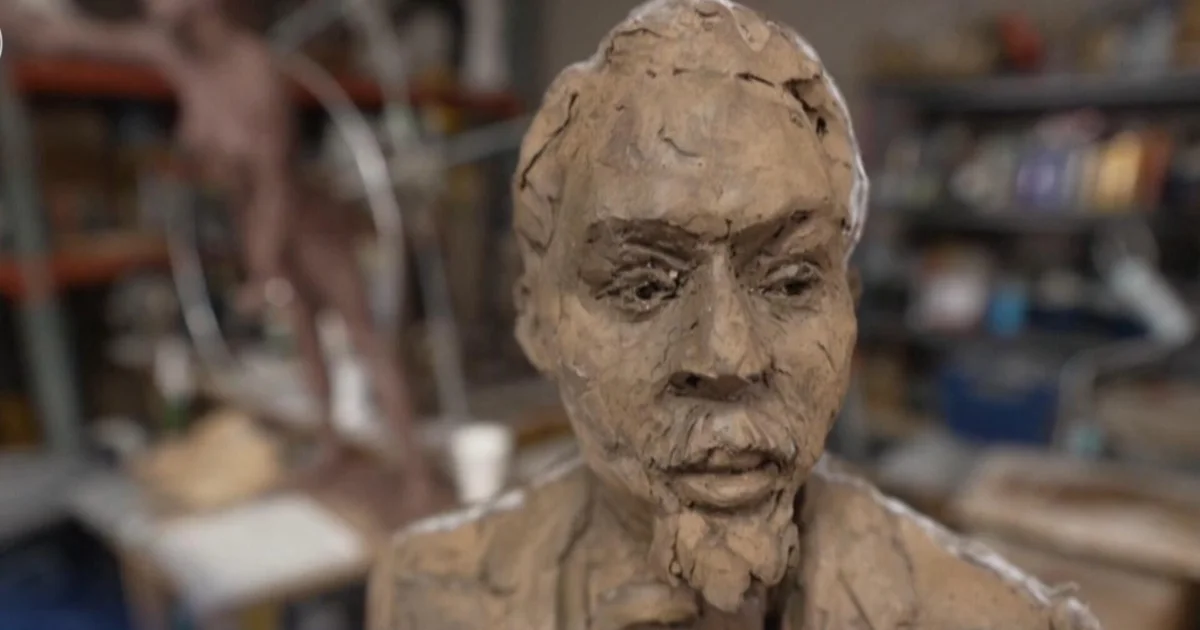
A statue of Robert Smalls, a former slave and Civil War hero, is being created to be the first monument honoring an African American at the South Carolina State House, symbolizing recognition of his courageous journey from slavery to political leadership.
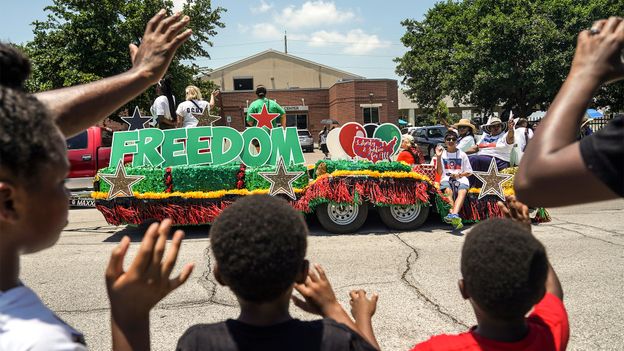
Galveston, Texas, the birthplace of Juneteenth, commemorates the 160th anniversary of the emancipation of enslaved African Americans with a series of events, highlighting its historical significance and ongoing efforts to celebrate and educate about African American heritage year-round, including plans for a dedicated museum and cultural tours.
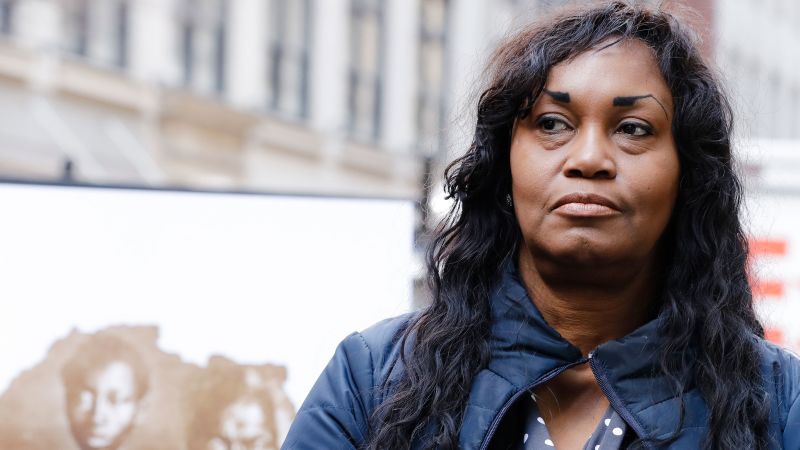
Harvard University will transfer 175-year-old photographs believed to be the earliest of enslaved people to a South Carolina museum, ending a 15-year legal battle with Tamara Lanier, who claims to be a descendant. The settlement includes relinquishing ownership of the images, which were taken without consent and used to support racist theories, and marks a significant moment in addressing historical injustices and reparations.
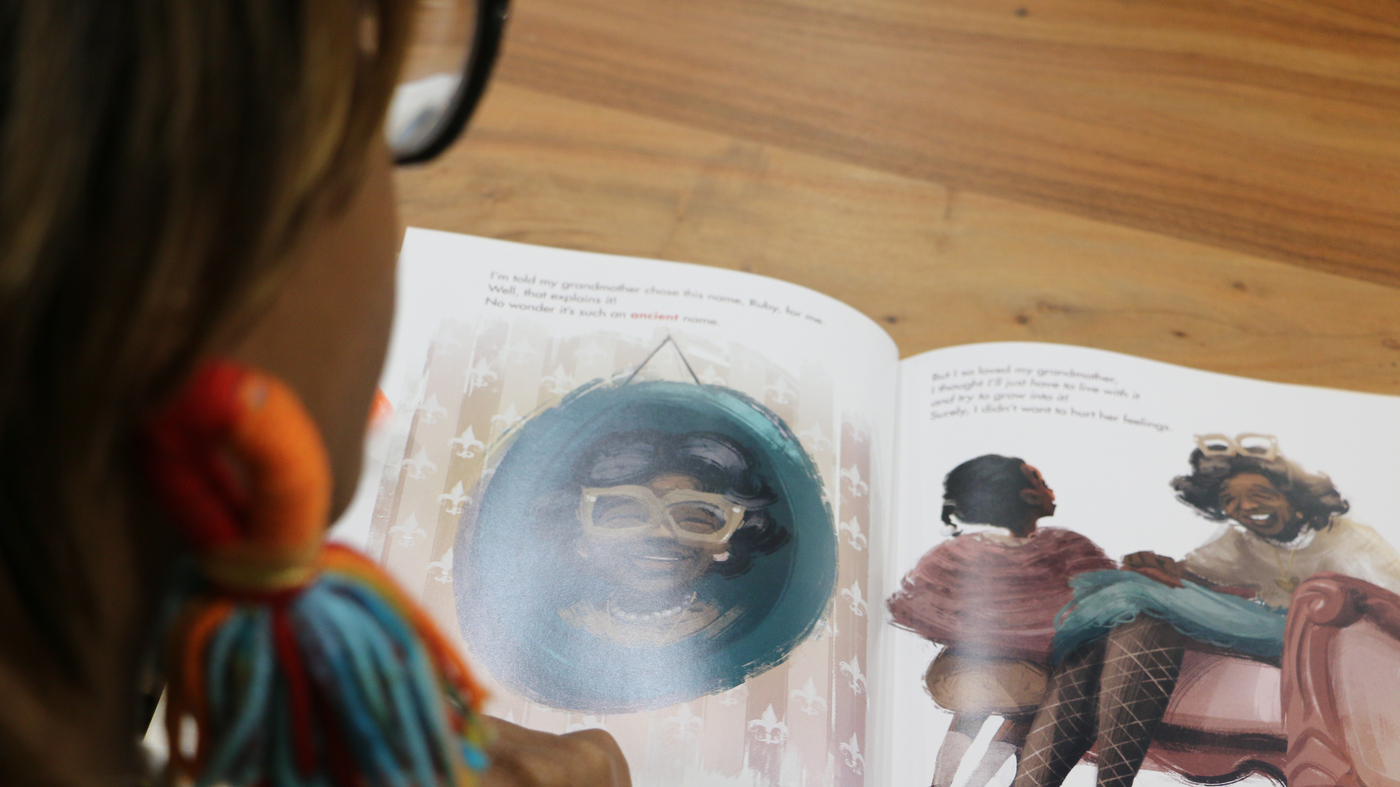
In honor of Black History Month, experts recommend using literature to educate children about Black history, with picks including "A Library" and "Bright April" recommended by Librarian of Congress Carla Hayden, "I Am Ruby Bridges" recommended by bookstore program director Brittni Robertson Powell, "Schomburg: The Man Who Built A Library" recommended by children's book author Meg Medina, "The Black Kids" recommended by Denver teen librarian Juno Kling, and "ABC Black History and Me" recommended by Denver library branch manager Jameka Lewis. These books cover a range of ages and provide valuable insights into Black history and culture.
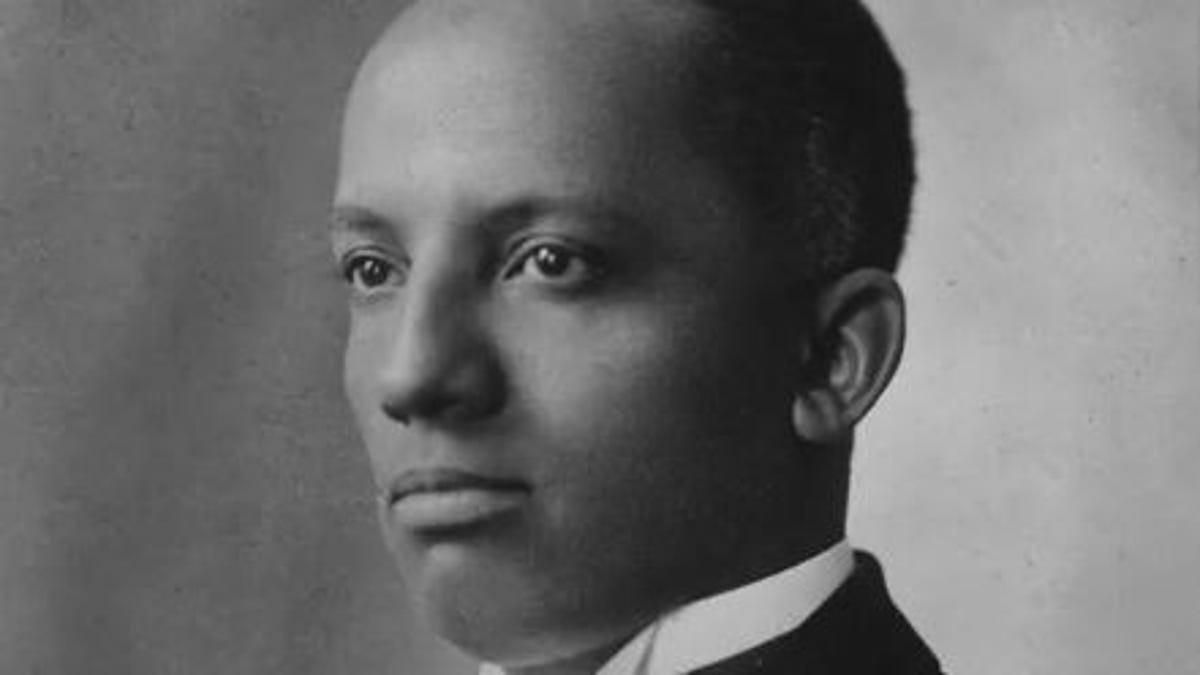
Black History Month, created nearly a century ago by Carter G. Woodson, is a federally recognized celebration intended to reflect on the past, acknowledge the ongoing struggle for racial justice, and draw inspiration from the achievements of African Americans. The month-long commemoration, observed from February 1 to the end of the month, aims to educate and celebrate Black history, with this year's theme focusing on African Americans and the Arts. It is important to commemorate the month in an informative and not performative manner, and there are various ways to observe the occasion, including attending events, accessing online resources, and participating in local gatherings.
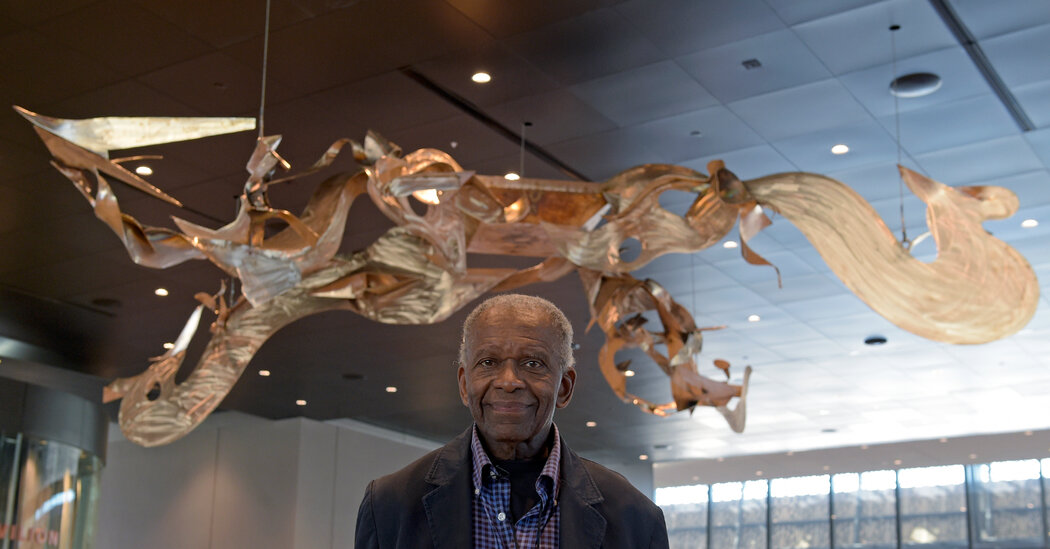
Richard Hunt, a prolific sculptor known for his towering metalwork and contributions to American public art, has passed away at the age of 88. Hunt's career was influenced by attending the funeral of Emmett Till, leading him to experiment with welding and forging discarded materials into art. His sculptures blended classical techniques with self-taught soldering and welding, often using scrap metal and car parts. Over his 70-year career, Hunt created more than 160 pieces of public art, including notable works like "Swing Low" and "Flight Forms." His legacy will continue with the completion of a monument to Emmett Till, a project he was working on before his death.
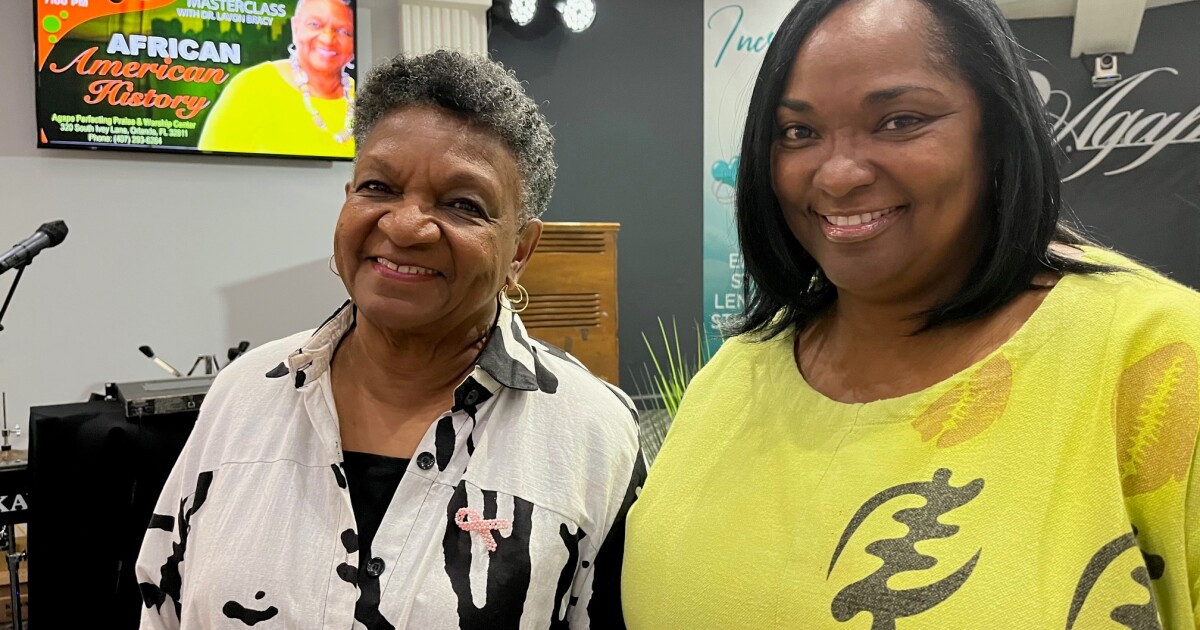
Black churches in Orlando are using a toolkit created by Faith in Florida to teach African American history to their congregants. With restrictions on teaching Black history in Florida, churches are stepping in to fill the gap. The toolkit includes recommended books, documentaries, and articles covering the history of the Transatlantic slave trade to the Civil Rights Movement. The classes aim to provide a more comprehensive understanding of American history and culminate in a trip to important Civil Rights Movement sites in Alabama. Over 300 churches in Florida and the South have signed up to use the toolkit.
Florida Department of Education officials objected to the proposed Advanced Placement African American Studies course, claiming it presented an "oppressor vs. oppressed" view of slavery. Internal comments revealed objections to discussions on the financial and material enrichment of Europeans involved in the slave trade, concerns about promoting critical race theory ideas of reparations, and the rejection of opposing viewpoints. This is part of a larger trend in Florida's education system, which includes the introduction of right-wing propaganda through the use of PragerU videos and the banning of classroom instruction on LGBTQ issues and gender identity.
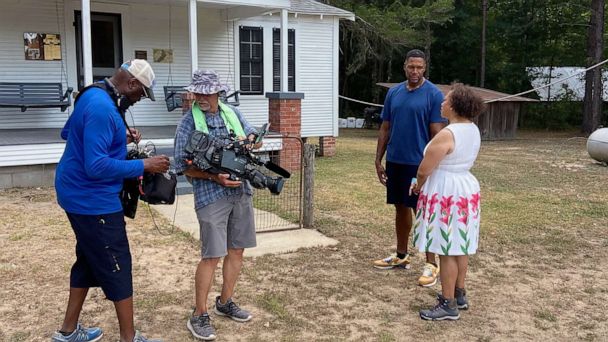
"Good Morning America" co-anchor Michael Strahan traces his ancestry to the East Texas community of Shankleville, a freedom colony founded by formerly enslaved individuals after the Civil War. Through the 10 Million Names Project, Strahan connects with long-lost cousins and learns about his family's history of love, resilience, and land ownership. Shankleville, like many other freedom colonies, provided a safe haven for Black Americans during the Jim Crow era. Strahan's visit to Shankleville highlights the importance of preserving African American history and the ongoing efforts to recognize and celebrate the contributions of these communities.
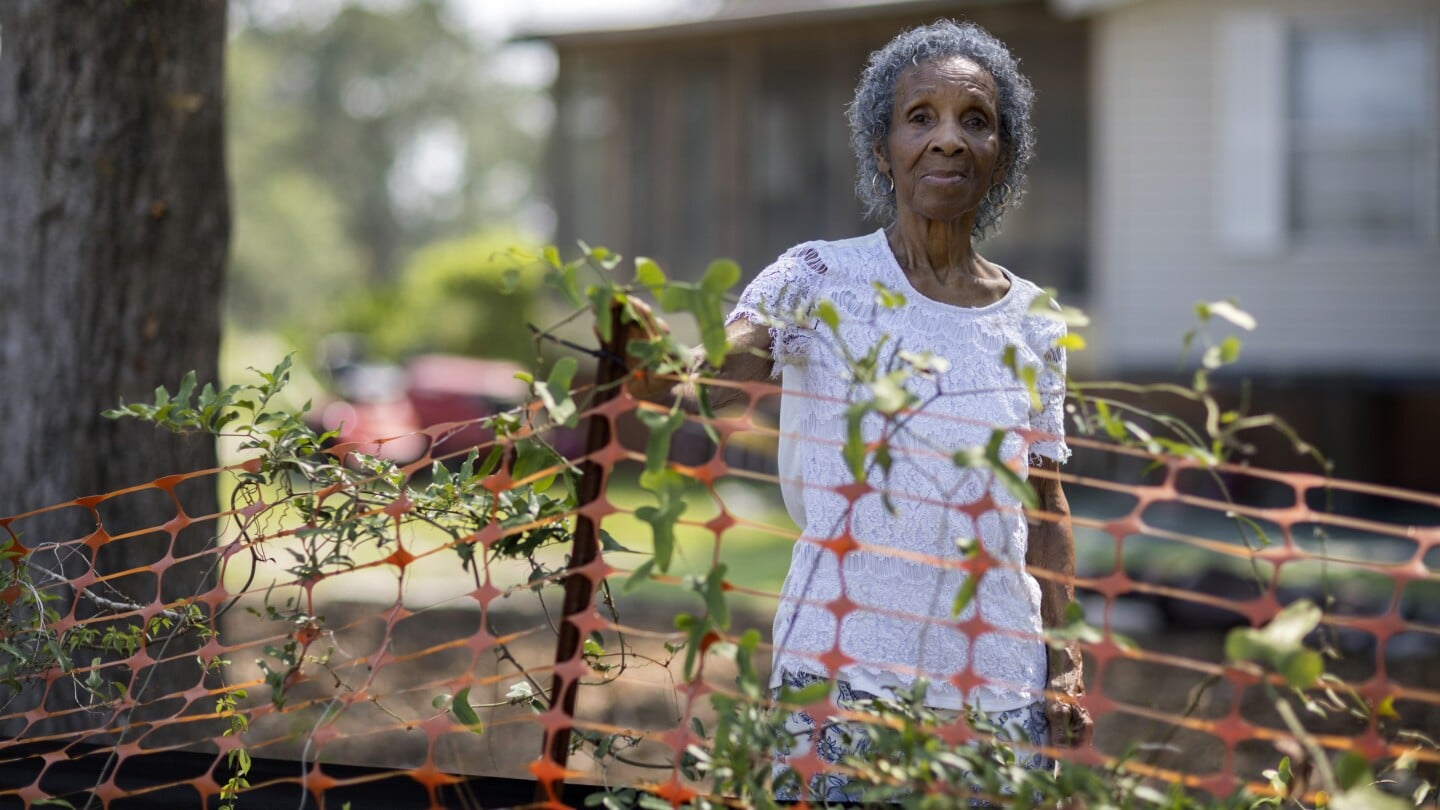
Developers targeting land owned by descendants of enslaved people in South Carolina are threatening the property and history of historic settlement communities. Rising property taxes and assessments, along with the exploitation of heirs' property, are making it difficult for Black landowners to maintain their ancestral land. State reforms have provided some protection, but the threat of gentrification and the loss of family legacies remain. Efforts are being made to preserve African American property and provide tax incentives for historic communities. The struggle to protect land and maintain ownership is becoming increasingly challenging, with costly legal battles and the encroachment of commercial enterprises.
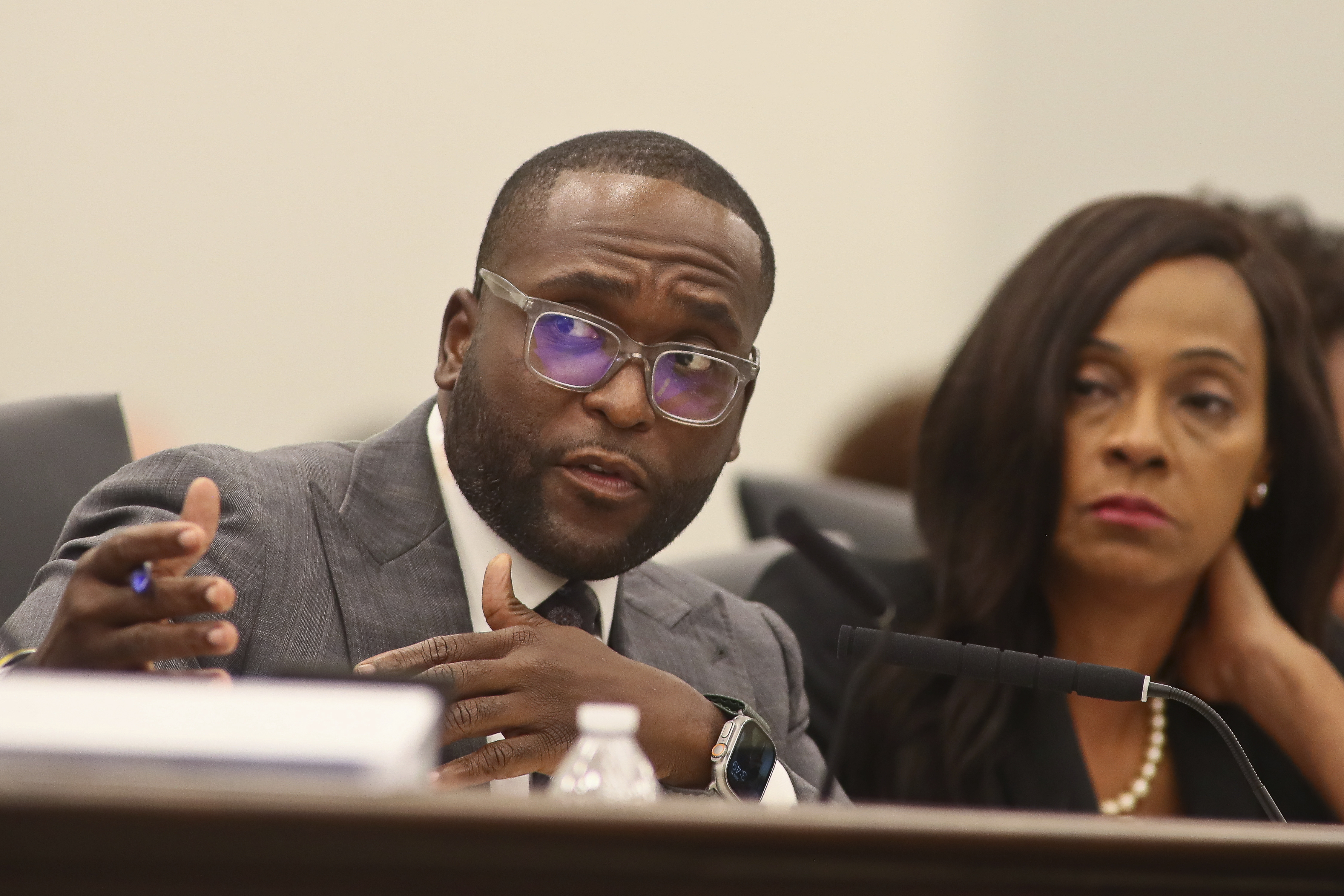
Black leaders and community members in Florida expressed outrage and condemnation over the state's new standards for teaching African American history. The controversial standards, approved by the state Board of Education, require educators to teach that "slaves developed skills which, in some instances, could be applied for their personal benefit." The absence of Education Commissioner Manny Diaz Jr. at a town hall meeting addressing the issue further fueled criticism, with attendees accusing the governor and education department of throwing an "academic bomb" into the Black community. The standards have drawn national attention and sparked a polarized debate over what and how history should be taught in schools.
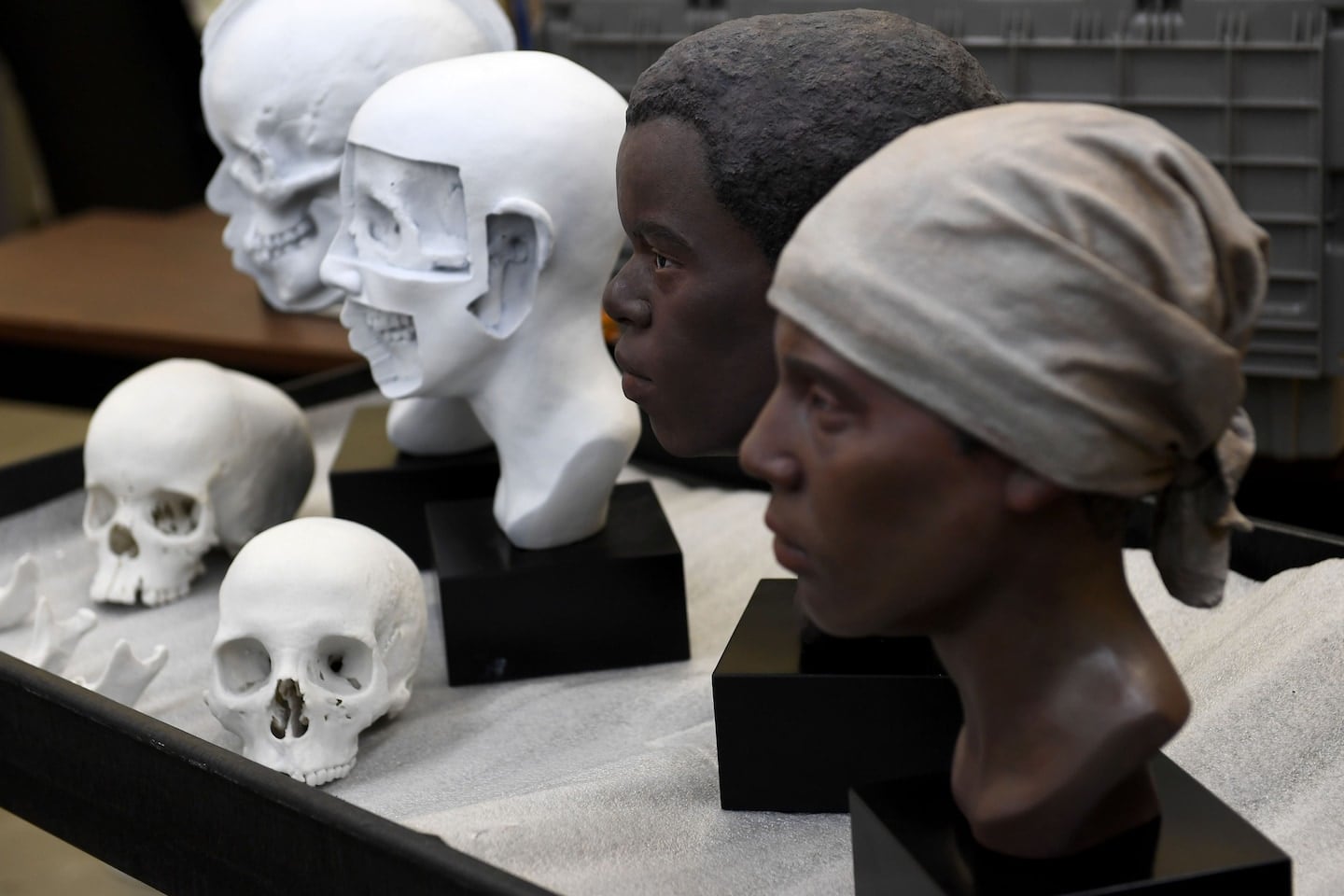
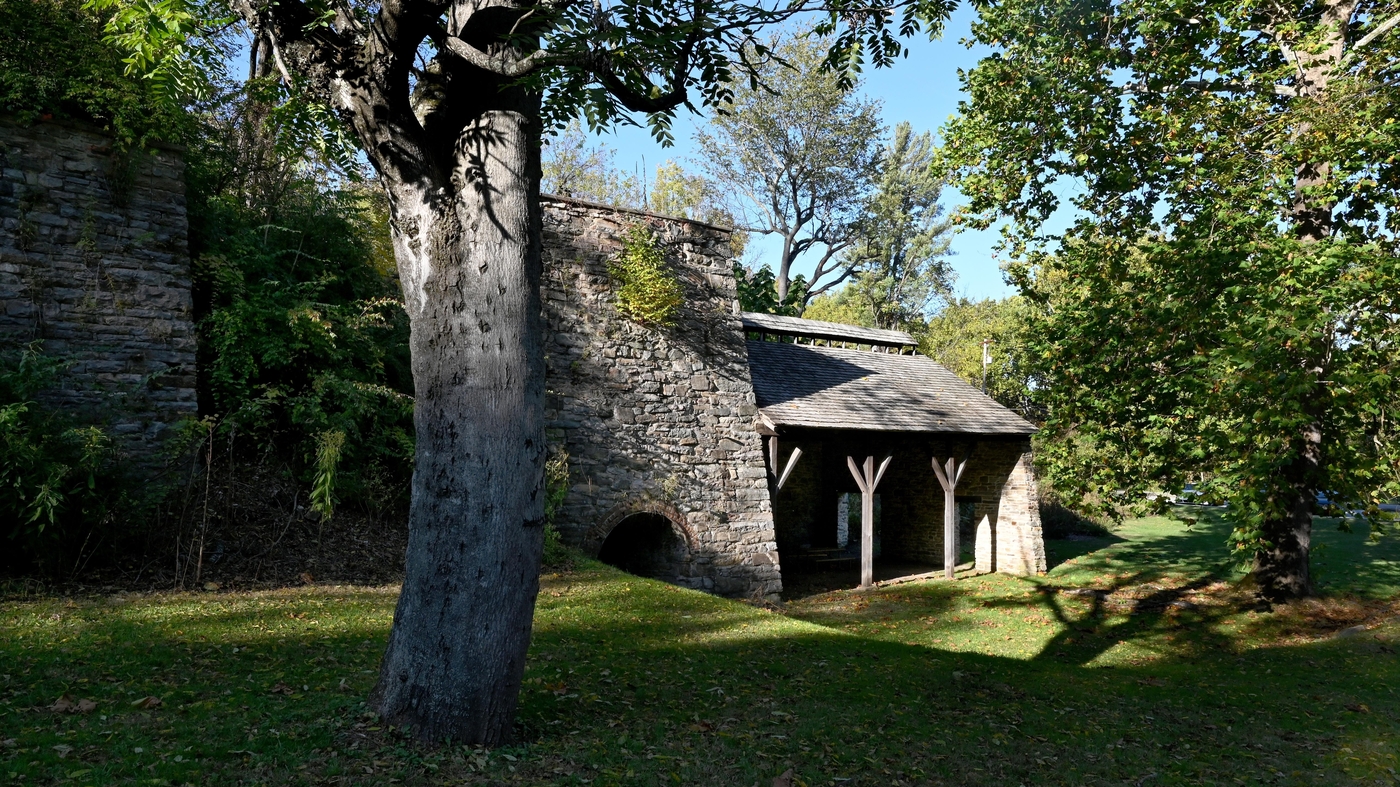
DNA analysis of the remains of enslaved individuals buried in a cemetery at Catoctin Furnace in Maryland has revealed their ancestry and identified over 40,000 living relatives, many of whom are still in Maryland. The study found that these individuals descended from West Africa's Wolof and Mandinka peoples and Central Africa's Kongo people, with strong genetic connections to present-day populations in Senegal, Gambia, Angola, and the Democratic Republic of Congo. The research sheds light on the lives and histories of enslaved African Americans, whose experiences within the early industrial complex of the United States have been largely overlooked. The study highlights the power of genomics in reconstructing lost familial backgrounds and aims to restore the identity of these individuals stripped by enslavement.
Scientists have discovered over 41,000 genetic "relatives" of 27 enslaved individuals buried in Maryland's Catoctin Furnace African American Cemetery. Using DNA obtained from the exhumed bones of the deceased, researchers compared it with the genetic database of 23andMe, resulting in the identification of thousands of potential relatives. This breakthrough research approach offers hope for African Americans seeking to uncover their ancestral history, which was often lost due to generations of enslavement. The study also revealed connections to African and European ancestry, shedding light on the complex heritage of the Catoctin individuals.
Researchers have used DNA analysis to connect the remains of enslaved and free Black workers at Catoctin Furnace in Maryland to nearly 42,000 living relatives. The study, published in the journal Science, utilized genetic information from biotech company 23andMe's database to establish connections between present-day individuals and those buried at the historical site. The research provides a new avenue for Black Americans to trace their ancestry and learn more about their heritage, particularly in cases where written records are scarce due to the legacy of slavery. The study also sheds light on the lives and health issues of the individuals buried at Catoctin Furnace, as well as their ancestral origins in Africa and European ancestry. The work is seen as groundbreaking and sets a blueprint for future studies in African American genealogy.