Global credit markets are showing resilience with a surge in bond issuance totaling $61 billion in one day, indicating investor confidence despite geopolitical tensions, driven by strong corporate fundamentals and economic optimism at the start of 2026.
The credit market is turning cautious as rising capital expenditures and declining free cash flow, especially for Oracle, Meta, and Amazon, lead to wider credit default swaps spreads, indicating increased risk and potential impacts on equity markets if AI-driven investments do not soon improve cash flows.
Blue Owl Capital's co-CEO Marc Lipschultz defends the private credit market amid recent bankruptcies of Tricolor Holdings and First Brands Group, arguing these issues reflect problems in syndicated markets rather than private credit. JPMorgan CEO Jamie Dimon warned of potential hidden risks in credit markets, but Lipschultz emphasizes the resilience of private credit portfolios and downplays the significance of recent failures as indicative of broader systemic issues.
Recent high-profile bond defaults and restructurings, such as Saks, Tricolor, and First Brands, reveal vulnerabilities in the US credit markets, driven by years of excessive borrowing, relaxed covenants, and complacency among investors, raising concerns about potential systemic risks despite ongoing strong market returns.
JPMorgan Chase CEO Jamie Dimon warned of potential economic deterioration in the US, citing waning stimulus effects, cautious sentiment, and risky private credit markets, while stock markets responded positively to trade talks and inflation data.
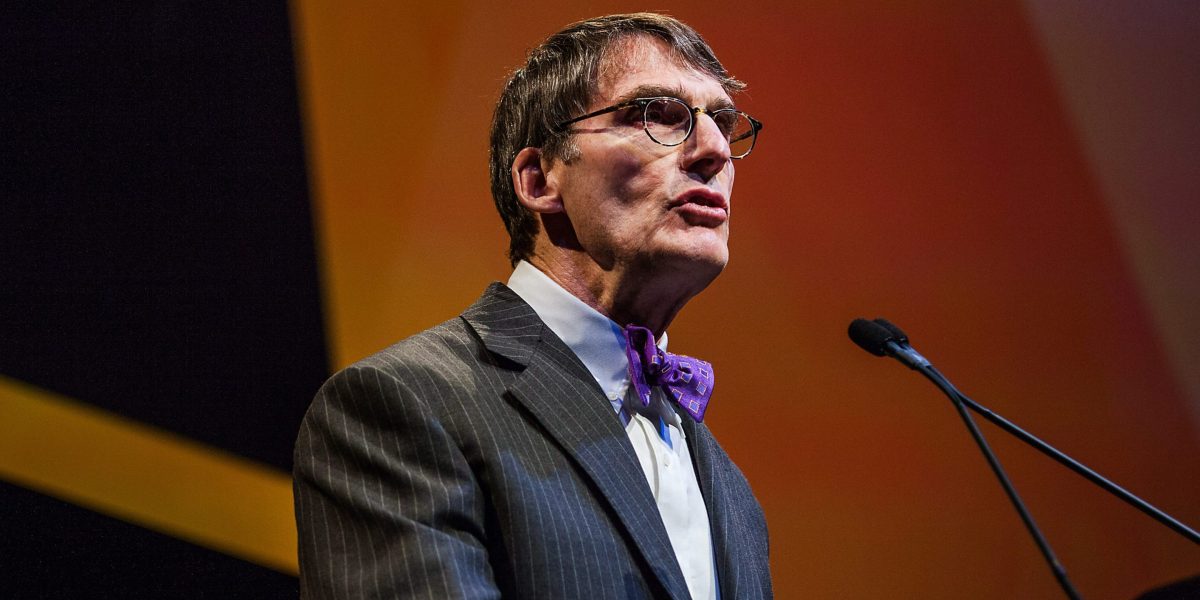
Jim Grant, the renowned Fed watcher who accurately predicted the 2007 housing bubble, warns that the U.S. economy is facing a potential disaster due to the end of the "free money era" and the accumulation of debt. Grant believes that the consequences of a decade of low interest rates will play out in the credit markets, with many corporations struggling to refinance their debt as interest rates rise and the economy slows. He points to the rise of "zombie companies" as an example of the challenges lenders may face. Grant predicts an era of higher interest rates that could last a generation, leading to low economic growth, high inflation, and potential corporate defaults. However, there is a counterargument that technological progress could bring deflation, although Grant is skeptical that the current rate of progress is fast enough to significantly reduce prices.
Fading optimism on interest rates signals trouble for the $425 billion debt wall facing corporate America. The strong US jobs report increases the likelihood of another Federal Reserve rate increase this year, which is negative for companies that have been increasing their debt levels as yields have surged. Companies face higher borrowing costs, which could cut into profits and increase default risk. The higher yields have already shut down new junk bond sales, and the average yield on the Bloomberg Global High Yield index has reached its highest level since November last year. The corporate private credit market is also expected to see more defaults.
The world is facing economic uncertainty as credit markets show signs of strain. Companies that loaded up on cheap debt during a period of low borrowing costs are now facing the challenge of renewing their financing at higher interest rates. This could lead to an increase in bankruptcies and defaults, especially if the Federal Reserve continues to keep borrowing costs high. Already, corporate defaults are running at their fastest pace in over a decade, and there is a significant amount of debt in a precarious position. The longer interest rates remain elevated, the deeper the stresses are likely to become, potentially causing job losses and curtailed growth. The fear of missing out and the resilient economy have lured investors into debt markets, but the longer inflation remains elevated, the more companies will be forced to shoulder higher borrowing costs.
Rising corporate debt defaults and downgrades to junk credit ratings are starting to impact companies, with examples including retailer Casino, Britain's Thames Water, and Swedish landlord SBB. Despite this, the cost of insuring exposure to European junk-rated corporates remains low, indicating investor complacency. S&P Global expects default rates for U.S. and European sub-investment grade companies to rise in the coming months. Analysts warn that corporate bond yields should command a higher premium, as current spreads do not reflect the risks. Refinancing will be costly for companies with looming debt maturities, and some firms are already seeking debt restructuring to avoid insolvency.
The US Treasury is set to issue an estimated $1tn of Treasury bills in the coming months as part of the latest debt-ceiling resolution. However, analysts at CreditSights believe the heavy supply of fresh Treasury debt will not necessarily derail stocks or the broader market. The S&P 500 index rose almost 5% over a six-month stretch in 2016 and 2018 when a wave of Treasury supply hit the market. The team found that a large amount of T-bill issuance is not necessarily a reason for a broad risk-off shift across markets on its own.
Charles Schwab Corp. has raised $2.5 billion in debt through the credit markets, as the brokerage firm seeks to finance its investment in technology and other growth initiatives.