Tag

Belt And Road Initiative

All articles tagged with #belt and road initiative

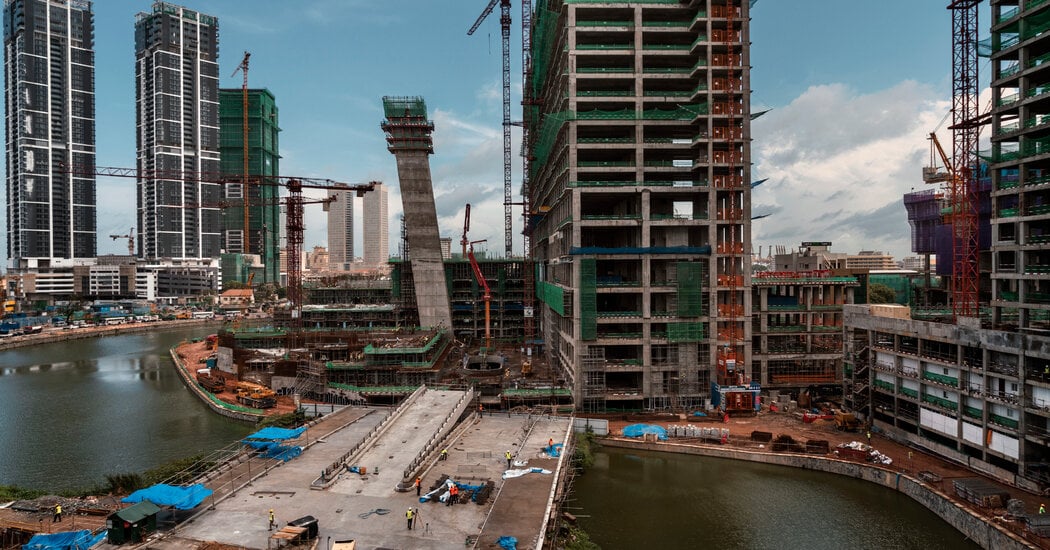
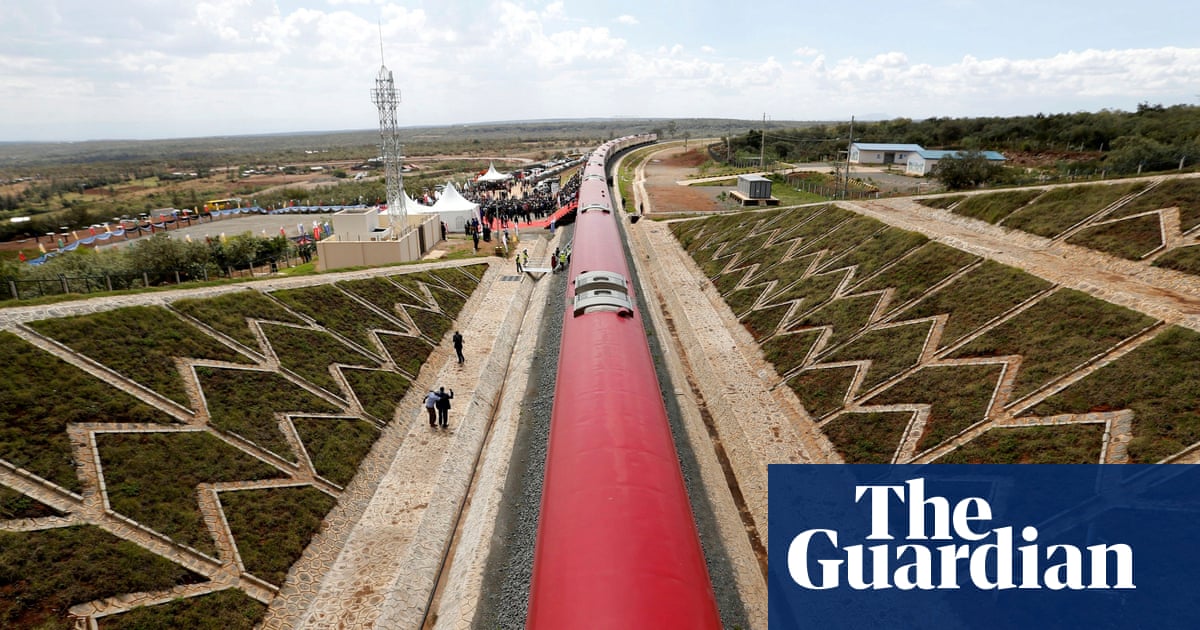
China's Growing Debt Burden on Developing Nations

Originally Published 7 months ago — by NPR

Featured image for China's Growing Debt Burden on Developing Nations
Source: NPR

China has become the largest debt collector for many developing nations, despite reducing its lending in recent years, which poses risks to poverty reduction and stability. The shift is driven by diplomatic pressure and a move towards debt restructuring, with over a quarter of developing countries' external debt owed to China, impacting economies like Sri Lanka and Kenya. The situation is complicated by the end of grace periods on loans and reduced aid from Western countries, leading to economic and political repercussions in debtor nations.
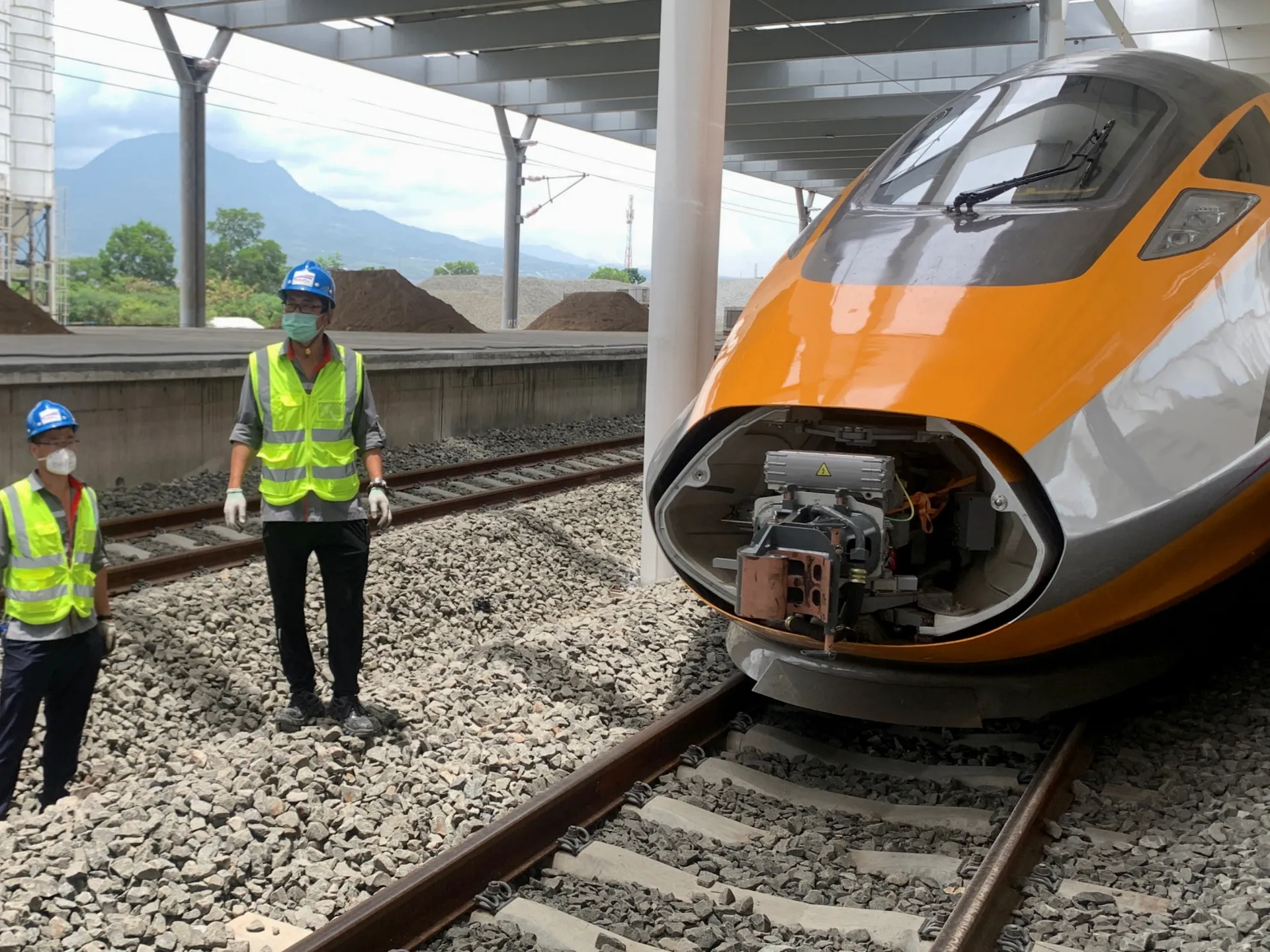
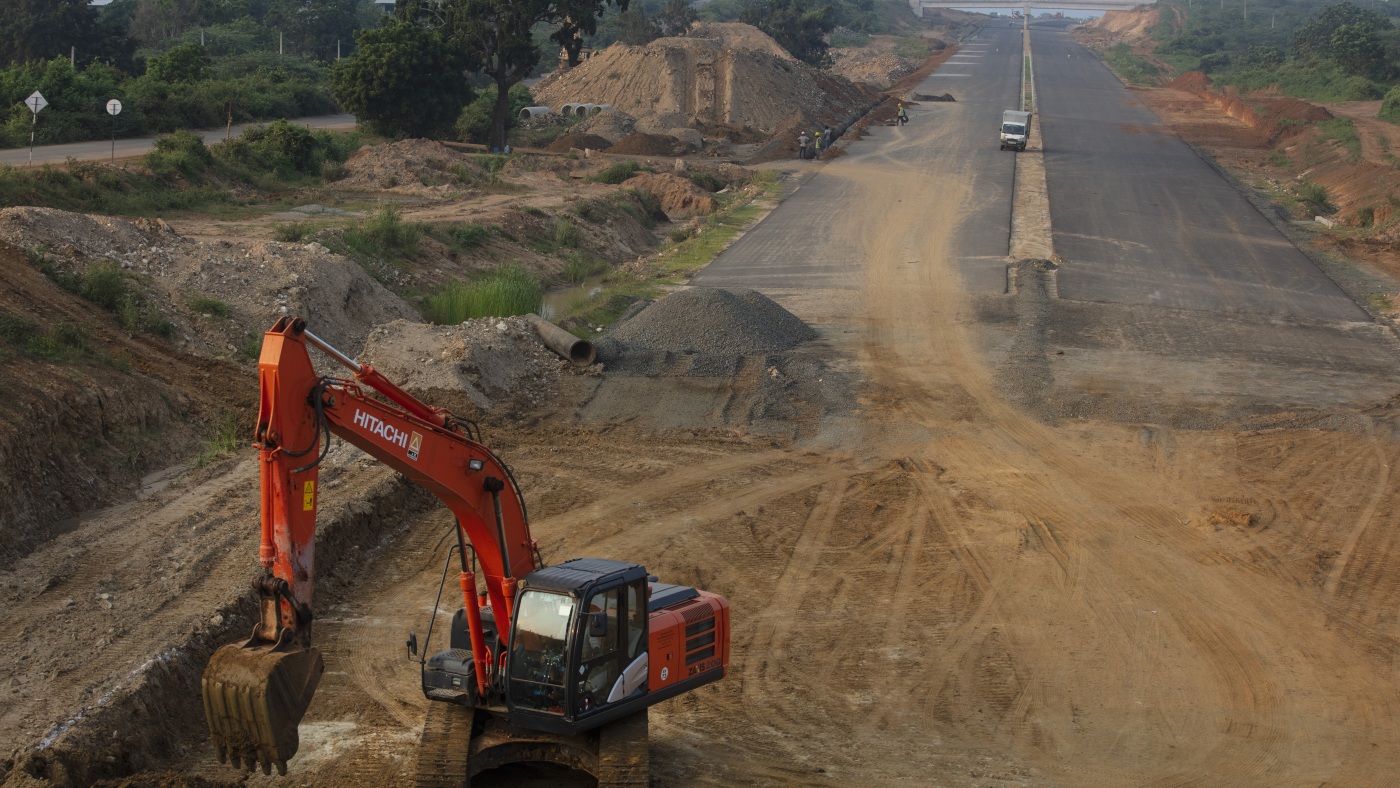
Global Developing Nations Brace for Debt Crisis as China Reclaims Loans in 2025

Originally Published 7 months ago — by Al Jazeera

Featured image for Global Developing Nations Brace for Debt Crisis as China Reclaims Loans in 2025
Source: Al Jazeera

Many of the world's poorest nations face a record $35 billion in debt repayments to China in 2025, stemming from loans made during Beijing's Belt and Road Initiative, risking cuts to essential public services amid concerns over debt traps and geopolitical leverage, while China and critics debate the true scale and impact of these loans.

China's Peru Megaport: A New Belt and Road Frontier Amid Local Concerns

Originally Published 1 year ago — by South China Morning Post

Featured image for China's Peru Megaport: A New Belt and Road Frontier Amid Local Concerns
Source: South China Morning Post

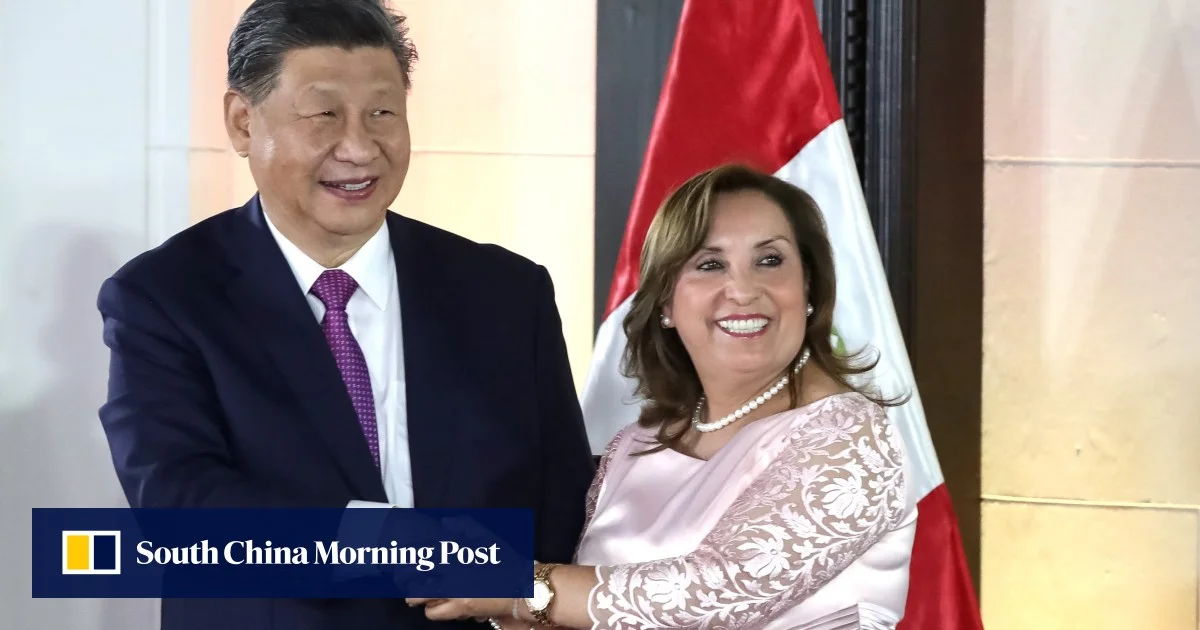
Chinese President Xi Jinping inaugurated a $3.5 billion Beijing-funded port in Chancay, Peru, marking it as a significant development under the Belt and Road Initiative. Xi emphasized the port's role in creating a new maritime corridor between China and Latin America, linking historical trade routes like the Inca Trail and the Maritime Silk Road. The project is seen as a symbol of Sino-Peruvian cooperation and aims to enhance transport capacity and connectivity between South America and China.

NATO Considers Taking Over China's BRI Projects in Europe Amid Rising Tensions

Originally Published 1 year ago — by EurAsian Times

Featured image for NATO Considers Taking Over China's BRI Projects in Europe Amid Rising Tensions
Source: EurAsian Times

NATO leaders are considering reclaiming Chinese-owned infrastructure projects in Europe due to China's alleged support for Russia in the Ukraine war. This move is part of a broader strategy to counter China's influence and potential threat to European security. NATO accuses China of enabling Russia's military efforts, while China denies these claims and asserts its neutrality. The discussions are in early stages, with varying levels of support among NATO members.

Deadly Suicide Bombing Targets Chinese Workers in Pakistan

Originally Published 1 year ago — by CNN

Featured image for Deadly Suicide Bombing Targets Chinese Workers in Pakistan
Source: CNN

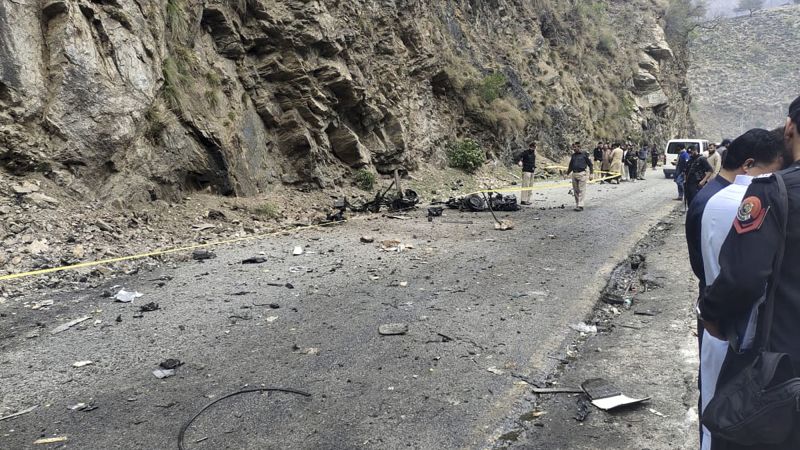
Five Chinese workers and their local driver were killed in a suicide bomb blast in northwest Pakistan, the latest in a series of attacks targeting Chinese interests in the country. The blast occurred as the workers' convoy traveled to the Dasu dam, a major hydropower project. No group has claimed responsibility, but the Pakistani Taliban denied involvement. The attacks highlight security challenges for Chinese projects in Pakistan, particularly in the wake of the Taliban's takeover in neighboring Afghanistan. China has strongly condemned the attack and urged Pakistan to investigate and ensure the safety of Chinese nationals and projects. Separatist groups in Balochistan, resentful of Chinese-funded developments, have previously targeted Chinese interests in the region.

"China Extends Security Support to Hungary in Unprecedented Gesture"

Originally Published 1 year ago — by EURACTIV

Featured image for "China Extends Security Support to Hungary in Unprecedented Gesture"
Source: EURACTIV

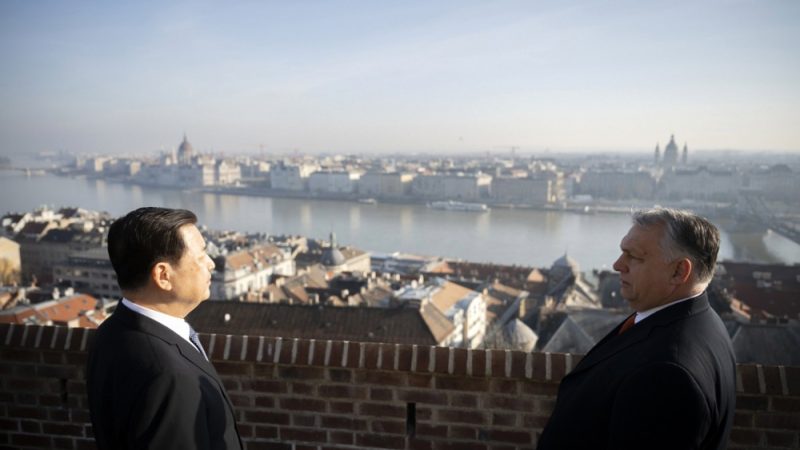
China has offered to support Hungary in public security matters, signaling a deepening of their strategic partnership beyond trade and investment relations. This move comes as Hungary, a Russian ally, has resisted pressure to approve NATO's expansion in Europe. The security pact with Hungary represents a diplomatic win for China in the European Union, as the bloc grapples with differences on human rights, trade imbalances, and Russia's invasion of Ukraine. Hungary's growing affinity to Beijing has caused a divide within the EU, as it has stood aside or opposed EU positions critical of China and welcomed Chinese investments despite the bloc's calls for alignment.

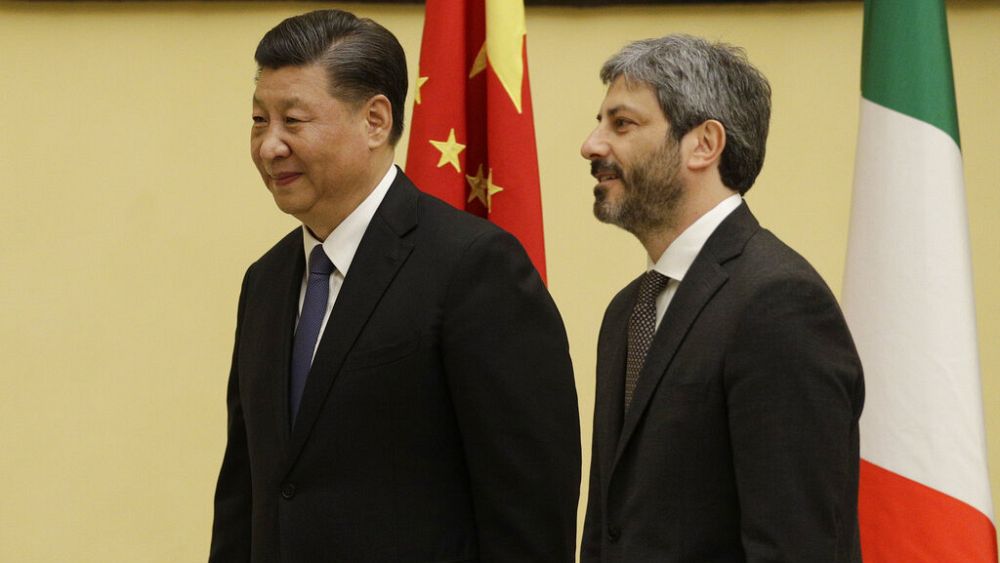
Italy Withdraws from China's Belt and Road Initiative, Prompting Warning from China

Originally Published 2 years ago — by Al Jazeera English

Featured image for Italy Withdraws from China's Belt and Road Initiative, Prompting Warning from China
Source: Al Jazeera English

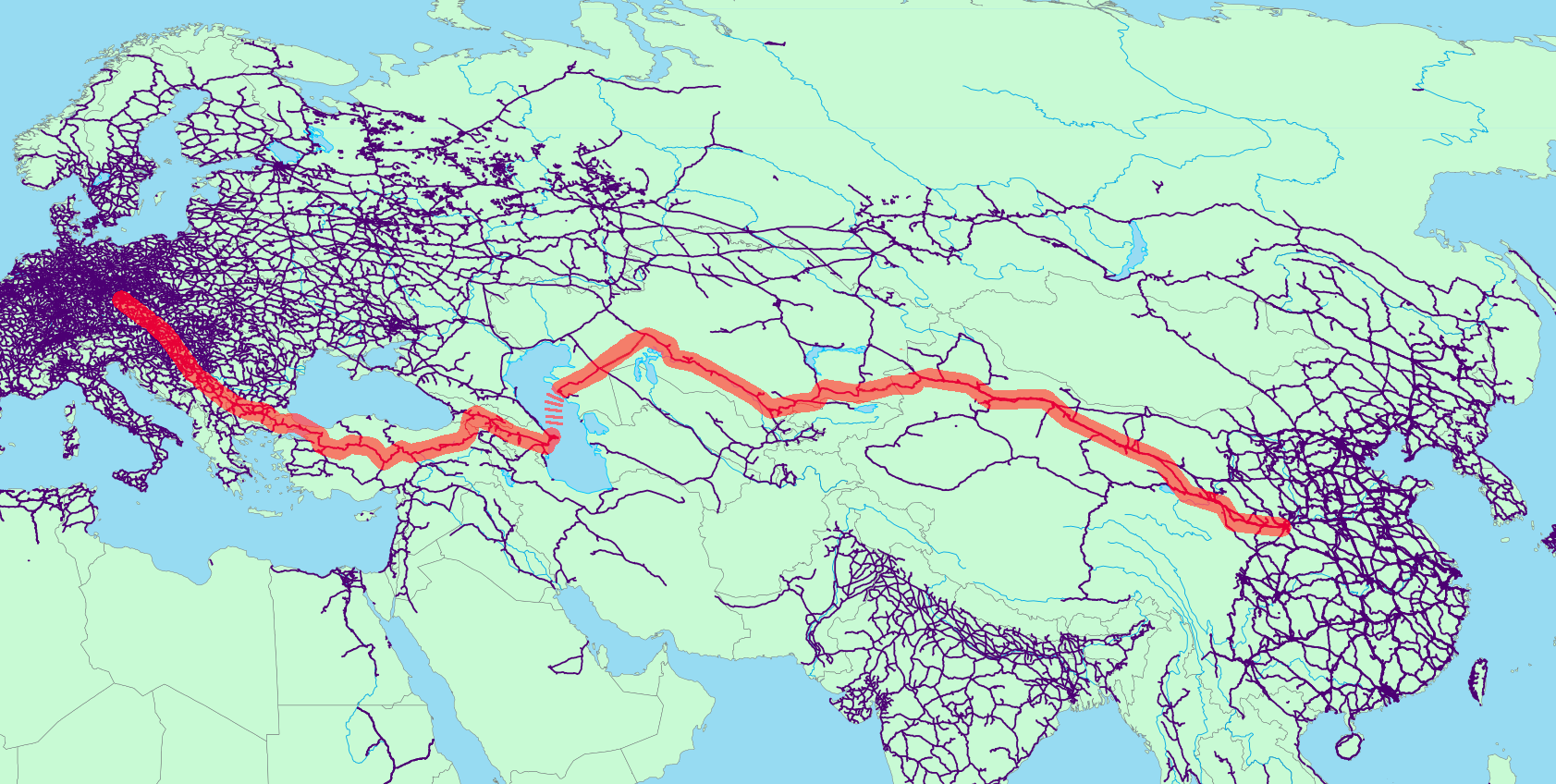
China has criticized the withdrawal of Italy, its only major Western partner, from the Belt and Road Initiative (BRI), warning against "undermining" the project. Italy, the first G7 nation to join the initiative, notified China of its plan to exit in 2024. The BRI, which aims to recreate ancient trade routes through massive infrastructure investments, has faced criticism for potentially increasing China's geopolitical influence and burdening poorer countries with unsustainable debts. Despite leaving the BRI, Italy intends to maintain strong relations with China.

Italy Officially Withdraws from China's Belt and Road Initiative

Originally Published 2 years ago — by Euronews

Featured image for Italy Officially Withdraws from China's Belt and Road Initiative
Source: Euronews

Italy has formally withdrawn from China's Belt and Road Initiative, citing the lack of expected economic gains. Italy's trade deficit with China has increased, and promised investments in Italian ports never materialized. The initiative, which involves Chinese companies building infrastructure overseas, has deepened China's relations with numerous countries. Italy's withdrawal is seen as a result of little incentive to continue and may be attributed to US pressure.

Italy Officially Withdraws from China's Belt and Road Initiative, Ending G7 Involvement

Originally Published 2 years ago — by South China Morning Post

Featured image for Italy Officially Withdraws from China's Belt and Road Initiative, Ending G7 Involvement
Source: South China Morning Post

Italy has formally informed China that it will terminate its membership in the Belt and Road Initiative, becoming the first G7 member to do so. The decision comes as Italy's participation in the initiative has not produced the desired effects and is no longer a priority. Italy's exit leaves China's flagship infrastructure drive without any G7 members. The move has been a bone of contention with Western allies, particularly the United States. More than half of the EU's members are still part of the Belt and Road Initiative, but interest has waned in recent years. The news of Italy's exit comes ahead of a high-stakes summit in Beijing, where European leaders will discuss trade grievances and China's relationship with Russia. European Commission President Ursula von der Leyen has been a staunch critic of the Belt and Road Initiative and has spearheaded the launch of the European alternative, Global Gateway.

Italy Officially Withdraws from China's Belt and Road Initiative

Originally Published 2 years ago — by BBC.com

Featured image for Italy Officially Withdraws from China's Belt and Road Initiative
Source: BBC.com

Italy has officially announced its withdrawal from China's Belt and Road Initiative (BRI), becoming the first major Western nation to do so. Prime Minister Giorgia Meloni's administration notified Beijing ahead of the year-end deadline, citing concerns over the initiative's financial sustainability and potential debt-trap diplomacy. Italy, the largest EU member to have joined the BRI, had received only a fraction of the promised investment from China. The move comes as Italy seeks to maintain good relations with China while pursuing a more pro-Western and pro-NATO foreign policy.

Italy Officially Withdraws from China's Belt and Road Initiative

Originally Published 2 years ago — by Financial Times

Italy has officially withdrawn from China's Belt and Road Initiative, a global infrastructure project aimed at enhancing economic cooperation between countries. The move comes as Italy seeks to reevaluate its relationship with China and prioritize its own national interests.

Italy Withdraws from China's Belt and Road Initiative

Originally Published 2 years ago — by Reuters

Featured image for Italy Withdraws from China's Belt and Road Initiative
Source: Reuters

Italy has officially informed China that it is leaving the Belt and Road Initiative (BRI), citing the lack of significant economic gains. Italy became the first major Western nation to join the trade and investment program in 2019, but Prime Minister Giorgia Meloni, who took office last year, expressed her intention to withdraw from the deal. The 2019 accord expires in March 2024, and Italy has sent a letter to Beijing informing them that it will not be renewing the pact. Italy aims to maintain good relations with China despite leaving the BRI, and it will assume the presidency of the G7 in 2024.

Italy Officially Withdraws from China's Belt and Road Initiative

Originally Published 2 years ago — by Al Jazeera English

Featured image for Italy Officially Withdraws from China's Belt and Road Initiative
Source: Al Jazeera English

Italy has withdrawn from China's Belt and Road Initiative (BRI), becoming the first G7 nation to do so. The BRI aims to invest in infrastructure projects to recreate the ancient Silk Road trade routes. Critics argue that the initiative allows China to expand its geopolitical influence and burden poorer countries with unsustainable debts. Italian Prime Minister Giorgia Meloni, who took office last year, opposed Italy's participation, citing the lack of substantial benefits. The decision was communicated to Beijing in a recent letter, but Rome remains cautious about potential retaliation from China.

China's Massive Loans Rescue Countries in Financial Distress

Originally Published 2 years ago — by The New York Times

Featured image for China's Massive Loans Rescue Countries in Financial Distress
Source: The New York Times

China has shifted its lending focus from infrastructure projects to providing emergency rescue loans to developing countries struggling with debt. The Belt and Road Initiative, which initially aimed to build transportation and political links, resulted in countries accumulating unsustainable debt. China's rescue loans now make up 58% of its lending to low- and middle-income countries, compared to 5% in 2013. The United States is seeking to match China's influence by providing loans for shipyard modernization in Greece and port expansion in Sri Lanka. China's lending practices have raised concerns about debt sustainability and competition with international financial institutions like the IMF.

China's Debt Collection Dominance: Lessons Learned and Strategies to Reduce Distressed Debt Exposure

Originally Published 2 years ago — by The Guardian

Featured image for China's Debt Collection Dominance: Lessons Learned and Strategies to Reduce Distressed Debt Exposure
Source: The Guardian

China has become the world's largest debt collector, with developing countries owing between $1.1tn and $1.5tn to China, according to a report. Around 80% of China's overseas lending portfolio is now supporting financially distressed countries. As the debts to Chinese lenders have increased, so have the number of suspended or cancelled projects. China is concerned about the risk of defaults and has introduced measures to mitigate this, including reducing loans for infrastructure projects and increasing emergency lending. Chinese lenders have also increased penalties for late repayments, potentially alienating borrowers. The terms and conditions of Chinese loans are often not transparent, but economists estimate that they typically have a higher interest rate than World Bank loans. China is working to minimize debt distress while safeguarding its Belt and Road Initiative.