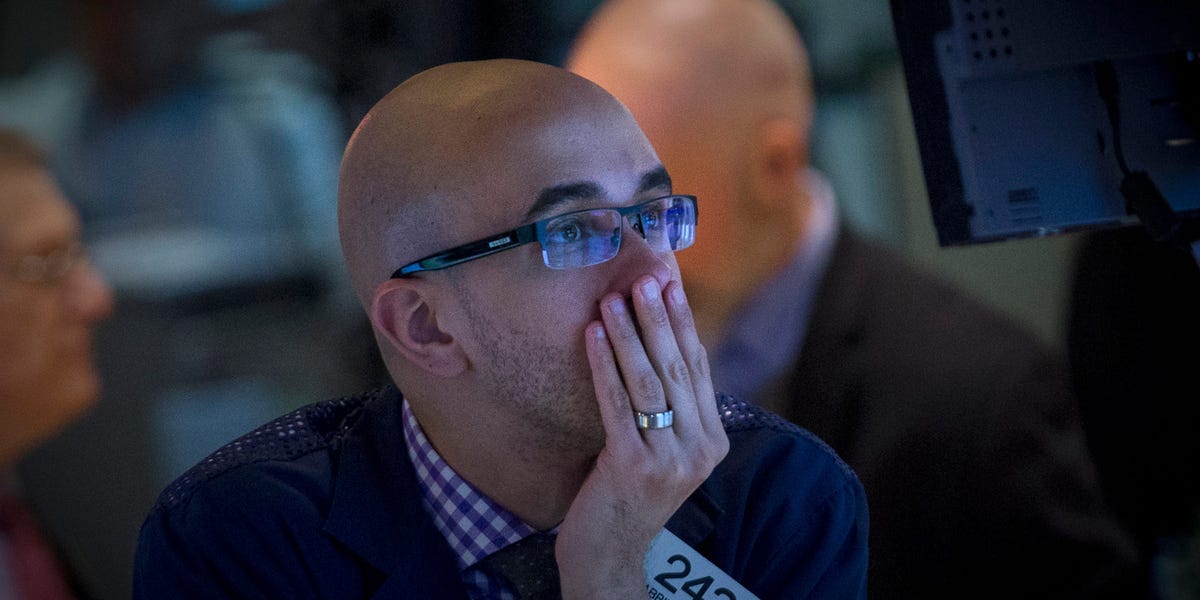
Private equity’s debt-fueled buying spree has left many portfolio companies as “zombies” that struggle to cover interest, a trend that could worsen as refinancing costs rise, potentially slowing deal activity and prompting restructurings across PE portfolios.
Venezuela faces a massive debt crisis with approximately $60 billion in defaulted bonds and total external liabilities around $150-$170 billion, complicated by legal claims, sanctions, and political instability, making restructuring efforts complex and lengthy, with potential recoveries estimated between 25-50 cents on the dollar.
Bank of America has warned that the US could experience a $46 billion wave of distressed high-yield debt in 2024 as defaults accelerate. The bank predicts that defaults could increase at a pace 1.5 times faster next year due to higher interest rates. The technology, media, and telecom sectors are expected to see the most defaults, followed by the health and cable sectors. Experts have also warned of a wave of bankruptcies and defaults, with Fitch Ratings estimating a high-yield bond default rate of 4.5% to 5% by the end of this year and Charles Schwab predicting a peak in total US bankruptcies and debt defaults in early 2024.
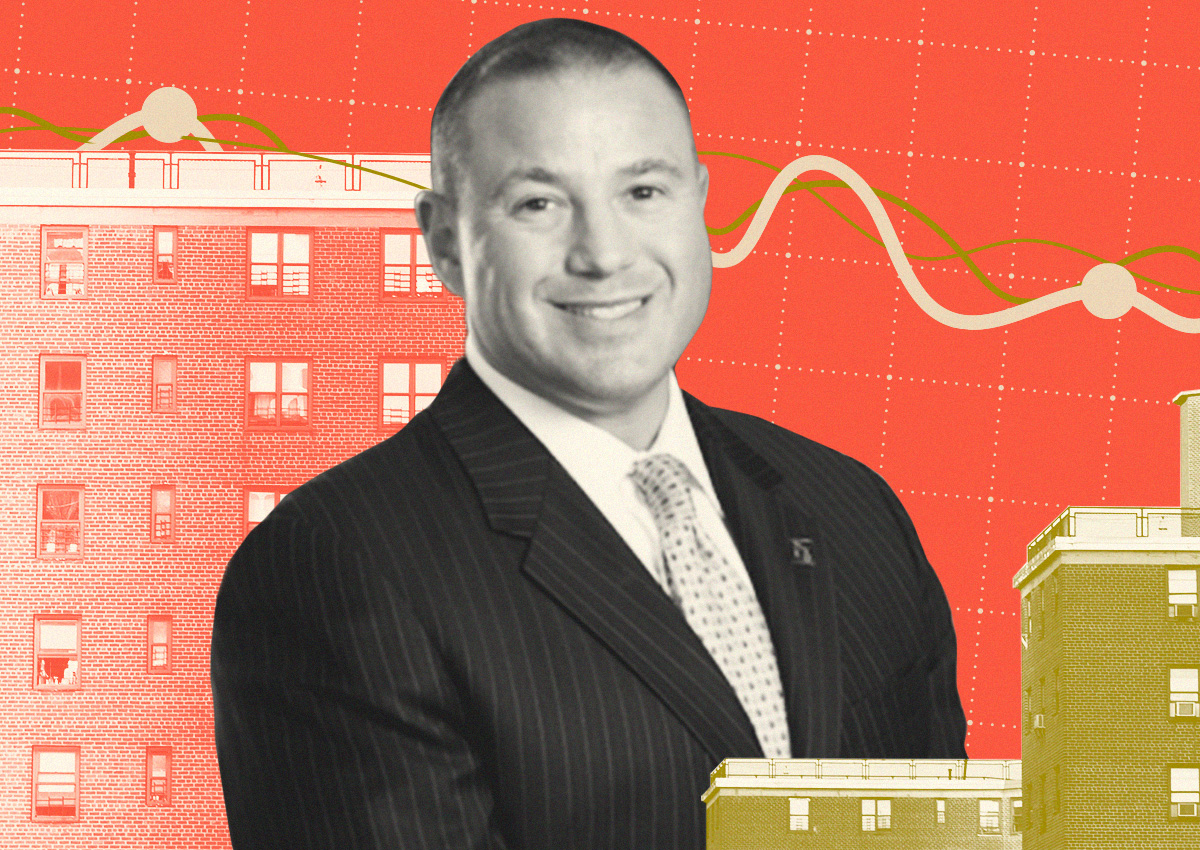
New York Community Bank (NYCB) reported an increase in distressed debt in the second quarter of 2023, primarily driven by multifamily mortgages and non-real estate loans. The uptick in delinquencies was attributed to the bank's recent acquisitions, including its merger with Flagstar Bank and the purchase of post-collapse Signature Bank loans. While NYCB emphasized the health of its original loan book, multifamily delinquencies have been on the rise, particularly among rent-stabilized landlords. Additionally, commercial real estate loans have also seen an increase in delinquencies, with office loans being a significant concern. Despite these challenges, NYCB's acquisition of Signature Bank helped boost profits in the second quarter.