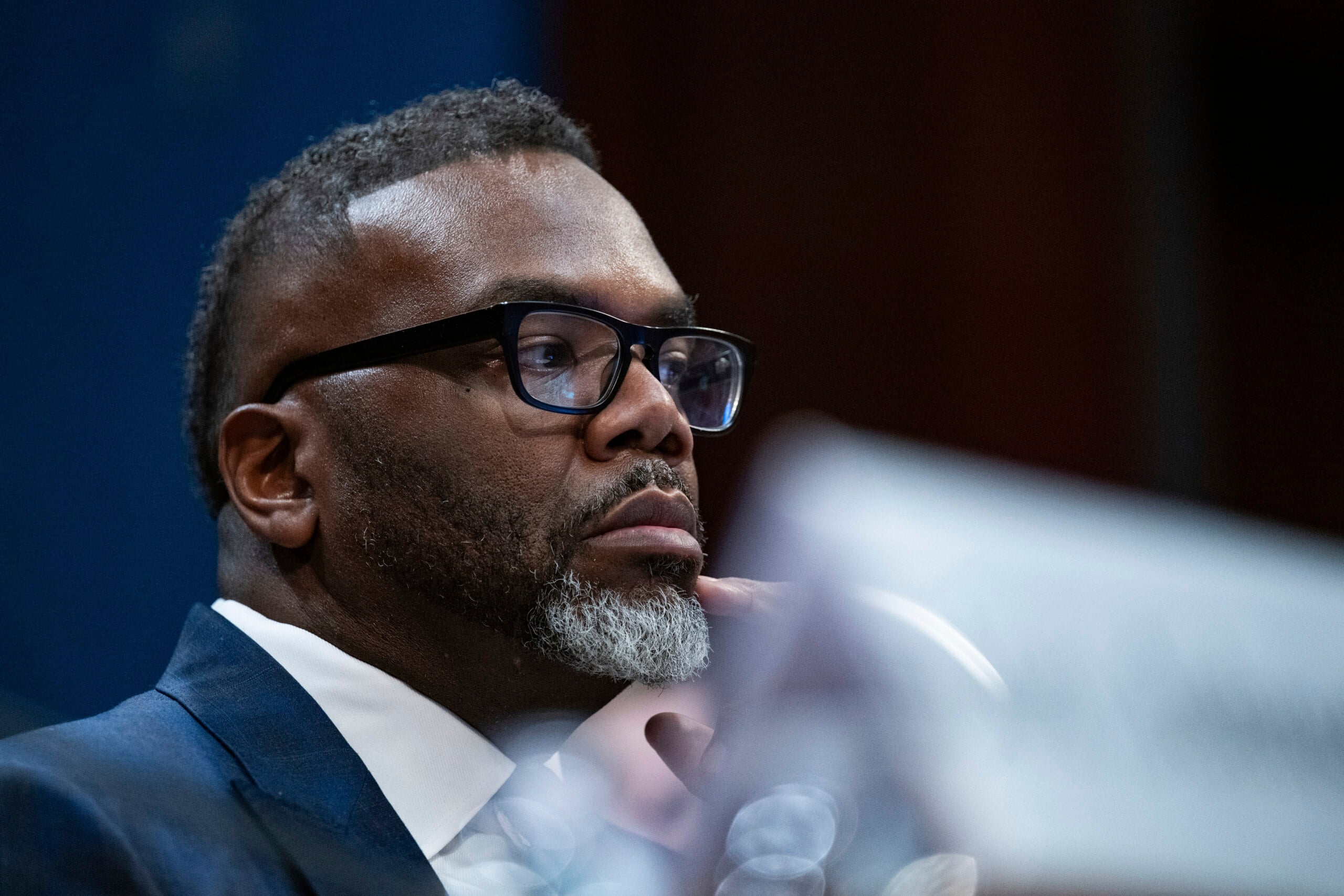
Chicago's $16.6 billion 2026 budget was approved after Mayor Brandon Johnson chose not to veto it, despite disagreements over tax proposals and budget priorities. The budget relies on tax hikes, borrowing, and revenue from debt collection, while sidestepping some of the mayor's initiatives like the head tax. It includes full pension payments and aims for cost savings, but remains heavily dependent on short-term fixes and increased taxes that could hinder economic growth. Future reforms are needed to ensure fiscal stability.
Republican leaders are taking a high-stakes gamble by relying solely on passing a comprehensive bill to raise the debt limit before the mid-July deadline, with no backup plan in place, risking a potential default if they fail to do so.
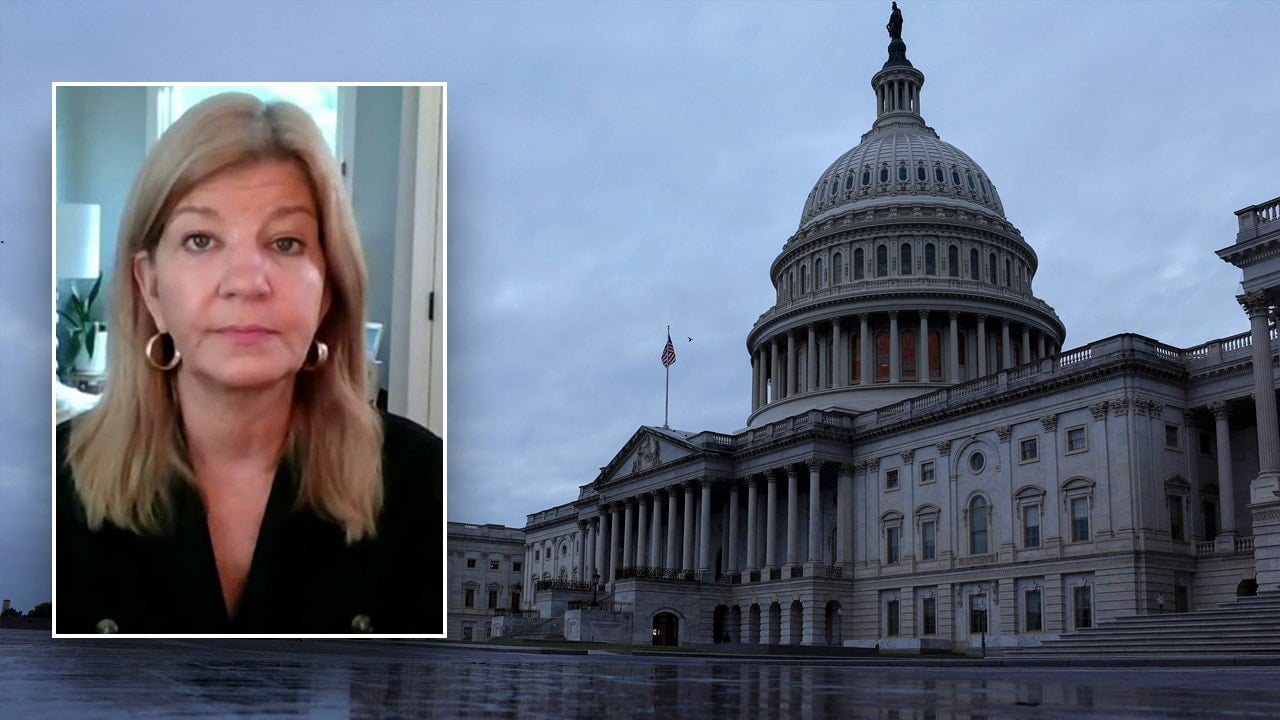
The chances of a government shutdown have risen to almost 90%, according to the Committee for a Responsible Federal Budget. Congress is running out of time to pass a funding bill before the deadline of September 30, risking federal workers going without pay. Committee President Maya MacGuineas suggests a short-term continuing resolution to buy more time for negotiations, but House Republicans are divided over its duration and whether other provisions should be attached. MacGuineas argues for a "clean" continuing resolution to address issues separately and calls for a rethinking of the country's budget process.