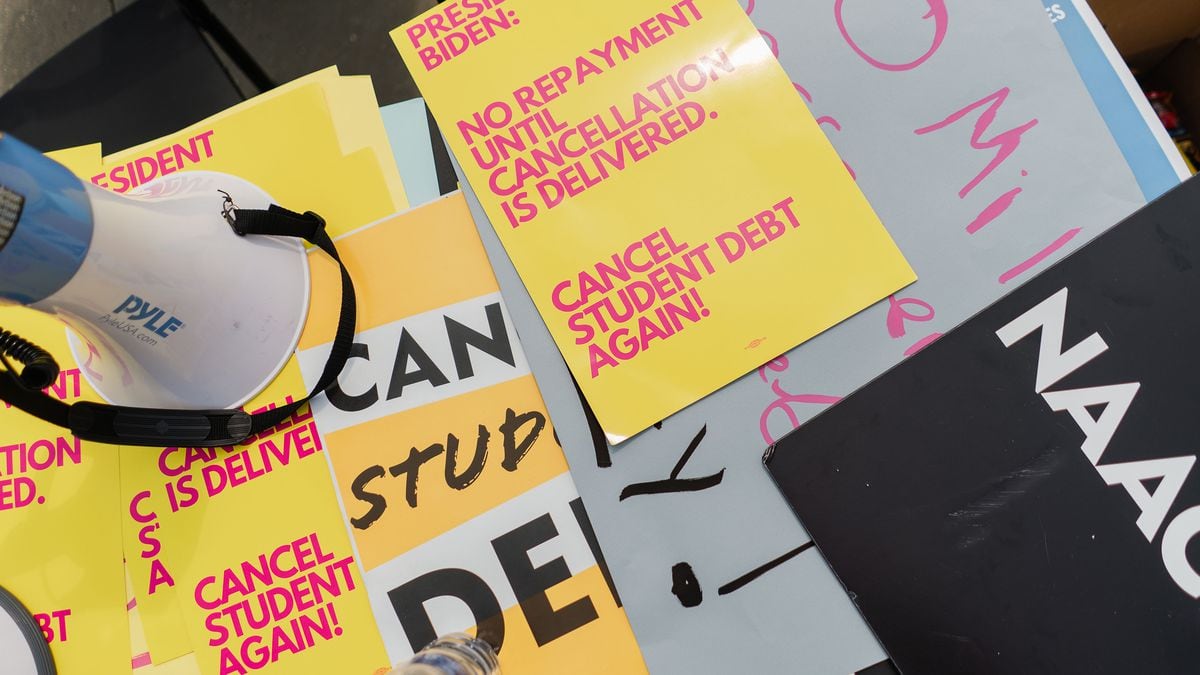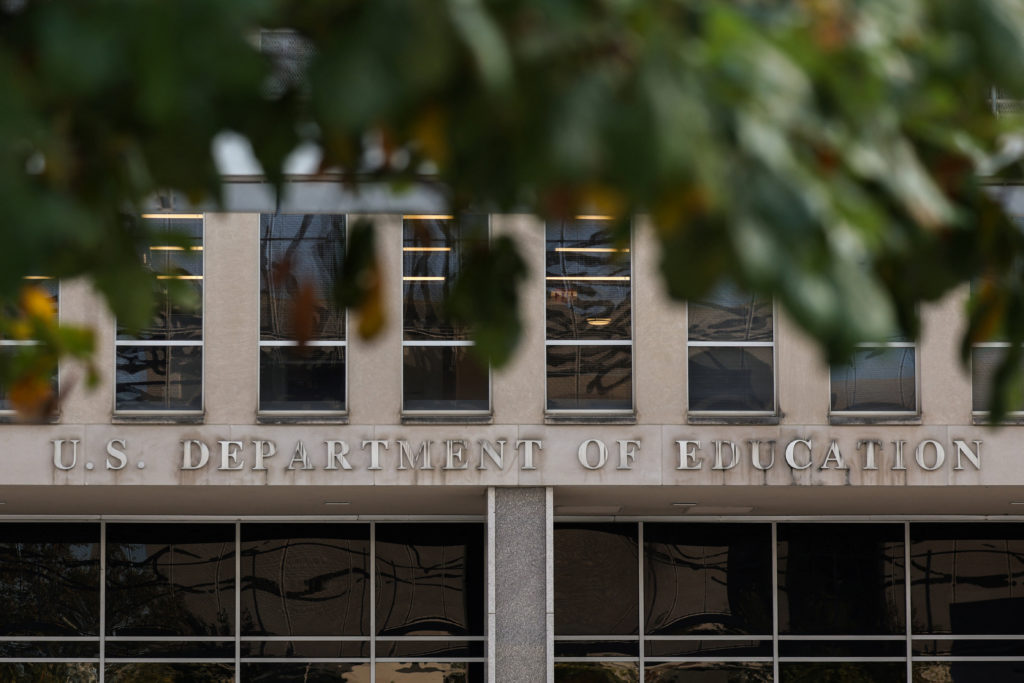
The Trump administration announced it will start garnishing wages of defaulted student loan borrowers early next year, beginning with notices to about 1,000 borrowers in January, as part of efforts to recover debt after ending a pandemic-era payment pause. Critics argue this move is harsh amid economic struggles, while the administration emphasizes providing notice and opportunities for repayment.
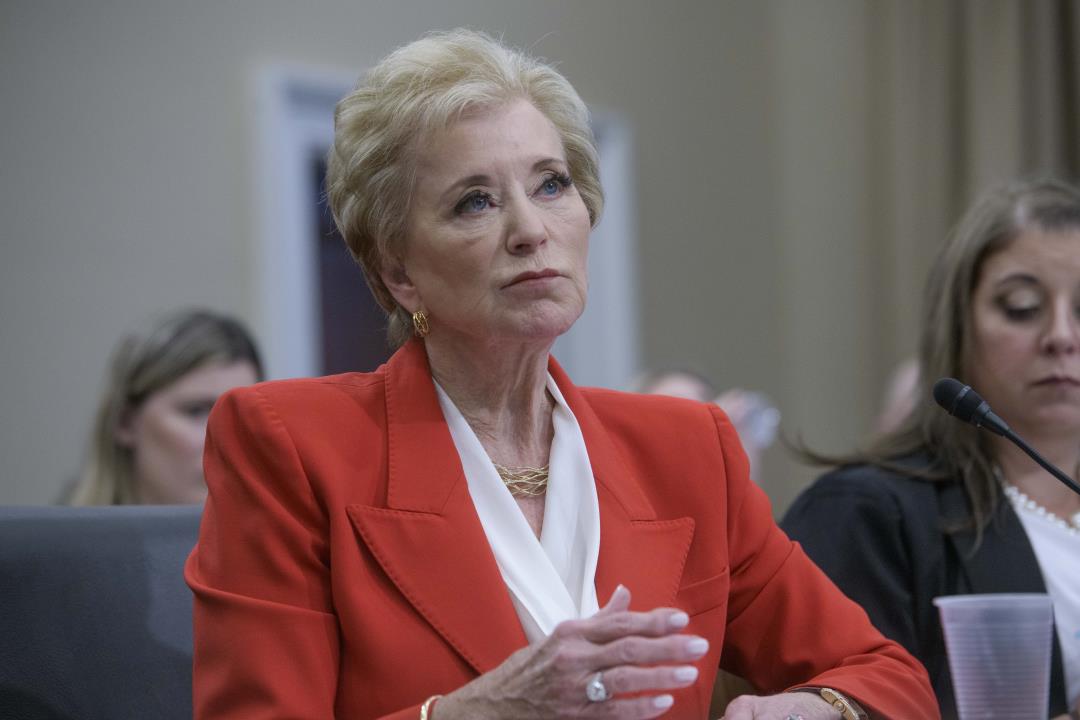
Nearly 2 million federal student loan borrowers could face wage garnishment this summer due to missed payments after pandemic relief ended, with defaults rising and credit scores dropping, prompting warnings from the Education Department and highlighting the ongoing debt crisis.
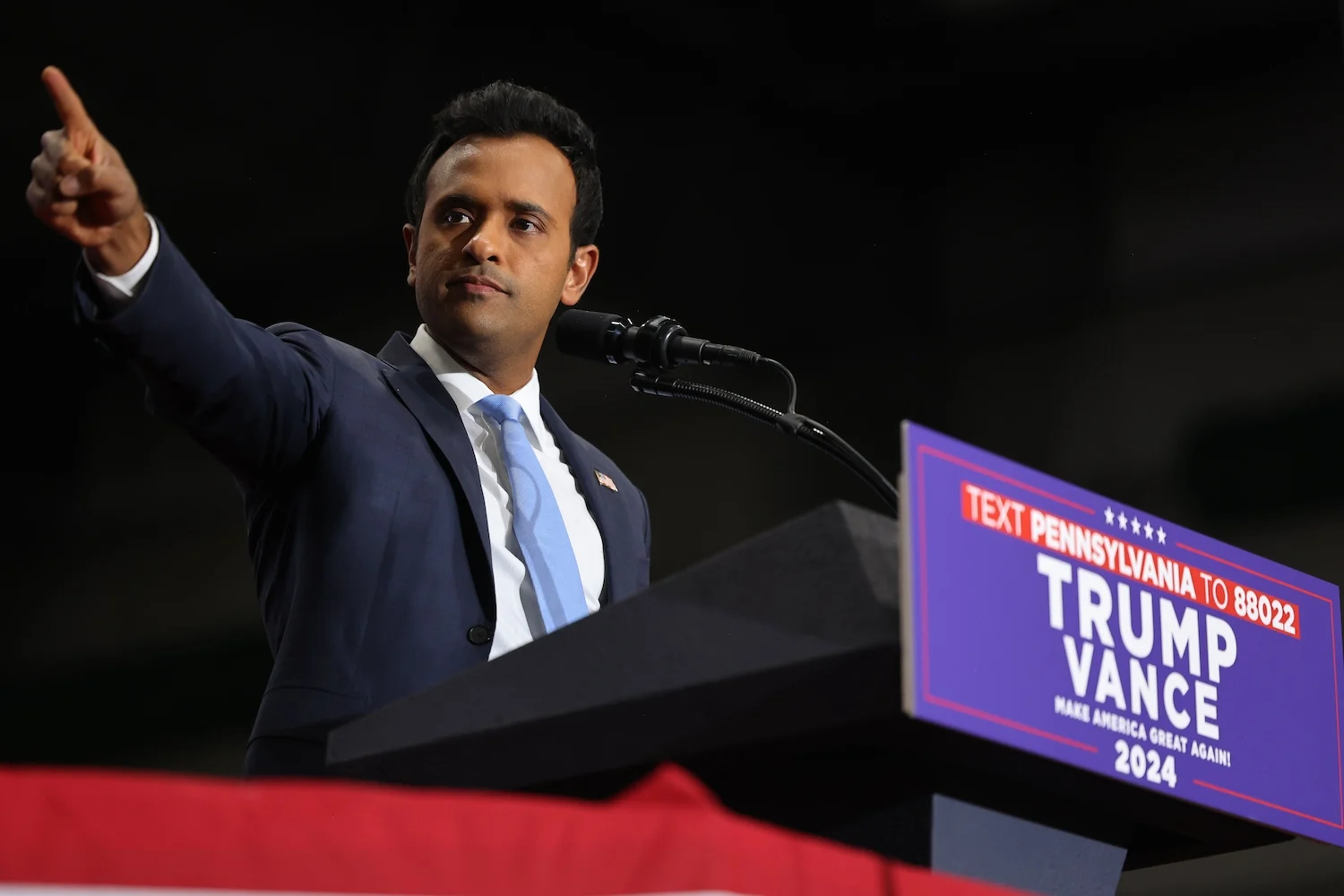
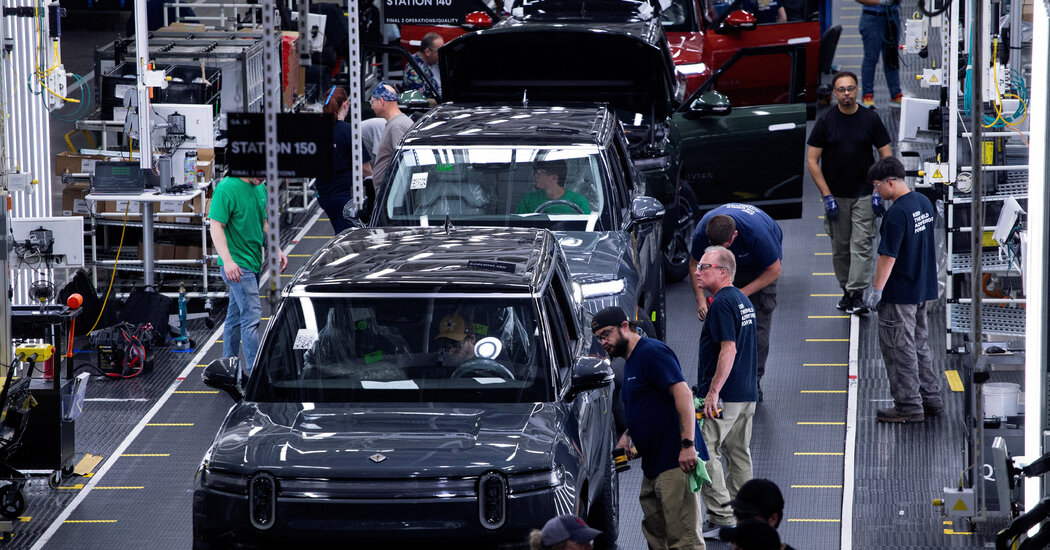
Vivek Ramaswamy, a colleague of Elon Musk in the Department of Government Efficiency (DOGE), criticized recent federal loans to Tesla's competitors, Stellantis and Rivian, labeling them as part of a "midnight spending spree" by the outgoing Biden administration. Ramaswamy vowed that DOGE would scrutinize these transactions, raising concerns about potential favoritism towards Musk's Tesla. Critics argue that DOGE could be used to benefit Musk's businesses by targeting rivals under the guise of cutting government waste.
Vivek Ramaswamy, a tech billionaire, has vowed to scrutinize federal loans given to electric vehicle manufacturers other than Tesla, under the Inflation Reduction Act. This comes as the U.S. Department of Energy announced a $7 billion loan to Indiana-based battery plants and a $6 billion commitment to Rivian in Georgia. Ramaswamy's stance aligns with Elon Musk's criticism of federal aid to his EV competitors. However, a Goldman Sachs survey suggests skepticism about the effectiveness of Ramaswamy's efforts, with many investors doubting significant spending cuts will be achieved.
Vivek Ramaswamy, appointed to lead the Department of Government Efficiency (DOGE) alongside Elon Musk, announced plans to scrutinize federal loans to Tesla rivals Stellantis and Rivian. The Biden administration's recent approval of loans for battery factories and an EV plant has sparked criticism from Ramaswamy, who labeled the loans as "illegitimate" and called for their rescission. Concerns arise over potential interference by Musk, who supports cutting EV tax incentives that could disadvantage Tesla's competitors. DOGE aims to reduce government spending and workforce.
The U.S. government is set to provide $13 billion in federal loans to support electric vehicle (EV) projects, aiming to boost clean energy infrastructure and accelerate the transition to sustainable transportation.
With federal parent PLUS loan interest rates set to soar to 9.08% for the 2024-25 academic year, experts suggest families consider private loans, which may offer significant savings despite potential downsides like lack of forgiveness and income-driven repayment plans. Private loans can sometimes save tens of thousands over the life of a loan, but eligibility depends on credit profiles. Families should still prioritize subsidized federal loans if eligible and shop around for the best private loan rates.
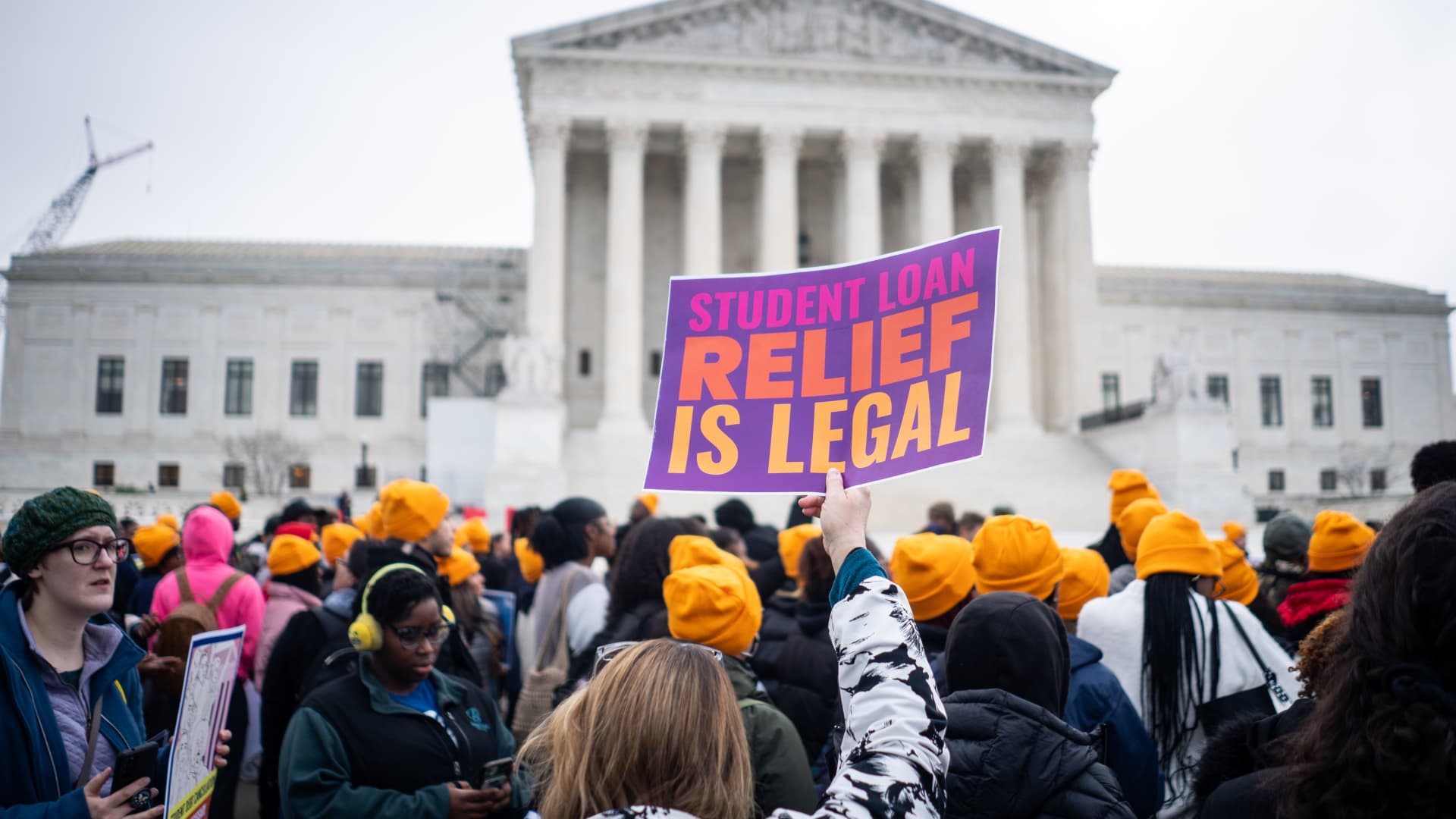
The U.S. Supreme Court ruled against President Joe Biden's debt relief program, stating that Congress needed to approve such an action for it to be legal. As a result, Florida's $100 billion student debt, the third largest in the nation, will resume accruing interest in September, with payments resuming in October. Efforts to trim back the amount owed have failed, leaving borrowers to face the consequences of non-payment.
The federal student loan payment pause will end on September 1, and payments will be due in October. Borrowers can prepare by checking their budget, getting in touch with their loan servicer, and making arrangements to pay. Income-driven repayment plans are available to all federal student loan borrowers, and borrowers can explore options to continue pausing their payments or enroll in a more affordable payment plan. The Biden administration maintains its legal authority to go through with its current agenda and says payments will resume this year.