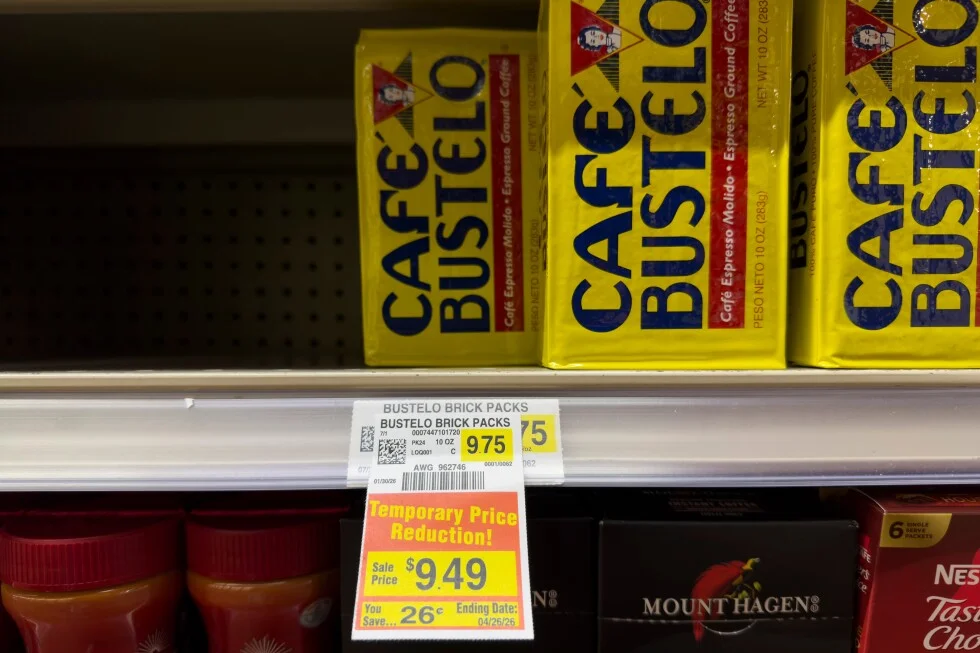
Rising coffee prices are forcing some Americans to alter their daily routines—buying cheaper brands, brewing at home more, or skipping their usual cup—highlighting how inflation is reshaping consumer spending on everyday beverages.
BuzzFeed compiles a humorous list of 27 everyday actions that are technically legal but widely considered rude, from blasting music on public transport to blocking exits, cutting lines, hogging parking spots, and other small-yet-annoying behaviors. Drawn from reader contributions, the article highlights how opting for convenience or self-interest in common situations can earn you social disapproval, even when you’re not breaking any laws.
The article discusses the decline of print newspapers like the Montana Standard and their impact on daily life and culture, highlighting how these objects have historically served multiple practical and sentimental purposes beyond just delivering news, and how their disappearance is altering social habits and memories.
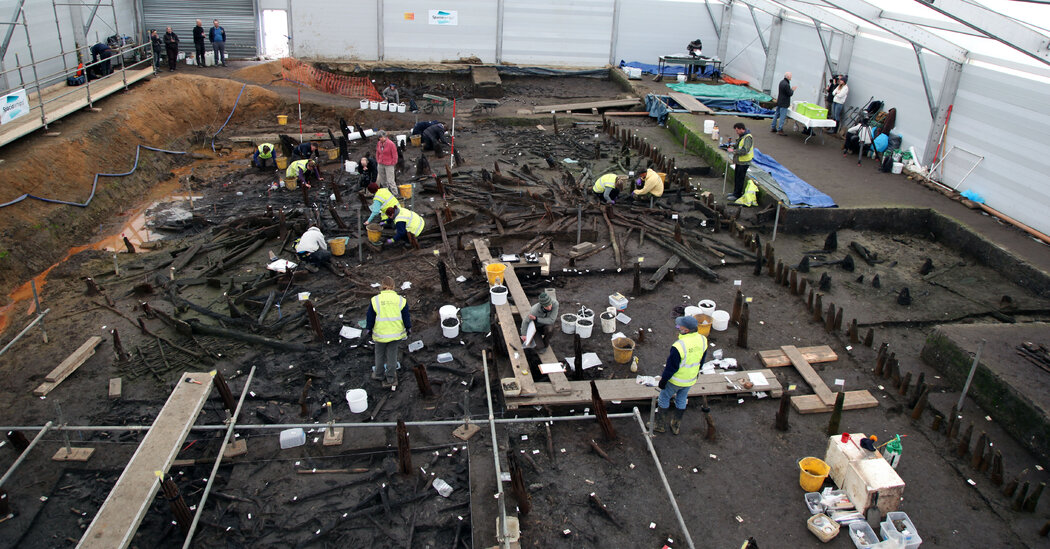
The superbly preserved remains of a Bronze Age settlement at Must Farm Quarry in eastern England offer a detailed glimpse into the daily life of a prosperous farming community around 850 B.C. The settlement, built on wooden stilts above a river channel, was abruptly destroyed by a catastrophic fire, leaving behind a wealth of artifacts and insights into the domestic life of the time. The excavation and subsequent studies provide a comprehensive record of this frozen moment in time, shedding new light on Britain's Bronze Age and challenging traditional views of the era.
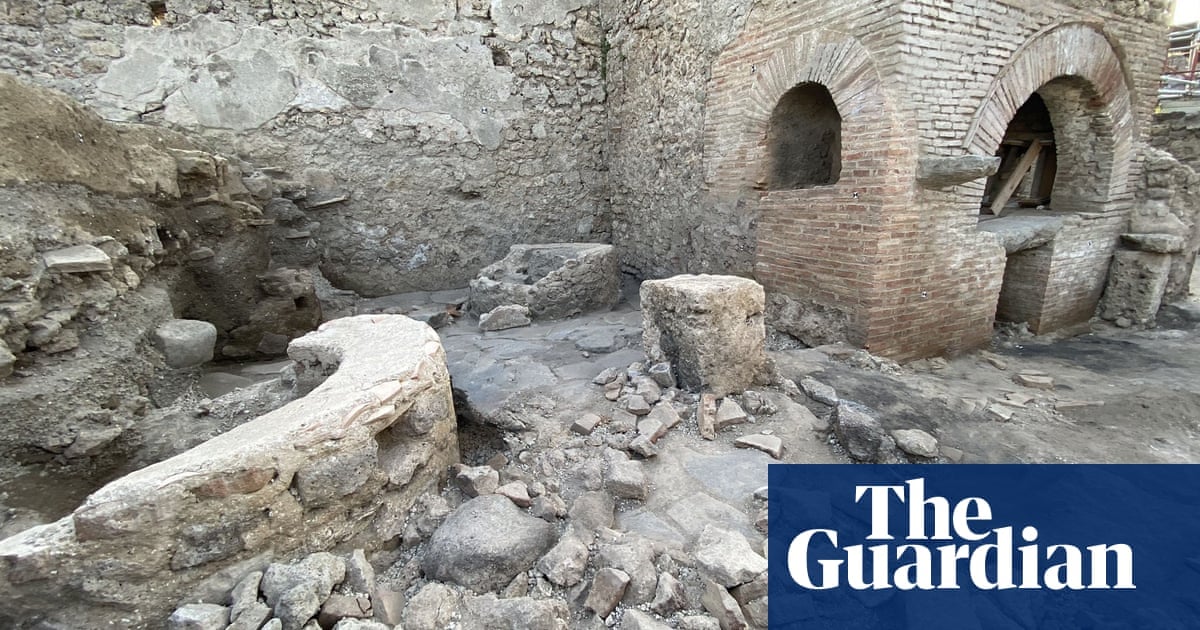
Archaeologists have uncovered a bakery in the ruins of Pompeii that served as a shocking example of Roman slavery. The cramped bakery, part of a home in the Regio IX area, contained small windows barred with iron and markings used to coordinate the movement of enslaved workers. The discovery sheds light on the forgotten daily lives of Pompeii's enslaved population, who made up the majority of the city's inhabitants and played a crucial role in its economy and culture. The bakery's isolation and restrictive layout highlight the brutal nature of ancient slavery. The findings add to previous discoveries of rooms inhabited by enslaved people and a tomb of a former enslaved person at Pompeii. An exhibition dedicated to the enslaved people of Pompeii will open in December.
A collection of 16 photos from the subreddit r/mildlyinfuriating showcases the downsides of living with a significant other, including messy packing, delays, unhelpful shopping advice, excessive hair in the shower, neglecting toothbrush hygiene, odd habits like putting used matches back in the box, and forgetting to buy essential items. These humorous examples highlight the annoyances that can arise when sharing a living space with a partner.
Aligning your eating habits with your internal clock, known as chrononutrition, can optimize your health. Two tips for improving your food clock include eating mostly during the day and consuming the majority of your calories before mid-afternoon.
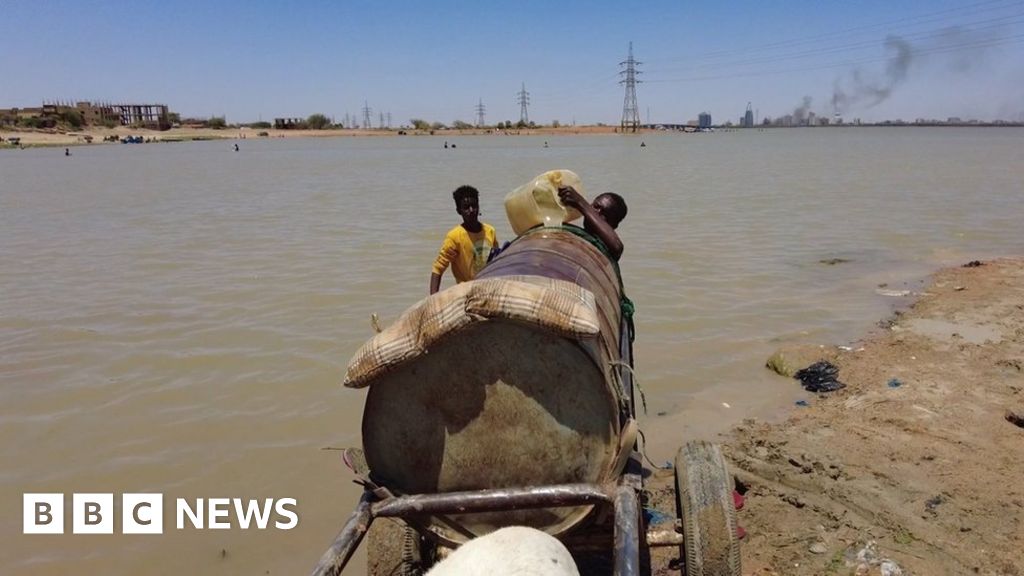
As fighting continues in Sudan's capital, Khartoum, many families are running out of water and food due to the bombing of key infrastructure. With no running water, people are flocking to the River Nile to collect water for drinking and other purposes. Although some neighborhoods still have access to water, many are boiling the Nile water before consuming it. A report by Unicef and the Sudanese government in 2017 warned of increasing water-related health risks due to the lack of drinking water and sewage or agriculture drainage water treatment.
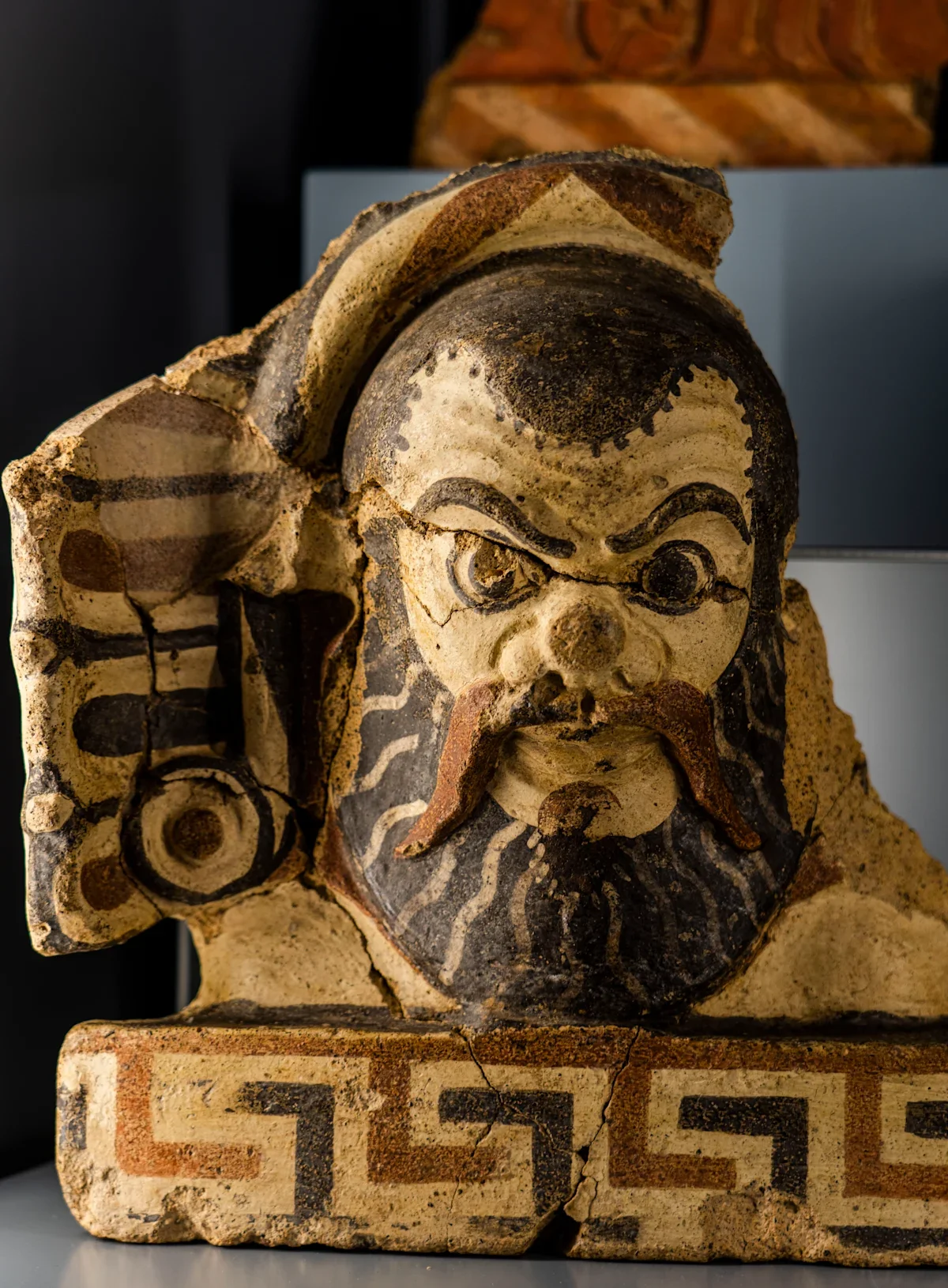
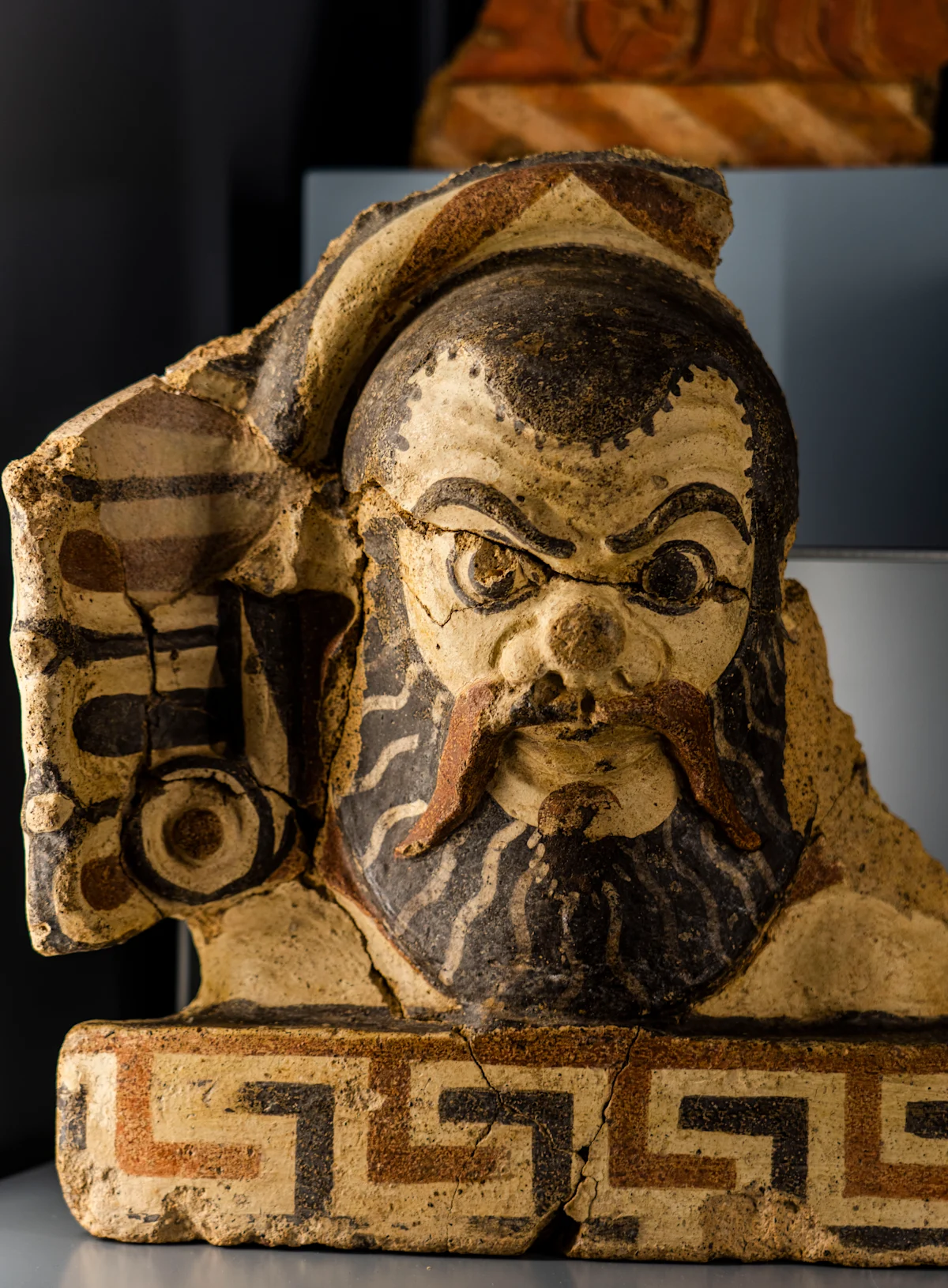
Hundreds of ancient Roman artifacts, including colored dice, rain gutter decorations, and a 3,000-year-old burial offering, have been taken out of storerooms and put on display in the Roman Forum, Colosseum, and Palatine Hill. The exhibits include a well-preserved skeleton from the 10th century B.C. and a decoration from a temple rain-gutter depicting a Silenus. The Colosseum's Archaeological Park is working to inventory the artifacts kept in over 100 storerooms, with the hope of making more objects visible to the public in the future. Visitors can view the current exhibition during guided tours.
Hundreds of ancient Roman artifacts, including colored dice, rain gutter decorations, and burial offerings, have been taken out of storerooms in Rome and put on display for a limited time at the Roman Forum, Colosseum, and Palatine Hill. The exhibits include a well-preserved skeleton from the 10th century B.C. and many other items that tell the story of daily life in ancient Rome. Visitors can view the artifacts during 90-minute guided tours, but reservations are required due to limited space.
Hundreds of ancient Roman artifacts, including colored dice, rain gutter decorations, and burial offerings, have been put on display at the Roman Forum, Colosseum, and Palatine Hill. The exhibits were plucked from storerooms in Rome, where many more artifacts are still kept. Visitors can view the artifacts during 90-minute guided tours, but reservations are required due to limited space. The initiative aims to make objects that tell a story of daily life come to light for the public.
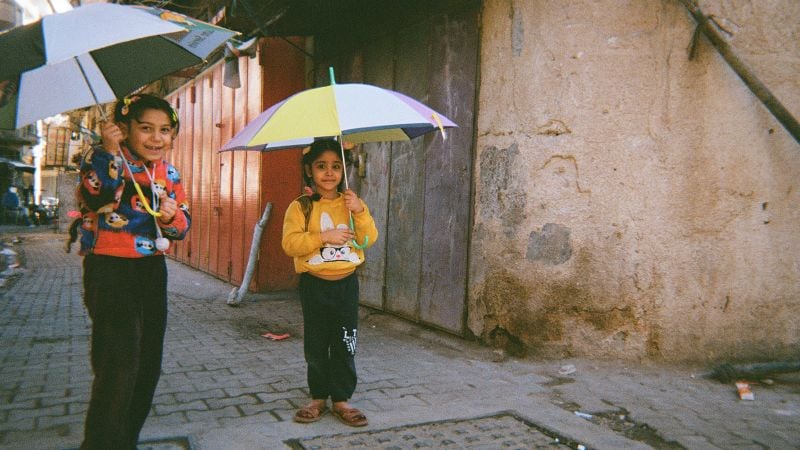
Ordinary citizens in Iraq were given disposable cameras to capture daily life 20 years after the US invasion. The photos show a return to normalcy despite old wounds, but also visible scars and cities left in disrepair. Many of the photographers expressed wanting to show their country in a new light and send a message to the world that Iraqi people love peace and want to live in peace.