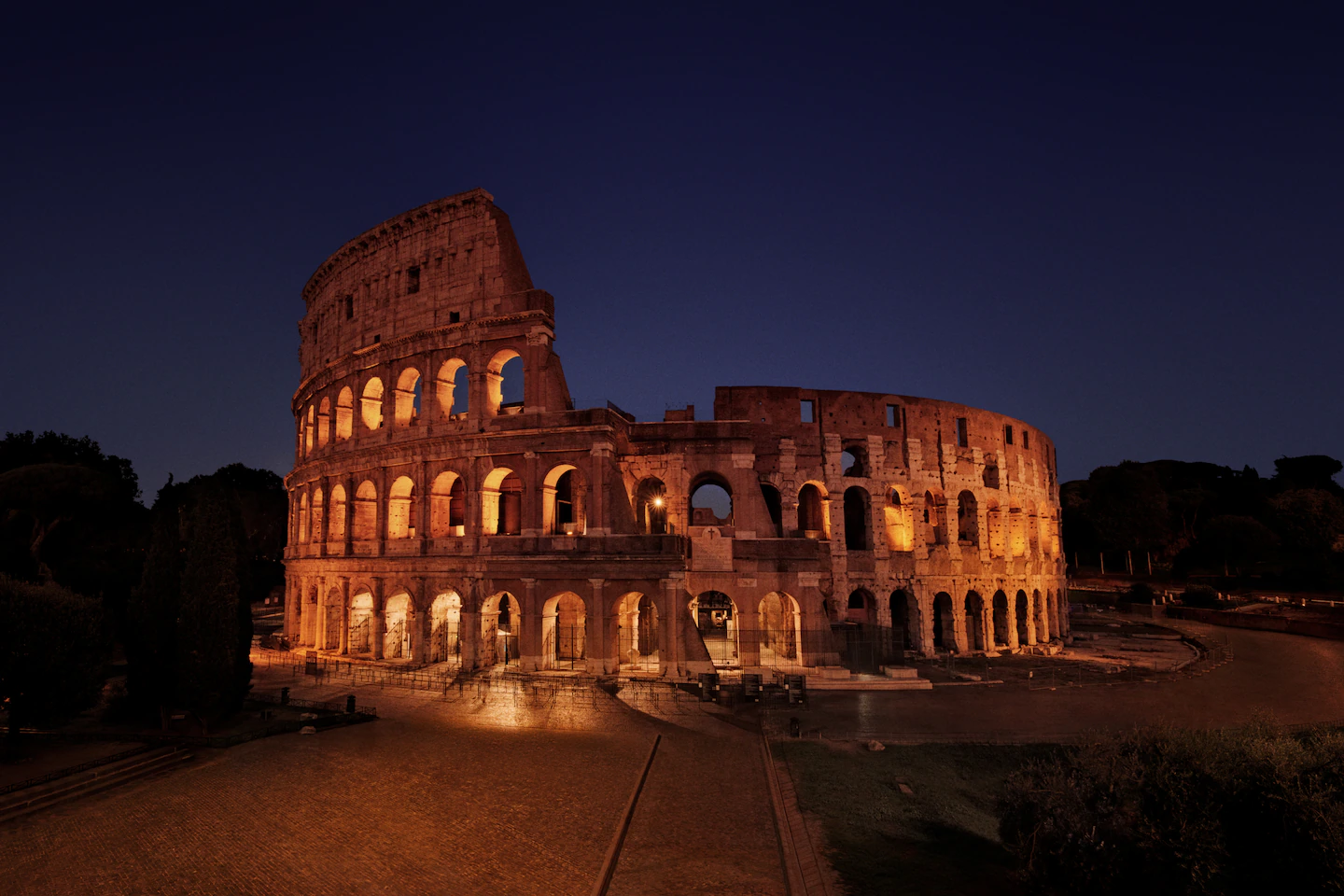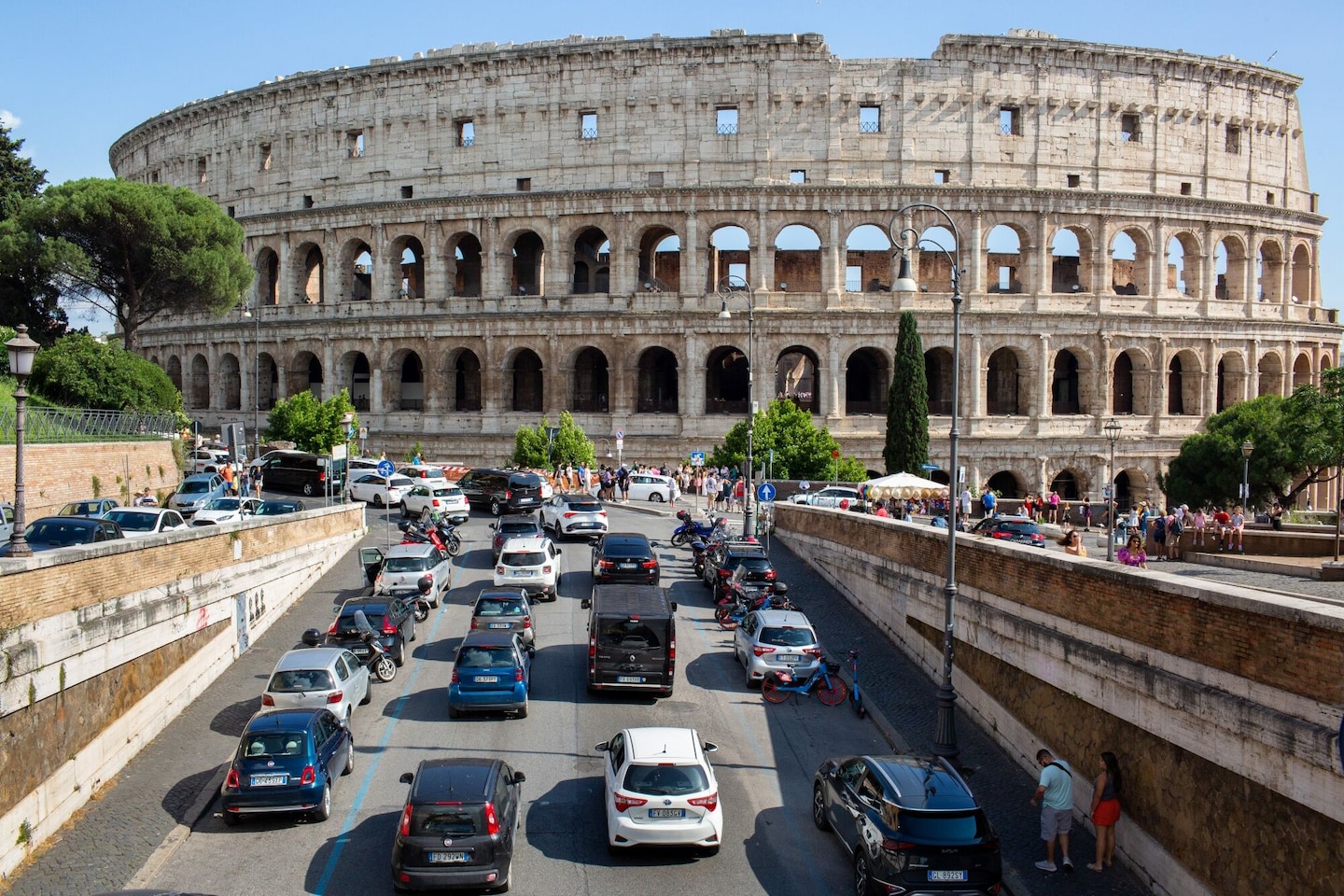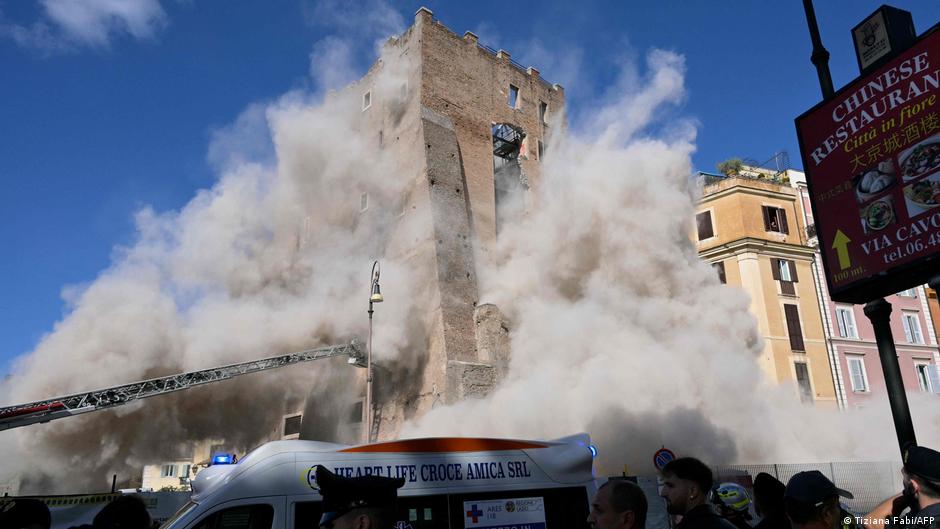
A medieval tower near the Colosseum in Rome partially collapsed, trapping a worker and injuring another during restoration work. Rescuers faced complex challenges in reaching the trapped worker, with efforts ongoing. The tower, part of Rome's historic medieval structures, has a history of damage from earthquakes.
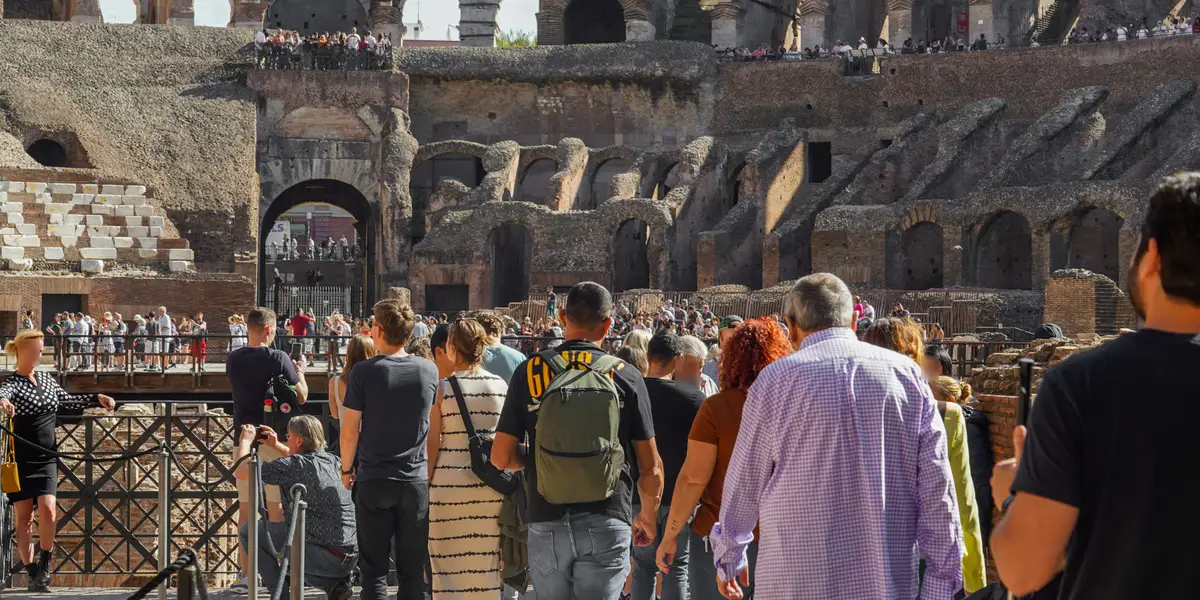
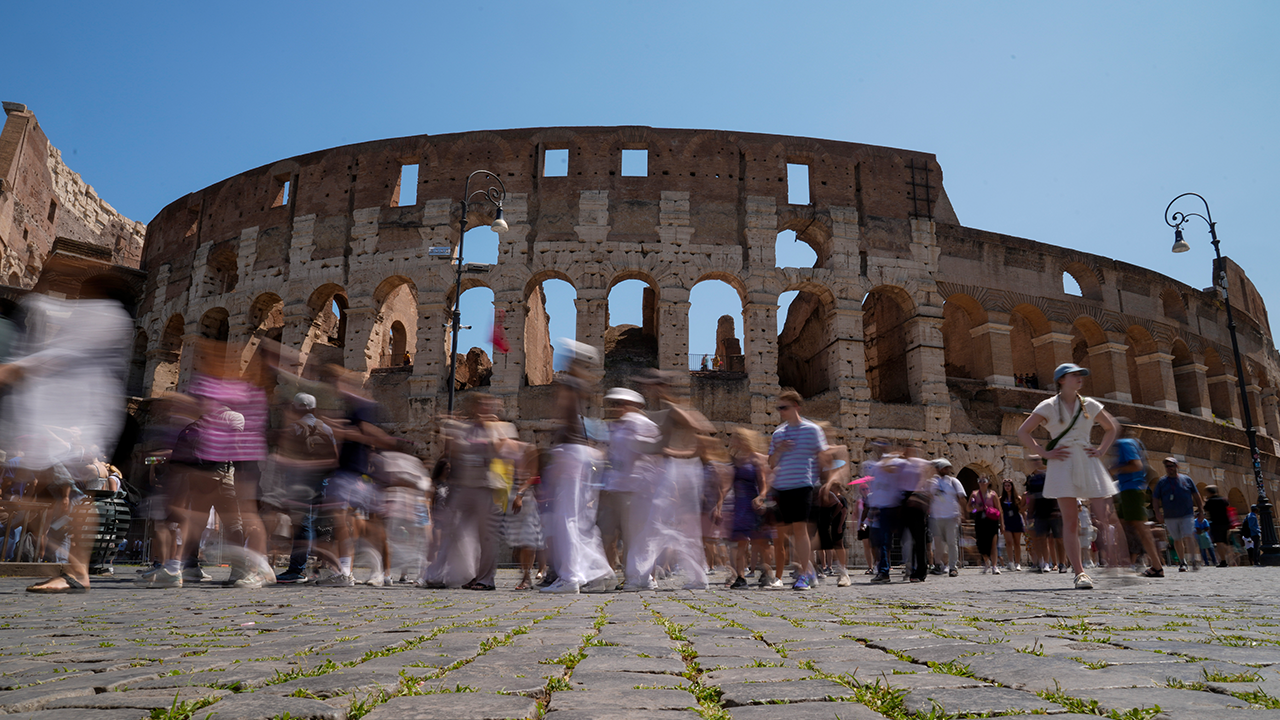
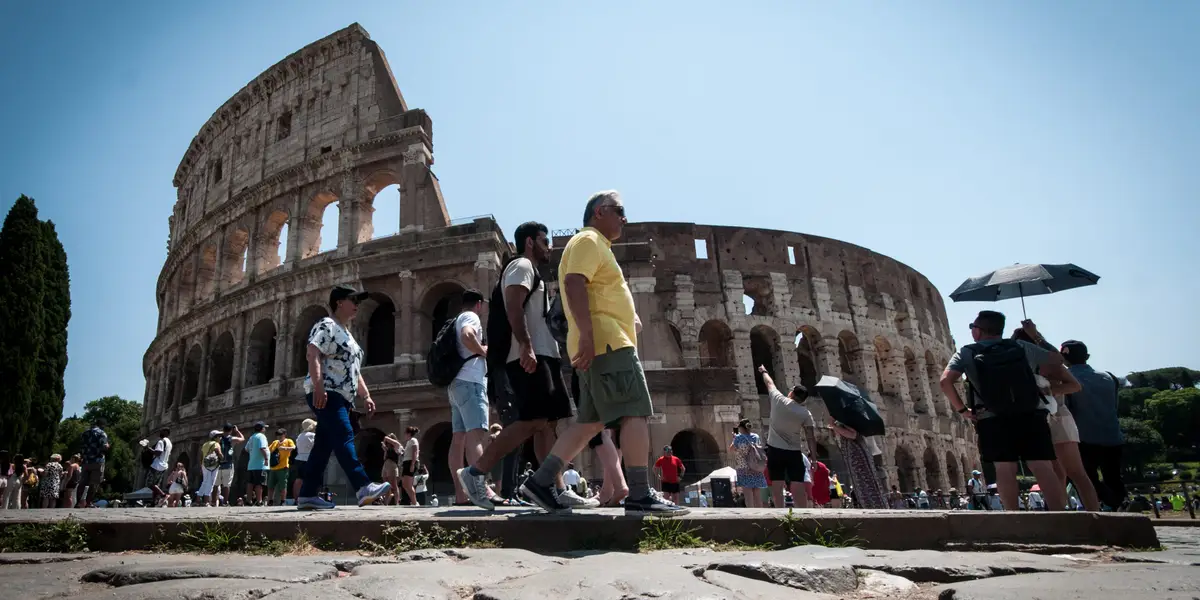
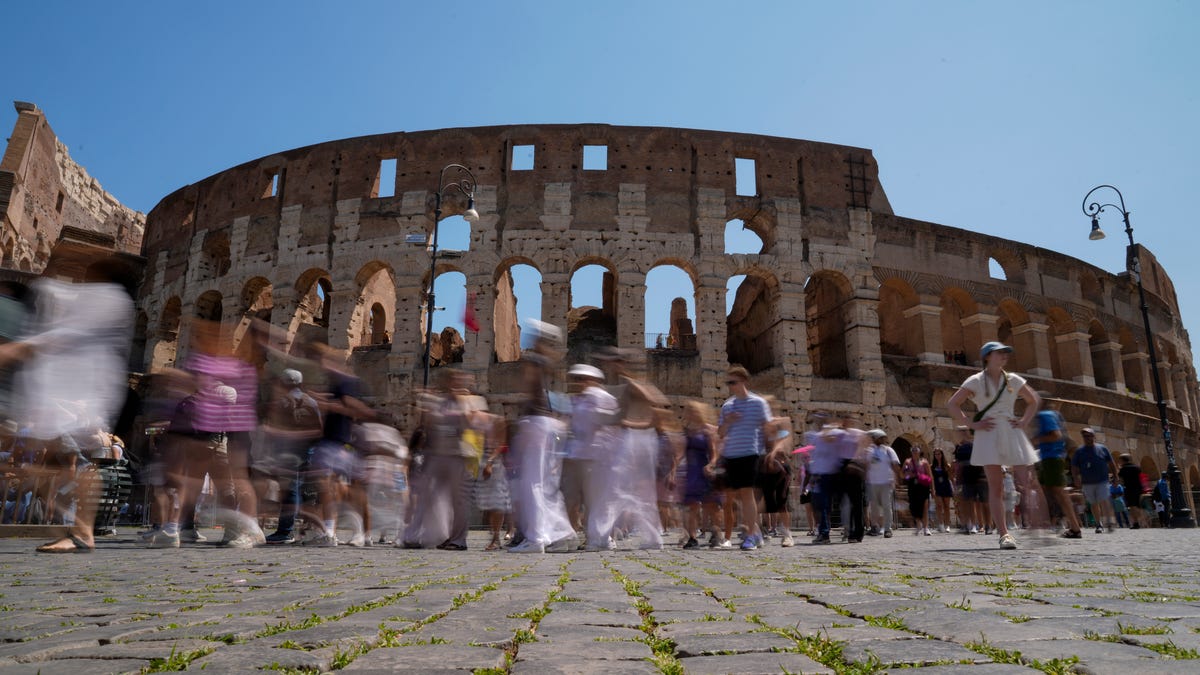
A visitor's experience at the Colosseum in Rome highlights overwhelming crowds and a feeling of being in a tourist trap, despite efforts to avoid crowds and using skip-the-line tickets, revealing the challenges of visiting popular historical sites during peak times.
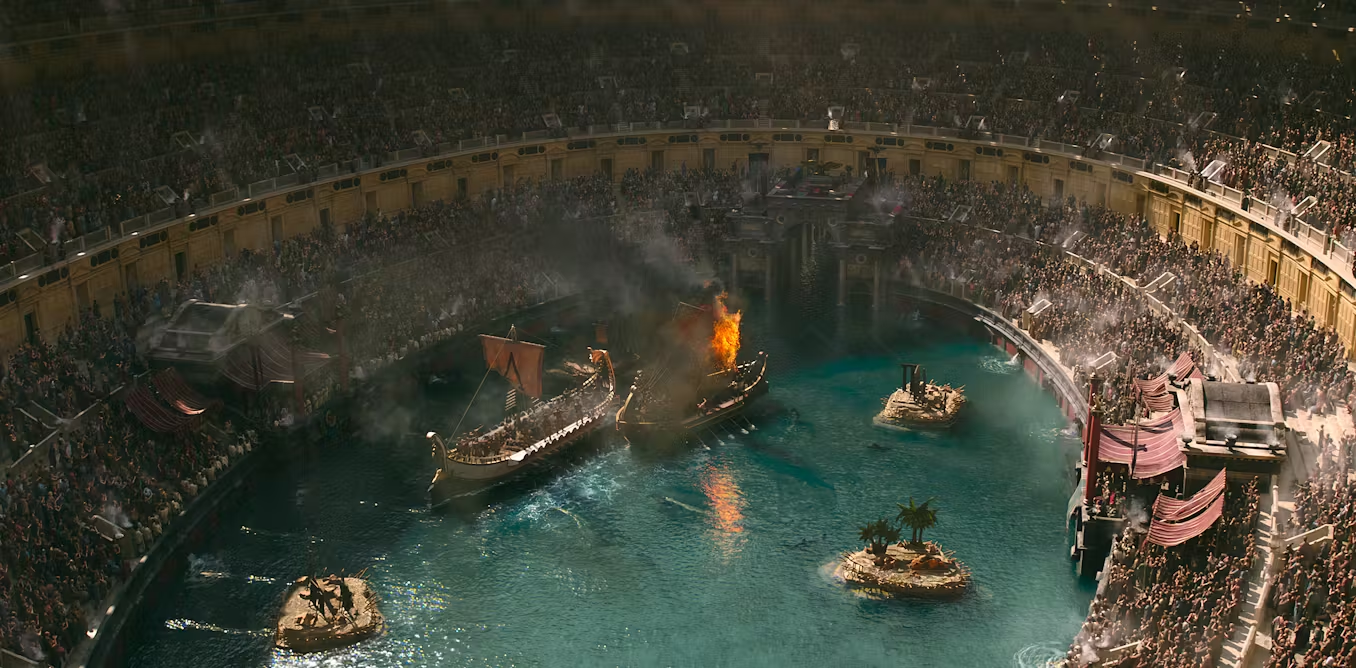
Ridley Scott's "Gladiator II" features a scene where the Colosseum is filled with water and sharks for a mock sea battle, raising questions about historical accuracy. While the film takes creative liberties, the concept of staging sea battles, known as "naumachia," in flooded amphitheaters like the Colosseum is historically accurate. However, there is no evidence that sharks were ever used in these events.
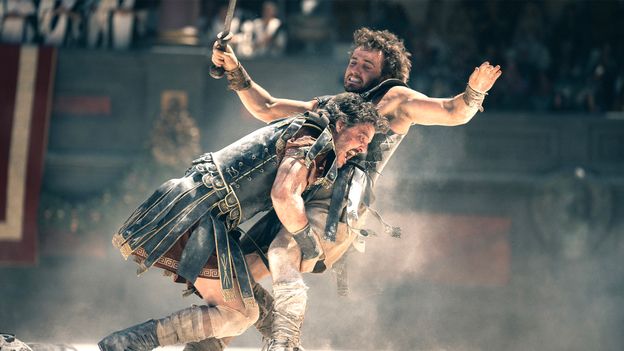
Ridley Scott's "Gladiator II" has faced criticism for its historical inaccuracies, with experts pointing out deviations from Roman history, such as the portrayal of naval battles in the Colosseum and the depiction of gladiator fights. Despite these inaccuracies, historical consultant Alexander Mariotti argues that the film's impact on audiences and tourism outweighs the need for strict accuracy, likening Scott's approach to that of artists like Shakespeare. The film uses historical elements to craft an engaging narrative, connecting modern viewers to ancient Roman culture.
Airbnb's plan to offer a "gladiator experience" at Rome's Colosseum, in promotion of "Gladiator II," has sparked controversy among cultural officials who argue it trivializes the historical significance of the site. Critics, including Rome's councillor for culture, fear it could turn the monument into a theme park, while Airbnb defends the initiative as a way to support conservation efforts. The experience, which includes historical reenactments and a meal, is set to take place outside regular visiting hours and aims to respect the site's heritage.
A controversial deal between Airbnb and the Colosseum Archaeological Park in Rome has sparked outrage among local officials and cultural advocates. The $1.5 million agreement allows 16 tourists to participate in a "gladiator" experience at the historic site, coinciding with the release of "Gladiator II." Critics, including Rome's councilor for culture, argue that the promotion demeans the Colosseum's historical significance and contributes to the city's overtourism issues. Supporters claim the event will enhance cultural appreciation and fund conservation efforts.
The upcoming film "Gladiator II" will feature a naval battle staged in the Colosseum, a spectacle that historically took place in ancient Rome. These events, known as naumachiae, were elaborate and brutal displays that involved flooding the arena to simulate naval warfare. The film aims to capture the grandeur and brutality of these historical spectacles.
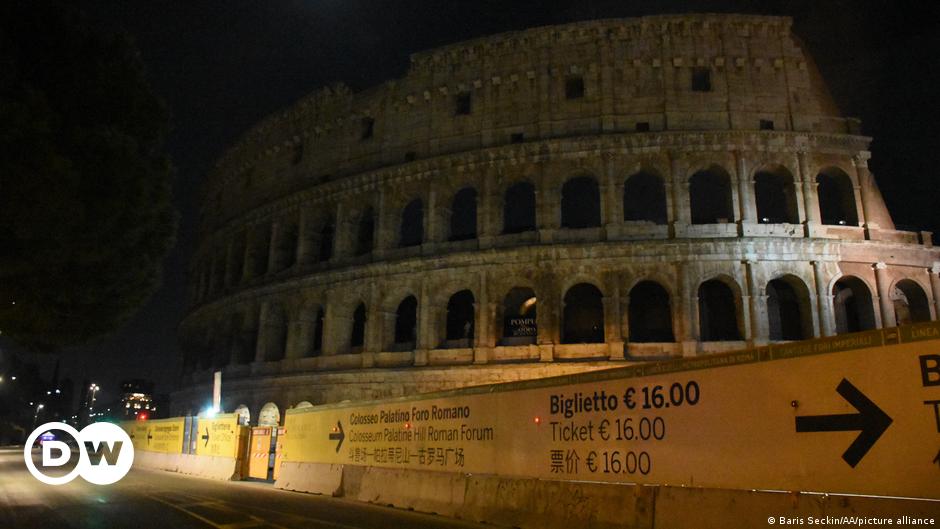
Airbnb is offering a unique Gladiator experience at the Colosseum in Rome for up to 16 guests, coinciding with the release of "Gladiator II." Although guests won't stay overnight, they can book a three-hour after-dark event on May 7 and 8, 2025, where they will explore the Colosseum's underground chambers and don gladiator armor. This marks the first time the historic site will be open to the public after dark for such an event. Booking opens on November 27, 2024.
The Roman Empire is filled with fascinating facts, including the legendary origins of Rome with the story of Romulus and Remus, the establishment of the city and its population growth through abducting women from a nearby tribe. Another interesting fact is the construction of the Colosseum by Emperor Vespasian as an apology gift to the people of Rome for the previous tyrant Emperor Nero, who is now being reconsidered by historians as not entirely evil.
A 17-year-old German tourist was caught defacing the Colosseum in Rome, making it the third act of vandalism against the World Heritage Site in recent weeks. The teenager was stopped by the Italian police and "administratively sanctioned." This incident follows a Swiss teen carving her initial into the monument and a British tourist carving names into the ancient walls. The Colosseum, a popular tourist attraction, has suffered damage from these acts of vandalism.
A Swiss teenager is under investigation by Italian police after a video surfaced of her carving the letter "N" into a wall of Rome's ancient Colosseum, just weeks after a British tourist was caught defacing the same structure. The incident has sparked outrage in Italy, where vandalism of ancient buildings has been an ongoing issue. The Colosseum, a UNESCO World Heritage Site, dates back to 72 AD and is considered a heritage of all humanity.
A Swiss teenager is under investigation for defacing the Colosseum in Rome by carving the letter "N" into the ancient structure. The incident was captured on video by a local tour guide, who reported the act to the teenager's parents. This comes less than a month after another tourist defaced the Colosseum with initials. The outcome of the investigation is still unclear, but similar incidents have resulted in fines and potential prison time.
An English tourist who was caught carving his name into the wall of the Colosseum in Rome has offered an apology, claiming he was unaware of the monument's antiquity. The tourist, identified as Ivan Danailov Dimitrov, now faces a fine of up to 15,000 Euros and up to five years in jail. His lawyer hopes to reach an agreement with the prosecutor for a limited and just sentence.
A tourist who defaced the Colosseum in Rome by scratching a love note into its walls has apologized, claiming he was unaware of the monument's historical significance. In a letter to the city's prosecutor and mayor, the tourist expressed remorse for his actions and acknowledged the damage caused to the UNESCO World Heritage site. His attorney has requested a plea bargain to avoid jail time, which is currently being negotiated. The penalties for the damage could include up to five years in prison and a fine of over $16,000.
An English tourist who was filmed carving a note into Rome's Colosseum has apologized, claiming ignorance of the monument's age. The man, identified as Ivan Danailov Dimitrov, expressed deep embarrassment and extended heartfelt apologies to Italians and the world for the damage done to the ancient heritage. The video of the vandalism went viral, leading Italian police to trace Dimitrov to his home in Britain. Vandalizing the Colosseum carries fines up to $15,000 and five years in prison. Dimitrov's lawyer hopes for leniency, suggesting that the act may have been seen as less severe in the tourist's home country.