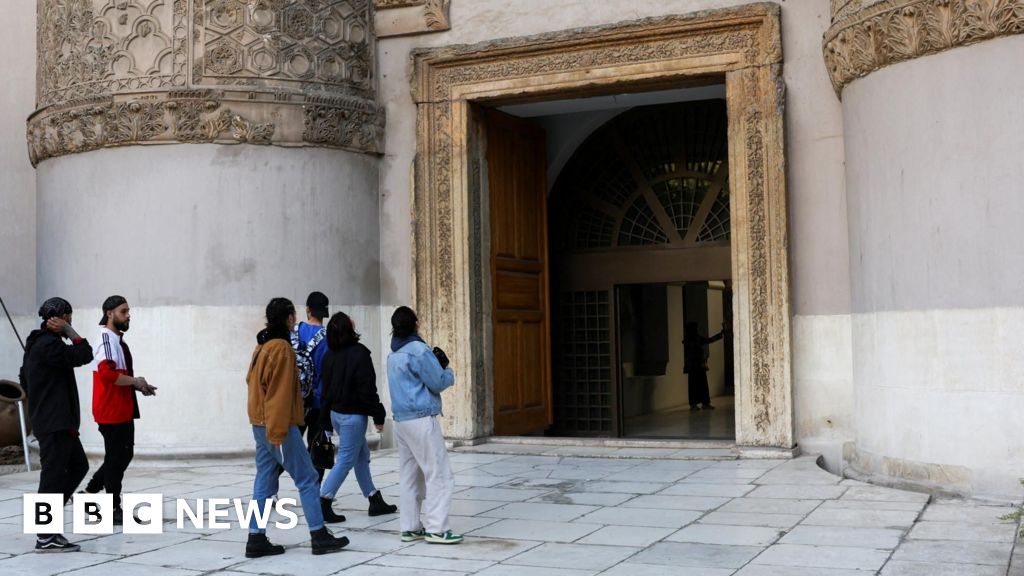
Thieves stole six marble statues from Syria's National Museum in Damascus, which houses significant artifacts from the Roman era and other ancient periods. The theft was discovered after a break-in, prompting an investigation and increased security measures. The museum, established in 1919, has a history of damage and looting due to the Syrian civil war, and the stolen items include rare archaeological pieces.

A collection of 33 extraordinary and rare historical pictures that offer unique insights into the past, including images of famous figures like Einstein and Howard Carter, significant events such as the Apollo 11 launch, and remarkable scenes from different eras and cultures.
Spanish researchers uncovered 650-700-year-old artifacts, including a sandal, in bearded vulture nests, revealing long-term reuse of nests and providing insights into vulture ecology and historical human interaction.
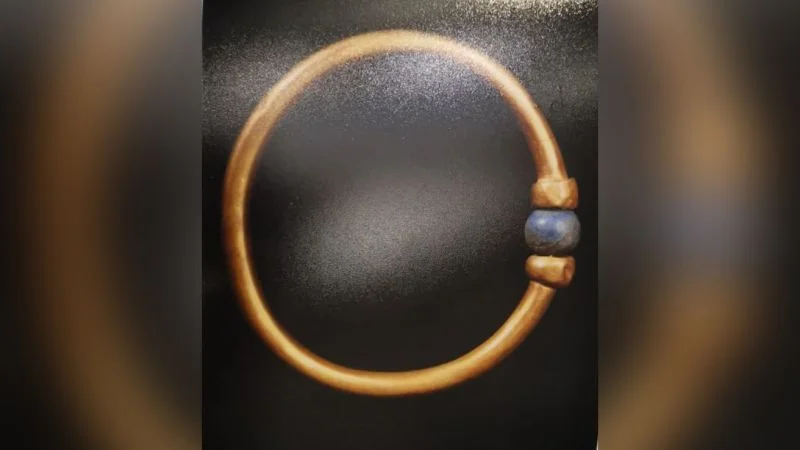
Egyptian authorities are searching for a 3,000-year-old gold bracelet once owned by Pharaoh King Amenemope, which has gone missing from the Cairo Museum's restoration lab. The bracelet, adorned with lapis lazuli, is being actively sought, with efforts to prevent smuggling and ongoing investigations into the theft. The incident highlights concerns over the illegal trade of Egyptian antiquities.
Archaeologists discovered a rare beetle-based ornament in a 9-10th century BC cremation grave in Poland, suggesting deliberate use of faunal materials for symbolic or ornamental purposes, possibly as part of jewelry or burial offerings.
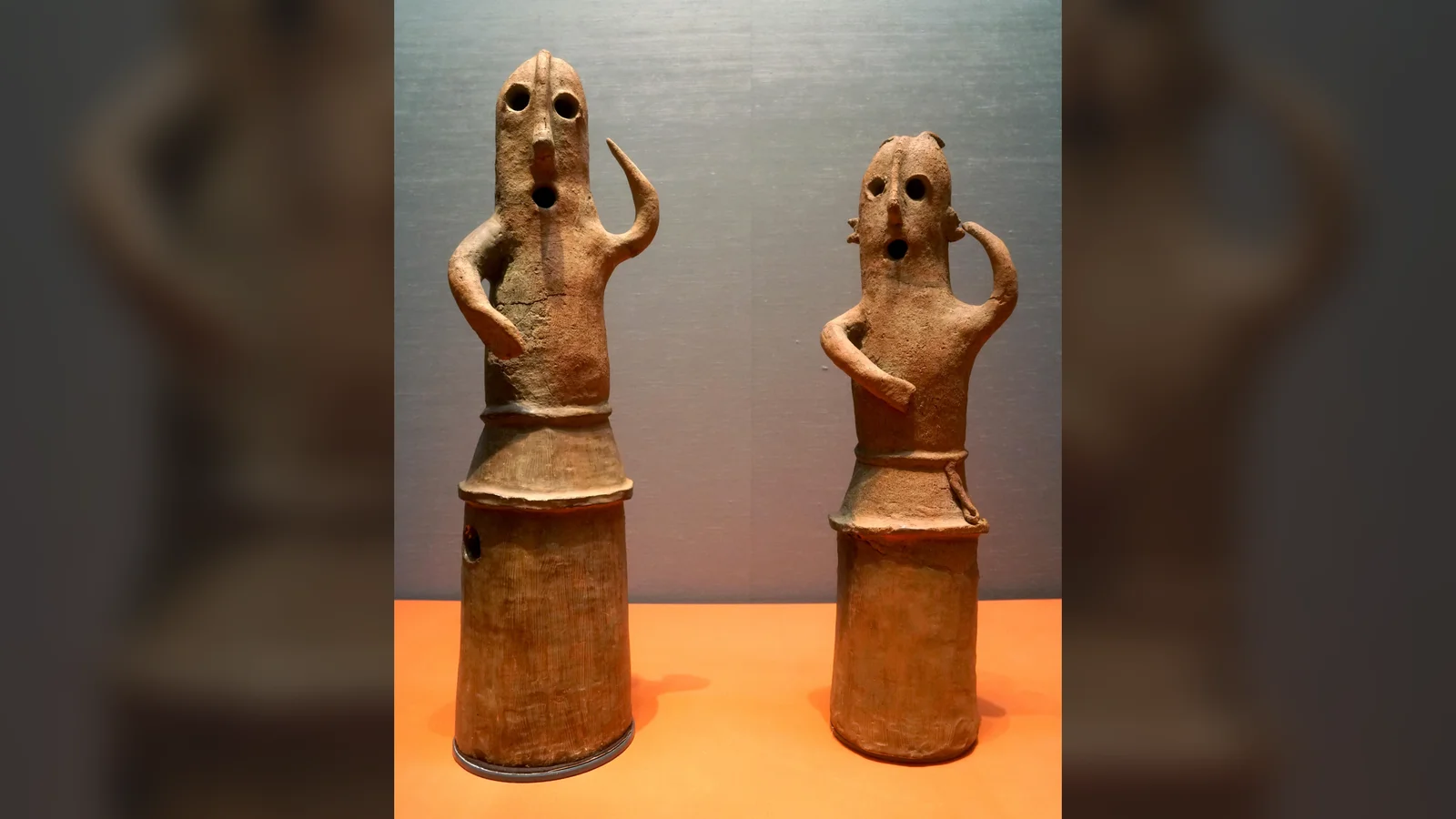
The 'Dancing People' haniwa are 1,500-year-old clay figurines from Japan's Kofun period, believed to hold the souls of the dead and possibly depict dancers or farmers, discovered near Tokyo and now housed in the Tokyo National Museum.
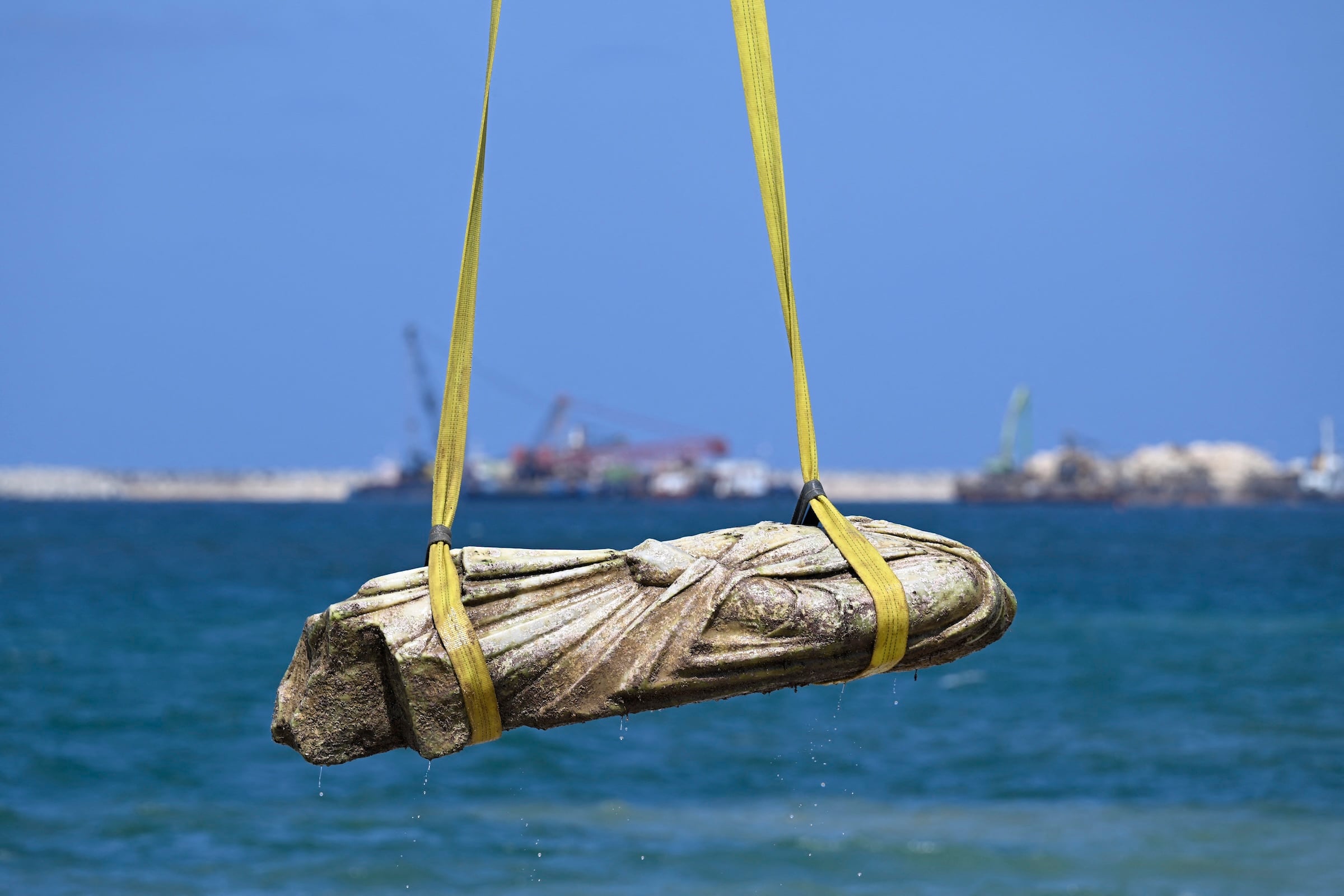
Egyptian authorities recovered artifacts from a sunken city off Alexandria, believed to be part of the ancient seaport Canopus, dating back over 2,000 years. The relics include statues, building remnants, and a merchant ship, and will be displayed in an exhibition at the Alexandria National Museum. Rising sea levels threaten Alexandria's historic sites, with significant portions expected to be submerged by 2050.
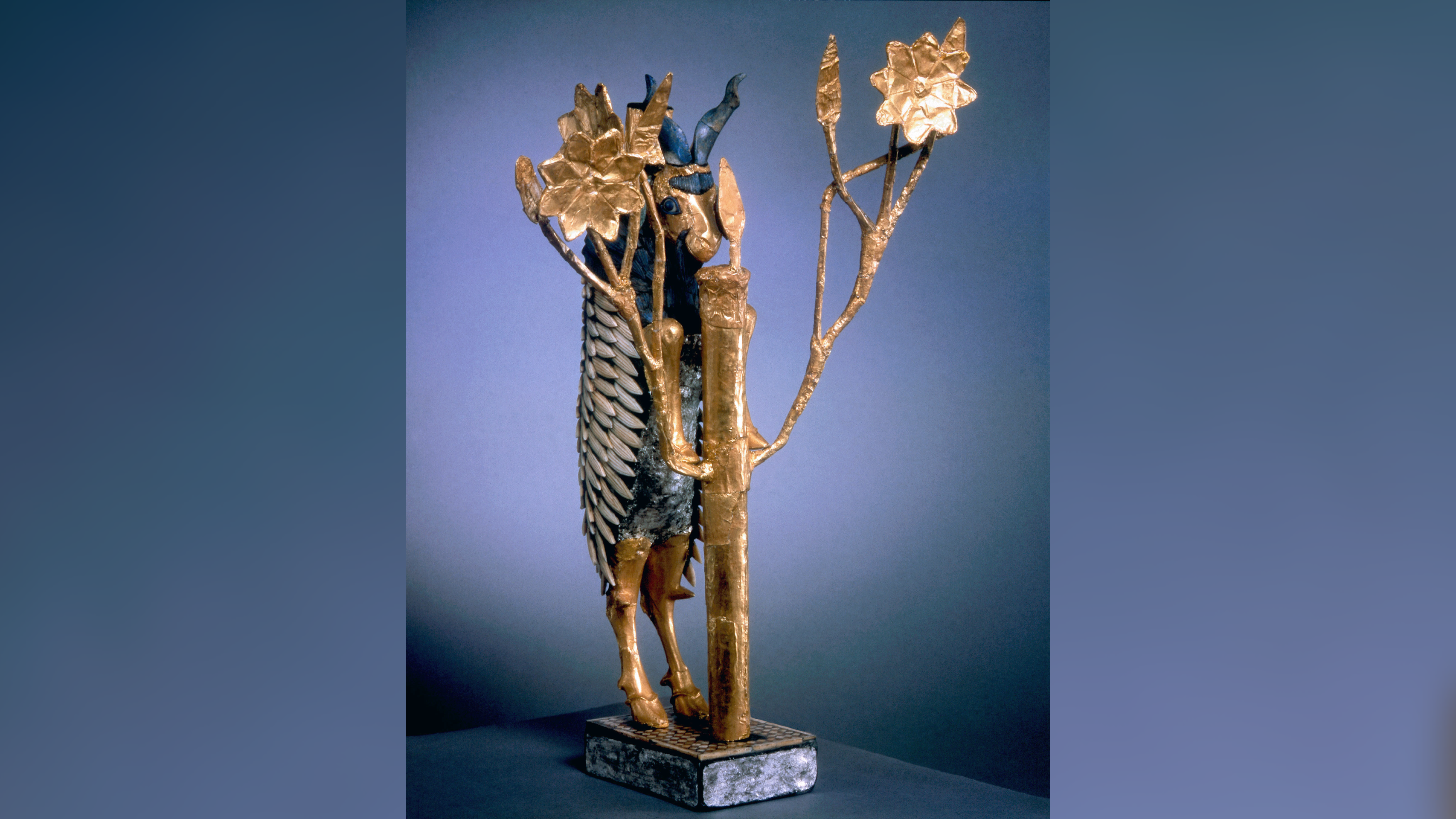
A 4,500-year-old gold and lapis lazuli statuette from the Royal Cemetery at Ur, known as 'Ram in the Thicket,' possibly depicts a ritual related to Mesopotamian cosmology and the sunrise, and was likely used as an offering stand in royal tombs.
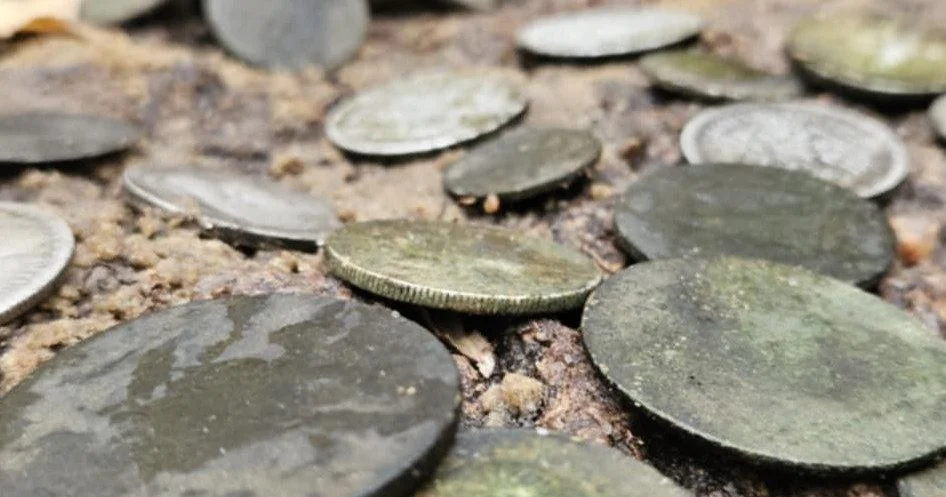
Polish archaeologists discovered a grave of a German soldier from WWII in Wdecki Landscape Park, northern Poland, and unearthed a trove of ancient artifacts during the exhumation. The findings include Neolithic ceramic pottery, Mesolithic tools, and coins from various European historical periods, some dating back to the Roman and Byzantine empires. The artifacts, in excellent condition, suggest the site holds significant historical value, prompting further exploration.
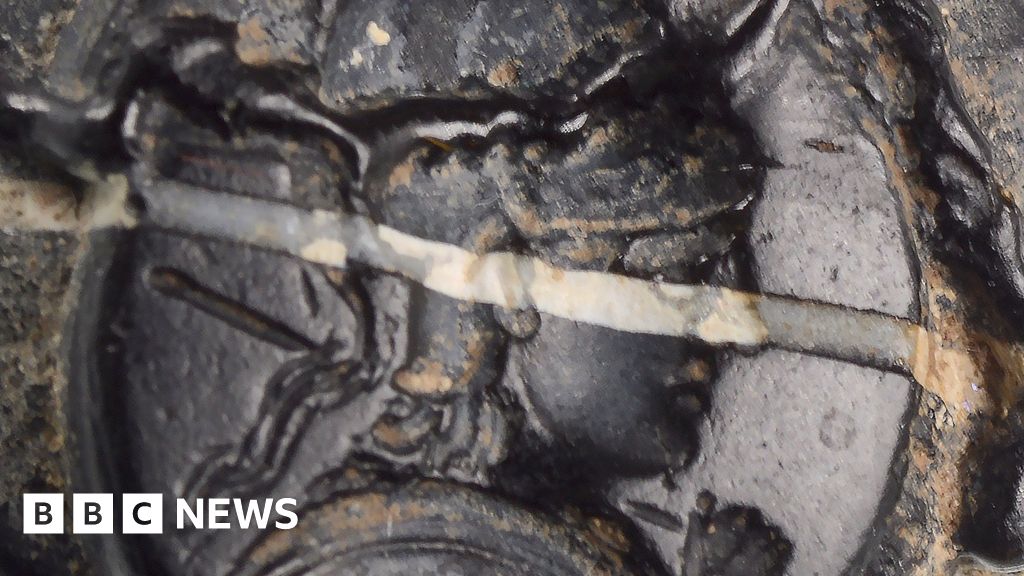
Ten stolen gems from the British Museum, including depictions of Bacchus and Zeus, are on display for the first time since their theft. The recovery process has been lengthy and complicated, with 356 items retrieved so far. Most of the recovered items came from a Danish gemstone dealer, and a police investigation is ongoing. The exhibition, "Rediscovering Gems," runs from February 15 to June 2.
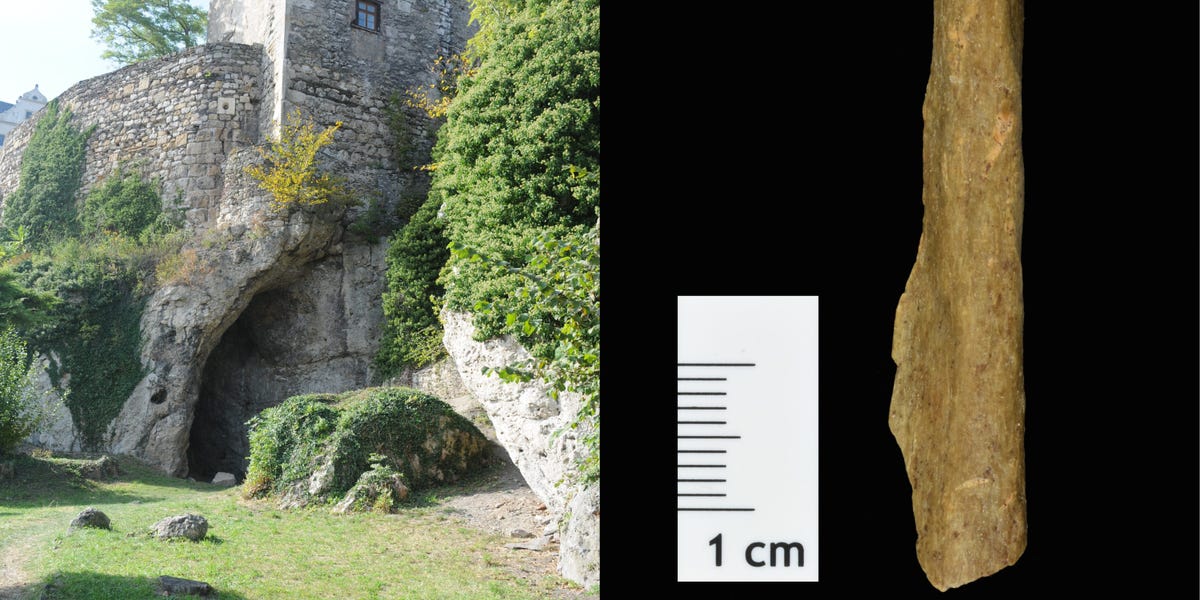
Researchers in Germany discovered bones and artifacts in a cave, leading to a reevaluation of early human history. Analysis of bone fragments revealed that Homo sapiens were present in the region 47,500 years ago, much earlier than previously thought. This challenges the belief that they only entered Europe during warmer periods. The findings also suggest that Homo sapiens coexisted with Neanderthals for thousands of years before their extinction, painting a different picture of prehistoric human migration and adaptation to cold climates.
In Wales, archaeologists have discovered a rare early medieval cemetery dating back to the 6th or 7th Century, with 18 out of an estimated 70 graves excavated so far. The well-preserved skeletons, some in unusual positions, and the presence of high-status imported goods such as glass from France and pottery possibly from North Africa, suggest the individuals buried there were of significant status. The site, which is also revealing evidence of social practices like feasting, is providing insights into the life of this ancient community, although many questions remain unanswered. Further research, including DNA analysis, is planned to learn more about the individuals and the period.
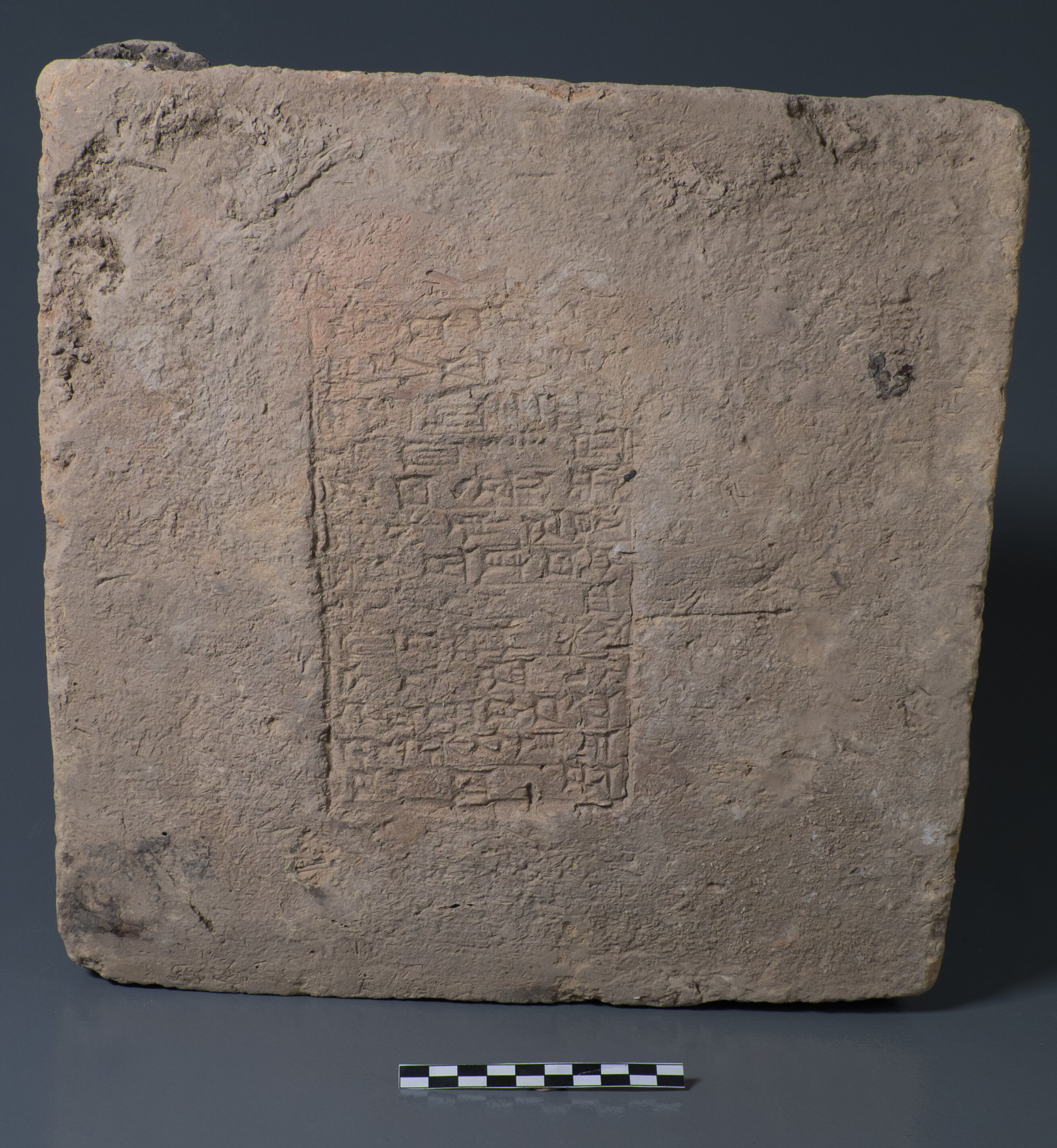
Ancient Mesopotamian bricks inscribed with the names of kings have provided valuable insights into changes in Earth's magnetic field 3,000 years ago. By analyzing the magnetic signatures imprinted on iron oxide grains within the bricks, researchers were able to reconstruct the historical map of the Earth's magnetic field. This technique, known as archaeomagnetism, offers a new tool for dating artifacts that previously couldn't be dated accurately. The study also confirmed the existence of the "Levantine Iron Age geomagnetic Anomaly" and helped pinpoint the reigns of ancient kings. Additionally, the research suggests that rapid spikes in the Earth's magnetic field intensity are possible.
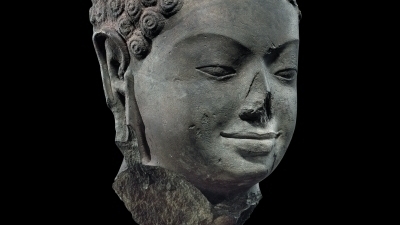
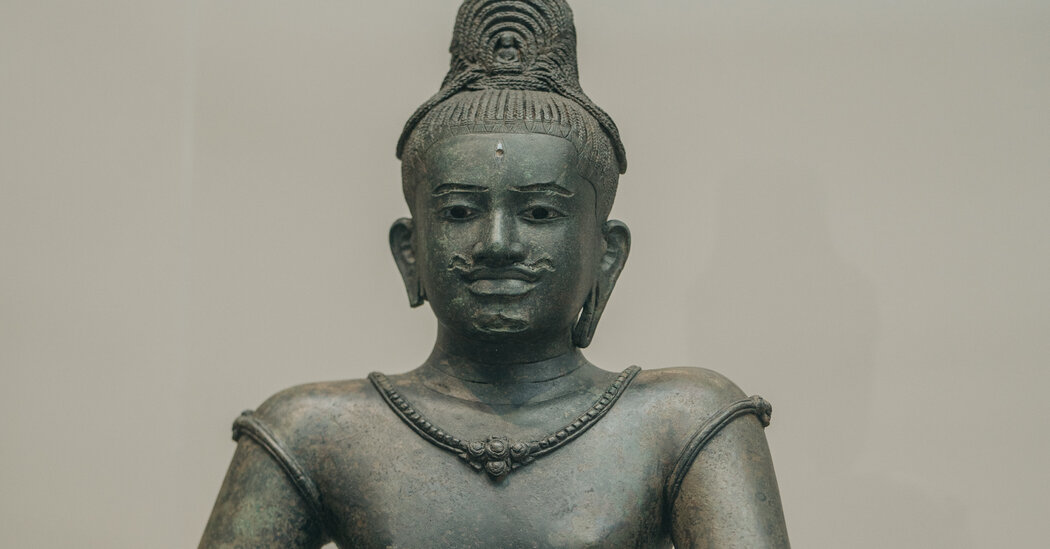
The Metropolitan Museum of Art has announced that it will return 16 ancient artifacts, including sculptures, to Cambodia and Thailand. The works were looted during periods of civil war and unrest in those countries. The investigation revealed that the pieces had been stolen by art dealer Douglas A. J. Latchford, who was indicted in 2019 for running an antiquities trafficking network. The museum is reviewing its collecting practices and plans to hire additional staff for provenance research. Ten of the artworks will remain on view at the museum until they are repatriated.
The Metropolitan Museum of Art has agreed to return 16 major Khmer era artworks to Cambodia and Thailand, which were associated with Douglas A.J. Latchford, a Met donor and dealer indicted as an illegal trafficker of ancient artifacts. The works, including important sculptures from the Angkor period, were taken from Cambodia illicitly during the country's civil war and violent turmoil. The Met has faced scrutiny over its holdings of looted artifacts and is reviewing its collections and policies for further returns. The museum will adjust wall texts to note the objects' repatriation, and more art could be returned after further review.