A recent study provides evidence that Nanotyrannus is a distinct genus from Tyrannosaurus, with two species coexisting in North America during the late Cretaceous, challenging previous assumptions about tyrannosaur ontogeny and diversity.
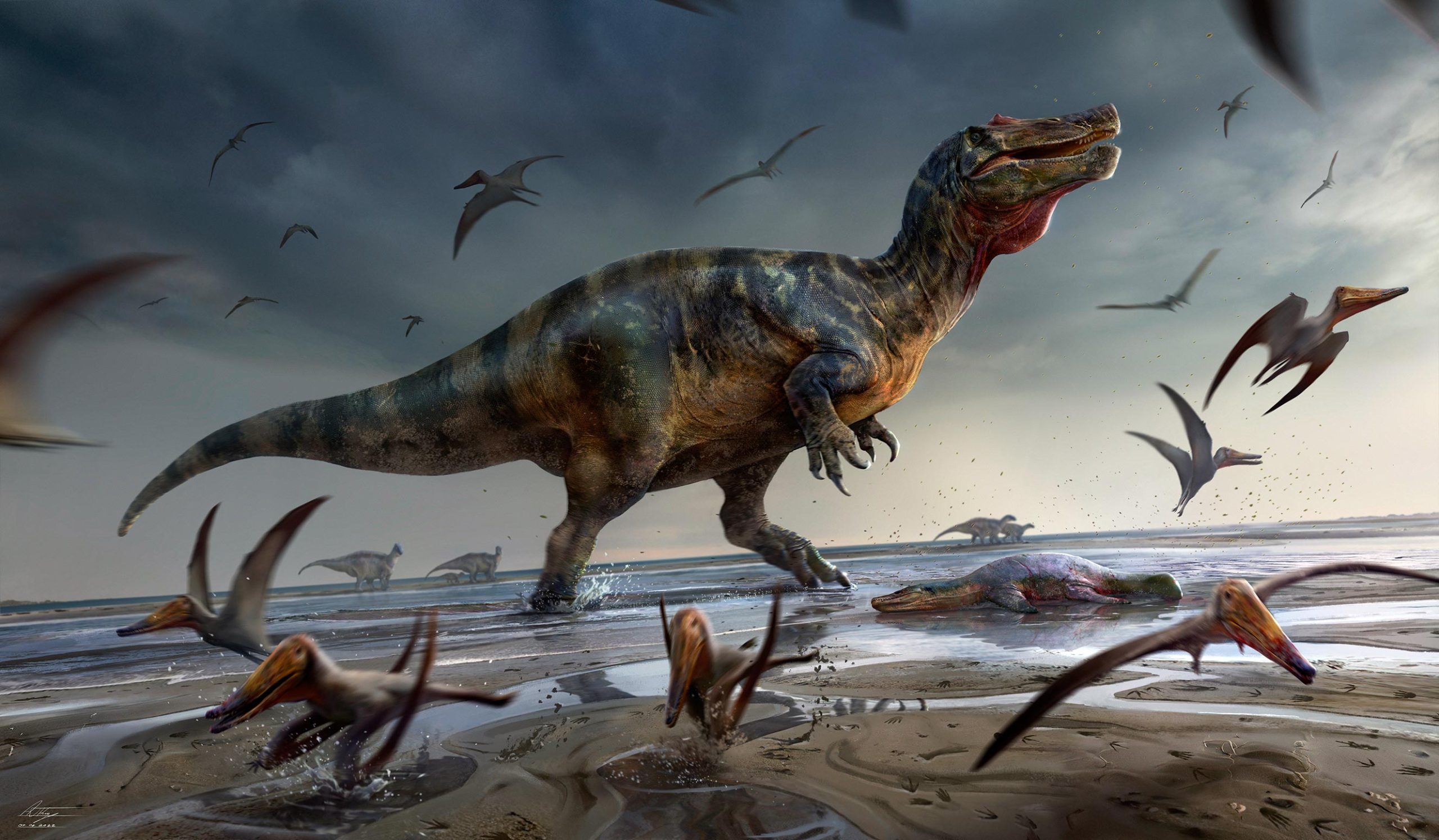
A recent study by the University of Southampton's EvoPalaeoLab reveals that several distinct groups of spinosaurs lived in Cretaceous Britain, challenging previous beliefs. Researchers found that a spinosaur tooth from the Hastings Museum belonged to a different species, not the commonly identified Baryonyx, underlining the rich diversity of spinosaurs in southern England and the potential for discovering new dinosaur species in well-explored regions. The study shows that distinct and distantly related spinosaur types lived in the region during Early Cretaceous times, and museums are essential in developing our understanding of them.