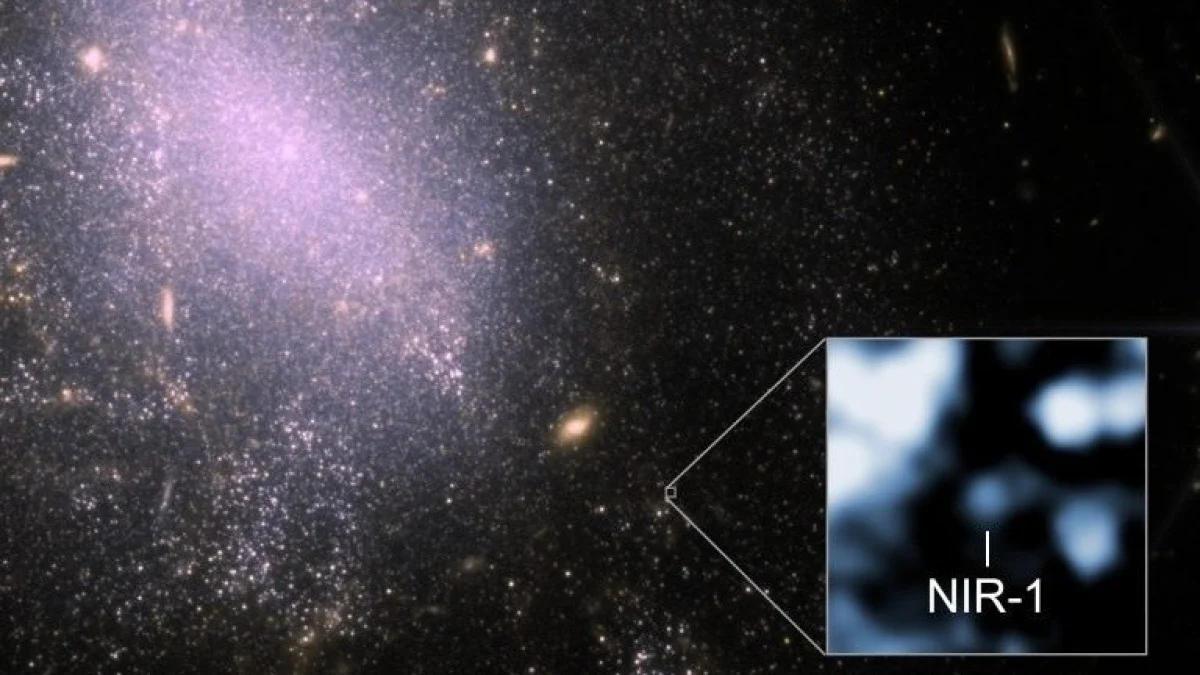
Scientists have successfully traced the brightest known fast radio burst, FRB 20250316A, to its origin in a galaxy 130 million light-years away using a network of telescopes, marking a significant milestone in understanding these mysterious cosmic flashes and suggesting magnetars as a possible source.
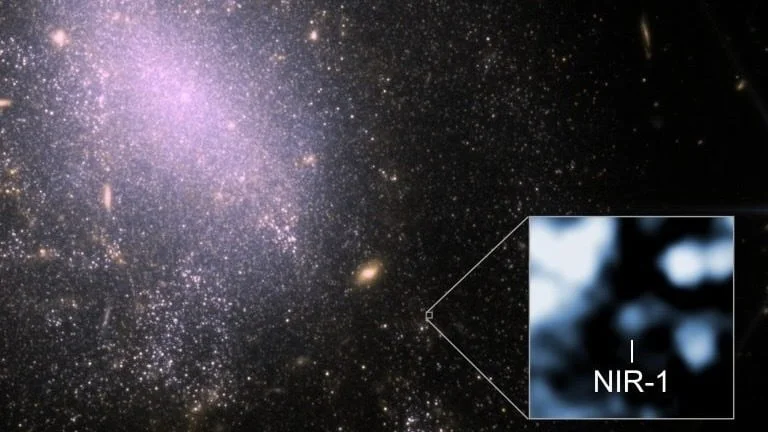
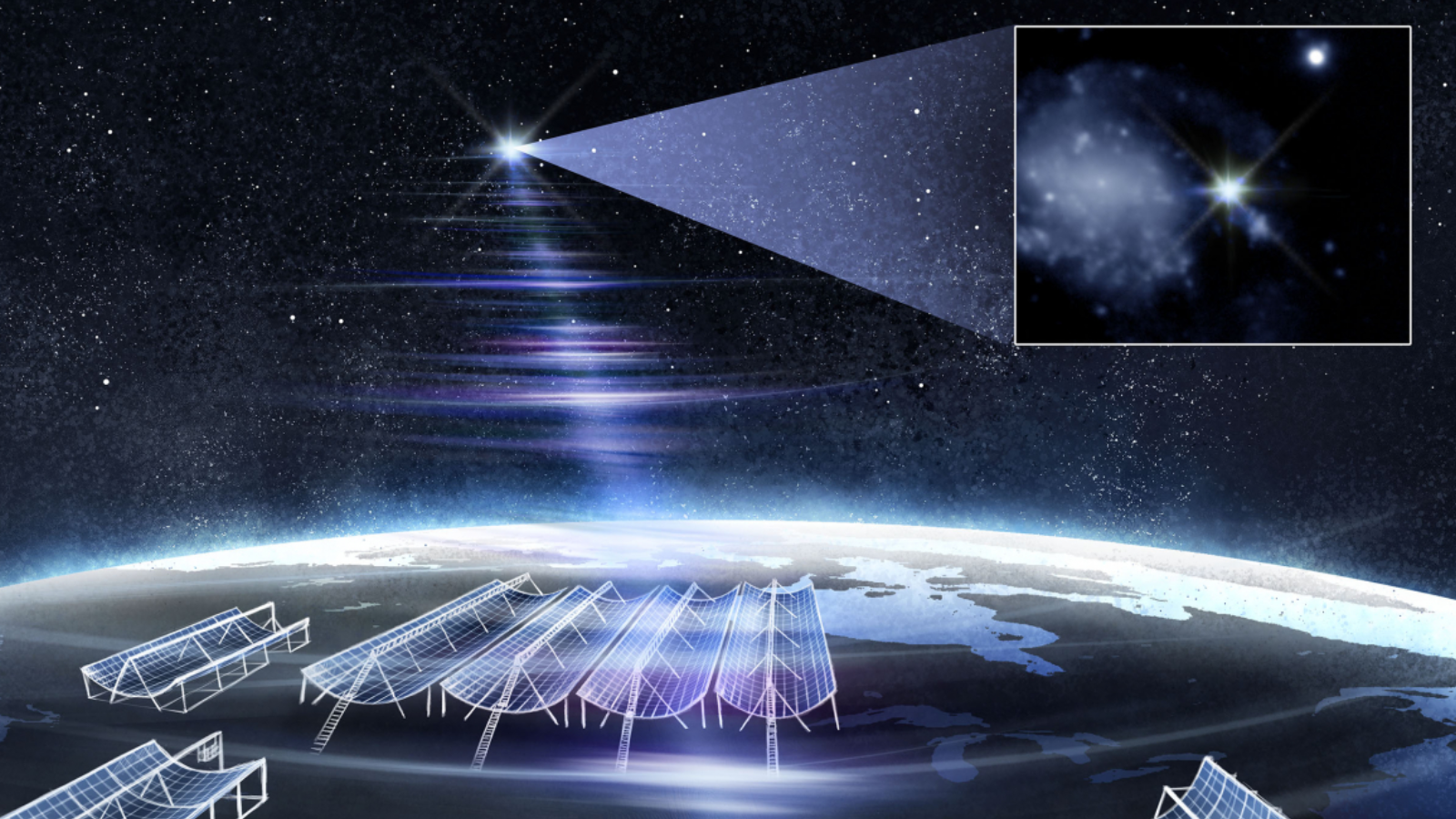
Scientists have successfully traced the brightest known fast radio burst, FRB 20250316A, to its origin in the galaxy NGC 4141 using a new network of telescopes, marking a significant milestone in understanding these mysterious cosmic flashes and suggesting magnetars as a likely source.
Astronomers detected the brightest fast radio burst ever, RBFLOAT, from a galaxy 130 million light-years away, using advanced telescopes like CHIME and Webb. The findings suggest magnetars as a potential source and provide unprecedented localization, helping to unravel the mystery of these cosmic signals and their origins.
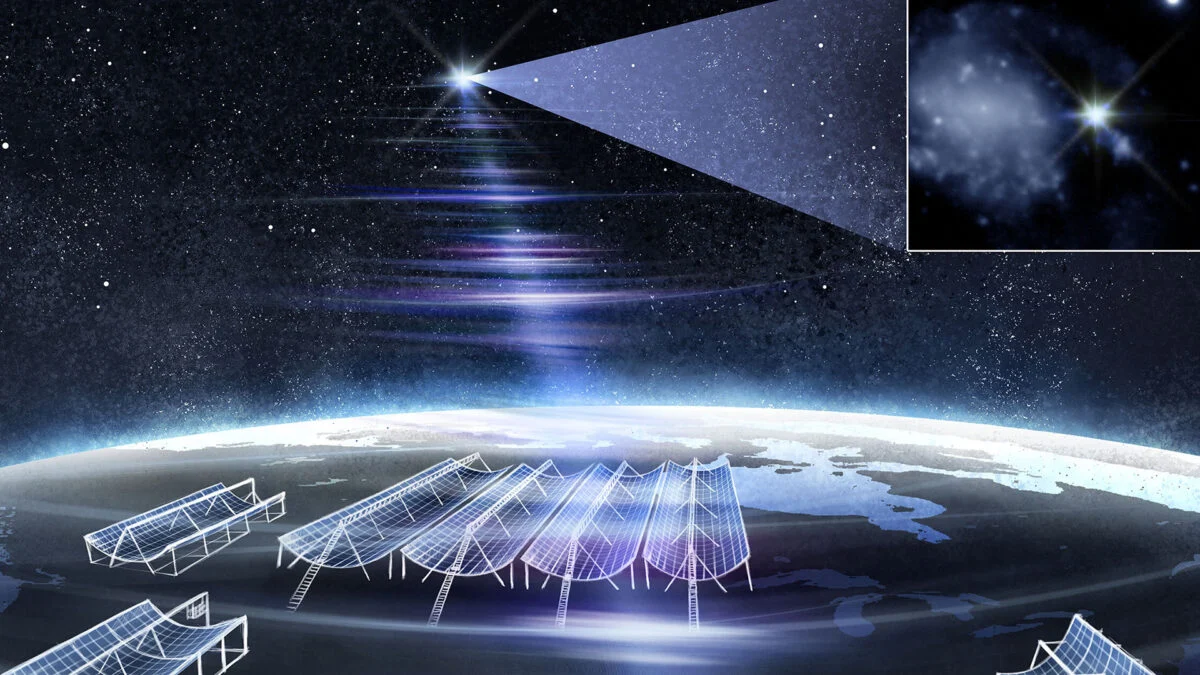
Scientists have detected the brightest fast radio burst ever, named RBFLOAT, originating from a galaxy 130 million light-years away, and pinpointed its exact location, providing new insights into their origins, possibly linked to magnetars. The discovery was made using the CHIME telescope and its outriggers across North America, marking a significant advancement in understanding these mysterious cosmic phenomena.
Scientists used the James Webb Space Telescope to pinpoint the origin of the brightest radio burst ever detected, linking it to a galaxy 130 million light-years away and suggesting it may have originated from a star system involving a neutron star or magnetar, marking a significant advancement in understanding fast radio bursts.
Astronomers have identified the source of the brightest fast radio burst ever observed, named RBFLOAT, originating from a region in galaxy NGC 4141 about 130 million light-years away, using the CHIME telescope and JWST, which could shed light on the origins of these mysterious cosmic phenomena.