Scientists suggest that a cosmic explosion, possibly from a comet fragment, around 12,800 years ago caused a massive impact event in Louisiana, creating a crater and supporting the Younger Dryas Impact Hypothesis, which links the event to the sudden climate change and the destruction of an advanced ancient civilization.
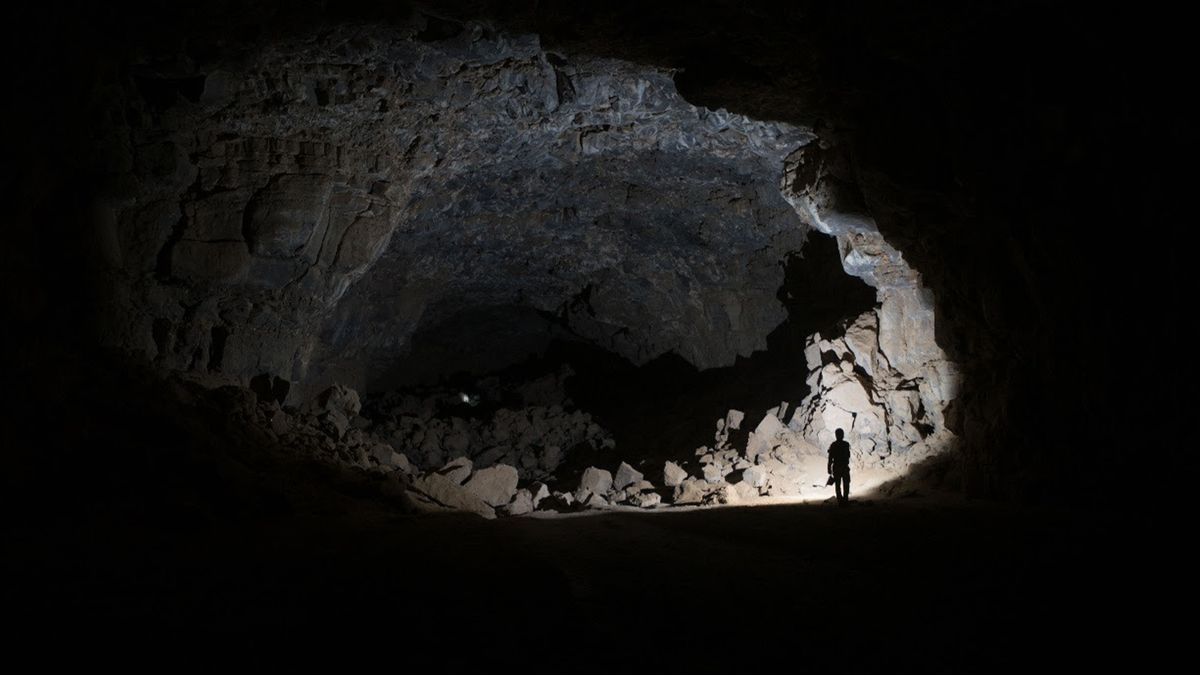
Archaeologists in Saudi Arabia have discovered evidence that humans were living in a lava tube called Umm Jirsan at least 7,000 years ago, with artifacts such as fragments of cloth, worked wood, rock art of domesticated animals, and human skeletal remains found. The site may have been used as far back as 10,000 years, and it appears to have been a key location for herding routes and hunting activities. The discovery sheds light on ancient human activities in the region and provides insight into their interactions with the environment and local wildlife.
Researchers studying the Treasure of Villena, a collection of treasures from the Iberian Bronze Age, have discovered evidence of meteoritic iron relics within, challenging previous assumptions about ancient civilizations' technological prowess. The artifacts, dating back to 1500-1200 BCE, predate the Iron Age and suggest sophisticated metalworking techniques. Advanced analytical techniques revealed that a bracelet and a hollow hemisphere were crafted from meteoritic iron, indicating a level of technological advancement previously unrecognized in Bronze Age societies. The corroded state of the artifacts presents challenges for conclusive analysis, but future non-invasive techniques may elucidate the origins and composition of these ancient space metal treasures, reshaping our understanding of the technological landscape of the Bronze Age.
A recent study suggests that a large portion of land, known as Sahul, may be the lost civilization of Atlantis and could have been home to over 500,000 of our ancestors. This area, submerged under the Pacific Ocean, experienced natural climatological fluctuations, leading to its disappearance some 9,000 to 70,000 years ago. The study challenges the assumption that continental margins were unproductive and provides evidence of ancient human settlements on submerged landmasses, shedding light on our ancestors' history and the impact of natural disasters on ancient civilizations.
A team led by Stéphen Rostain used LiDAR technology to uncover a massive pre-Columbian civilization in the Amazon rainforest, challenging assumptions about the region's history. The discovery of over 6,000 raised earthen platforms covering 115 square miles, along with canals and roads, suggests a complex society of at least 10,000 inhabitants dating back to before 500 A.D. This finding opens up new avenues for archaeological investigation and prompts a reevaluation of historical narratives about the Amazon's ancient civilizations.
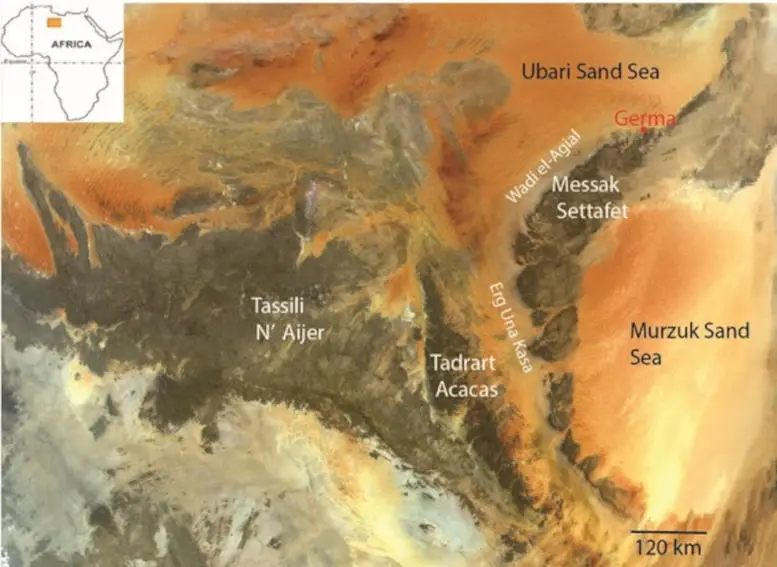
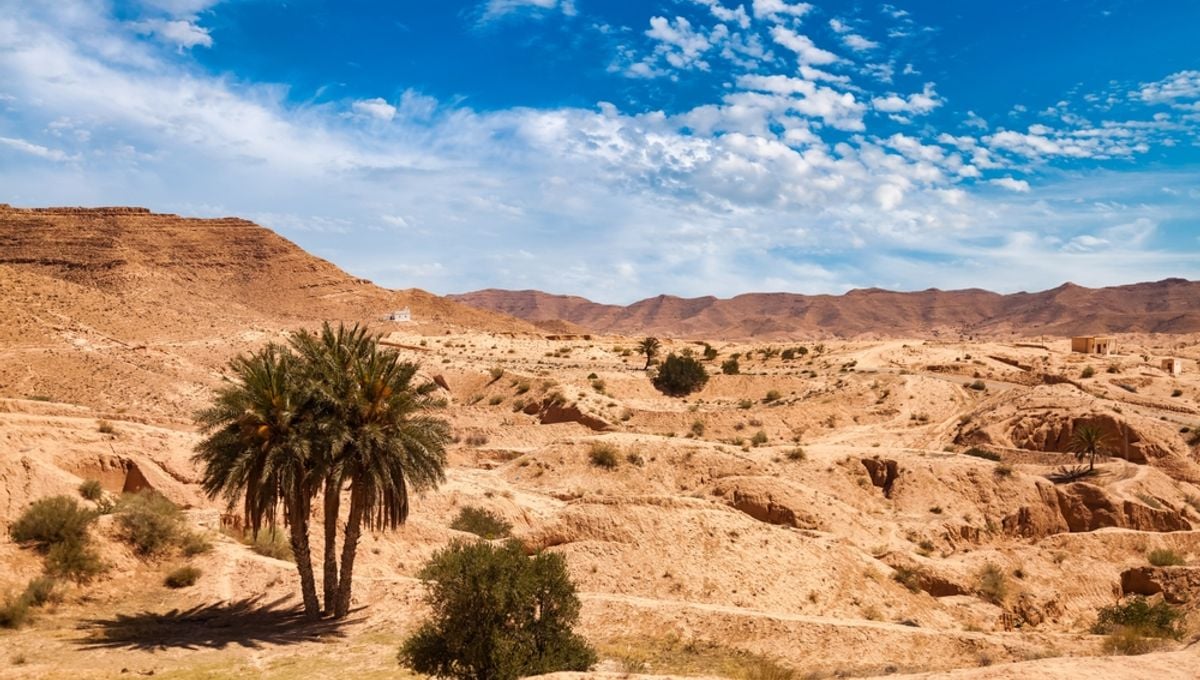
The ancient Garamantian Empire thrived in the Sahara Desert by tapping into hidden groundwater through a system of underground tunnels and vertical access shafts. However, their unsustainable use of these resources eventually led to their decline. The Garamantes serve as a cautionary tale for the importance of sustainable groundwater management, especially in extreme environments where water resources are limited.
The Garamantes, an ancient civilization that thrived in the Sahara 2,400 years ago, managed to sustain their society by tapping into underground groundwater through angled tunnels. This innovative technique allowed them to irrigate their agricultural lands and thrive in an otherwise harsh desert environment. However, over time, the groundwater ran out, leading to the abandonment of their civilization. This serves as a warning about the unsustainable use of scarce resources, with implications for modern societies facing similar challenges.
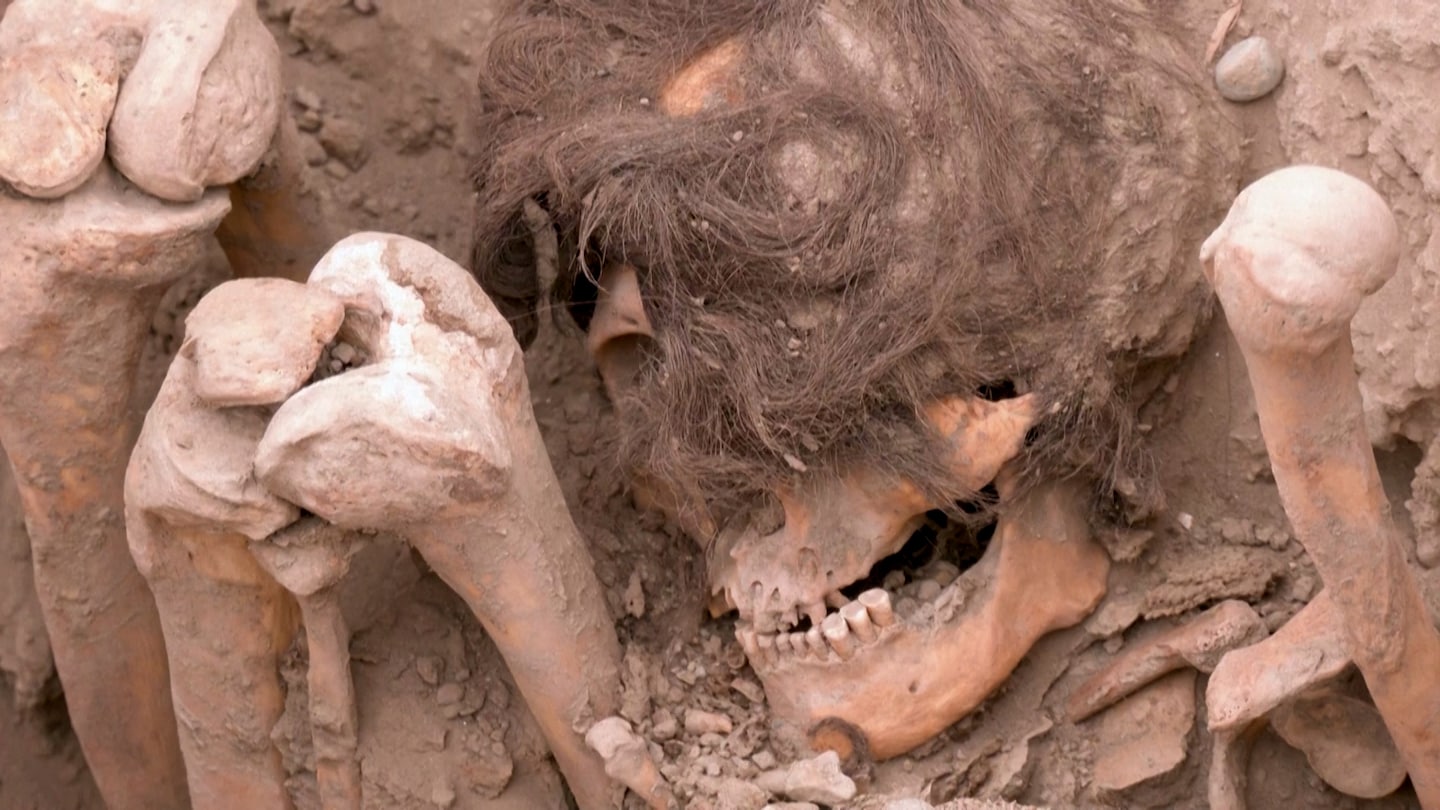
Archaeologists in Lima, Peru, have unearthed a 1,000-year-old mummy with well-preserved brown hair inside a ceremonial grave at the Huaca Pucllana pyramid. The remains, belonging to the Ychsma people, were found alongside ceramics and textiles. The discovery highlights the rich archaeological heritage of Lima, with over 400 sacred sites in the city. Previous mummy finds have provided valuable insights into the health, culture, and society of ancient Indigenous Peruvians.
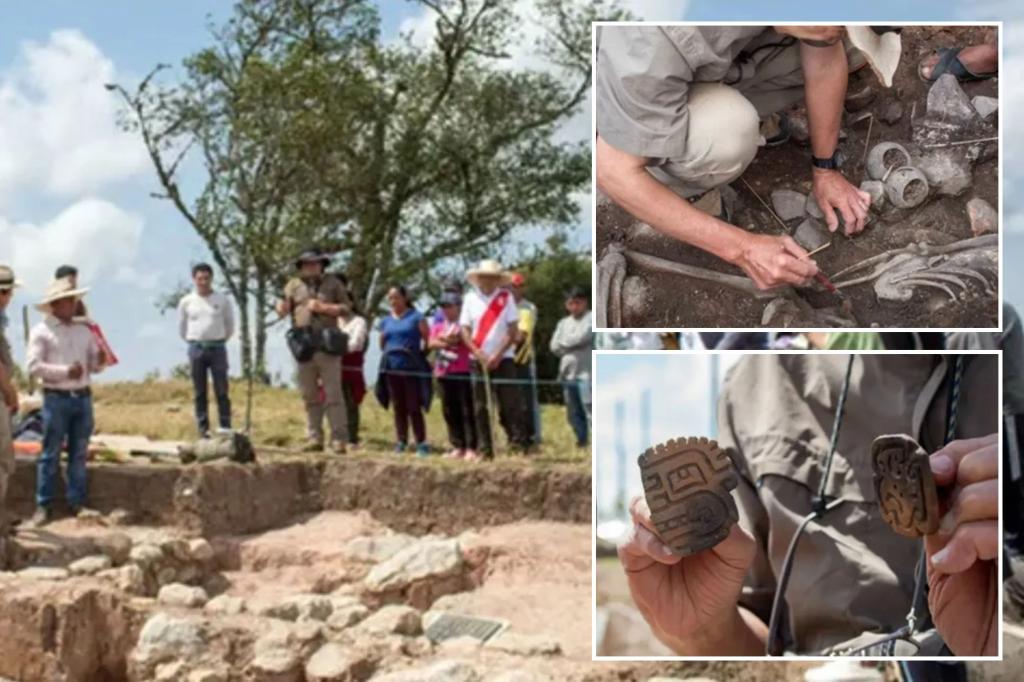
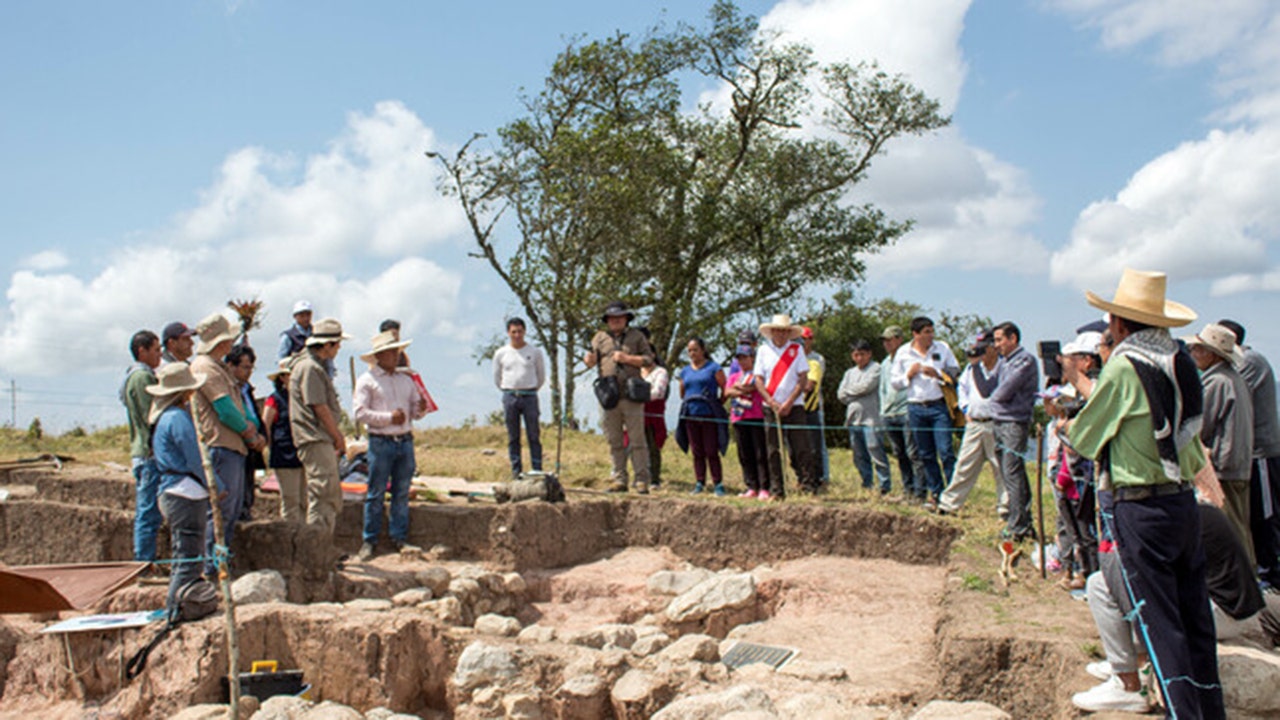
Archaeologists in northern Peru have discovered a 3,000-year-old tomb believed to honor an elite religious leader. Named the "Priest of Pacopampa," the tomb was covered with layers of ash and decorated with ceramic bowls. Seals found on the tomb indicated the use of ancient ritual body paint for nobility. The tomb contained a bone shaped into a tupu, typically used by women, suggesting a unique association. The discovery is part of the ongoing Pacopampa Archaeological Project, with the tomb estimated to be five centuries older than previous finds in the area.
Archaeologists in northern Peru have discovered a 3,000-year-old tomb believed to honor an elite religious leader. Named the "Priest of Pacopampa," the tomb was covered with layers of ash and black earth and decorated with ceramic bowls. Two seals found on the tomb indicated the use of ancient ritual body paint for nobility. The tomb also contained a bone shaped into a tupu, typically used by women, suggesting the individual buried was a leader. This discovery is estimated to be five centuries older than previous tombs found in the area.
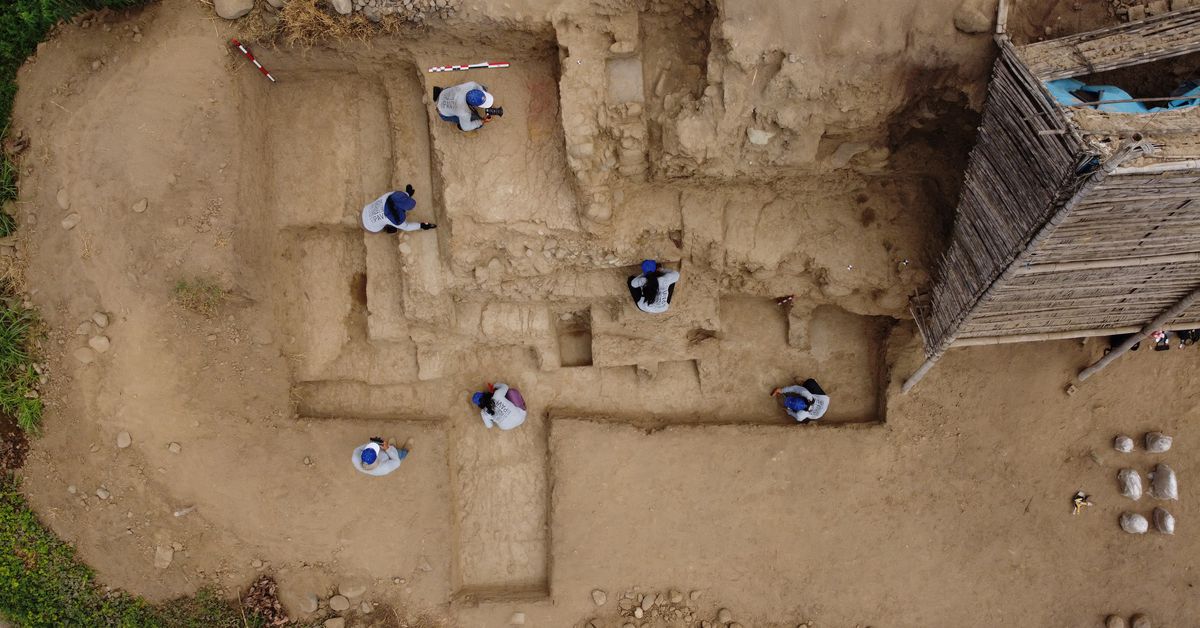
Archaeologists in northern Peru have discovered an ancient polychrome wall estimated to be over 4,000 years old, potentially part of a ceremonial temple from the Pre-ceramic Period. The wall, found in the Viru Valley, features triangular geometric lines with shades of red and yellow. The region is known for its historic cultures, including the ancient ceremonial complexes of Caral and the Nazca lines. The discovery offers new insights into the region's ancient civilizations.
Archaeologists have discovered an ancient stilt village beneath Lake Ohrid in Lin, Albania, dating back 8,500 years, making it the oldest known lake village in Europe. The village was built on stilts and surrounded by spiked planks, suggesting a defensive measure. The discovery provides insight into the lifestyle and importance of Lin as a farming hub in ancient Europe. Further research at the site may reveal more about the inhabitants and the reasons for their defensive posture.
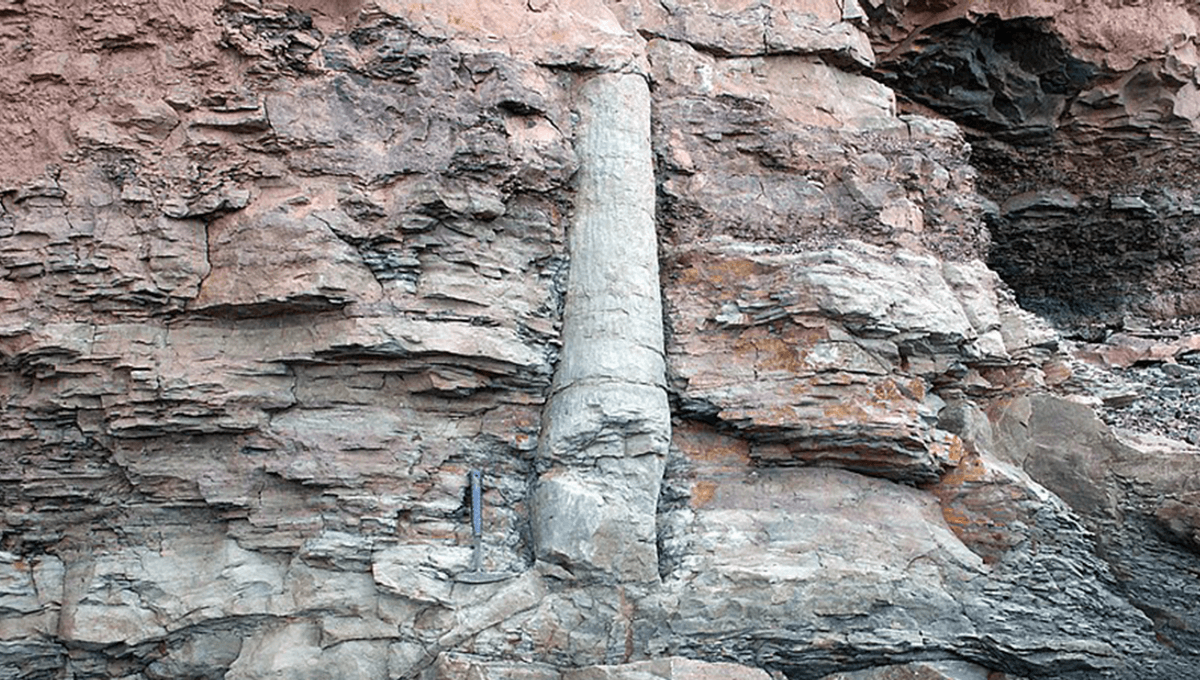
The Baigong Pipes, strange pipe-like structures found in the caves of Mount Baigong, have led to wild speculation from conspiracy theorists who believe they are evidence of advanced but ancient civilizations or ancient aliens. However, they are most likely formed by geological processes and are similar in composition to fossilized trees found in other parts of the world. The Baigong pipes contain organic plant matter, suggesting they were formed by minerals that filled fissures in sandstone during flooding of the area or by tap-root casts of fossil trees.