Tag

Archaeoastronomy

All articles tagged with #archaeoastronomy

science-and-technology2 years ago

"Unraveling the Mystery Star in Italy's Ancient Celestial Map"

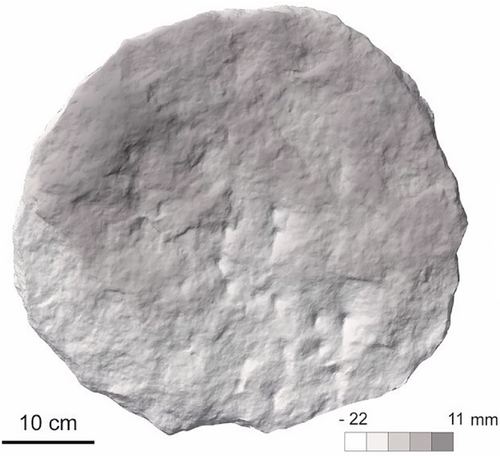
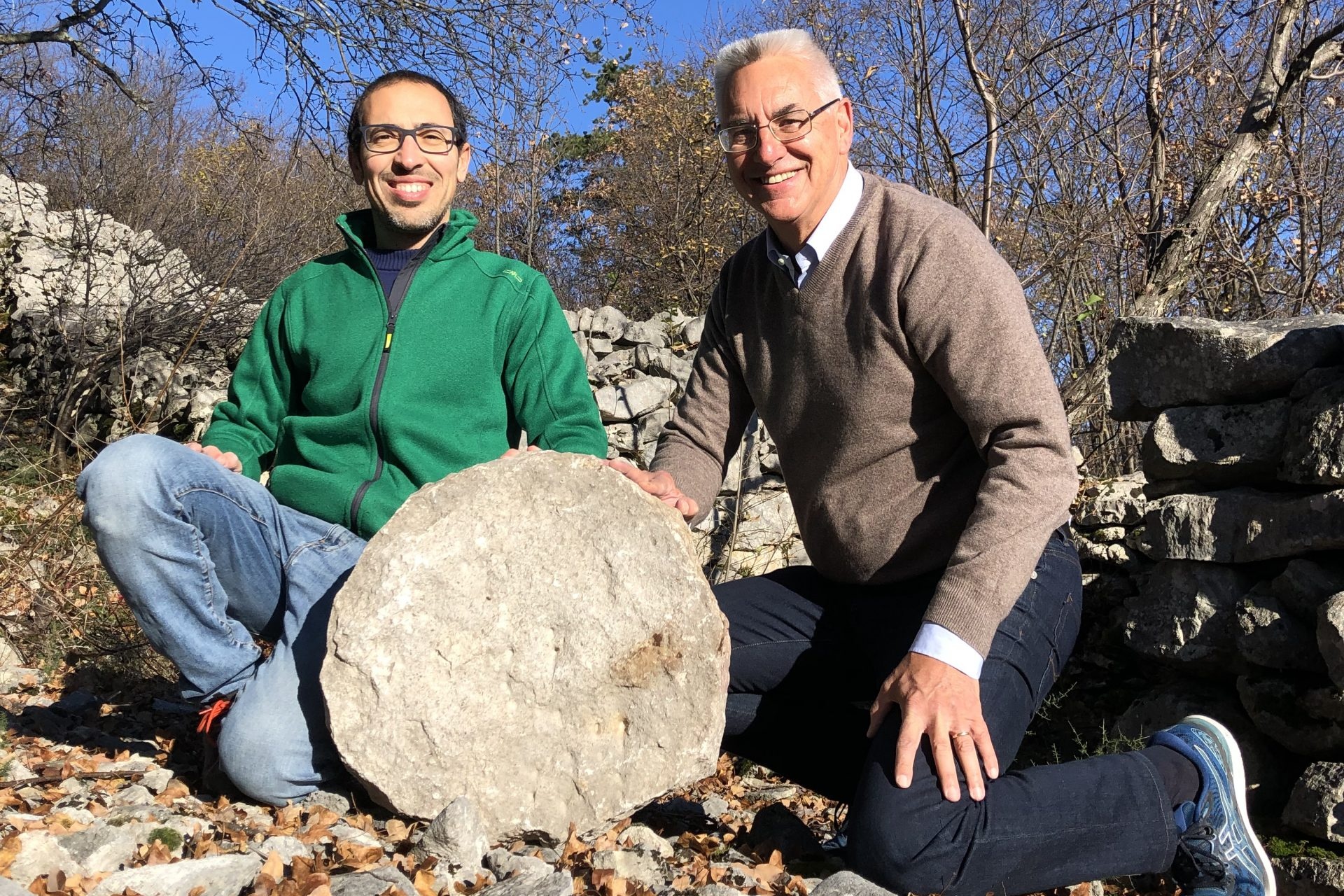
Archaeologists have discovered two stone disks at an ancient fort in Italy, which may represent one of the oldest sky maps ever found, dating between 1800 and 400 BCE. The markings on the stones correspond to the positions of 28 bright stars, including constellations like Orion, Scorpius, and the Pleiades. However, one unexplained mark could potentially indicate a historical nova or supernova. Further analysis is required to confirm whether the stones accurately depict the sky and to identify the mysterious mark.
science-and-technology2 years ago

"2500-Year-Old Stone Artifact Unveiled as Oldest Celestial Map in Italy"

Archaeologists in Italy have discovered two stone disks at a protohistoric hill fort that may represent one of the oldest known maps of the night sky. The stones, dated between 1800 and 400 BCE, bear chisel marks that align with the positions of 28 bright stars in various constellations such as Scorpius, Orion, and the Pleiades. Statistical analysis supports the hypothesis that these markings accurately reflect these constellations, with one unexplained mark potentially indicating a historical nova or supernova. Further research is required to confirm the stones' purpose as stellar maps, but the evidence suggests a significant astronomical understanding by the people of that era.

sciencearchaeology2 years ago

"Mysterious Ancient Star Map Unearthed in Italy Could Unlock Astronomical Secrets"

An ancient stone disk discovered in Italy, potentially dating back to between 1800 B.C. and 400 B.C., may represent one of the oldest celestial maps, featuring engravings that align with constellations and a potential failed supernova. Researchers used software to match the chisel marks on the disk to star clusters visible in the ancient sky, with one mark possibly indicating a star that vanished due to a failed supernova, leaving behind a black hole. Further studies are encouraged to confirm this interpretation and understand the disk's use, possibly in agricultural season tracking by the ancient population of the Rupinpiccolo hill fort.

archaeology2 years ago

Experts debunk Stonehenge's calendar theory as modern construct.

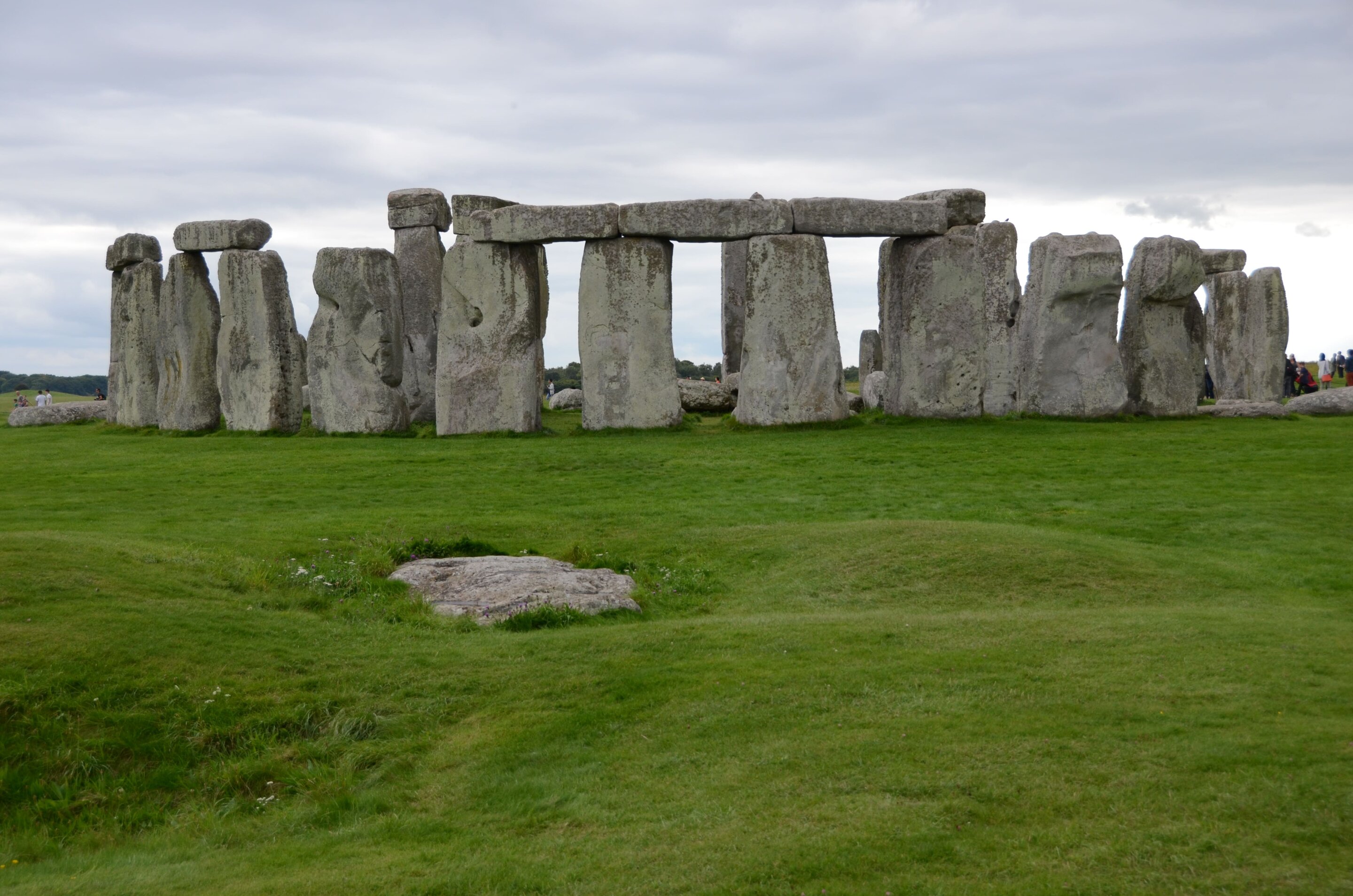
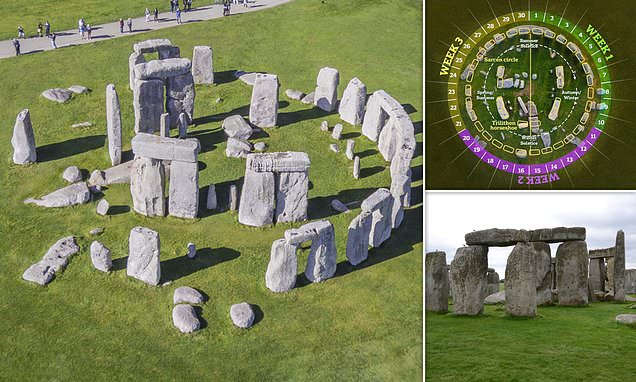
A new theory that Stonehenge was a calendar based on 365 days per year divided into 12 months of 30 days plus five epagomenal days, with the addition of a leap year every four, has been debunked by archaeoastronomy experts. They argue that the theory is based on forced interpretations of the astronomical connections of the monument, debatable numerology, and unsupported analogies. The experts show that the slow movement of the sun at the horizon in the days close to solstices makes it impossible to control the correct working of the alleged calendar.

archaeology2 years ago

Debunking the Stonehenge Calendar Theory

A new theory that Stonehenge was a calendar based on 365 days per year divided into 12 months of 30 days plus five epagomenal days, with the addition of a leap year every four, has been debunked by archaeoastronomy experts. They argue that the theory is based on forced interpretations of the astronomical connections of the monument, debatable numerology, and unsupported analogies. The solstice alignment is quite accurate, but the slow movement of the sun at the horizon in the days close to solstices makes it impossible to control the correct working of the alleged calendar.

archaeology2 years ago

Debunking the Stonehenge Calendar Theory.

A new paper by Italian and Spanish experts has rejected the theory that Stonehenge was a solar calendar, calling it "totally unsubstantiated" and based on "forced interpretations, numerology and unsupported analogies." The British researcher behind the theory, Professor Timothy Darvill, claims that Stonehenge's great sandstone slabs each represented a single day in a month, making the entire site a huge time-keeping device. The Italian and Spanish duo, however, reject this concept, calling it "numerology." Stonehenge remains one of the most prominent prehistoric monuments in Britain, and its purpose is still a mystery.