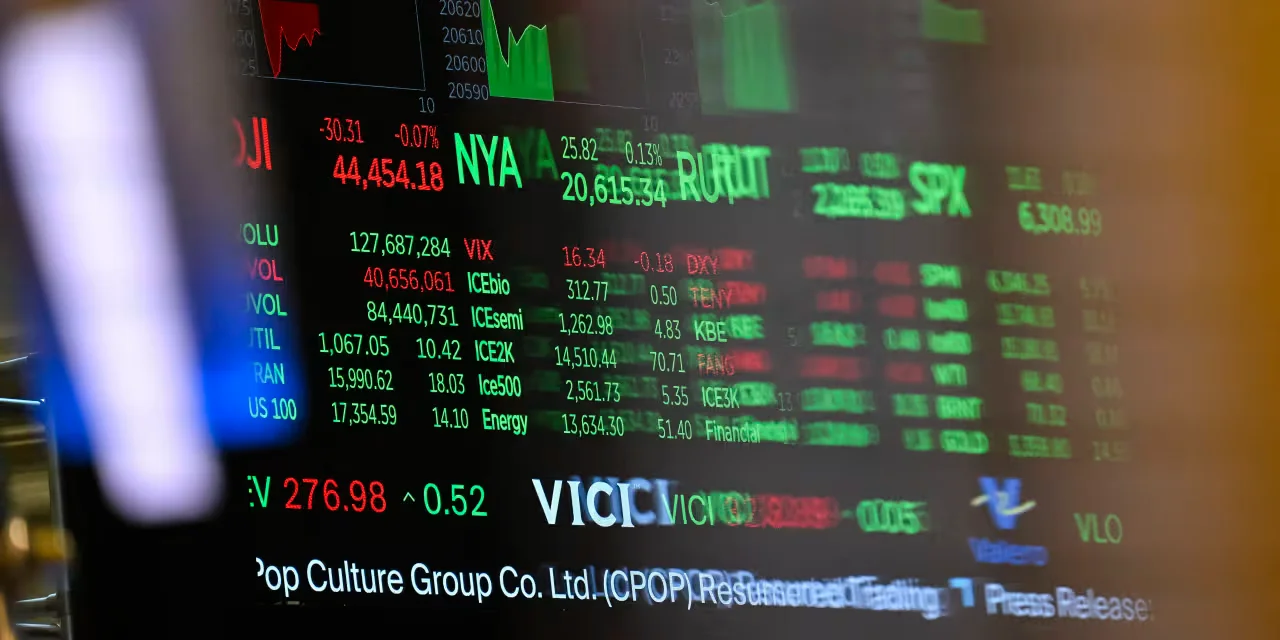
JPMorgan warns that the recent surge into high-beta stocks like Palantir and Coinbase indicates extreme crowding, which could pose risks to the broader market, and suggests investors consider low volatility stocks as a safer alternative amid market uncertainties.
The Hamptons are experiencing a surge in wealth and popularity, transforming from a traditional old-money retreat into a playground for the new super-rich from across the US, leading to increased crowding, rising property prices, and a focus on luxury events and lifestyle, raising concerns about sustainability and community impact.
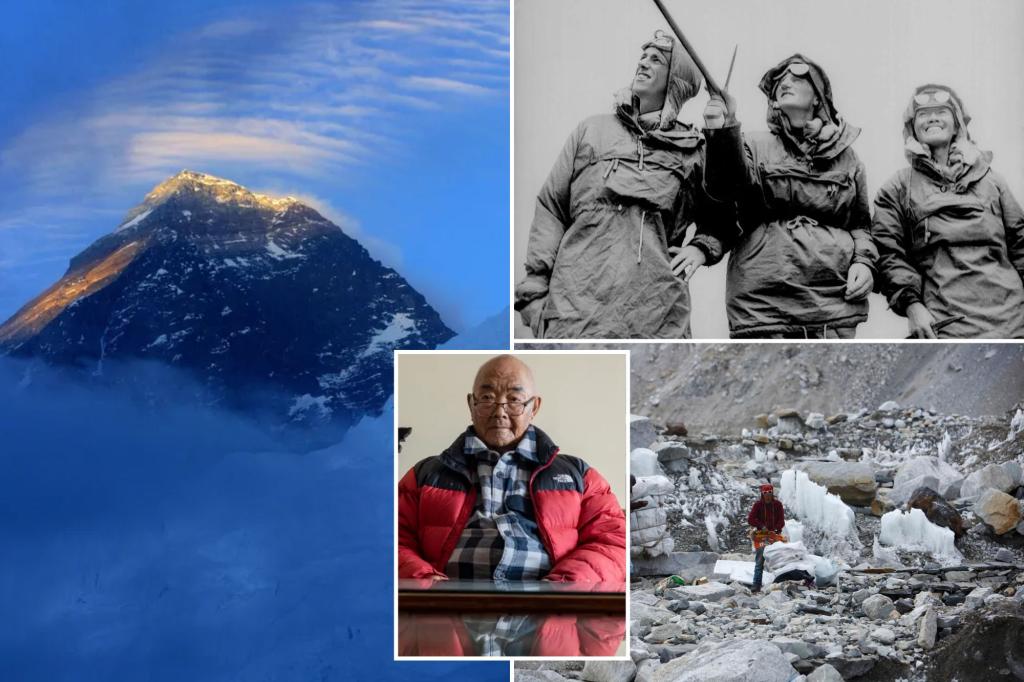
Kanchha Sherpa, the last surviving member of the first team to conquer Mount Everest, expressed concern over the mountain's increasing crowding and pollution, stating that it should be respected as a god. With the peak being climbed thousands of times since the initial conquest, it has become crowded and dirty, with climbers leaving behind trash and waste. Sherpa emphasized the need to reduce the number of climbers and urged for greater respect for the mountain, which holds religious significance for the Sherpa community.
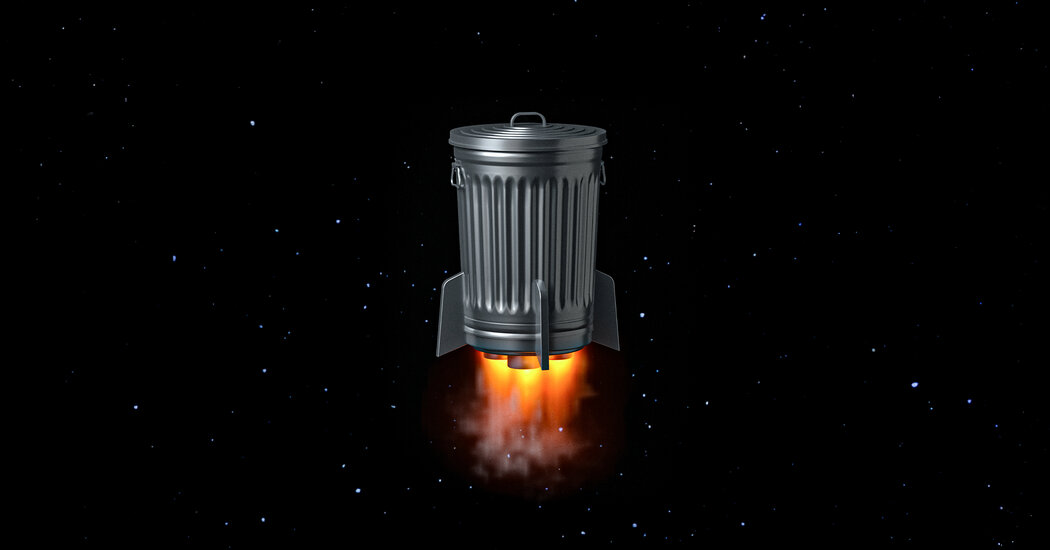
As the International Space Station (I.S.S.) approaches retirement in 2030, the orbital environment it leaves behind is vastly different from when it was built. The number of satellites in orbit has multiplied, and the space is now crowded with human-made space debris. The commercialization of low Earth orbit (LEO) is booming, with projections of a $312-billion-a-year economy by 2035. However, this rapid expansion poses risks, including the threat of collisions and interference with astronomy research. Unfettered profit-seeking and the lack of coordination among national authorities are contributing to the problem. As humanity ventures further into space, it must consider the environmental impact and avoid repeating the mistakes made on Earth.