This article provides a guide for observing Comet Lemmon and Comet SWAN on October 29, 2025, highlighting the best viewing times and locations, and noting that the moonlight will make viewing more challenging. It also offers tips on how to find these comets using binoculars and star charts, emphasizing their positions in the sky relative to well-known stars.
On October 27, 2025, skywatchers have a final chance to see Comet Lemmon and Comet SWAN in binoculars about 90 minutes after sunset, with Lemmon visible in the northwest and SWAN in the south, before the moon's brightness makes viewing more difficult.
Comet Lemmon will pass through the constellation Serpens Caput on October 26, offering a rare celestial view for skywatchers, especially in dark locations, as it approaches the sun in early November.
Two comets, Lemmon and SWAN, are visible in the October night sky, offering a rare opportunity for stargazers to observe them with binoculars or small telescopes, especially during the dark moonless nights of early November.
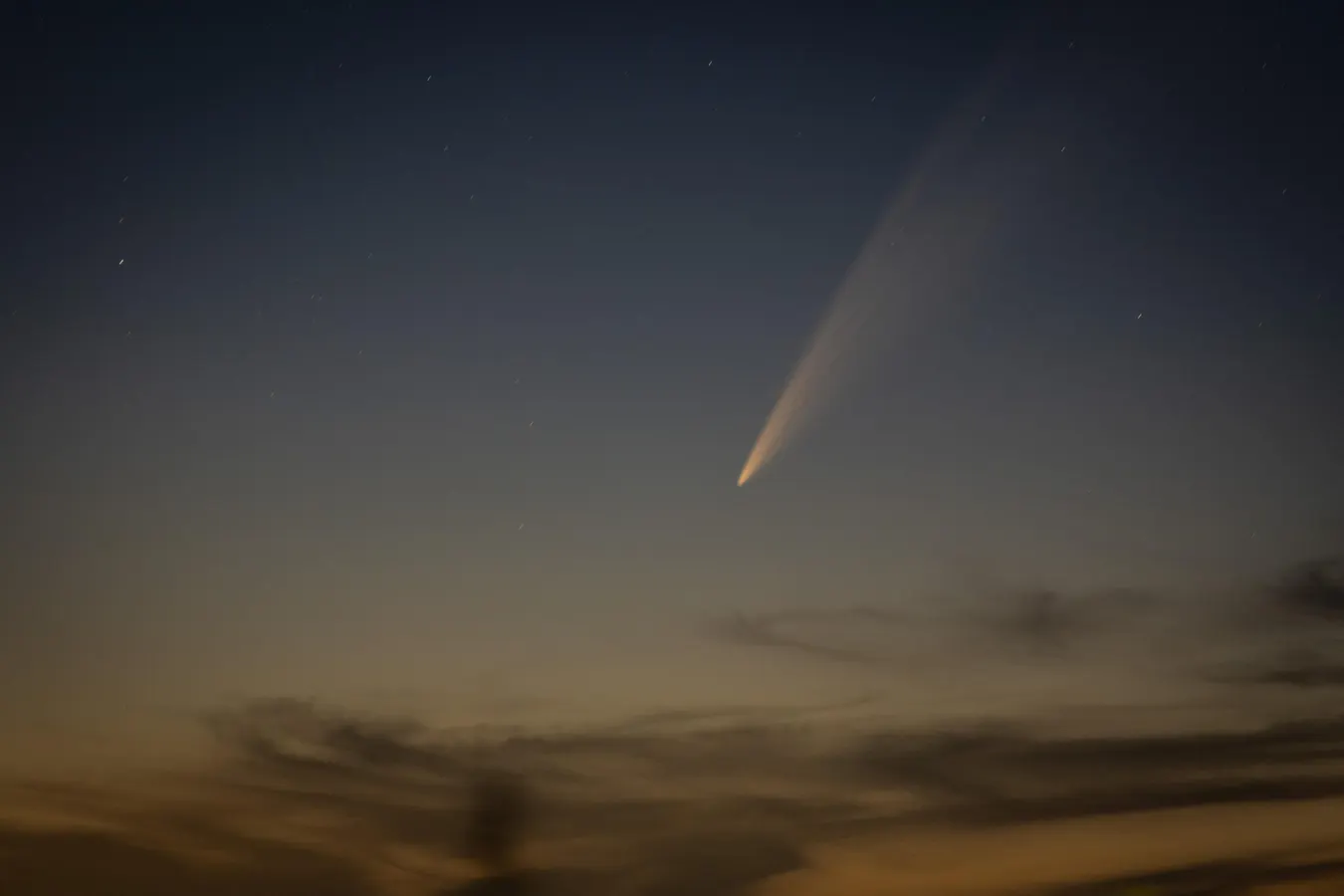
Comet Lemmon and Comet SWAN are at their brightest and most visible in the night sky on October 21, offering a rare opportunity to see them with binoculars before they fade or become harder to observe due to moonlight. Lemmon is visible in the northwest after sunset and before sunrise, while SWAN appears in the southwest after sunset, both best viewed in dark, pollution-free areas.
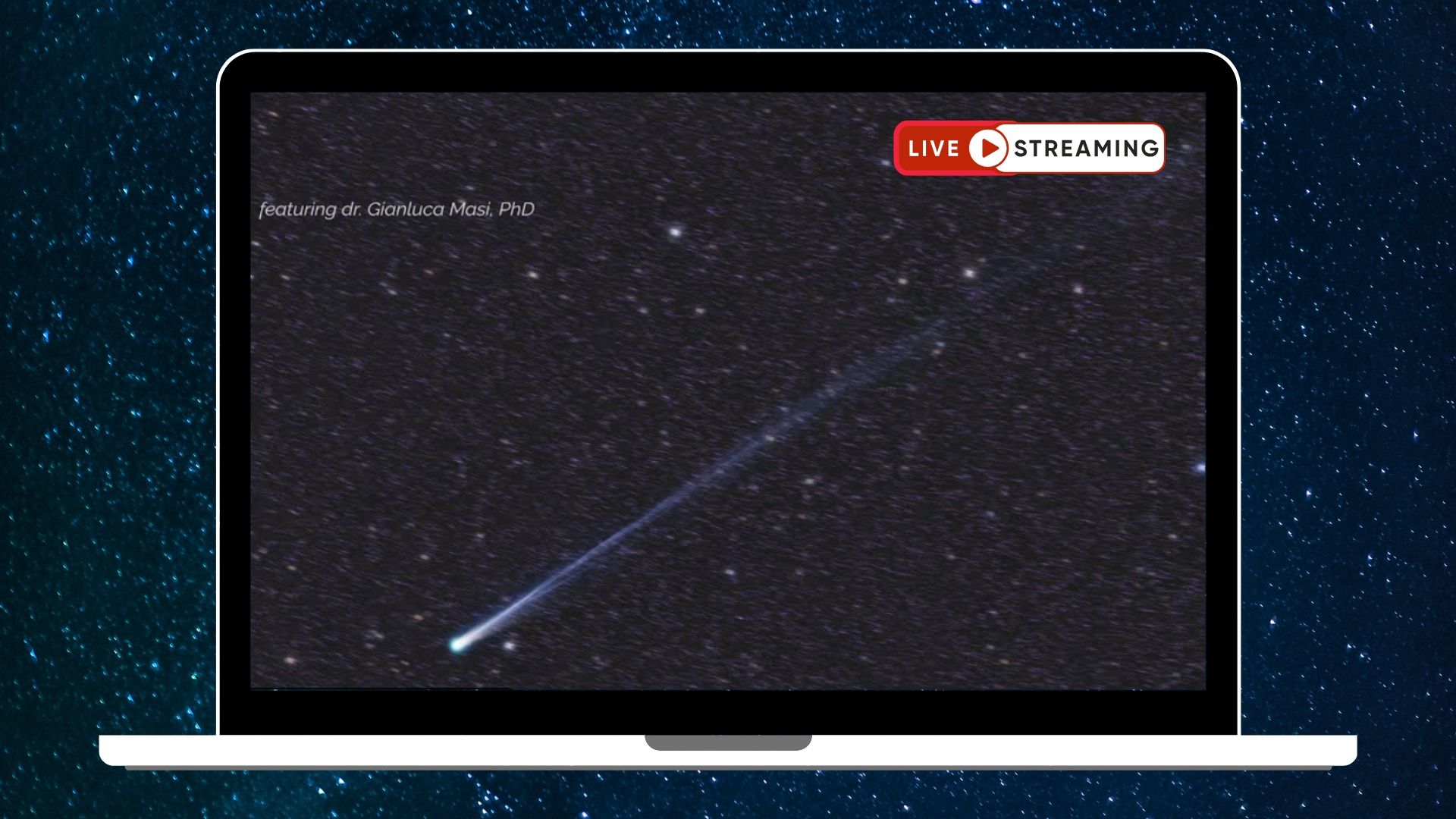
Two comets, Lemmon and SWAN, will make their closest approach to Earth on October 20, and a live stream hosted by the Virtual Telescope Project will allow viewers to watch the event, which offers a rare double-comet sighting with both comets visible in the night sky around the same time.
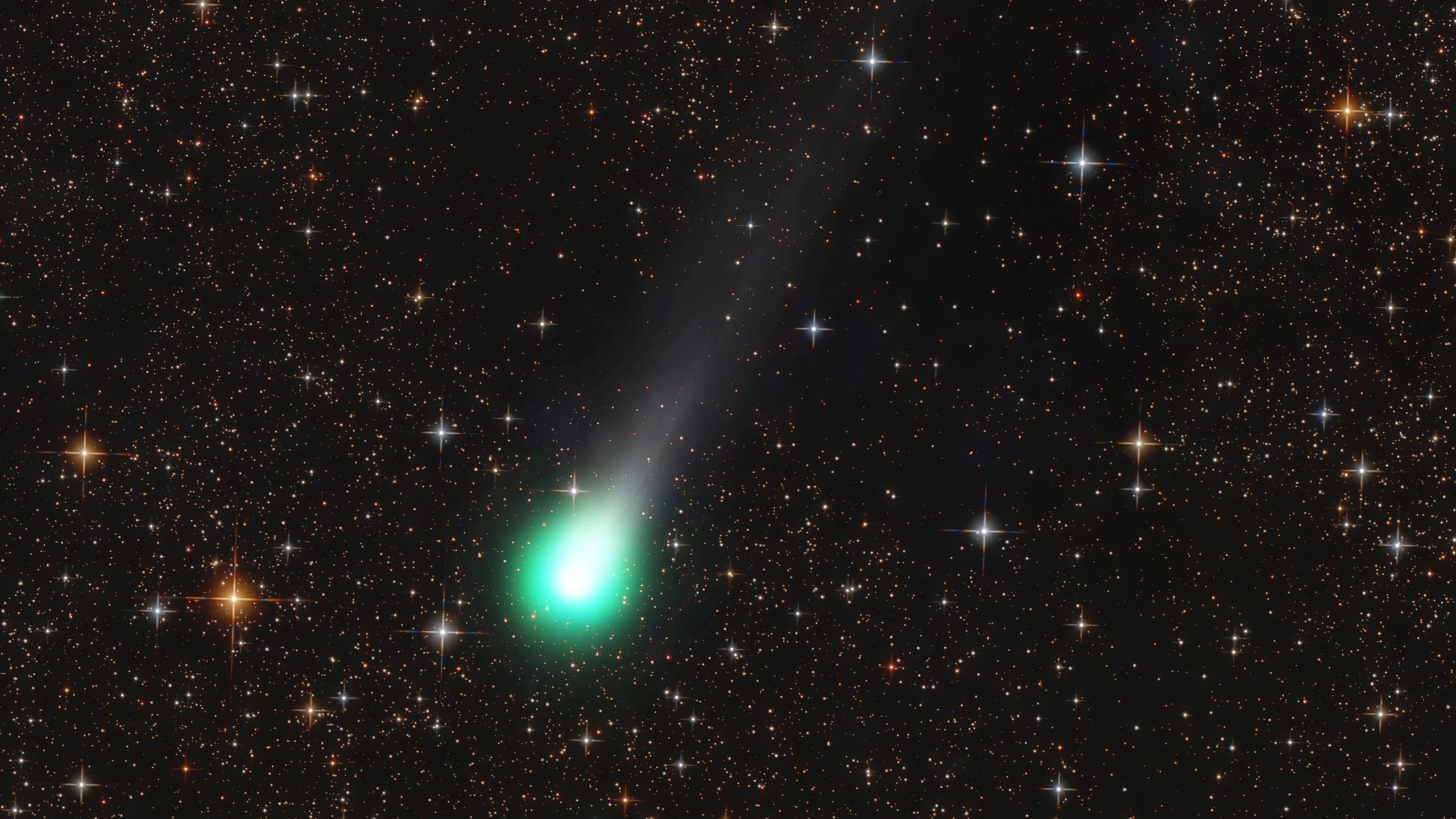
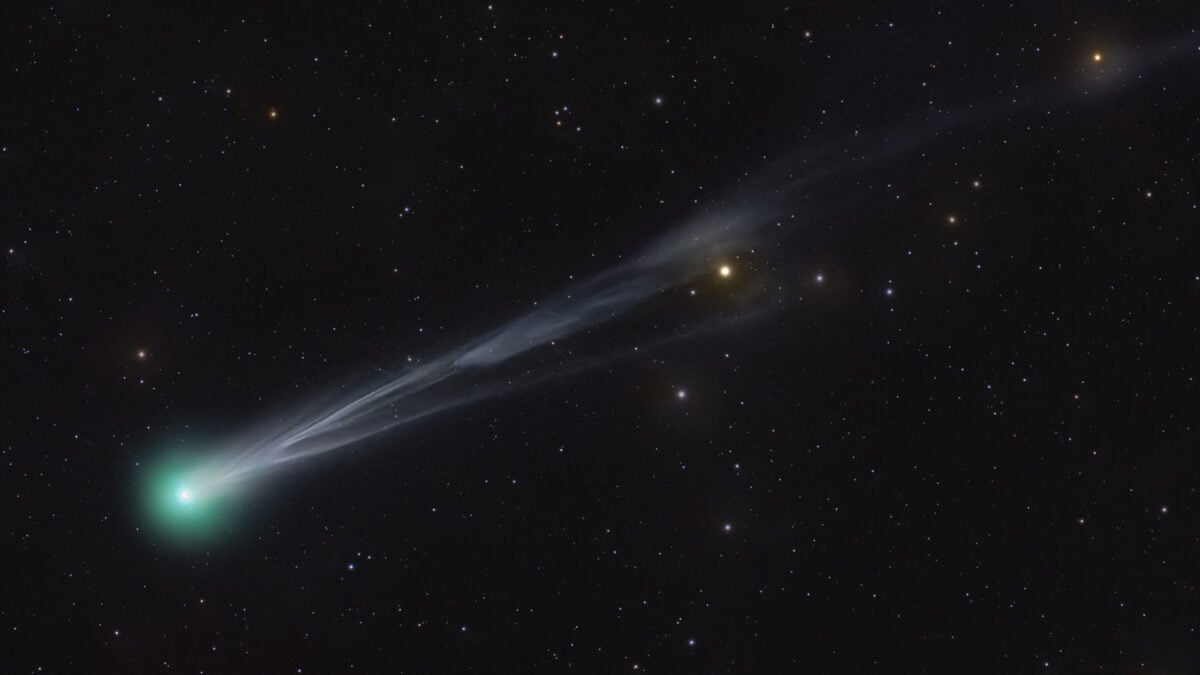
This week, two comets, Lemmon and SWAN, will reach their brightest and closest points to Earth, offering a rare opportunity for skywatchers to observe them. Comet Lemmon will be visible near the Big Dipper's handle and will be about 56 million miles from Earth, while Comet SWAN can be seen near the Summer Triangle, about 24 million miles away. Both comets are on vastly different orbits, with Lemmon returning in 3179 and SWAN having a 20,000-year orbit.
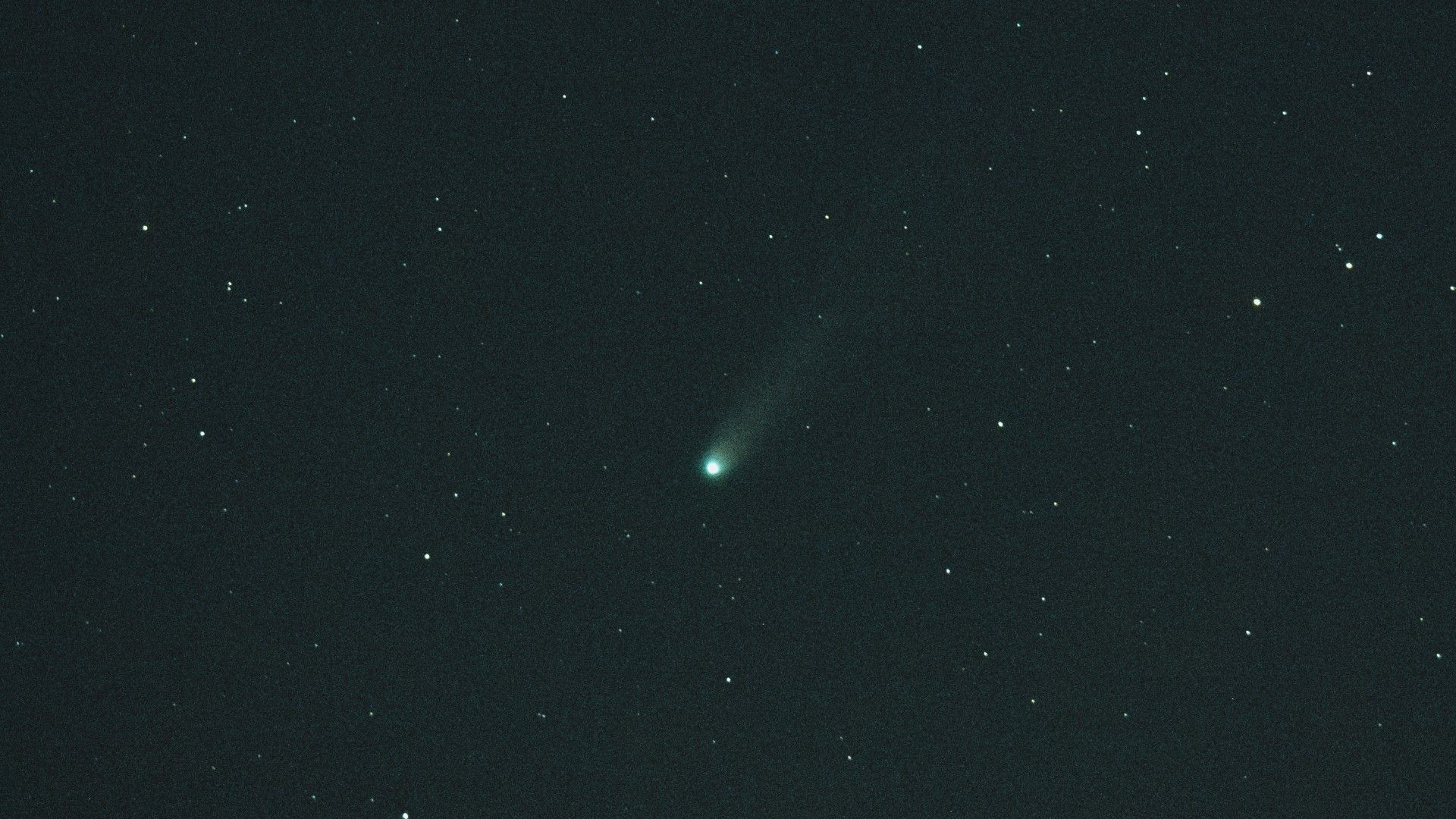
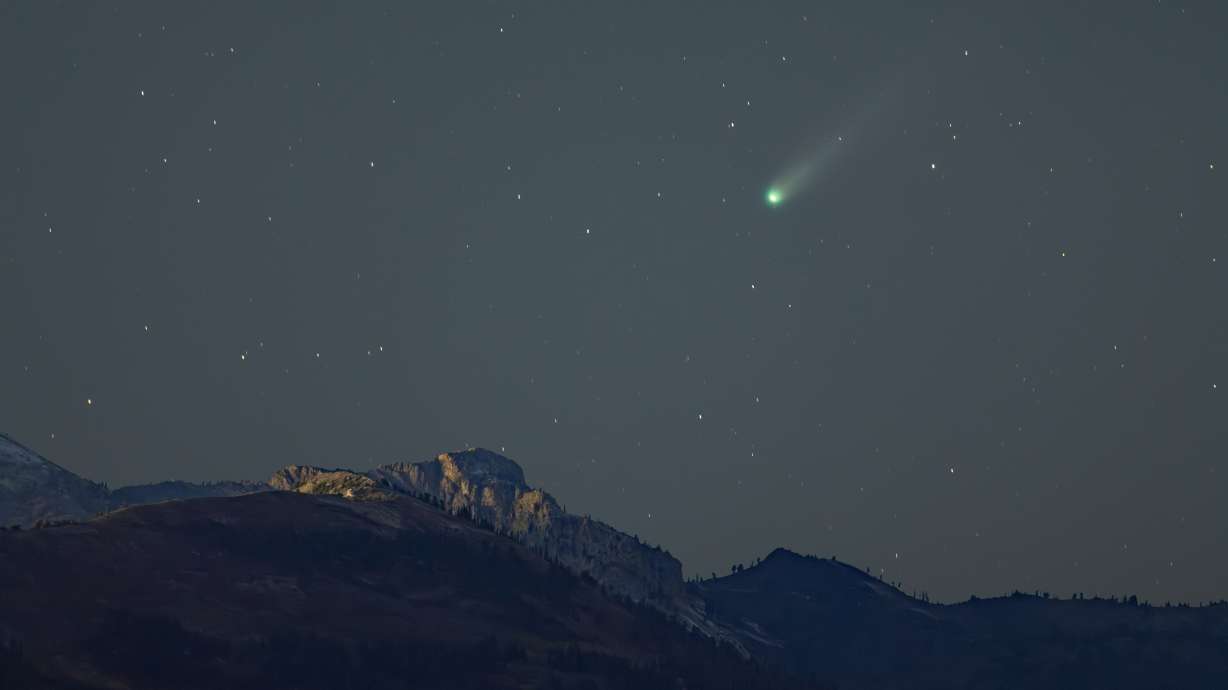
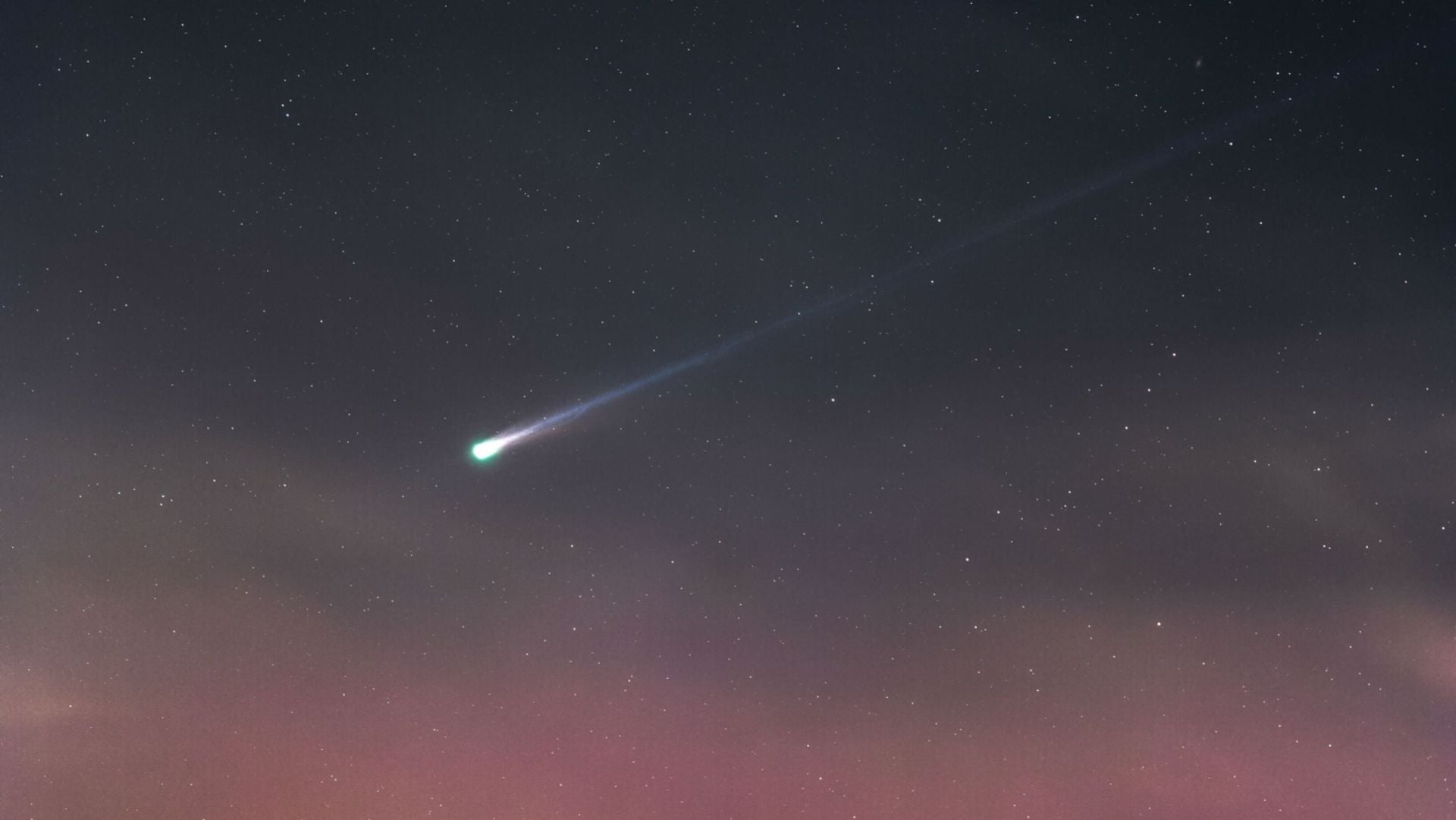
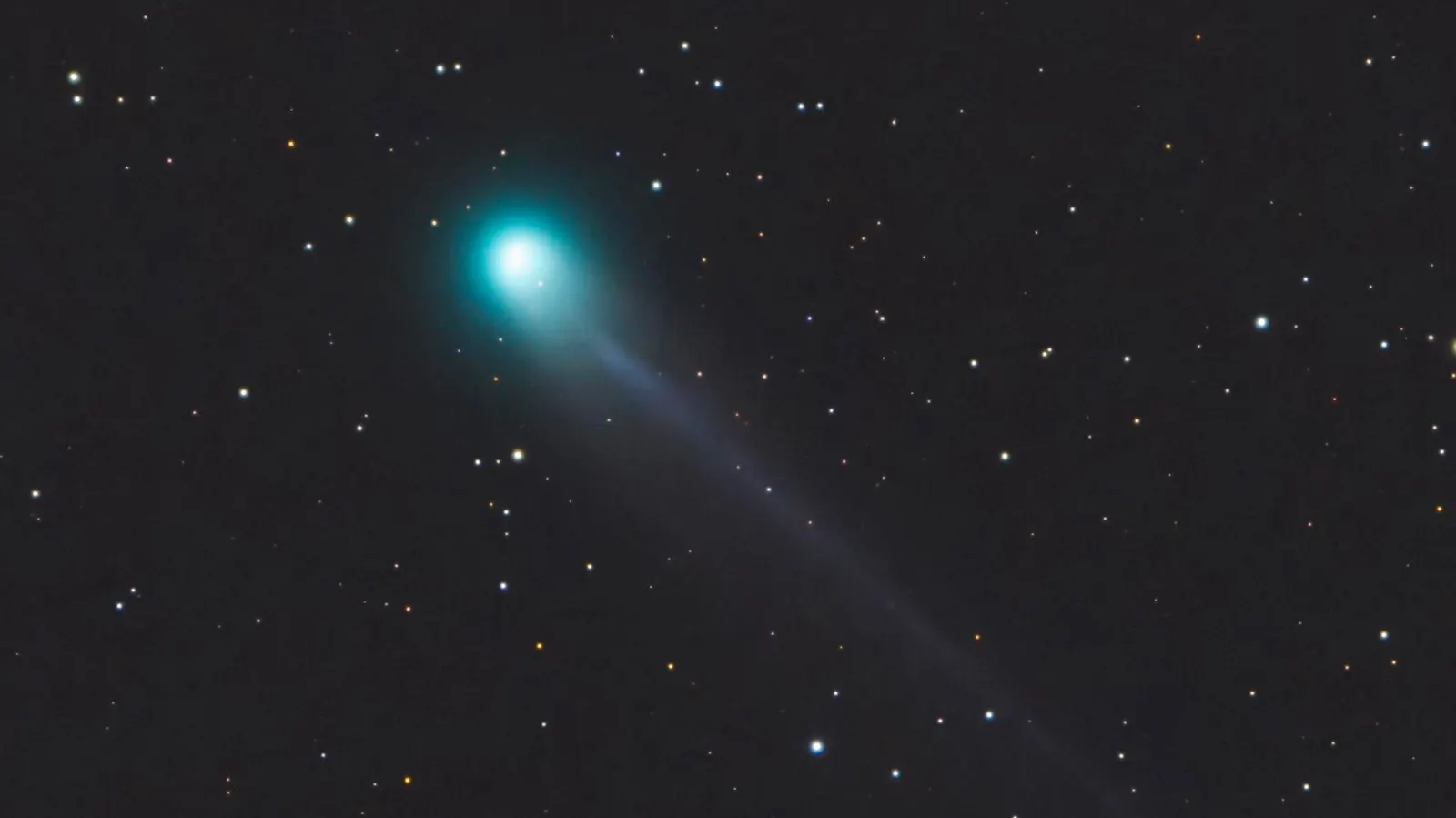
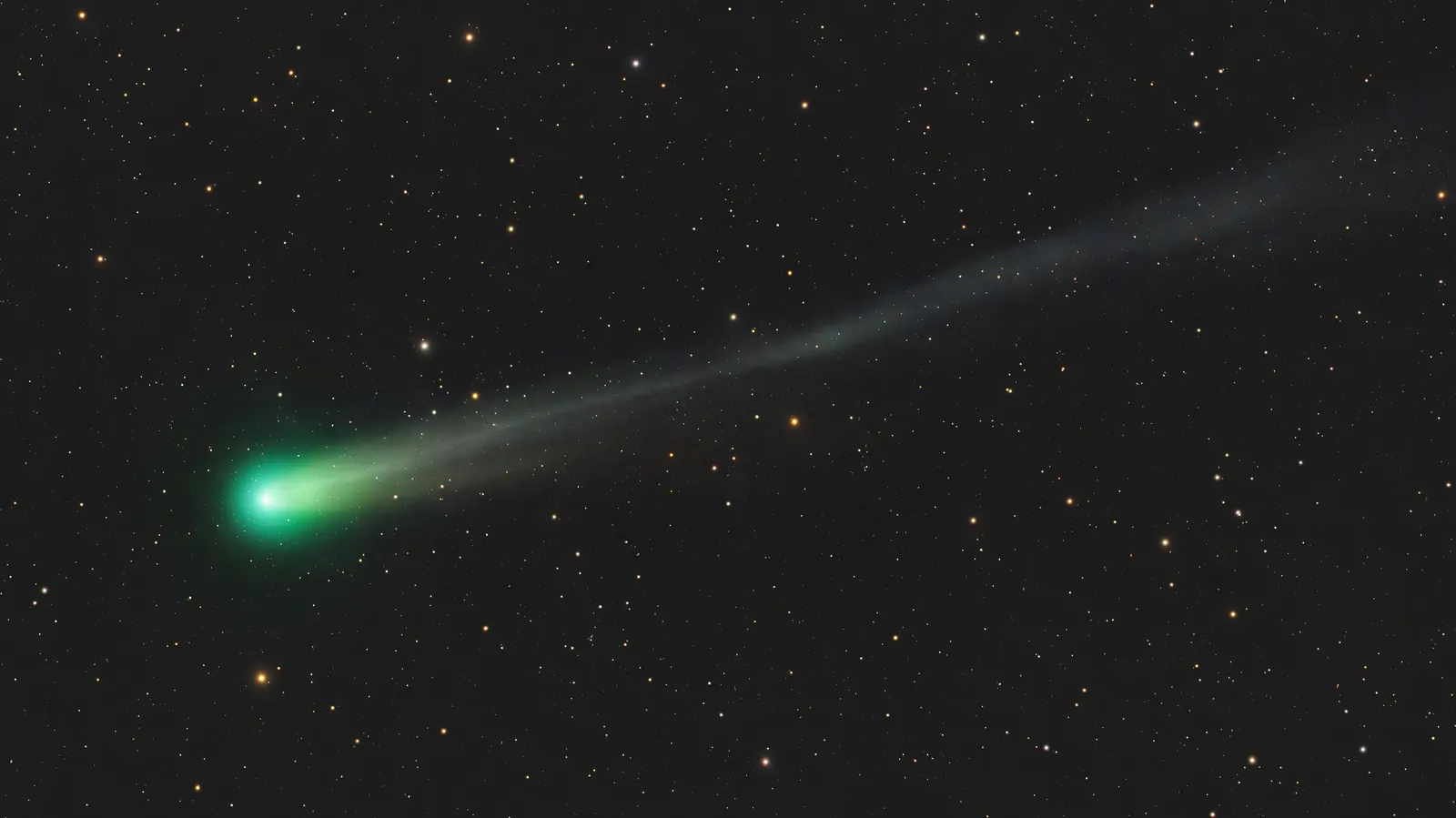
Award-winning astrophotographer Josh Dury captured a detailed image of Comet Lemmon over Somerset, UK, highlighting its bright green coma and long tail as it approaches Earth in October, offering a rare view of this celestial visitor before it fades from our skies for over a millennium.
A newly discovered comet, Lemmon (C/2025 A6), will be at its brightest on October 21 and visible to the naked eye during the new moon, offering a rare opportunity for skywatchers to see a bright comet that will not return for over a thousand years.
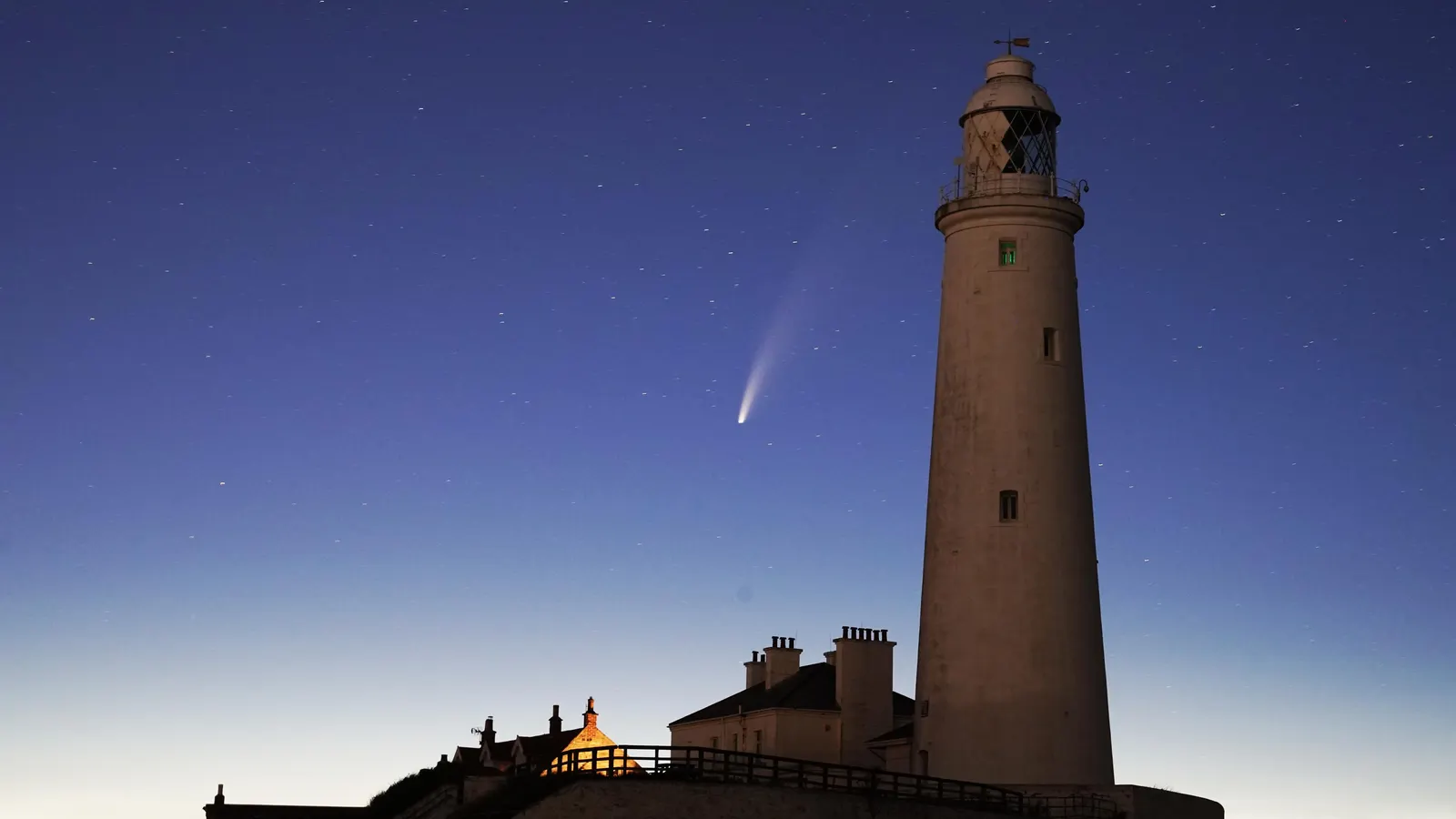
Two green comets, Lemmon and SWAN, are visible in the night sky in October 2025, with Lemmon visible in the pre-dawn northern sky and SWAN after sunset in the southwestern sky, both becoming brighter as they approach their closest points to Earth around October 20-21.