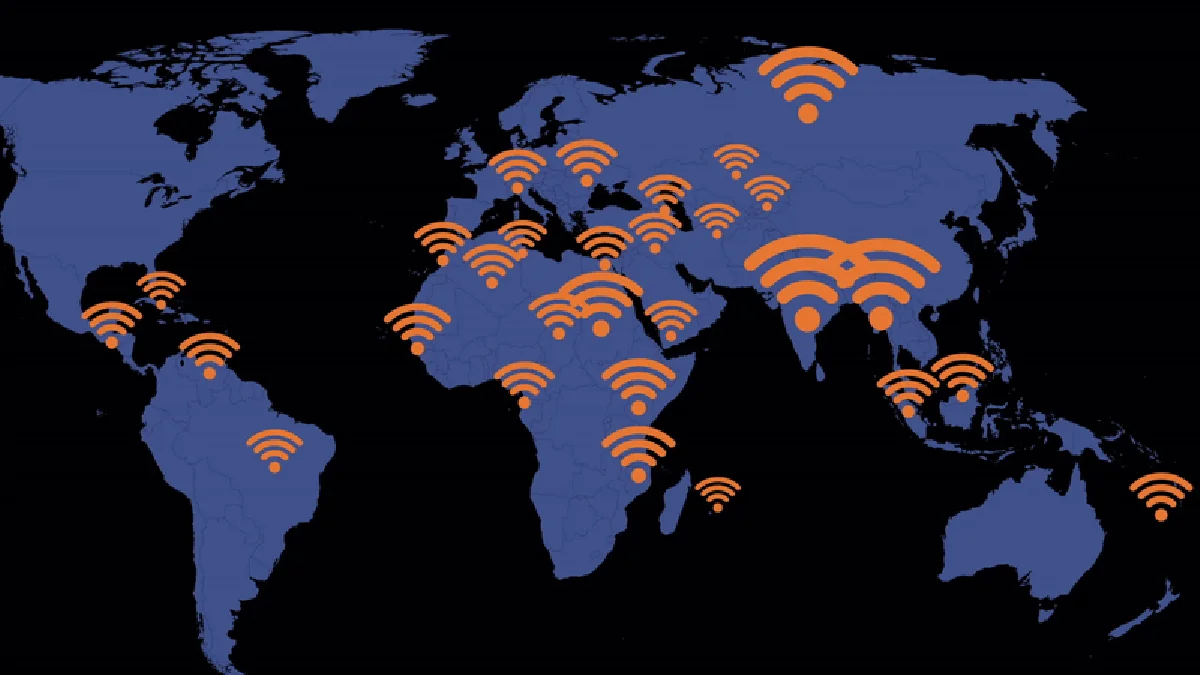
Alphabet spinoff Taara unveils the Taara Beam, a 17‑pound device that beams up to 25Gbps of fiber‑like internet over the air using near‑infrared light for distances up to 10 km, aimed at ISPs and carriers. It’s smaller and easier to deploy than the older Lightbridge, supports rooftop or tower mounting, and is deployed in 20+ countries with partners like T‑Mobile and Airtel; a wider showcase is planned at MWC amid weather‑related reliability concerns, with pricing varying by geography and models including hardware and connectivity‑as‑a‑service.
X suffered two major outages on Feb 16, 2026, leaving users worldwide unable to load posts and seeing errors. Downdetector spikes peaked around 41,000 US reports and 12,000 in the UK during the first wave and recurred later, with the latest spike approaching earlier highs before easing. No official cause has been given; Cloudflare and AWS reported no widespread issues, suggesting the fault may lie with an internal crash, DNS misconfiguration, or overly aggressive anti-bot systems. The service appeared to recover by the end of the day, though some users still faced problems as the outageApparently persisted regionally.
ISW reports Moscow is intensifying censorship by blocking WhatsApp and other Western platforms to tighten control over the RuNet, with partial outages and DNS gating amid claims of compliance with Russian laws. In Ukraine, forces conduct localized counterattacks near the Dnipropetrovsk–Zaporizhzia border and have carried out strikes on Russian military, defense-industrial, and energy facilities, including the Kotluban GRAU arsenal near Volgograd, the Ukhta refinery in Komi, and the Michurinsk Progress Plant. Western allies (UK and Netherlands) announced new military aid to Ukraine—air defense support and training resources, plus missiles and simulators—to bolster Kyiv’s defense. Analysts note frontline comms challenges linked to Russia’s Telegram restrictions and SpaceX Starlink issues, while noting the ongoing need for a comprehensive air-defense umbrella. Independent reporting reiterates that 2025 was the deadliest year for Ukrainian civilians, with Russia employing drone campaigns and battlefield interdiction tactics in multiple fronts (Kharkiv, Donetsk, Zaporizhzhia, and Kherson). The situation remains fluid as both sides pursue strategic gains and continue to leverage information and cyber-domain effects in this conflict.
Andrew Griffin argues that boycotting Amazon is nearly impossible because the internet and modern shopping are deeply intertwined with Amazon’s services and ecosystem; even with conscious avoidance, Amazon’s reach through third-party sellers, cloud services, and network effects keeps it embedded in daily life, illustrating how hard it is to exit the online world.
BuzzFeed compiles a 33-shot roundup of screenshots captured at the exact moment to maximize hilarity, pairing each with witty captions and reader comments for a lighthearted look at Internet oddities.
The Sunday Times investigates who holds the keys to the internet and the growing use of state-led blackouts—from Egypt’s 2011 shutdown to Iran’s modern ‘halal internet’—and what that means for democracies, resilience, and potential UK vulnerability in a world moving toward digital sovereignty.
Sir Tim Berners-Lee reflects on how the World Wide Web, once a free, democratic platform, has diverged due to commercialization and social media dominance. He advocates a user-centric move back to data sovereignty via the Solid protocol, warns that current AI development needs guardrails, and notes experimental policies like Australia’s under-16 social media ban while imagining a collaborative 'CERN for AI' to ensure safety and accountability.
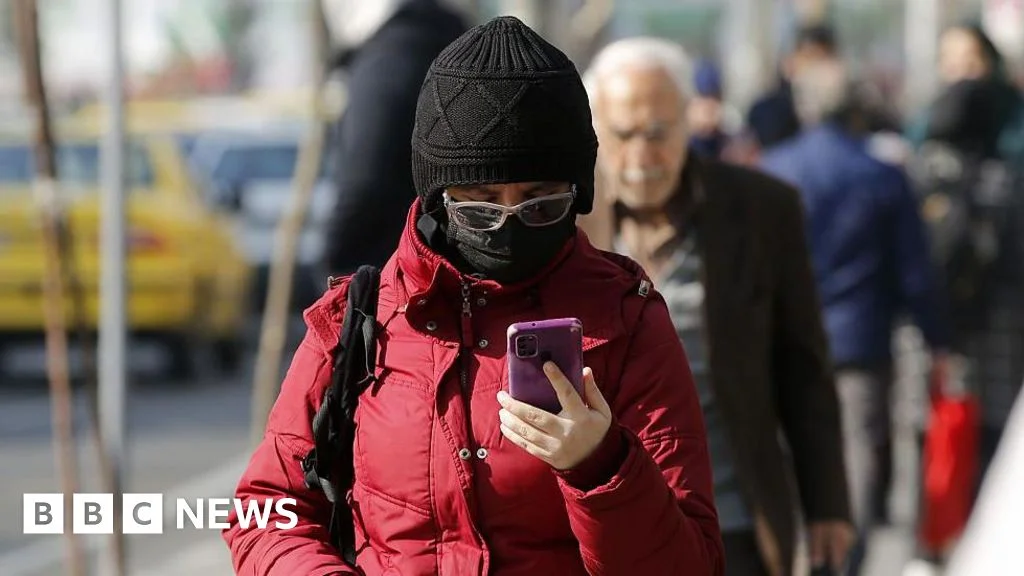
Iran’s three-week internet blackout is easing only in fits and starts, with some mobile access returning but major platforms still restricted and services being carefully managed. Analysts say authorities may be testing a tiered system that limits who can connect and when, potentially preventing a full restoration. Rights groups warn that the crackdown has cost thousands of lives, with HRANA confirming 5,925 deaths so far and many more under review.
BuzzFeed rounds up popular hype that fizzled, listing tech and media phenomena like the Segway, 3D TV, Google Glass, and Fyre Festival as examples of things once widely embraced that didn’t stand the test of time, with readers adding more items in the comments.
Iran plans to restrict global internet access to a small, vetted group and disconnect most citizens from the world wide web, a shift described as 'Absolute Digital Isolation' built on a filtered national network; the January internet shutdown during protests is cited as part of a planned move, with experts warning it could bring massive economic and cultural costs.
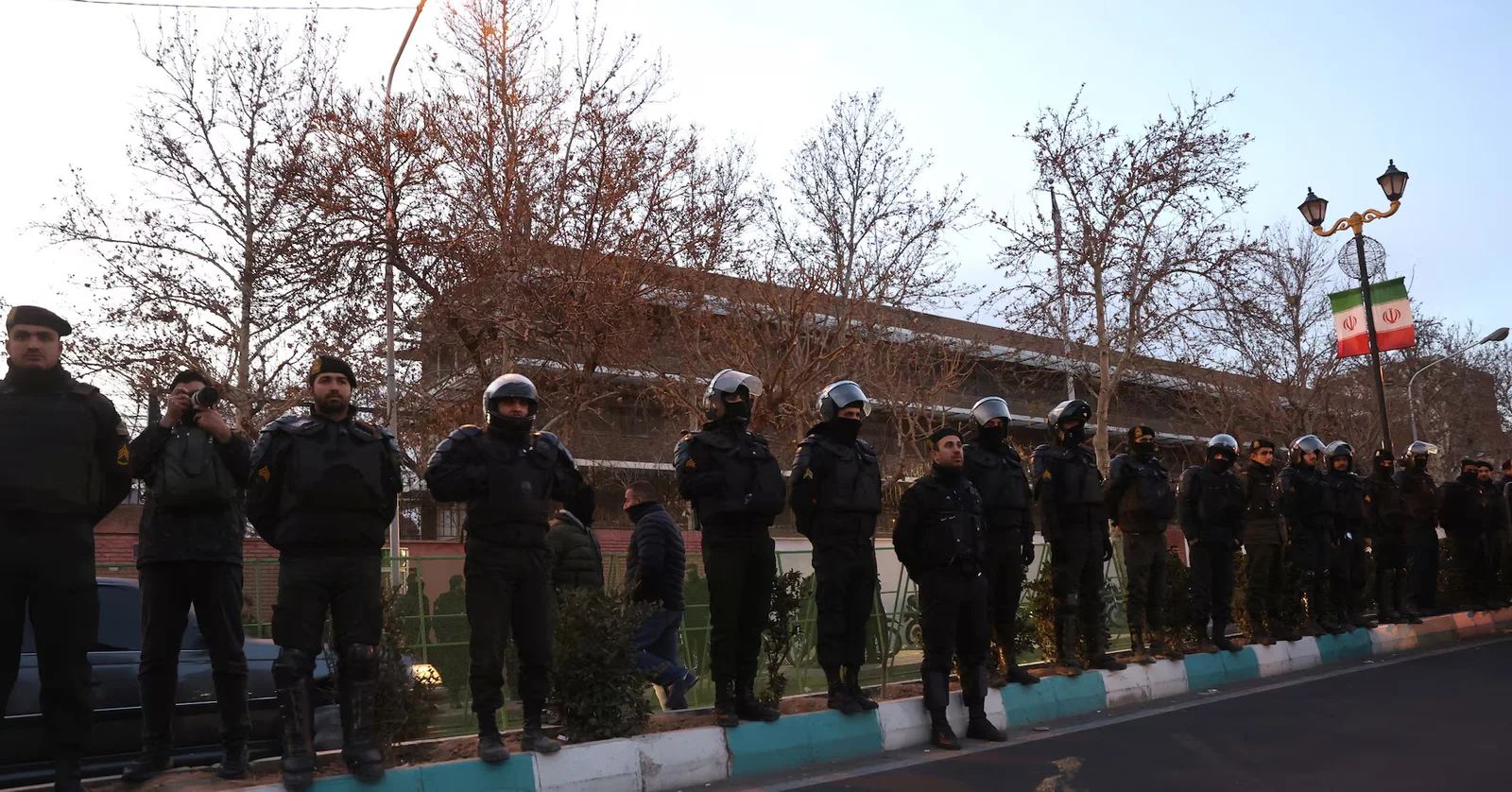
Rights activists say more than 3,000 people have died in Iran's nationwide protests, including about 2,885 demonstrators, as authorities’ crackdown appears to have quelled demonstrations for now, with internet activity showing a very slight revival after an eight-day blackout.
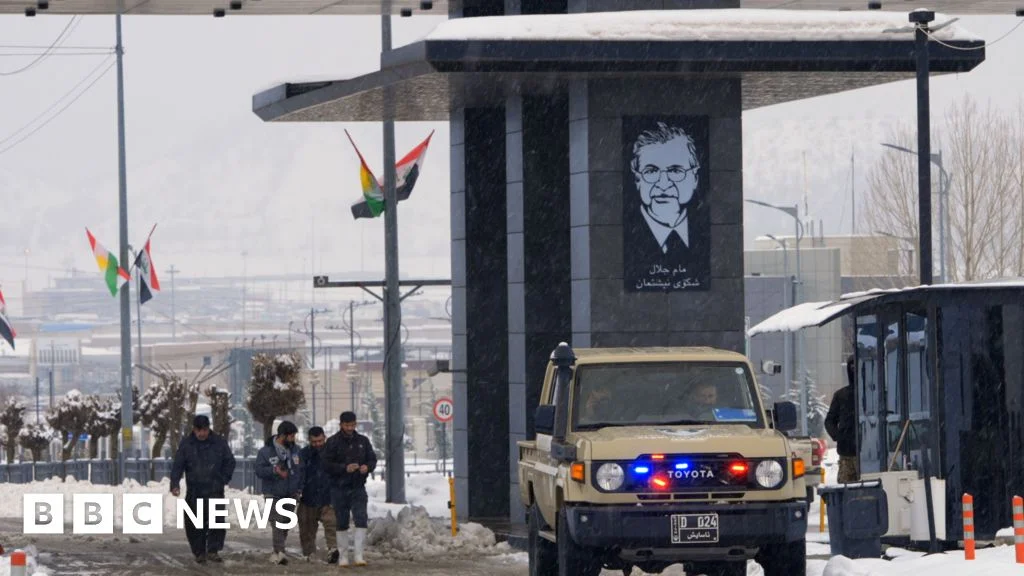
BBC reports continued protest activity and a severe crackdown at Iran’s border with Iraqi Kurdistan, where civilians describe pellet injuries and fear seeking medical care amid an internet blackout; rights groups say about 2,500 people have been killed, while border traffic remains open and some protests persist in select towns, highlighting the regime’s tightening grip amid economic hardship.
FlexasaurusRex launched MTV Rewind, an unofficial site and app archive that streams thousands of vintage MTV-era music videos across recreated channels, offering a nostalgic, curator-led alternative to algorithmic playlists and drawing hundreds of thousands of hits.
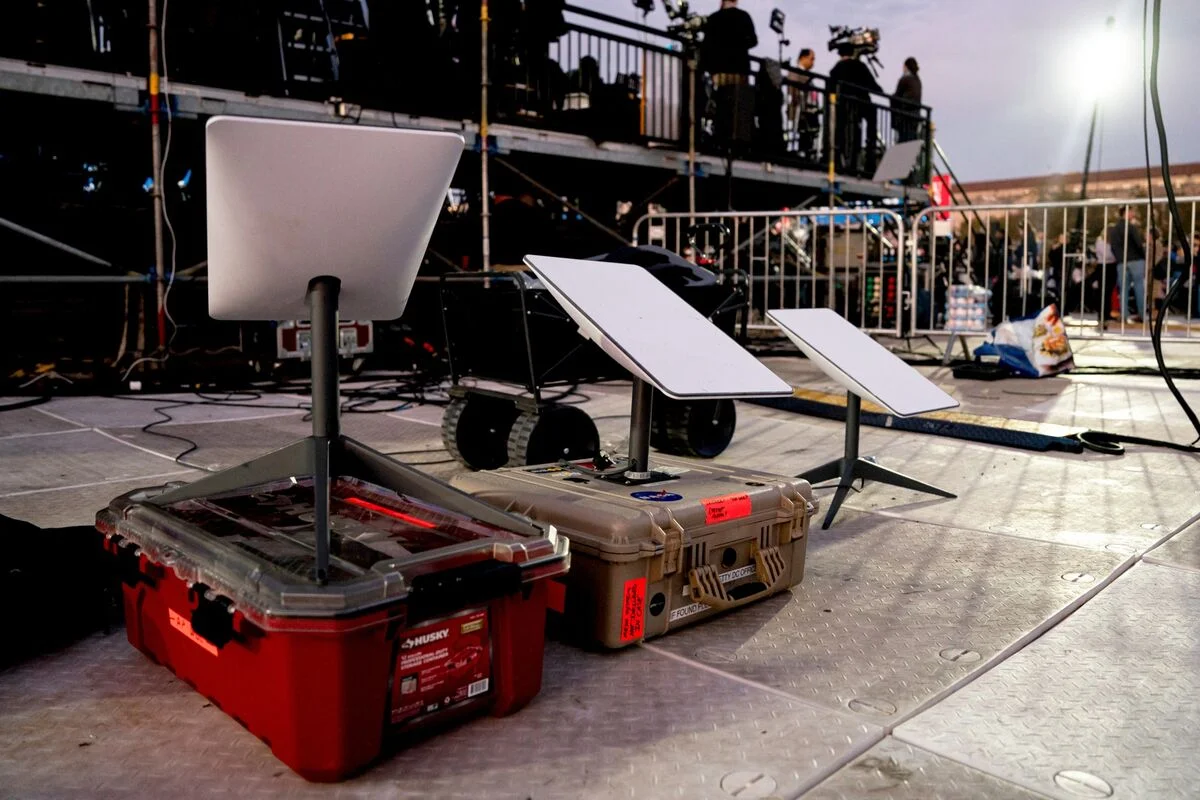
Starlink is providing free internet access in Iran, waiving subscription fees for previously inactive accounts as authorities crack down on protests; experts say the service could help Iranians share information, but access is limited and Iran can jam signals. There are an estimated 50,000 Starlink receivers in the country.
SpaceX is waiving the Starlink subscription fee in Iran, letting receivers there access satellite internet for free as a nationwide internet blackout persists for several days and Starlink gear has been smuggled into the country despite a ban; Iranian authorities are reportedly attempting to jam the signal and crackdown on users.