
The Impact of Daylight Saving Time on Health and Society
TL;DR Summary
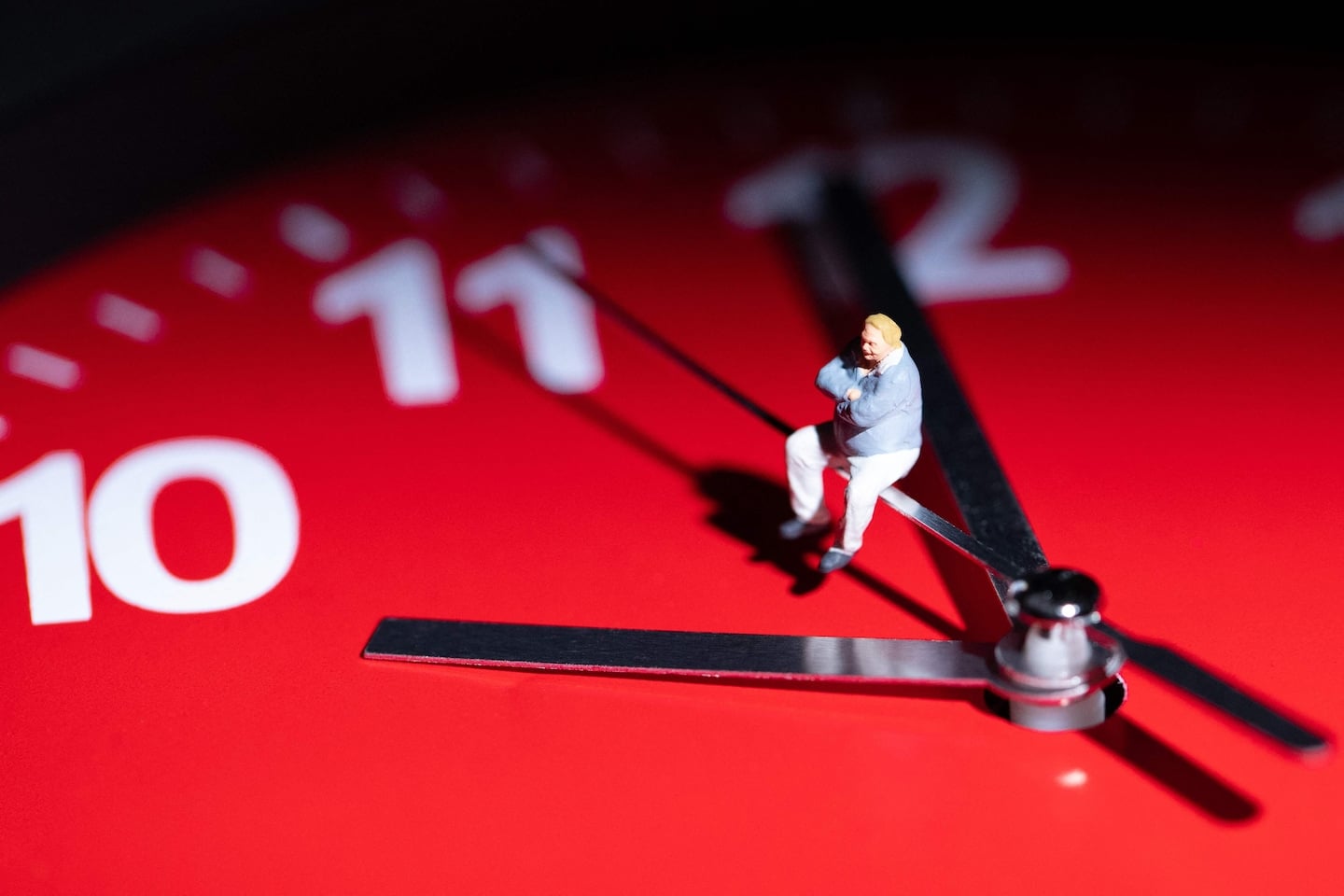
Daylight saving time is ending on the first Sunday in November, with clocks falling back an hour at 2 a.m. in most of North America, Europe, Australia, and New Zealand. Some U.S. states, such as Hawaii and most of Arizona, do not participate in the time change. The concept of daylight saving time was proposed by Benjamin Franklin in 1784, but it was implemented in the United States in 1918 to address train transportation coordination concerns during World War I. While there have been efforts to eliminate the semiannual tradition, there is currently no major movement to end daylight saving time in the U.S.
- What to know about daylight saving time ending and setting your clock back The Washington Post
- Should we have permanent daylight saving time? #WakeUpCLT To Go WCNC
- Fall back: How daylight saving time can seriously affect your health Yahoo News
- What if we never changed the clocks? Is that better? WSYR
- Daylight saving time ends early Sunday morning WISN 12 News
Reading Insights
Total Reads
0
Unique Readers
1
Time Saved
3 min
vs 4 min read
Condensed
85%
671 → 104 words
Want the full story? Read the original article
Read on The Washington Post