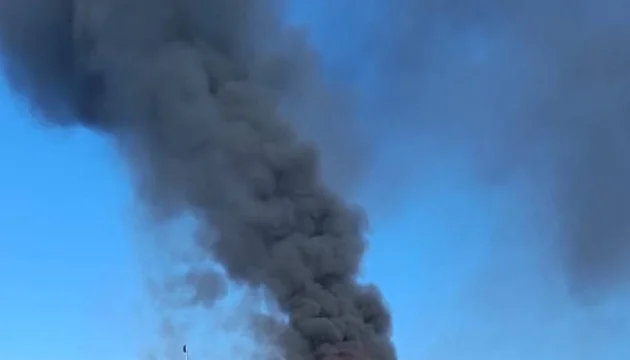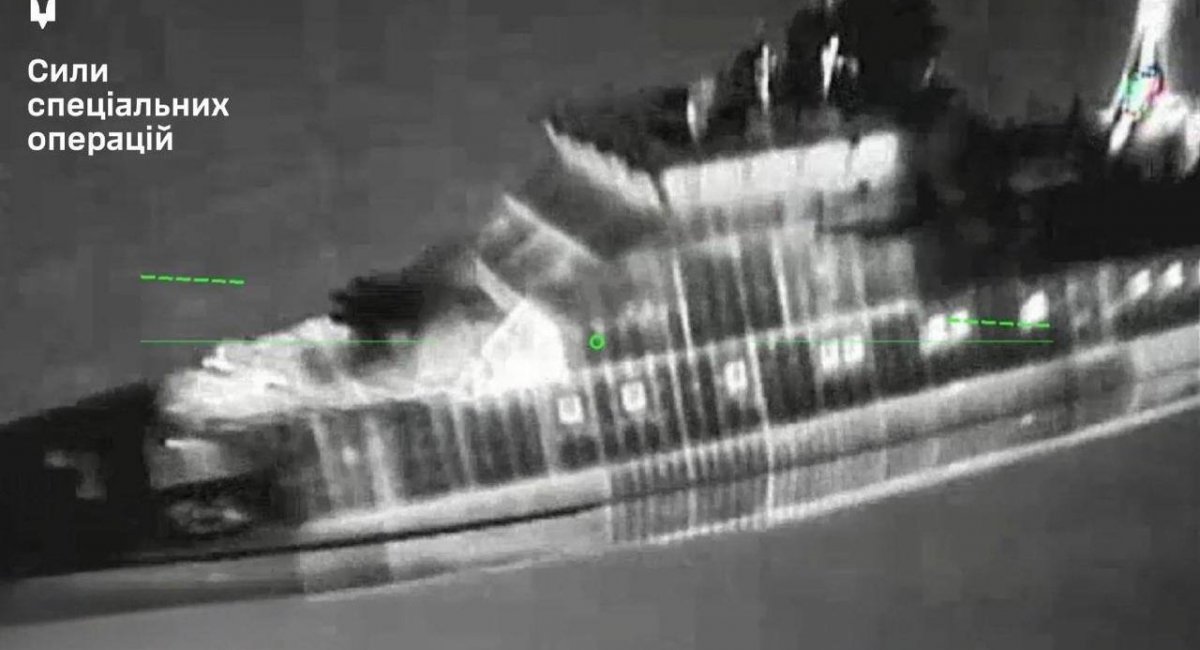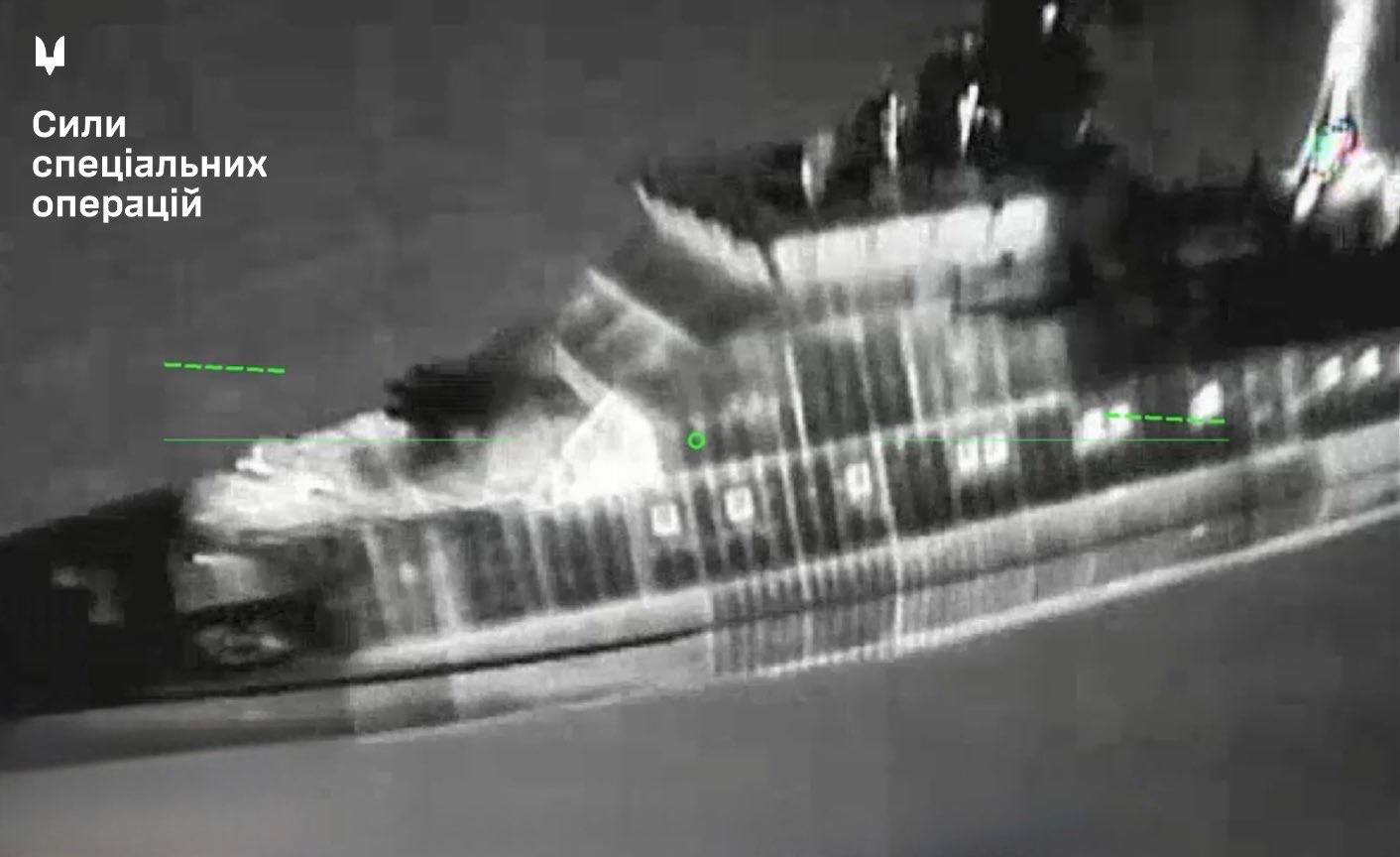
Ukrainian drones targeted a Russian oil rig in the Caspian Sea and other facilities, continuing Kyiv's strikes on Russian maritime targets. The conflict also involved attacks on Crimea, a bridge in Ukraine, and ongoing battles in Ukraine's eastern regions. The White House proposed trilateral talks between the US, Russia, and Ukraine to seek a peace deal, with Ukraine emphasizing the importance of maintaining current territorial positions.
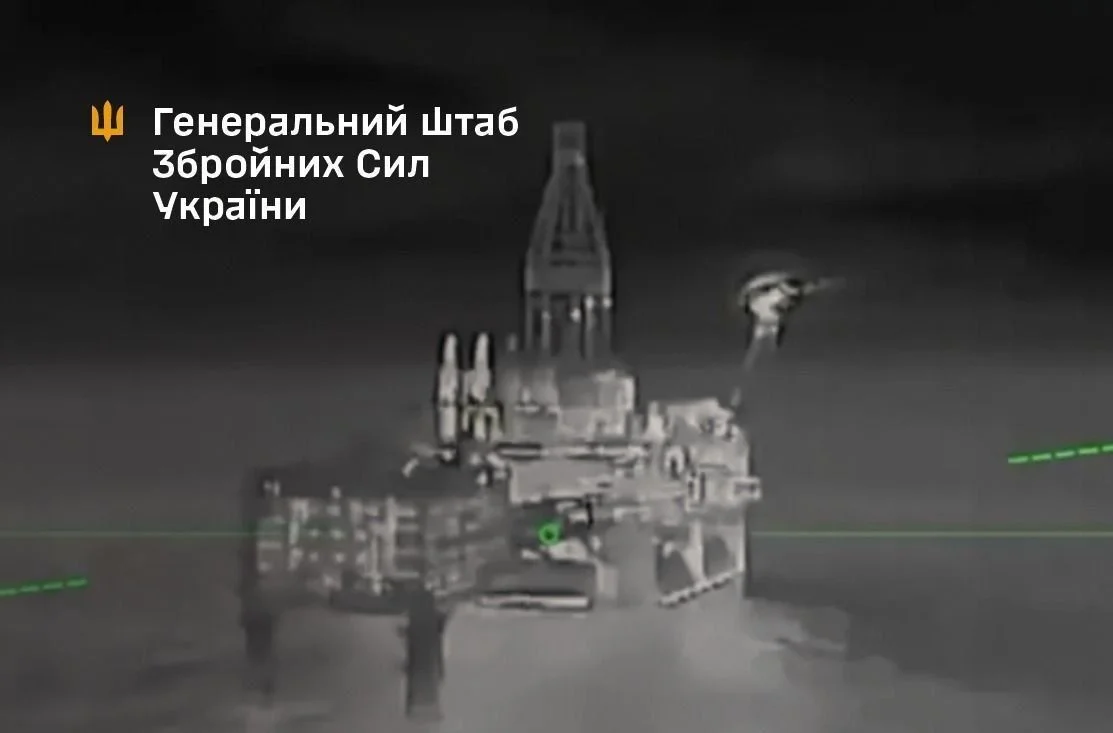
Ukraine's Defense Forces have targeted a Russian patrol ship and an offshore oil platform in the Caspian Sea, as well as a radar system in Crimea, in ongoing efforts to weaken Russian military capabilities amid the conflict.
Ukrainian forces conducted targeted strikes on Russian assets in the Caspian Sea and Crimea, including damaging a Russian border patrol vessel, hitting the oil platform used by Russian forces, and damaging a radar in Crimea, as part of ongoing efforts to undermine Russian military capabilities.
Ukrainian special forces conducted drone attacks on a Russian patrol ship and an oil platform in the Caspian Sea, damaging the vessel and targeting the oil extraction infrastructure owned by Lukoil, as part of ongoing military operations against Russian naval assets and energy infrastructure.
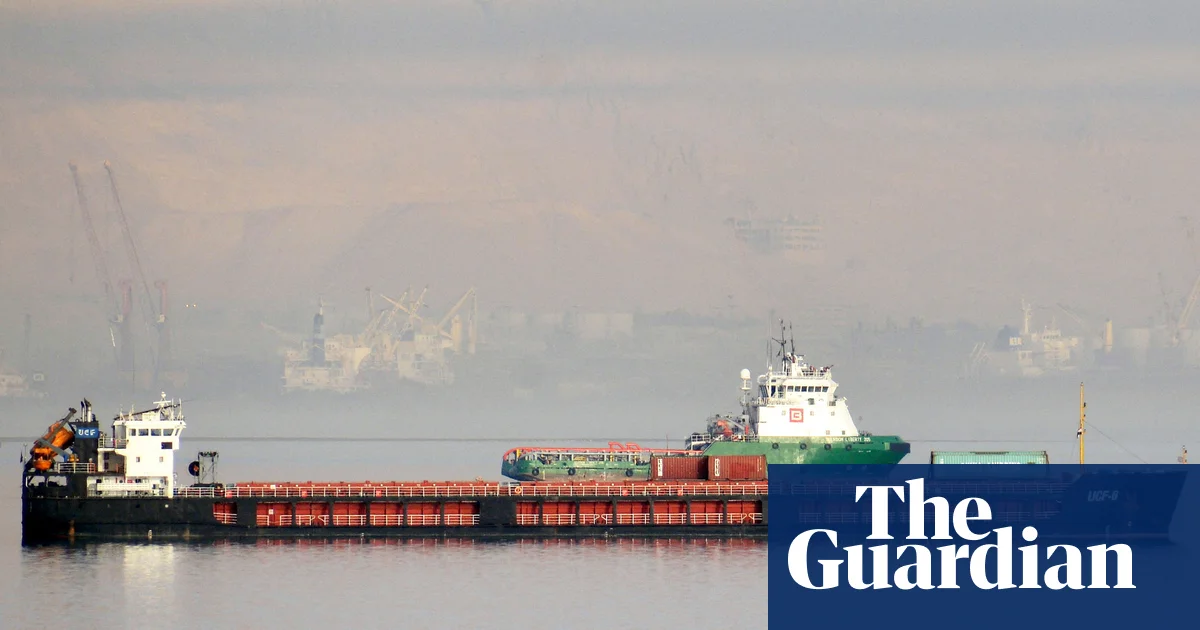
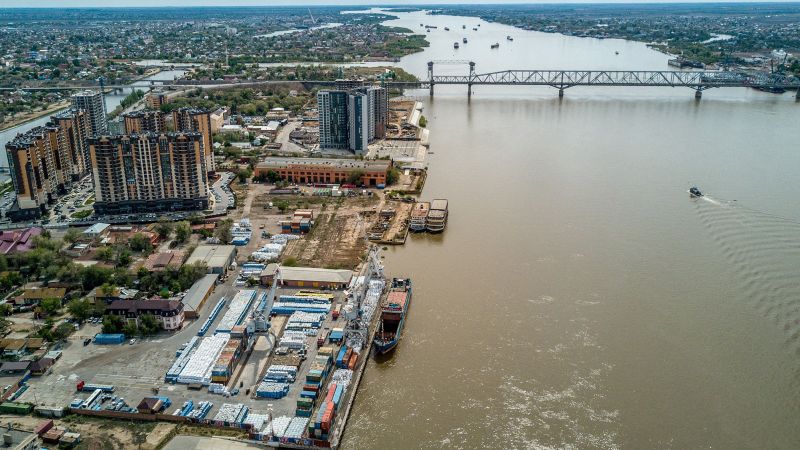
Ukraine claims to have bombed a Russian supply ship at Caspian port, allegedly carrying drone parts from Iran, as part of its broader military efforts amidst ongoing conflict with Russia, which includes strikes deep inside Russian territory and efforts to counter Russian infiltrations in Ukraine. The attack comes ahead of a US-Russia summit in Alaska, highlighting the geopolitical tensions surrounding the Ukraine war.
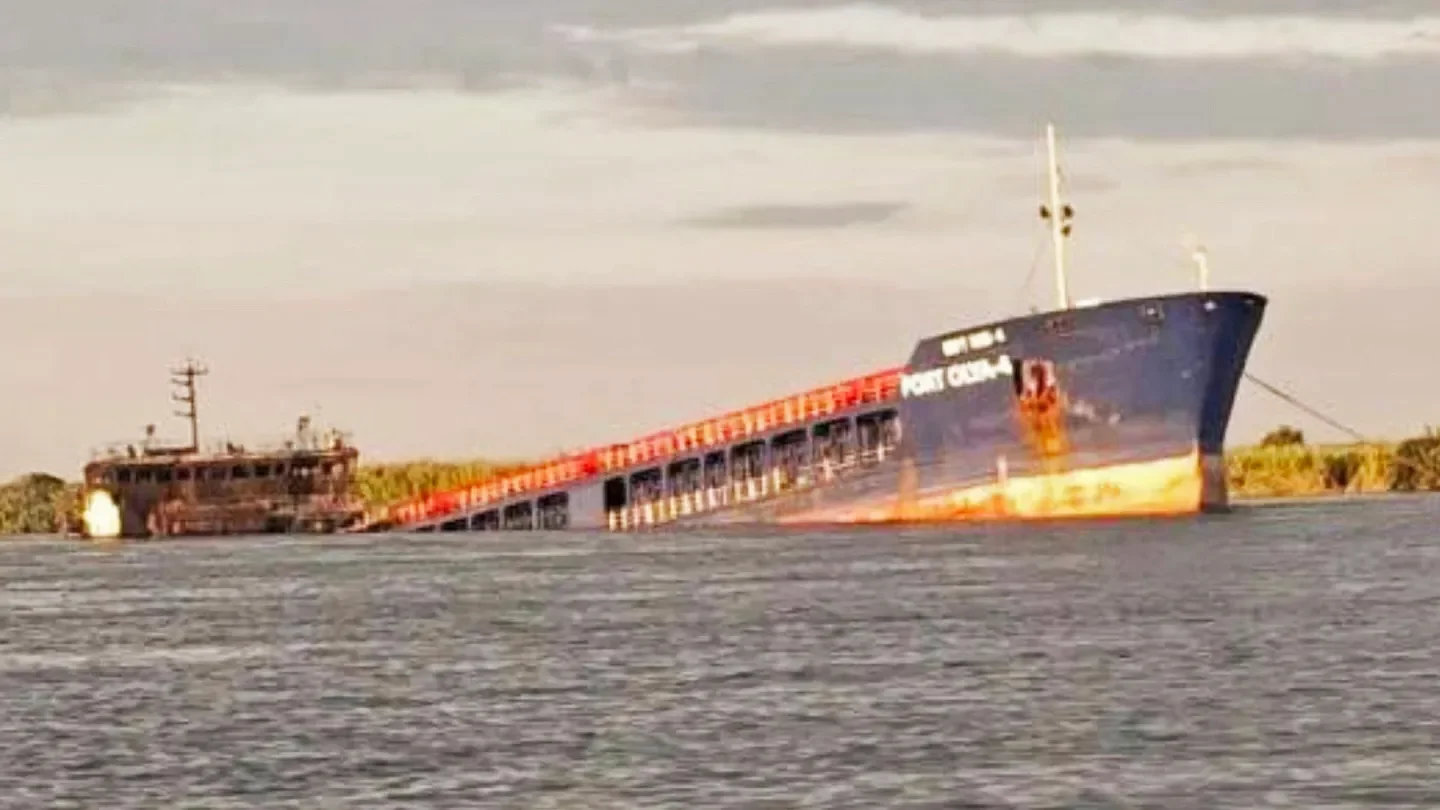
Ukraine conducted a drone attack on the Russian cargo ship Port Olya-4 in the Caspian Sea, sinking it and targeting vessels suspected of transporting Iranian arms and drone components to Russia, marking a significant escalation in Ukraine's efforts to disrupt Russian logistics and military supplies.
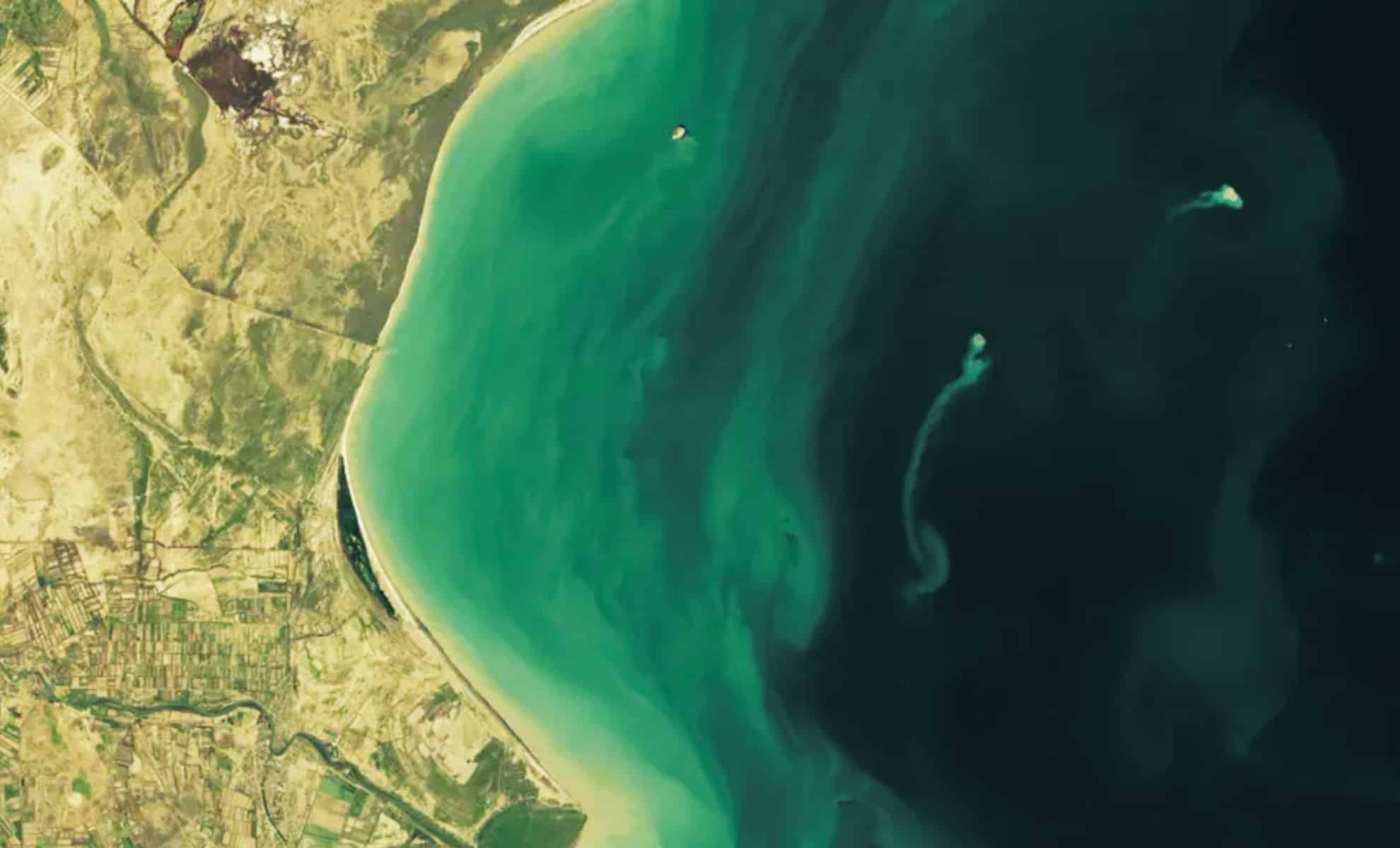
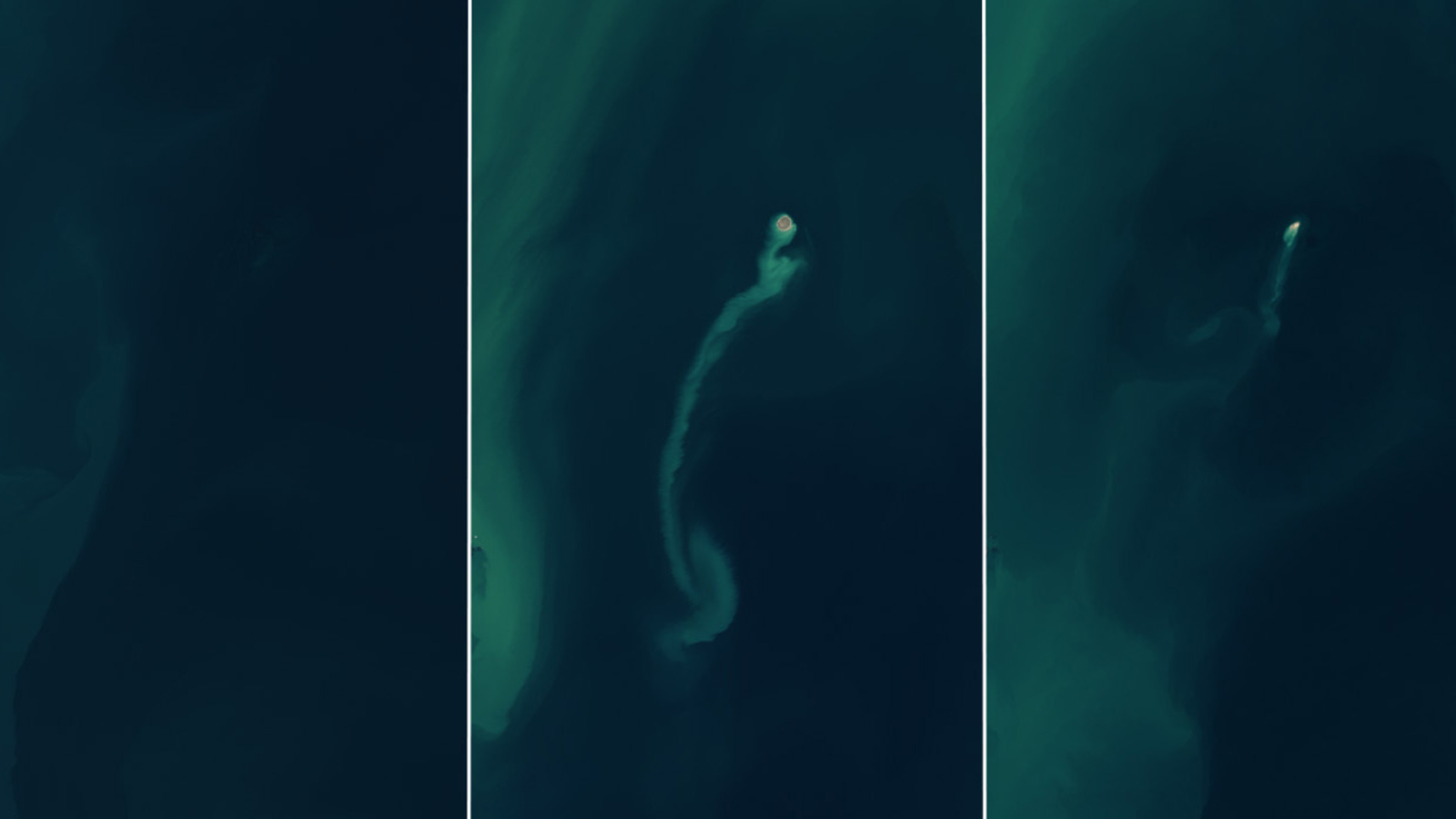
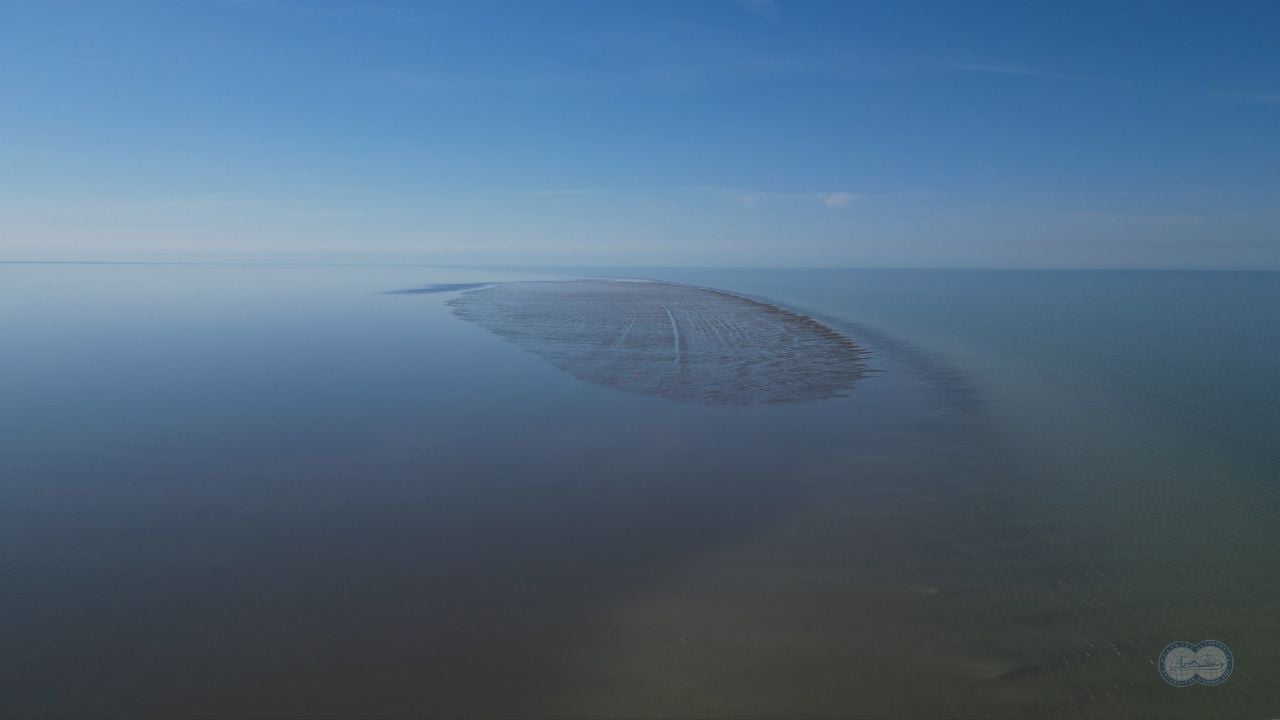
NASA satellites captured a fleeting 'ghost island' in the Caspian Sea formed by an underwater mud volcano eruption near Azerbaijan in early 2023, which quickly eroded by late 2024, highlighting the dynamic and ephemeral nature of mud volcanoes and underwater volcanic activity.
A temporary island appeared above an underwater mud volcano off Azerbaijan's coast in January 2023, formed by an eruption at Kumani Bank, but it nearly vanished by December 2024, illustrating the fleeting nature of such volcanic landforms. The region is known for its numerous mud volcanoes caused by tectonic activity, with similar ephemeral islands forming elsewhere due to volcanic eruptions.
Researchers discovered a new island in the Caspian Sea using satellite images, likely formed due to cyclical sea level changes influenced by climate change and tectonic shifts. The island may serve as a habitat for rare bird species and Caspian seals, with further exploration planned for 2025.
Russian scientists confirmed the emergence of a new island in the Caspian Sea, formed due to significant water level drops influenced by natural fluctuations and climate change, though exploration has been hindered by weather and shallow waters.
A new island has emerged in the Caspian Sea due to fluctuating water levels, confirmed by Russian scientists, with further research planned to study its features and potential naming.
Iran has added a new destroyer, the Deilaman, to its Caspian Sea fleet. The 1,400-ton warship is equipped with cruise missiles and has the capability to launch torpedoes while traveling at high speeds. It can detect over 100 targets simultaneously, including vessels, drones, helicopters, submarines, and aircraft. Iran's naval presence in the Caspian Sea aims to ensure peace, security for commercial fleets, and counter potential threats. This is the sixth warship commissioned by Iran in the Caspian Sea, where Russia holds the largest naval power.
Iran has unveiled a new destroyer warship named IRIS Deylaman, which will join its Caspian Sea fleet. The destroyer is part of the Mowj or Moudge class of ships and is equipped with modern technology. Iran has been producing these locally made ships since the early 2000s to strengthen its navy. The new ship will primarily serve in the Caspian Sea, projecting Iran's influence in Central Asia, and will be involved in search and rescue, training, and other routine operations.
The Caspian Sea route between Iran and Russia is increasingly being used to transfer suspected weapons, including drones, bullets, and mortar shells, from Tehran to Moscow to bolster Russia's war effort in Ukraine. The vessels in the region are increasingly going "dark," suggesting growing intent to obfuscate the movement of goods. Analysts say that Ukraine's Western allies would have little power to stop such arms deliveries. The perception in Moscow is that Iran can teach Russia a lot about the "tools to evade sanctions" and "how to still have a significant economy even when sanctions are imposed."
Iran has been shipping large quantities of ammunition, including artillery shells, to Russia across the Caspian Sea for its war against Ukraine, according to officials and documents cited by The Wall Street Journal. Over the past six months, cargo ships have carried more than 300,000 artillery shells and a million rounds of ammunition from Iran to Russia. This poses a challenge for the US and its allies as they try to disrupt cooperation between Moscow and Tehran.